
For centuries, frankincense and myrrh have been paired together in historical texts, spiritual rituals, and traditional aromatics. While they are often spoken of in the same breath, these two natural resins possess vastly different scent profiles, physical properties, and atmospheric effects. Choosing between them—or deciding how to blend them—depends entirely on the environment you wish to create, the time of day you burn them, and your personal olfactory preferences.
In the modern home, these resins offer a natural, synthetic-free alternative to mass-produced scented candles and chemical room sprays. However, because they are raw botanical materials rather than pre-formulated oils, burning them requires a basic understanding of how they behave under heat. By exploring their distinct characteristics, you can select the perfect resin to elevate your living space, whether you are seeking a bright morning focus or a deeply grounding evening wind-down.
Quick Answer: Which Resin Should You Choose?
The choice between frankincense and myrrh ultimately comes down to whether you prefer a bright, uplifting, and clean scent or a deep, earthy, and grounding aroma. Both resins offer unique atmospheric qualities, but they serve very different purposes in a space.
Products mentioned in this guide
![[Eagle]Israel Frankincense Myrrh and Spikenard anointing oil for consecration and dedication](https://img.lazcdn.com/g/p/c29807217d108c0d8d5ce5c87baddde4.jpg_400x400q80.jpg_.webp)
Prices are valid at publication and may change. Please refer to the product page for the latest price.
Choose Frankincense if:
- You want a clean, slightly citrusy, and pine-like atmosphere that clears the air.
- You are looking to promote focus, mental clarity, and alertness during the day.
- You prefer a lighter, sharper smoke profile that dissipates relatively quickly.
- You want an aromatic companion for morning meditation, yoga, or home office work.
Choose Myrrh if:
- You prefer a warm, earthy, slightly sweet, and heavy aromatic profile.
- You want to create a cozy, grounding, and deeply relaxing environment for the evening.
- You enjoy rich, complex scents with subtle bitter and licorice-like undertones.
- You want a lingering fragrance that settles beautifully into a room during rainy days or bedtime routines.
Choose a Blend if:
- You want a balanced, classic ceremonial scent that combines the bright, elevating notes of frankincense with the deep, anchoring warmth of myrrh.
- You enjoy a complex, multi-layered aromatic experience where the citrusy top notes gradually give way to a rich, resinous base.
Verify first if:
- You or anyone in your household has respiratory sensitivities, asthma, or allergies to smoke.
- You live in a poorly ventilated space, such as a tightly sealed apartment, where heavy smoke can accumulate quickly.
- You are using traditional charcoal burners, which require heat-proof censers, proper safety clearances, and careful monitoring to prevent fire hazards.
Scent Profiles: What Do Frankincense and Myrrh Smell Like?
To appreciate the differences between these two legendary resins, one must first understand their distinct olfactory signatures. Though both originate as sap from desert trees, their chemical compositions yield entirely different aromatic experiences when heated.

Frankincense Scent Notes
Frankincense, harvested from trees of the Boswellia genus, is characterized by its bright, woody, and distinctly citrusy aroma. When high-quality frankincense resin is heated, it immediately releases top notes of lemon, lime, and sweet orange, followed by clean undertones of fresh pine and light spice. The smoke produced by frankincense is relatively sharp and clean, cutting through stagnant air without feeling overly heavy. This brightness makes it feel immediately purifying and refreshing, particularly in humid tropical climates where indoor air can sometimes feel heavy or damp.
Myrrh Scent Notes
Myrrh, obtained from the Commiphora tree, sits on the opposite end of the aromatic spectrum. It offers a deep, earthy, balsamic, and slightly bitter aroma with subtle, sweet undertones reminiscent of black licorice or dark honey. Unlike the effervescent quality of frankincense, myrrh is heavy, rich, and deeply warm. Its scent profile is complex and mysterious, often described as ancient, woody, and intensely grounding. The smoke from myrrh is denser and creamier than that of frankincense, carrying a velvety texture that wraps a room in a comforting, protective blanket of scent.
Scent Longevity and Throw
Because of their different chemical structures, these resins behave differently in terms of how long their fragrance remains in a room. Frankincense contains highly volatile monoterpenes, which evaporate quickly and provide an immediate, intense burst of fragrance that clears the air but tends to dissipate within a few hours. Myrrh, on the other hand, is rich in heavier sesquiterpenes. These larger molecules evaporate much more slowly, giving myrrh an exceptional scent throw and impressive longevity. The warm, balsamic aroma of myrrh can linger in a room for twelve to twenty-four hours after the heat source has been extinguished.
The method of heating also plays a major role in scent throw and smoke density. Burning either resin on traditional charcoal discs results in rapid combustion, creating a sudden, thick cloud of highly fragrant smoke that is ideal for large spaces but can easily overwhelm a small room. Conversely, using an electric resin heater allows the resin to melt and vaporize slowly at a controlled temperature. This method releases the pure, delicate essential oils without burning the organic gum material, resulting in a cleaner scent, minimal smoke, and a much longer-lasting aromatic experience.
Quality Indicators
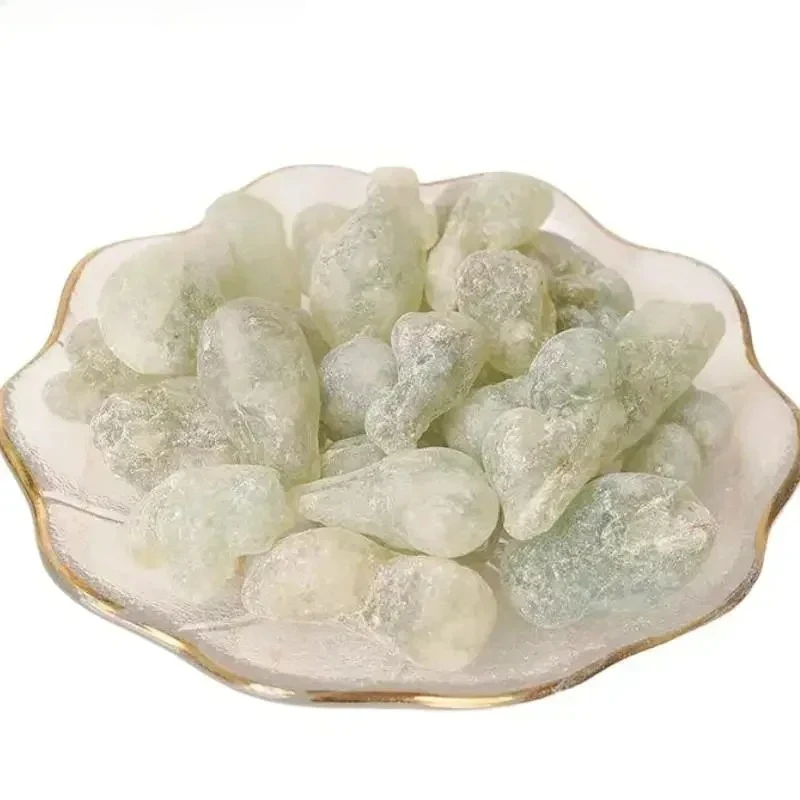
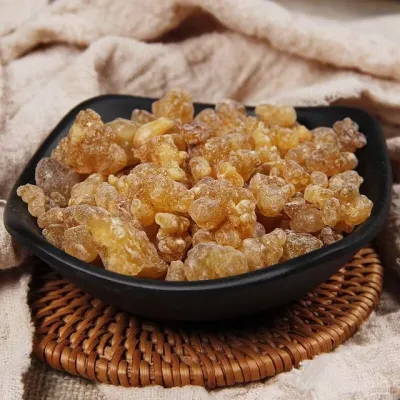
When purchasing raw resin, learning to identify quality indicators ensures you receive pure, unadulterated botanical material. For frankincense, look for distinct “tears” or pea-sized droplets. High-grade frankincense, such as Royal Hojari from Oman, features light green, translucent, or pale yellow tears with minimal dust. Lower-grade frankincense typically appears as darker amber or brown chunks and may contain pieces of tree bark.
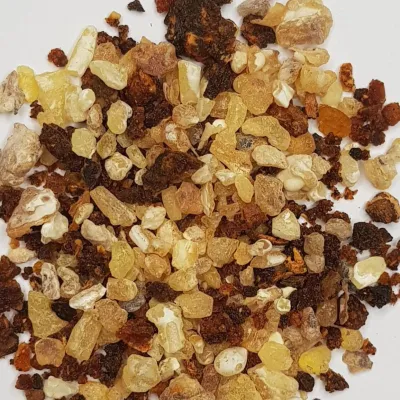
Myrrh resin naturally forms darker, irregular clumps rather than neat tears. High-quality myrrh should have a rich, reddish-brown to deep amber color with a slightly glossy or oily appearance when freshly broken. Avoid resins that are excessively dusty, chalky, or completely uniform in shape, as these may be highly processed, stale, or artificially scented with synthetic fragrance oils.
Properties and Traditional Uses
Both frankincense and myrrh have been revered for thousands of years across various cultures, particularly in the Middle East, East Africa, and Asia. While ancient civilizations valued them as highly as gold, modern users appreciate them for their ability to shift the mood and energy of a physical space.
Frankincense Atmosphere
Traditionally, frankincense has been associated with purification, mental clarity, and spiritual elevation. In many historical traditions, it was burned in temples and sacred spaces to clear away negative energy and prepare the mind for deep contemplation. Today, its bright and clarifying properties make it a favorite for modern workspaces, meditation corners, and yoga studios. The crisp, citrus-pine aroma helps clear mental fog, encourages deep, rhythmic breathing, and fosters a sense of focused alertness. It is the ideal companion for starting the day with a clear mind and an energized spirit.
Myrrh Atmosphere
In contrast, myrrh has historically been utilized for its grounding, comforting, and preserving qualities. Often associated with the earth element, myrrh was used in ancient embalming practices, cosmetics, and soothing ointments. When used as an ambient aromatic, myrrh creates an atmosphere of deep relaxation, emotional stability, and inner quiet. Its heavy, warm scent helps quiet an overactive mind, making it highly effective for evening wind-down routines, journaling, or preparing for restful sleep. It brings a sense of security and physical comfort to any space it fills.
Safety and Sensitivities
While burning natural resins is a wonderful way to scent your home, safety must always be your top priority. Raw resins release particulate matter and smoke when burned, which can irritate sensitive airways. Always ensure your room has adequate ventilation—cracking a window open to allow a gentle cross-breeze is highly recommended, especially in compact apartments or HDB flats in Singapore.
If you have asthma, respiratory conditions, or live with young children, elderly family members, or pets, exercise extreme caution. Cats and dogs have highly sensitive respiratory systems and olfactory senses; some compounds in natural resins and essential oils can be toxic to them. Keep all burning resins, hot charcoal, and electric heaters strictly out of reach of children and pets. Finally, remember that burning resin incense is intended solely for creating an aromatic and atmospheric environment; it should never be used as a substitute for professional medical treatment or therapy.
Best Use Cases for Home and Aromatherapy
To get the most out of your frankincense and myrrh, it helps to match their unique characteristics to specific times of day, rooms, and household scenarios.
When to Use Frankincense
- Morning Routines: Burn a small tear of frankincense alongside your morning coffee or tea to wake up your senses and set a positive, active tone for the day ahead.
- Home Office Focus: If you work from home, keeping an electric resin heater on a low setting with frankincense can help maintain concentration and ward off afternoon fatigue.
- Clearing Humid Air: In tropical or humid climates, indoor spaces can easily develop a musty, damp odor. The sharp, pine-like notes of frankincense are excellent for cutting through humidity and instantly freshening up living areas.
- Post-Cooking Refresh: After preparing meals with strong spices, garlic, or fish, burning a small amount of frankincense can neutralize heavy cooking odors far more effectively than synthetic sprays.
When to Use Myrrh
- Evening Relaxation: Transition from a busy workday to a peaceful evening by heating myrrh in your living room or bedroom an hour before sleep.
- Rainy Day Comfort: The deep, warm, and balsamic notes of myrrh are incredibly comforting during cool, rainy monsoon afternoons. It pairs beautifully with a warm cup of herbal tea and a good book.
- Bedtime Prep: Use a very small amount of myrrh on an electric heater set to a low temperature to fill your bedroom with a faint, soothing aroma that encourages deep rest.
- Cozy Reading Nooks: Create a dedicated sanctuary for quiet reflection, reading, or listening to music by scenting the area with the grounding, slow-burning aroma of myrrh.
Blending the Two
Because frankincense and myrrh complement each other so beautifully, blending them is a highly rewarding practice. Frankincense provides the bright, immediate top notes, while myrrh acts as a rich, slow-releasing base note that anchors the entire blend.
To create a balanced daytime blend, try a ratio of two parts frankincense to one part myrrh. This keeps the atmosphere bright and energizing while adding a subtle, grounding depth. For a relaxing evening blend, reverse the ratio to one part frankincense and two parts myrrh. This allows the comforting, earthy notes to dominate, with just a hint of citrusy brightness to keep the scent from feeling too heavy or stagnant. Experiment with different ratios to discover the perfect balance for your personal space.
How to Burn and Maintain Resin Incense Safely
Unlike standard incense sticks, raw resins do not contain any combustible wood powder or binders. To release their fragrance, they must be heated using an external heat source, which requires specialized equipment and careful handling.
Choosing the Right Burner
There are two primary methods for heating raw resin incense: traditional charcoal discs and modern electric resin heaters.
Charcoal Discs: This traditional method involves lighting a specially formulated charcoal tablet and placing it inside a heat-proof censer made of brass, ceramic, stone, or cast iron. The charcoal burns at an extremely high temperature, causing the resin placed on top of it to combust rapidly. While this produces a dramatic, dense cloud of highly fragrant smoke that is perfect for large spaces or outdoor rituals, it carries significant open-flame and high-heat risks. The censer itself can become hot enough to burn skin or damage wooden furniture, making a heat-resistant coaster or trivet absolutely mandatory.
Electric Resin Heaters: For most modern homes and apartments, electric resin heaters are a much safer and more practical choice. These devices utilize an adjustable metal heating plate to gently melt the resin without combustion. By eliminating the open flame and intense heat of charcoal, electric heaters produce significantly less smoke, allowing you to enjoy the pure, unburnt aroma of the essential oils. When shopping for an electric heater in Singapore, ensure the device is compatible with the local 230V/50Hz electrical system and, where applicable, carries relevant safety certifications to guarantee safe household operation.
Step-by-Step Burning Guide
To burn your resin safely and efficiently, follow these simple steps:
- Prepare the Burner: If using a traditional charcoal censer, fill the bottom with at least two to three centimeters of clean sand, dry ash, or salt. This layer insulates the burner and protects it from cracking under extreme heat. If using an electric heater, place a thin metal cup or a reusable mica plate directly onto the heating element to protect the metal surface from melting resin.
- Ignite the Heat Source: For charcoal, hold the disc with metal tongs and light the edge with a lighter. Once it begins to spark and crackle, place it onto your sand bed. Wait five to ten minutes until the entire disc is covered in a layer of fine grey ash, indicating it has reached a stable, even temperature. For electric heaters, plug in the device and set the temperature dial to approximately 180°C to 220°C.
- Add the Resin: Using tongs or a small spoon, place a single, pea-sized tear of resin directly onto the center of the hot charcoal or the electric heater's mica plate.
- Monitor the Smoke: Start with a very small amount. It is easy to add another small piece if you want a stronger fragrance, but overloading the burner will quickly fill your room with overwhelming, thick smoke that can trigger smoke detectors or cause respiratory discomfort.
Cleaning and Maintenance
Proper maintenance of your burner ensures safety, prevents unpleasant burnt odors during future uses, and extends the lifespan of your equipment.
- Residue Removal: After your heating session, allow the burner, charcoal, and resin to cool down completely. Once cooled, the melted resin will harden into a solid, brittle glass-like state. If you used a mica plate or metal cup on an electric heater, you can gently pop the hardened resin disk off the surface. If you burned the resin on charcoal, simply discard the spent charcoal disc and any resin-soaked sand once they are entirely cold to the touch.
- Burner Care: For electric heaters, wipe down the cooled heating plate with a soft cloth dipped in a small amount of rubbing alcohol to remove any sticky residue or oils. Never submerge an electric burner in water or expose its electrical components to moisture.
- Safety Boundary: Avoid using sharp metal knives, screwdrivers, or abrasive wire brushes to scrape hardened resin off delicate burner plates or ceramic censers. Doing so can scratch the protective coatings, damage electrical heating elements, or weaken the structural integrity of the burner, creating significant safety hazards during subsequent uses.
Frequently Asked Questions (FAQ)
Can I burn frankincense and myrrh together?
Yes, frankincense and myrrh can be burned together, and they complement each other exceptionally well. Combining them creates a balanced, multi-layered aromatic experience where the bright, uplifting citrus notes of frankincense blend harmoniously with the deep, grounding warmth of myrrh. A classic starting ratio is two parts frankincense to one part myrrh for a brighter, daytime atmosphere. You can easily adjust this ratio based on your personal preference and the time of day.
Is burning resin incense safe for indoor use in apartments?
Burning resin incense is safe for indoor use in apartments, provided you take proper precautions. Because raw resins can produce dense smoke, it is crucial to ensure good cross-ventilation by cracking open windows. To minimize smoke and combustion byproducts in smaller, enclosed spaces, consider using an electric resin heater instead of traditional charcoal discs. This allows you to enjoy the pure fragrance of the resins with minimal smoke.
How should I store raw frankincense and myrrh resins?
To preserve their volatile essential oils and prevent them from losing their fragrance, store raw frankincense and myrrh resins in airtight glass or metal containers. Keep these containers in a cool, dry, and dark place, such as a cupboard or drawer, away from direct sunlight, high humidity, and heat sources. When stored correctly, high-quality raw resins can retain their aromatic properties for many years without degrading.
Community discussion
Share your experience or ask a question. Comments are reviewed before publication.