
Selecting a grow light for plant cultivation involves balancing the biological needs of your indoor garden with the practical realities of energy consumption and household comfort. Different light-emitting diode (LED) technologies—specifically full-spectrum, red-blue (often called “blurple”), and standard white LEDs—offer distinct trade-offs in spectral quality, electrical efficiency, and visual appeal. Understanding how these systems interact with plant photoreceptors and your utility bill is key to establishing a sustainable indoor garden.
In Singapore’s high-rise apartments, where natural sunlight may be blocked by neighboring buildings, indoor growers often rely on artificial lighting to sustain their plants. Managing the tropical humidity alongside the heat generated by continuous lighting is a key consideration for local indoor gardeners. By evaluating the spectral output, energy metrics, and physical installation requirements of each LED type, you can select a lighting setup that maximizes plant health while keeping electricity costs manageable.
Understanding the Core LED Technologies
To choose the right grow light for plant cultivation, it is essential to understand how different LED systems generate and distribute light. Plants do not perceive light the same way humans do; they utilize specific wavelengths within the electromagnetic spectrum to drive photosynthesis and regulate growth phases. Modern LED fixtures are engineered to target these wavelengths using different diode configurations.
Products mentioned in this guide
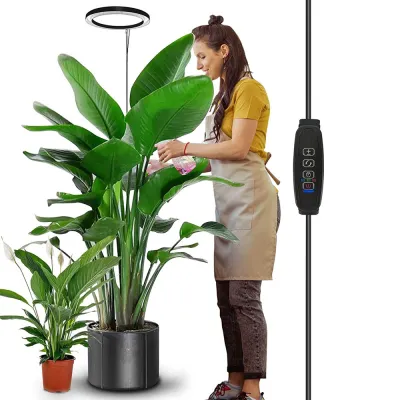
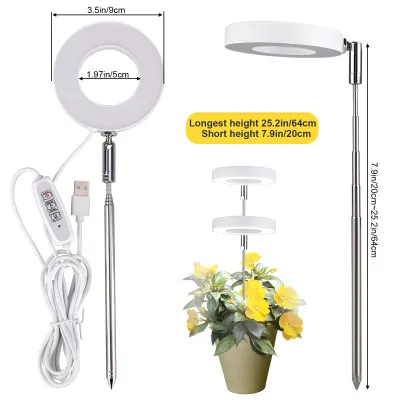
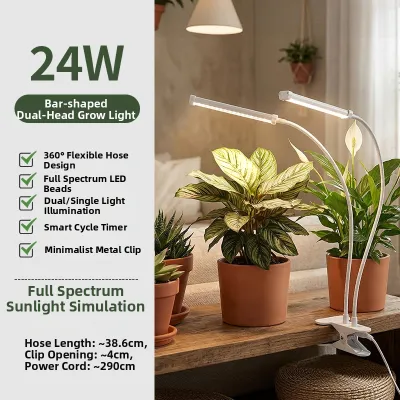
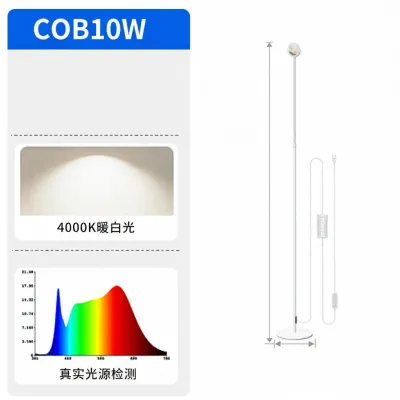
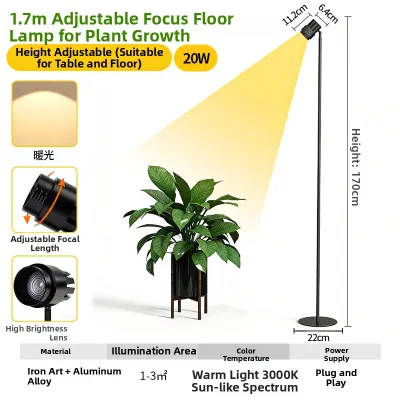
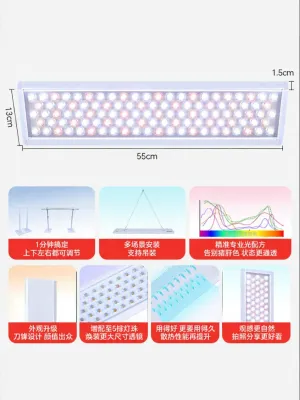
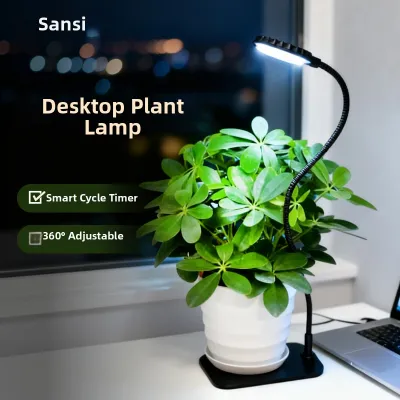
Prices are valid at publication and may change. Please refer to the product page for the latest price.
Full-spectrum LEDs are designed to simulate natural sunlight across the entire visible range, typically spanning from 400 to 700 nanometers. This range is commonly referred to as Photosynthetically Active Radiation (PAR). By utilizing a broad spectrum that includes blue, green, yellow, and red wavelengths, full-spectrum fixtures provide a balanced light source that supports plants through all stages of development, from seedling propagation to flowering and fruiting.
Red-blue LEDs, frequently recognized by their distinct pink or purple glow, represent an older approach to indoor agricultural lighting. These fixtures focus almost exclusively on the primary absorption peaks of chlorophyll A and B, which lie in the blue (around 430 to 450 nanometers) and red (around 640 to 660 nanometers) wavelengths. By omitting other parts of the spectrum, red-blue lights target the specific biological triggers for vegetative growth and flowering, though they offer a highly unnatural visual environment for human observers.
White LEDs are typically constructed using blue LED chips coated with a phosphor layer. This phosphor coating converts a portion of the high-energy blue light into green, yellow, and red wavelengths, resulting in a broad white light that is highly comfortable for the human eye. While not originally engineered for agriculture, high-quality white LEDs provide a balanced spectrum that can effectively support supplemental plant growth in shared living spaces.
Comparing Energy Efficiency and Power Consumption
Evaluating the energy efficiency of a grow light for plant cultivation requires looking beyond standard household electrical metrics. While general lighting is measured in lumens (which reflect human visual sensitivity), agricultural lighting relies on photosynthetic metrics to determine true efficiency and performance.

When reviewing product specifications, the core metric to check is the Photosynthetic Photon Flux per Watt (PPF/W), also expressed as micromoles per joule (μmol/J). This value indicates how many photosynthetic photons the fixture produces for every watt of electricity consumed. A higher PPF/W rating means the light is more efficient at converting electrical energy into usable light for plant growth.
Historically, red-blue LEDs held a significant electrical-to-optical conversion advantage because they bypassed the energy losses associated with phosphor conversion. However, modern manufacturing and packaging advancements have allowed full-spectrum and white LEDs to close this efficiency gap. High-performance full-spectrum diodes now offer comparable, and sometimes superior, efficacy ratings due to improved driver designs and advanced phosphor chemistry.
To estimate the running costs of any grow light setup, you can use a straightforward conditional formula based on your local utility rates. First, identify the actual drawn wattage of the fixture from the product label, as marketing materials often list an “equivalent wattage” that does not reflect true power consumption. Use the following calculation to estimate your expenses:
Daily Running Cost (S$) = (Actual Drawn Wattage in Watts × Daily Operating Hours / 1000) × Local Electricity Tariff in S$ per kWh
By calculating this cost beforehand, you can plan your indoor garden budget and avoid unexpected increases in your monthly utility bills.
Evaluating Plant Growth Results and Yield Potential
Different plant species and growth stages require varying light spectrums to achieve optimal development. Matching the spectral output of your LED fixture to your plants’ specific growth phases is critical for maximizing yield and maintaining structural integrity.
During the vegetative stage, plants require a higher proportion of blue light to promote thick stems, compact node spacing, and robust leaf development. Blue light suppresses elongation, preventing plants from becoming tall and spindly. As plants transition to the flowering or fruiting stage, their demand shifts toward red wavelengths, which trigger the hormonal responses necessary for bud initiation, flower expansion, and fruit development.
Full-spectrum and white LEDs offer distinct advantages in promoting photomorphogenesis—the way light controls plant structure and development. The inclusion of green and yellow wavelengths in these broad-spectrum lights allows light to penetrate deeper into the plant canopy. While upper leaves absorb most of the blue and red light, green light passes through to the lower foliage, driving photosynthesis throughout the entire plant and encouraging the accumulation of secondary metabolites, which can enhance plant aroma and flavor.
In contrast, red-blue LEDs remain highly applicable in specialized, high-density vertical farming setups. When growing leafy greens like lettuce or spinach in enclosed racks, a targeted red-blue spectrum can maximize biomass production with minimal energy waste. Because these setups are optimized solely for yield and do not require human aesthetic appeal, the harsh visual environment of red-blue light is a minor trade-off for targeted photosynthetic delivery.
Heat Output, Lifespan, and Installation Considerations
While LEDs are significantly cooler than traditional high-intensity discharge (HID) or fluorescent lights, they still generate heat that must be managed to protect both the plants and the lighting equipment.
LED fixtures generate heat at the back of the diode chip rather than radiating it forward in the light beam. Effective thermal management, such as robust aluminum heatsinks or passive cooling fins, is essential to dissipate this heat. If a fixture lacks adequate cooling, the junction temperature of the diodes will rise, leading to rapid degradation of the light output and a shortened overall lifespan. Furthermore, excess heat accumulating at the canopy level can stress plants, accelerate soil evaporation, and cause leaf margins to curl or burn.
Before purchasing and installing any grow light, you must verify several critical electrical and physical specifications to ensure compatibility and safety:
- Voltage Compatibility: Ensure the fixture matches local electrical standards (typically 230V AC, 50Hz in Singapore).
- Base and Interface Type: Verify if the bulb uses a standard screw base (such as E27) or requires a specialized pin connection or dedicated fixture.
- Wattage Limits: Check that your existing light sockets or power strips do not exceed their rated maximum wattage capacities.
- Dimming Method: If the fixture is dimmable, confirm whether it requires a specific digital or analog dimmer control.
- Installation Environment: Assess the physical dimensions of the light to ensure it fits within your designated growing space without crowding the plants.
Operating grow lights in humid environments, such as indoor greenhouses, hydroponic setups, or enclosed grow tents, introduces additional safety considerations. Always check the product’s Ingress Protection (IP) rating; a rating of IP65 or higher indicates the fixture is protected against dust and water splashes, making it suitable for damp growing conditions. Additionally, look for recognized safety certification marks to ensure the product complies with national electrical safety standards.
For any installation involving fixed electrical wiring, work at height, or suspended heavy loads, safety boundaries must be strictly observed. Always isolate the power supply at the main circuit breaker before handling electrical connections. Follow the manufacturer’s mounting and weight-distribution instructions precisely, and consult a qualified licensed electrician to handle complex wiring or structural installations to prevent electrical hazards or physical accidents.
How to Choose the Right Grow Light for Your Setup
Selecting the ideal grow light depends on your specific growing environment, the types of plants you cultivate, and how the lighting fits into your daily living space.
Choose full-spectrum LEDs if you are growing a diverse variety of plants—such as herbs, flowering ornamentals, and small vegetables—through their entire life cycles. Full-spectrum light is also highly recommended if your indoor garden is located in a shared living area, kitchen, or study, as the natural white light is comfortable to live around. Additionally, the balanced spectrum allows you to inspect your plants accurately, making it much easier to spot early signs of pests, mold, or nutrient deficiencies.
Choose red-blue LEDs if your primary focus is maximizing the yield of leafy greens or starting seeds in a dedicated, enclosed utility room or grow tent. If human visual comfort is not a priority and you want to target photosynthetic pathways directly for rapid vegetative growth, these fixtures can offer a highly focused solution.
Choose white LEDs if you need to balance indoor aesthetic lighting with supplemental growth support for common, low-to-medium light houseplants like pothos, snake plants, or peace lilies. Standard white LED bulbs or decorative fixtures can blend seamlessly with your home decor while providing enough supplemental light to keep your plants healthy in dimly lit corners.
Before finalizing your setup, verify whether your existing light fixtures have specific socket limits or circuit load restrictions, especially if you plan to run multiple high-wattage lights simultaneously. Additionally, research the photoperiod requirements of your specific plant species, as some plants require precise periods of uninterrupted darkness to transition to flowering, which may necessitate the use of an automatic plug-in timer.
Frequently Asked Questions (FAQ)
Can I use regular white LED bulbs instead of specialized grow lights?
Standard household white LED bulbs can sustain low-light houseplants or assist with early seedling propagation, but they are generally not suitable for intensive plant cultivation. These standard bulbs are designed for human visual comfort and typically lack the concentrated red and blue spectral peaks required to drive robust photosynthesis. Furthermore, their light intensity drops off rapidly over short distances, meaning they cannot provide the canopy penetration needed to support flowering, fruiting, or dense foliage growth.
How far should I place the LED grow light from the plant canopy?
The optimal distance between your LED grow light and the plant canopy depends on the fixture’s power output and the growth stage of your plants. Because light intensity decreases exponentially with distance, placing a light too close can cause leaf bleaching or heat stress, while placing it too far can cause plants to stretch and become weak. To find the correct balance, consult the manufacturer’s recommended photosynthetic photon flux density (PPFD) coverage maps, adjust the hanging height as your plants grow, and monitor the leaves daily for any signs of light sensitivity or stretching.
Community discussion
Share your experience or ask a question. Comments are reviewed before publication.