
Selecting the right garden lights involves more than choosing a style that complements your landscape. Because outdoor fixtures are constantly exposed to the elements, their survival depends on how well they resist water and debris. In Singapore’s tropical climate, where sudden, heavy monsoon downpours and high humidity are the norm, understanding Ingress Protection (IP) ratings is essential to prevent premature electrical failures and safety hazards.
For general garden lights fully exposed to the elements, a minimum rating of IP65 is highly recommended to withstand heavy rain and routine garden watering. If you are installing lights in highly sheltered areas like covered patios, an IP44 or IP54 rating is generally sufficient. For specialized applications like submerged pond lighting, you must look for a dedicated IP68 rating to ensure safety and long-term performance.
Understanding IP Ratings for Garden Lights
The IP rating system is an international standard that classifies the degree of protection provided against the intrusion of solid objects and liquids. This rating is always expressed as “IP” followed by two digits, each representing a specific type of protection. Understanding what these numbers mean allows you to evaluate whether a fixture can withstand your specific garden environment.
Products mentioned in this guide
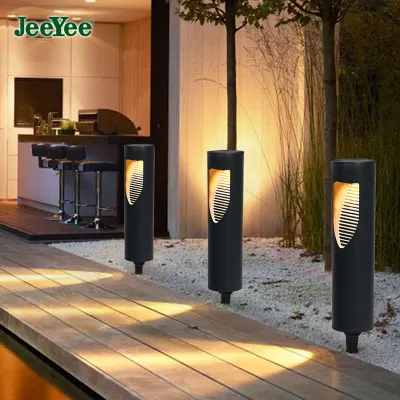
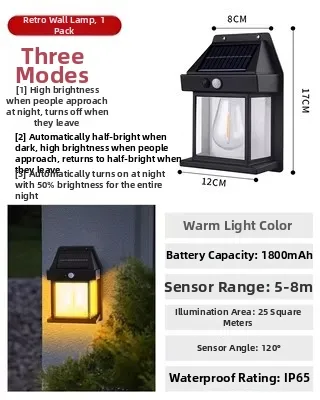
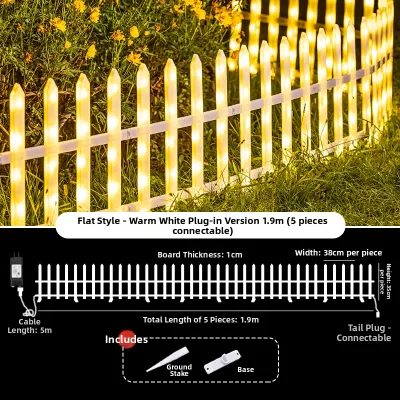
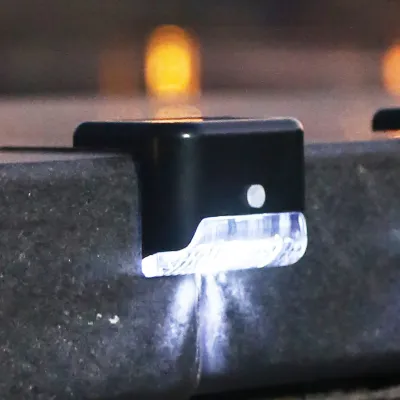
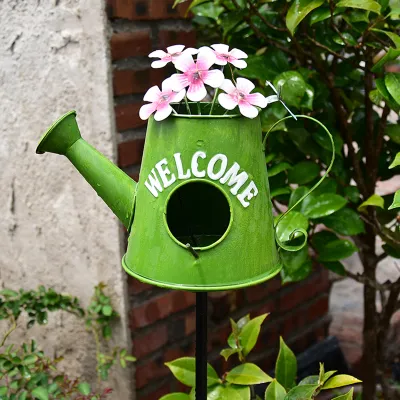
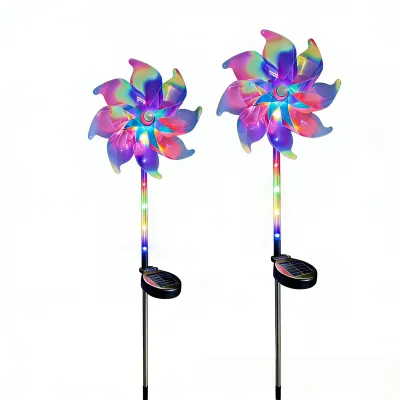
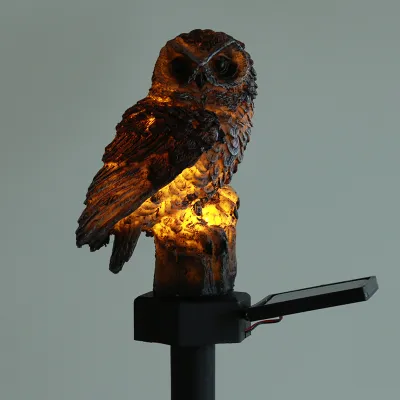
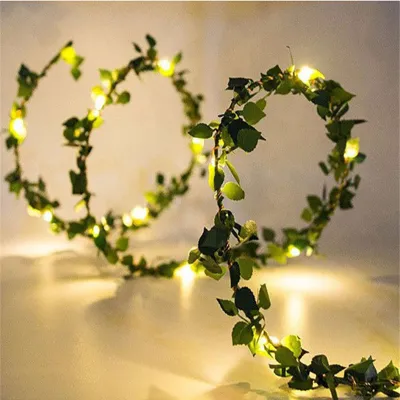
Prices are valid at publication and may change. Please refer to the product page for the latest price.
The first digit, ranging from 0 to 6, indicates protection against solid objects, including fingers, dust, dirt, and insects. In a garden setting, a high first digit is crucial for preventing fine soil, sand, or nesting insects from entering the fixture housing. When debris accumulates inside a light, it can trap heat, degrade the electrical contacts, and ultimately cause a short circuit or reduce the light output. For most outdoor applications, a solid protection rating of 5 or 6 is standard.
The second digit, ranging from 0 to 9, measures protection against liquids. This is the primary concern for outdoor lighting in tropical regions. It indicates how well the fixture’s seals can prevent water from penetrating the electrical compartment under various conditions, such as light condensation, splashing water, or high-pressure jets. Because water is highly conductive, any ingress can instantly trip your home’s residual current circuit breaker (RCCB) or permanently damage the light.
It is important to remember that IP ratings are determined under controlled laboratory conditions using brand-new fixtures. In the real world, the longevity of this protection depends heavily on proper installation, the quality of the seals, and regular maintenance. Over time, exposure to intense sunlight and temperature fluctuations can degrade rubber gaskets, meaning a high rating on paper requires physical care to maintain.
Minimum IP Ratings for Different Garden Placements
Not every corner of your garden requires the highest level of waterproofing. Matching the IP rating to the specific exposure level of each zone helps you design a reliable lighting system without overspending on over-engineered fixtures.

Sheltered and Semi-Exposed Areas
Covered patios, deep eaves, carports, and pergolas offer significant protection from direct rainfall. For these sheltered zones, a minimum rating of IP44 or IP54 is typically adequate. These fixtures are designed to handle ambient humidity, condensation, and occasional wind-blown mist or light splashes.
An IP44 rating means the fixture is protected against solid objects larger than 1 millimetre and splashing water from any direction. IP54 steps this up by offering dust protection and resistance to splashes. While these lights are highly resilient against humidity, they should never be subjected to direct, driving rain, and you must avoid spraying them directly when washing down patio floors with a garden hose.
Fully Exposed Pathways and Lawns
Pathway bollards, garden spike lights, and wall-mounted uplights installed in open areas have no overhead protection. These fixtures must endure the full force of tropical downpours and wet soil conditions. For these exposed areas, you should look for a minimum of IP65 or IP66.
An IP65 rating certifies that the fixture is completely dust-tight and can withstand low-pressure water jets from any angle. This is particularly useful when cleaning your garden, as it allows the lights to tolerate casual overspray from a garden hose. IP66 ratings offer an even higher level of protection, certifying resistance to high-pressure water jets and heavy seas, making them ideal for areas prone to severe wind-driven rain. For the vast majority of residential gardens, IP65 or IP66 represents the ideal balance of robust weatherproofing and cost-effectiveness.
Submerged Water Features
Lighting up a garden pond, fountain, or pool requires the highest level of ingress protection. Standard outdoor lights will fail immediately if submerged. For any fixture placed in or directly adjacent to water features where flooding is possible, specialized ratings are mandatory.
An IP67 rating indicates that the fixture can withstand temporary submersion in water up to 1 meter deep for up to 30 minutes. This is suitable for ground lights installed in low-lying garden beds that might experience brief flooding during intense monsoonal downpours. For lights that will remain permanently underwater, such as those inside a fish pond or fountain, you must use IP68-rated fixtures.
Because IP68 ratings are open-ended, the exact depth and duration of submersion are specified by the manufacturer rather than a single universal standard. For example, a light might be rated IP68 for submersion up to 1.5 meters. Always verify the manufacturer’s exact depth limits on the product label before installation to ensure the fixture is safe for your specific water feature.
Other Crucial Specs Beyond the IP Rating
While water resistance is vital, a high IP rating alone does not guarantee that a garden light will survive the harsh outdoor environment. Several other specifications dictate the physical durability and electrical safety of your landscape lighting.
The IK rating measures a fixture’s resistance to mechanical impact on a scale from IK00 to IK10. Low-level pathway lights, ground-recessed uplights, and bollards are highly vulnerable to physical damage. They can easily be struck by lawnmowers, kicked by passersby, or hit by falling branches. Opting for fixtures with an IK08 or IK10 rating ensures the housing can absorb these impacts without cracking, which would otherwise compromise the waterproof seals.
The materials used in the fixture’s construction determine how well it resists corrosion and UV degradation. Singapore’s high humidity and intense sunlight can rapidly break down low-quality materials. Look for marine-grade 316 stainless steel, powder-coated copper, or UV-stabilized polycarbonates. Avoid cheap, untreated plastics, which quickly become brittle, fade, and crack under UV exposure, destroying the light’s physical integrity and safety.
Electrical safety is another paramount consideration when routing power through a wet garden. Standard mains voltage (230V) carries a higher risk of severe shock if a cable is accidentally severed or water penetrates a connection. Low-voltage systems (12V or 24V) are highly recommended for residential gardens because they are inherently safer and allow for easier cable routing. However, low-voltage systems require an outdoor-rated transformer to step down the power, and all cable connections must be sealed with gel-filled connectors.
Before starting any installation or maintenance, always isolate the power supply at the main distribution board. Any fixed 230V electrical wiring must be installed by a licensed electrician to comply with local safety standards and building codes. Always consult the manufacturer’s instructions to verify voltage compatibility, wattage limits, base types, and specific environmental certifications before finalizing your layout.
Frequently Asked Questions (FAQ)
Can I use indoor lights outside if they are under a covered patio?
Even under a solid roof, outdoor environments experience high ambient humidity, rapid temperature changes, and wind-blown dust. Indoor lights, typically rated at IP20, lack the rubber seals and corrosion-resistant coatings needed to handle these conditions. Over time, moisture will condense inside the fixture, leading to rusted contacts, short circuits, and potential shock hazards. Always use fixtures specifically rated for outdoor damp or wet locations.
Does a higher IP rating guarantee a longer lifespan?
A higher IP rating only guarantees that a fixture is better sealed against dust and water under laboratory test conditions. It does not protect the light from other common causes of failure, such as UV degradation of the plastic lens, corrosion of low-grade metal housing, thermal stress on the LEDs, or electrical surges. A long-lasting garden light requires a combination of a suitable IP rating, high-quality construction materials, and reliable thermal management.
Community discussion
Share your experience or ask a question. Comments are reviewed before publication.