
No single chair pad material stays permanently cold; cooling effectiveness depends on the interaction between heat conduction, breathability, and your room’s ambient temperature. While gel offers an immediate cool touch, bamboo provides structural airflow, and cooling fabric focuses on moisture management. This guide compares the physical mechanisms, comfort trade-offs, and environmental dependencies of these three materials to help you select the right cooling chair pad for your specific seating setup.
When you sit on any cushion, your body transfers heat to the surface. Without a way to dissipate this energy, the temperature of the seat rises until it matches your body temperature, creating a warm, uncomfortable microclimate. Understanding how different materials handle this heat transfer is the key to finding a solution that works for your daily routine, whether you are working from a home office or sitting for long hours at a dining table.
By examining the physical properties of gel, bamboo, and cooling fabrics, you can make an informed decision based on your environment. Each material addresses the problem of heat retention through a different scientific principle, meaning the most suitable option depends entirely on how and where you plan to use it.
Products mentioned in this guide
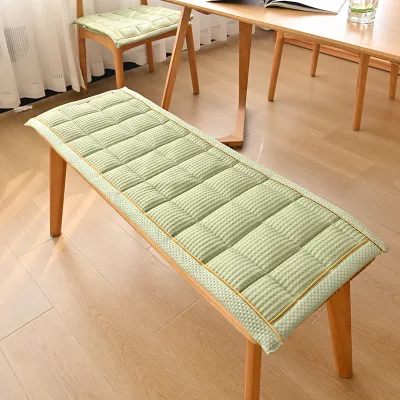
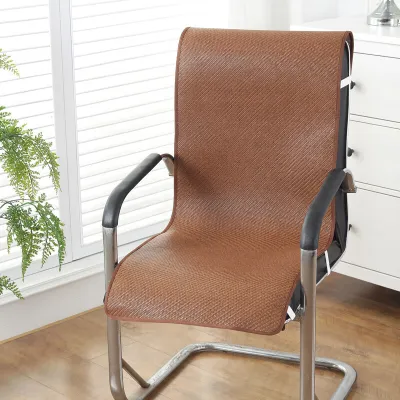
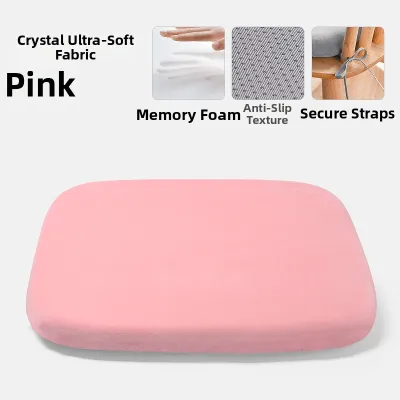
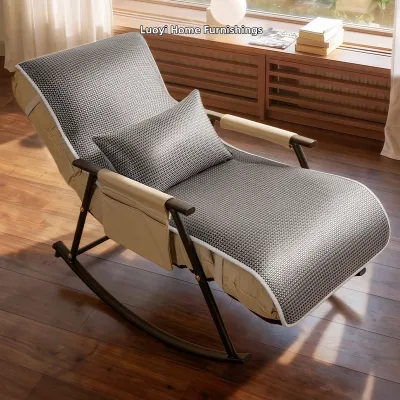
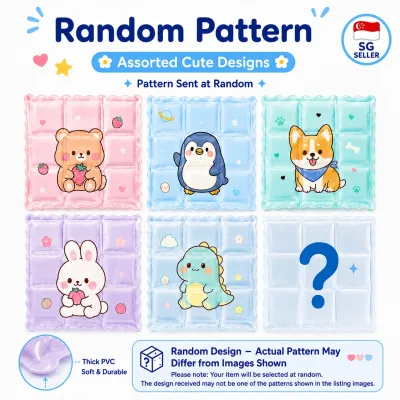
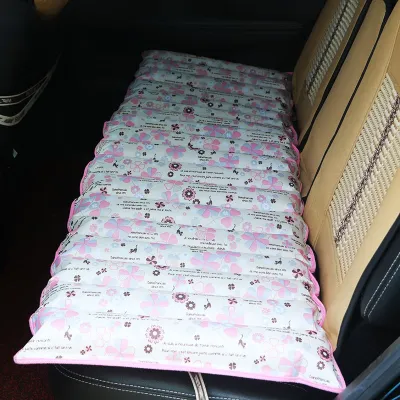
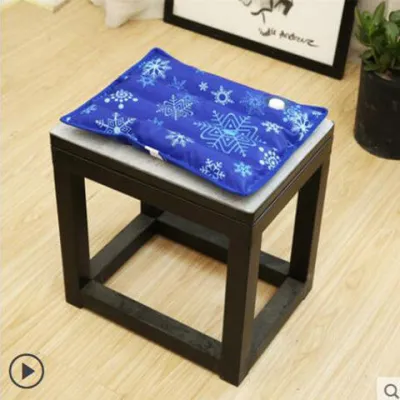
Prices are valid at publication and may change. Please refer to the product page for the latest price.
How Cooling Chair Pad Materials Actually Work
Passive cooling in chair pads relies on basic thermodynamic principles rather than active refrigeration. To understand how these products function, you must first distinguish between heat conduction and breathability. Heat conduction is the process by which a material absorbs and moves heat away from your body, while breathability refers to the material’s ability to let air and moisture flow freely through its structure.
Materials with high thermal conductivity, such as certain gels, act as heat sinks. When you first sit down, they rapidly draw heat away from your skin, creating an immediate sensation of coldness. However, this process is finite; once the material absorbs enough heat to match your body temperature, the initial cooling sensation fades unless the heat can be dissipated into the surrounding air.
This is where breathability and air circulation become critical. Natural materials like bamboo and synthetic 3D mesh do not necessarily feel cold to the touch initially, but they excel at allowing air to circulate. This continuous airflow carries away the warm, humid air generated by your body, preventing the buildup of moisture and maintaining a neutral temperature over extended periods.
Ultimately, no passive cooling material can stay cold indefinitely in a warm, stagnant room. The performance of any cooling chair pad is heavily dependent on the ambient room temperature and the presence of moving air, such as from a fan or an air conditioning unit. Without these environmental factors to help reset the pad’s thermal capacity, any material will eventually warm up under continuous body contact.
Gel Pads: Heat Absorption and Comfort Trade-offs
Gel chair pads are popular for their distinct, immediate cool-to-the-touch sensation. These pads typically use solid gel, liquid-infused gel, or a honeycomb gel structure designed to absorb and distribute body heat. When you first sit down, the gel quickly conducts heat away from your skin, providing rapid relief in warm weather.

However, this rapid heat absorption comes with a significant trade-off during extended sitting sessions. Because gel is a dense material, it has a high thermal mass, meaning it can hold a large amount of heat but takes a long time to release it. Once the gel reaches thermal equilibrium with your body—usually within an hour of continuous contact—it can begin to trap heat, making the seat feel warm and potentially sweaty if the pad lacks adequate ventilation.
Physical weight and portability are also important considerations when choosing a gel pad. Thicker, solid gel cushions provide excellent pressure relief and support, but they are heavy and less flexible than other options. This makes them less suitable if you need to carry your cushion between your office, car, and home frequently.
Before purchasing a gel cushion, it is essential to check the manufacturer’s specifications. Look for weight limits to ensure the gel will not bottom out under your weight, and inspect the cover material. A breathable, non-slip mesh cover is highly recommended, as it helps protect the gel from damage while allowing some airflow to mitigate the heat saturation effect.
Bamboo and Woven Mats: Airflow and Firm Support
Bamboo and woven mats offer a traditional, highly effective approach to cooling that relies on structural ventilation rather than material heat absorption. These pads are typically constructed from small bamboo slats, beads, or woven natural fibers linked together with durable cords. This design creates physical air gaps between the slats, allowing air to flow freely beneath you.
The primary advantage of bamboo is its ability to facilitate continuous heat dissipation. Because your body is not in continuous contact with a solid, insulating surface, moisture does not accumulate, and heat is constantly carried away by ambient air currents. This makes bamboo exceptionally reliable in humid climates where sweat accumulation is a major source of discomfort.
However, bamboo pads provide a very firm seating surface, which may not appeal to everyone. Unlike foam or gel, bamboo does not contour to your body, meaning it offers minimal pressure relief for your tailbone or hips. If you prefer a soft, plush seat, a rigid bamboo mat may feel uncomfortable during long working hours.
Additionally, bamboo mats can sometimes slide on smooth chair surfaces, such as polished wood or leather. To prevent this, look for mats that feature a textured, non-slip backing or integrated tie-down straps. When shopping, closely inspect the finishing quality, edge binding, and surface smoothness of the bamboo to ensure there are no rough edges or splinters that could snag your clothing or irritate your skin.
Cooling Fabric and Mesh: Flexibility and Breathability
Cooling fabrics and 3D mesh cushions represent a modern, high-tech solution to seating discomfort. These pads utilize specialized synthetic fibers, such as nylon or polyester blends, engineered to wick moisture away from the skin rapidly. By accelerating sweat evaporation, these fabrics create a natural cooling effect that helps regulate your body temperature.
Many of these cushions feature a 3D spacer mesh structure, which consists of two layers of fabric separated by a vertical micro-filament layer. This open-weave design creates a highly breathable chamber of air directly beneath you. As you move, the compression and expansion of the mesh act like a miniature bellows, actively pumping warm air out and drawing cooler air in.
One of the greatest benefits of cooling fabric and mesh pads is their flexibility and lightweight nature. They can easily conform to the contours of almost any chair, from ergonomic office seats to car buckets, and they roll or fold up compactly for storage or travel. This makes them an excellent choice for individuals who need a versatile, low-profile cooling solution.
When evaluating fabric-based cushions, it is important to verify the fabric composition and stretch recovery on the product label. High-quality mesh should retain its shape and springiness even after months of daily use. Additionally, check the washing instructions; many fabric covers are machine washable, but the inner core may require hand washing or spot cleaning to maintain its structural integrity.
How to Choose the Right Cooling Chair Pad for Your Space
Selecting the right cooling chair pad requires matching the material’s physical properties to your specific room environment, seating habits, and comfort preferences. Because each material excels in different conditions, a conditional decision framework can help you narrow down your choices.
Choose a gel pad if you primarily sit in an air-conditioned room and prioritize an immediate, cold sensation for shorter, intermittent sitting periods. The air conditioning will help keep the ambient temperature low, allowing the gel to shed its absorbed heat quickly when you stand up, ensuring it is refreshed for your next sitting session.
Choose a bamboo or woven mat if you sit in a non-air-conditioned or naturally ventilated space, such as a room with open windows or a ceiling fan. The high airflow design of bamboo works exceptionally well with natural breezes to dissipate heat and prevent sweat buildup, making it ideal for warm, humid environments where firm, structured support is preferred.
Choose a cooling fabric or 3D mesh pad if you require a flexible, lightweight cushion for long, uninterrupted hours of sitting and prioritize moisture management over a cold surface feel. This option is highly suited for office workers who need consistent, pressure-relieving comfort without the risk of heat trapping or sweating over an eight-hour workday.
Before making a final purchase, use this verification checklist to ensure compatibility with your seating setup:
- Measure your chair's seat dimensions (width and depth) to ensure the pad fits securely without hanging over the edges.
- Check for tie-down strap compatibility, especially if your chair has a solid backrest that cannot accommodate standard wrap-around straps.
- Confirm the cushion thickness requirements; a very thick pad may raise your seating height significantly, requiring you to adjust your desk, armrests, or monitor height to maintain proper ergonomics.
Cleaning, Maintenance, and When to Replace
Proper maintenance is essential to prolong the lifespan of your cooling chair pad and protect your furniture from damage. Because different materials react differently to moisture, friction, and heat, always consult the manufacturer’s care label before attempting any deep cleaning.
For gel pads, cleaning is generally straightforward but requires care. Most gel cushions cannot be submerged in water or machine washed, as this can damage the protective casing or degrade the gel structure. Instead, remove the outer cover for washing and gently wipe the inner gel core with a damp cloth and mild soap, allowing it to air dry completely in a shaded area.
Never expose gel pads to direct sunlight or high heat sources, such as radiators or hot cars, as extreme heat can cause the gel to break down, lose its shape, or even leak. For bamboo mats, regular maintenance involves wiping the surface with a damp cloth to remove dust and body oils. Avoid using harsh chemical cleaners or soaking the wood, which can strip the protective finish and lead to cracking.
Knowing when to replace your chair pad is crucial for maintaining comfort and safety. You should stop using your pad immediately if you notice signs of structural failure. For gel pads, this includes any punctures, tears, or leaking gel, which can ruin your chair’s upholstery. For bamboo, look out for cracked slats, broken connecting cords, or splinters. For fabric and mesh pads, replace the cushion if the mesh becomes permanently flattened, frayed, or loses its supportive elasticity.
Frequently Asked Questions (FAQ)
Do cooling chair pads work without air conditioning?
Yes, but their performance depends heavily on air circulation. In a room without air conditioning, a gel pad will quickly absorb your body heat but will struggle to release it, eventually warming up to match your body temperature. In contrast, bamboo mats and 3D mesh pads are highly effective in non-air-conditioned spaces because they rely on physical air gaps and ventilation. When paired with a ceiling fan or an open window, these materials allow natural air currents to carry away heat and moisture, keeping you comfortable without active refrigeration.
How do I keep a cooling chair pad from sliding off my chair?
To prevent your cooling pad from sliding, look for products that feature a built-in non-slip rubberized or textured backing, which grips the seat surface without causing damage. If your pad does not have a non-slip base, choose a model equipped with adjustable tie-down straps or buckles that secure around the backrest or under the seat. For smooth leather or polished wooden chairs, you can also place a small piece of non-slip rug underlayment beneath the cushion to keep it firmly in place during daily use.

Community discussion
Share your experience or ask a question. Comments are reviewed before publication.