
When temperatures rise and humidity levels soar, sitting at an office desk or driving for hours can quickly become an uncomfortable, sweaty experience. Many people turn to cooling seat cushions to solve this problem, only to find that some options trap heat just as badly as a standard chair. The truth is that no passive seat cushion can actively generate cold air or lower the ambient temperature of your room. Instead, these cushions rely on material science to manage heat through heat absorption, breathability, and moisture dissipation.
The ideal material for your needs depends entirely on how you sit and what type of cooling you require. Gel cushions offer a highly noticeable, immediate cool-to-the-touch sensation that is perfect for short-to-medium seating sessions. Bamboo cushions do not feel cold initially, but their superior surface breathability and natural airflow make them exceptionally good at preventing moisture buildup over long hours. Cooling memory foam provides unmatched ergonomic support and pressure relief, but it relies heavily on advanced additives like gel infusions or open-cell designs to counteract its natural tendency to trap body heat.
To make the right choice, you must weigh these cooling mechanisms against your physical comfort requirements and the environment in which you will use the cushion. A cushion that stays cold but causes tailbone pain is just as useless as a highly supportive cushion that leaves you drenched in sweat. Understanding how gel, bamboo, and memory foam perform across cooling, support, and durability is the key to finding long-term relief.
Products mentioned in this guide
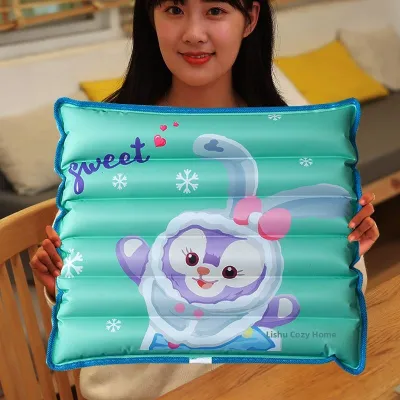
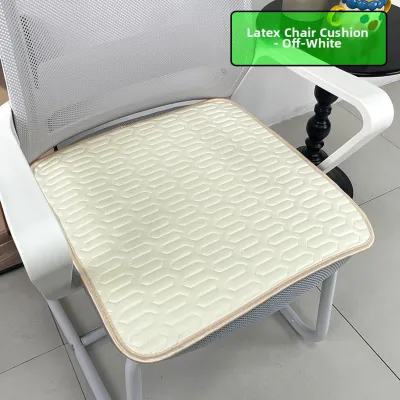
Prices are valid at publication and may change. Please refer to the product page for the latest price.
Cooling Performance: How Gel, Bamboo, and Memory Foam Manage Heat
Comparing the thermal properties of these materials reveals distinct differences in how they regulate temperature and handle body heat. While one material might absorb heat rapidly, another might focus entirely on allowing heat to escape through constant air circulation.
Gel Cushions: Solid Grids vs. Gel-Infused Foam
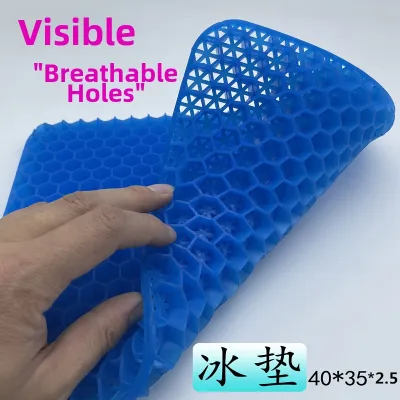
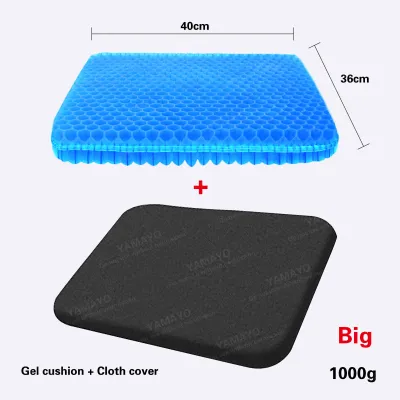
Solid gel grids, typically manufactured from thermoplastic elastomers (TPE), operate on the principle of high thermal conductivity. When you first sit down, the gel absorbs heat from your body rapidly, creating an instant sensation of coolness. Because these cushions are molded into hollow, open-grid structures, they also facilitate passive airflow through the columns, allowing some of the absorbed heat to escape rather than remaining trapped directly beneath you.
However, solid gel has a physical limit to how much heat it can absorb. Once the material reaches thermal equilibrium with your body temperature—usually after an hour of continuous sitting—the initial cooling sensation will fade. If the grid is too thick or lacks adequate open-air channels, the solid material can eventually begin to retain your body heat, making it feel warm over extended periods.
Gel-infused foam represents a different design approach, where tiny gel beads or liquid gel layers are mixed into a polyurethane foam base. While the gel particles help draw initial heat away from your skin, the surrounding foam still acts as an insulator. The overall breathability of a gel-infused cushion is heavily dictated by the structure of the foam itself, meaning it rarely matches the immediate cooling performance of a pure, solid TPE gel grid.
Bamboo: Surface Breathability and Airflow
Bamboo cushions do not rely on thermal conduction to feel cold; instead, they excel at continuous heat dissipation through maximum ventilation. Woven bamboo mats or segmented bamboo blocks create a physical barrier between your body and the solid seat, allowing air to circulate freely beneath you. This constant airflow prevents the accumulation of body heat and stops warm air from becoming trapped against your skin.
In highly humid environments, such as a tropical summer or a non-air-conditioned office in Singapore, bamboo is particularly effective because of its natural moisture-wicking properties. Rather than absorbing sweat into a core material where it can breed bacteria, bamboo allows moisture to evaporate rapidly. This prevents the uncomfortable, sticky sensation that often occurs when sitting on synthetic fabrics or solid foams.
When choosing a bamboo cushion, it is important to inspect the weave density and the spacing between the bamboo segments. Wider gaps generally allow for better airflow, but they can feel more uneven under your thighs. Additionally, checking the manufacturer’s label for moisture-resistant coatings is highly recommended to ensure the natural fibers do not degrade when exposed to sweat and humidity over time.
Memory Foam: Heat Retention vs. Cooling Technologies
Traditional memory foam is notorious for trapping heat due to its dense, closed-cell structure. The material contours to your body by reacting to your natural body heat and weight, which causes the cells to compress and seal off potential pathways for air. This tight seal creates an insulating barrier that traps heat directly under your pelvic region, often leading to a warm and uncomfortable seating surface within minutes.
To address this issue, manufacturers of “cooling” memory foam cushions employ several engineering modifications. The most common is an open-cell foam structure, which features tiny, interconnected pathways that allow air to move through the material more freely than in standard foam. Additionally, some high-end cushions incorporate phase-change materials (PCM) in their covers, which actively absorb, store, and release heat to maintain a more stable surface temperature.
Other common innovations include infusing the foam with highly conductive elements like graphite, copper, or gel beads to help draw heat away from the body. However, consumers should remain cautious, as “cooling” is frequently used as a generic marketing term. It is essential to look past the label and verify the specific technologies used—such as open-cell construction, ventilated channels, or specialized cover fabrics—to ensure the cushion will actually mitigate heat retention effectively.
Comfort and Ergonomics: Matching Support to Your Seating Needs
While temperature regulation is critical, a seat cushion must also provide the right level of physical support to prevent fatigue and discomfort during long hours of sitting. Each material offers a completely different tactile experience, ranging from highly responsive elasticity to rigid, posture-correcting firmness.

Gel
The physical sensation of sitting on a solid gel grid is often described as a responsive, “floating” support. Because TPE grids buckle under specific pressure points while remaining rigid elsewhere, they distribute your body weight evenly across the entire surface. This unique mechanical behavior prevents localized pressure peaks on your sit bones without causing you to sink deeply into the cushion.
This responsive support is highly beneficial for individuals who tend to fidget or shift positions frequently throughout the day. Unlike memory foam, which takes time to adjust to a new posture, a gel grid instantly adapts to your movements. This makes it an excellent choice for dynamic office environments or multi-use chairs where different people may sit at different times.
Bamboo
Bamboo cushions offer a firm, flat, and completely unyielding seating surface. Because natural bamboo cannot compress, these cushions do not provide any contouring or deep pressure relief. Instead, they act as a rigid structural layer that encourages you to maintain an upright, active posture, which can help prevent slouching and reduce lower back strain over time.
However, this lack of cushioning makes bamboo less suitable for individuals who suffer from acute tailbone pain, sciatica, or pressure sores. Sitting on a hard bamboo surface for consecutive hours can place significant stress on the coccyx and ischial tuberosities. If you require soft padding or targeted pressure relief, a bamboo mat is best used as a breathable overlay on top of an already padded chair rather than a standalone cushion.
Memory Foam
Memory foam remains the gold standard for deep, contouring pressure relief and ergonomic support. As the foam warms up from your body heat, it softens and molds precisely to the unique shape of your pelvic anatomy. This customized contouring maximizes the contact area between your body and the seat, dramatically reducing pressure on sensitive areas like the tailbone, hips, and lower back.
For individuals who sit still for long, static periods—such as software developers, writers, or long-distance drivers—memory foam provides the necessary cushioning to prevent numbness and discomfort. Many memory foam cushions also feature specialized ergonomic shapes, such as a U-shaped or W-shaped coccyx cutout, which suspends the tailbone to eliminate direct contact with the seat. To ensure you receive adequate support, always verify the foam’s density rating; low-density foams may bottom out completely under your weight, rendering the ergonomic design ineffective.
Durability and Care: Maintaining Your Cushion in Humid Climates
The longevity of your seat cushion is heavily influenced by how well its materials withstand daily wear and environmental conditions. In humid climates, moisture management becomes a primary factor in preventing material degradation, mold growth, and unpleasant odors.
Memory Foam
Memory foam is highly sensitive to environmental factors, particularly moisture and heat. In high-humidity climates, polyurethane foam can absorb ambient moisture from the air and sweat from your body, which gradually degrades the chemical bonds within the foam. Over time, this causes the cushion to lose its elasticity, leading to permanent sagging or flattening where you sit.
Furthermore, memory foam cores are highly susceptible to damage if exposed to direct sunlight or high heat, which can dry out the material and cause it to crumble. Because the foam core itself is rarely washable, cleaning is typically restricted to spot treating with a damp cloth. This makes a removable, machine-washable outer cover an absolute necessity to protect the inner foam from sweat, oils, and spills.
Gel Grids
Solid TPE gel grids are exceptionally durable and highly resistant to permanent deformation. Even after years of daily use, a high-quality gel cushion will snap back to its original shape immediately upon standing. They do not suffer from the gradual sagging or flattening that plagues memory foam, making them a highly cost-effective long-term investment.
However, the grid structure itself is vulnerable to physical tearing if it is subjected to sharp objects, extreme stretching, or improper folding. While the gel material is waterproof and can be easily rinsed clean under a tap, you must ensure it dries completely in a shaded area. Placing a wet gel cushion back into its cover can trap moisture, leading to mold growth within the fabric casing.
Bamboo
Natural bamboo is an incredibly tough material that can withstand heavy daily use without losing its shape or structural integrity. Unlike foams and gels, bamboo will not compress, tear, or sag over time. However, because it is an organic material, bamboo requires careful environmental maintenance, particularly in humid regions where mold and mildew can quickly colonize the porous wood fibers.
To prevent mold, bamboo cushions must be kept dry and allowed to air out regularly. If the cushion becomes wet from sweat or a spill, it should be wiped down immediately and placed in a well-ventilated, shaded area to dry. Many manufacturers apply moisture-resistant sealants or varnishes to the bamboo segments, so it is crucial to check the care label and avoid using harsh chemical cleaners that could strip away these protective coatings.
At a Glance: Comparing Gel, Memory Foam, and Bamboo Cushions
To help you quickly evaluate your options, the table below summarizes the key performance characteristics, support styles, and maintenance requirements of each material.
| Material | Primary Cooling Mechanism | Support Feel | Best Suited For | Maintenance Level |
|---|---|---|---|---|
| Gel Grids | High thermal conductivity & open-grid airflow | Responsive, elastic, "floating" support | Active sitters, moderate seating sessions, easy cleaning | Low (rinseable core, washable cover) |
| Bamboo | Natural ventilation & moisture-wicking | Rigid, firm, completely flat | Posture correction, high-humidity environments | Moderate (requires regular airing to prevent mold) |
| Cooling Memory Foam | Open-cell structure, PCM covers, or infusions | Deep contouring & customized pressure relief | Chronic pain relief, long static sitting, office chairs | High (spot-clean core only, requires protective cover) |
Note: Individual cushion performance will vary based on the manufacturer’s specific design, TPE grid density, foam density, and the breathability of the outer cover material.
Decision Guide: Which Cooling Seat Cushion Should You Choose?
Selecting the right seat cushion requires matching your personal comfort priorities with the specific environment where you will use it. Use the following framework to guide your purchasing decision:
- Choose Gel if… you prioritize an immediate cool-to-the-touch feel, need responsive support that doesn't trap heat, and prefer a cushion that is easy to rinse clean. This option is excellent for standard office chairs and users who shift positions frequently.
- Choose Bamboo if… you want maximum surface breathability, prefer a firm and flat seating surface, and want to avoid the "sinking" feeling of foam in a hot, humid climate. It is ideal for those who prioritize posture correction and want a highly durable, natural material.
- Choose Cooling Memory Foam if… your primary concern is ergonomic pressure relief (e.g., tailbone or lower back pain), you sit still for long periods, and you are willing to rely on advanced covers or open-cell tech to manage heat. This is the best choice for managing conditions like sciatica.
- Neither may fit if… you require active, temperature-lowering cooling. In this case, you may need to look into powered, water-circulating, or ventilated seat cushions that use active fan systems to force air through the seating surface.
- Verify first if… you have specific weight limits, require a non-slip base for a specific chair type (such as a mesh office chair or a leather car seat), or need a specific cover material (like hypoallergenic or waterproof fabric). Always check the manufacturer's dimensions to ensure the cushion fits your chair's seat pan perfectly.
Frequently Asked Questions (FAQ)
Do cooling seat cushions actually lower your body temperature?
No, passive cooling seat cushions do not actively lower your core body temperature or generate cold air. Materials like gel, bamboo, and open-cell memory foam work entirely by managing heat transfer. Gel absorbs initial heat away from your skin, bamboo promotes ventilation to prevent heat buildup, and advanced memory foams reduce the insulating effect of traditional foam. For active temperature reduction, you would need a powered, fan-driven, or liquid-cooled seating system.
How do I clean a gel or memory foam cushion without ruining it?
You should never machine wash or submerge the core materials of memory foam or gel-infused foam, as water can trap itself inside the cellular structure, destroying the foam’s integrity and promoting mold growth. Instead, always check the manufacturer’s care label. The standard recommendation is to remove the outer fabric cover and machine wash it separately, while spot cleaning the inner core with a damp cloth and mild detergent. Allow the core to air dry completely in a shaded, well-ventilated area away from direct sunlight.
Community discussion
Share your experience or ask a question. Comments are reviewed before publication.