
When searching for a cooling pad for chair use, there is no single material that reigns supreme. The ideal choice depends entirely on whether you prioritize continuous airflow, an immediate cool touch, or deep ergonomic support.
Mesh offers the best continuous airflow and breathability, making it ideal for hot environments. Gel provides an initial cool sensation but may retain heat over time without ambient cooling. Memory foam prioritizes postural support but naturally traps heat unless specifically engineered with open-cell structures or cooling infusions.
In hot, non-air-conditioned environments, passive cooling materials will eventually reach thermal equilibrium with the room. This means that without active air conditioning or mechanical ventilation, any pad will eventually warm up to match your body heat.
Products mentioned in this guide
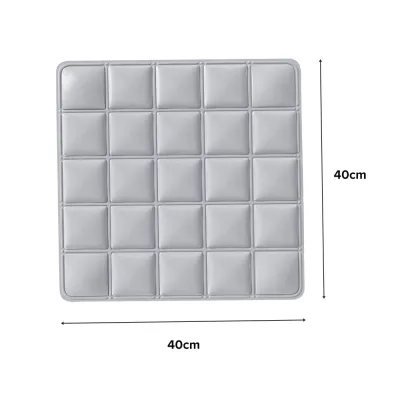
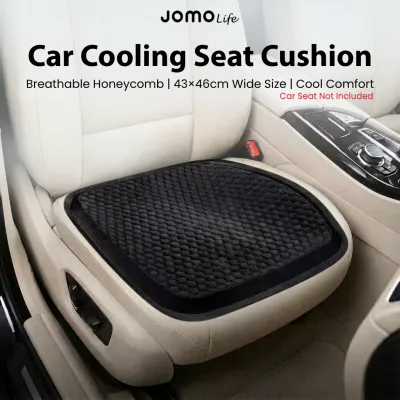
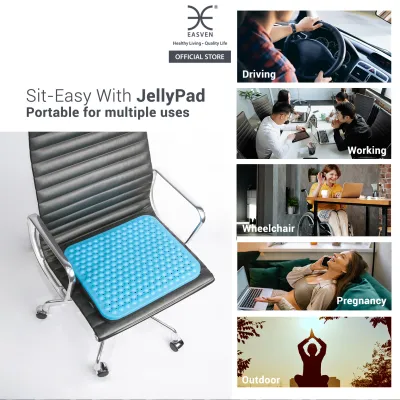
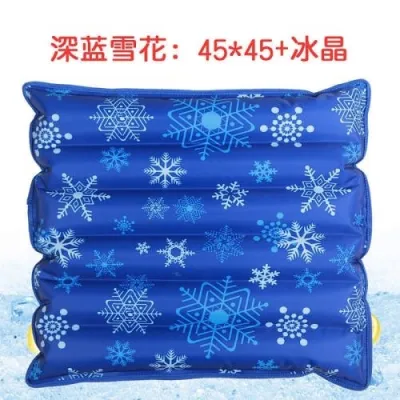
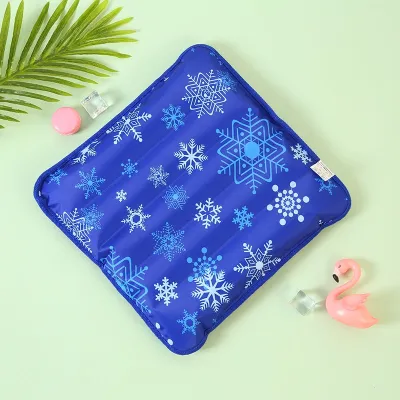
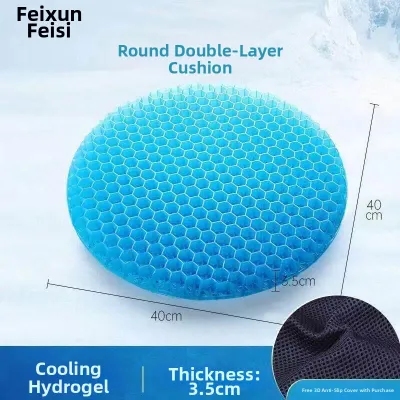
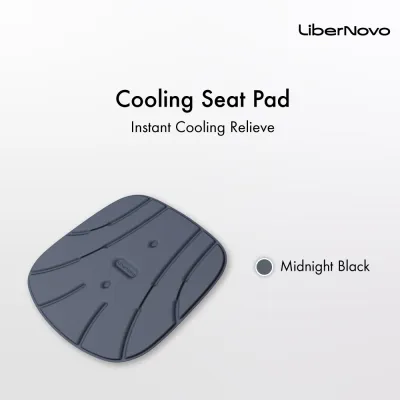
Prices are valid at publication and may change. Please refer to the product page for the latest price.
Heat Dissipation: How Gel, Mesh, and Memory Foam Manage Body Temperature
To understand how a cooling pad for chair use keeps you comfortable, it is essential to examine the physical mechanisms of heat transfer: conduction, convection, and radiation. Different materials interact with your body heat in distinct ways, determining whether they provide a temporary chill or long-term temperature regulation.
Mesh: Continuous Airflow and Breathability
Mesh relies on the physical principle of convection. Its open-weave structure promotes natural ventilation, allowing body heat to escape rather than trapping it against the skin. Because there is no solid barrier between your body and the ambient air, any movement you make helps circulate air, carrying away moisture and heat.
However, mesh does not actively cool the body; it simply prevents the heat buildup common with solid foams. Its cooling effectiveness drops significantly if your clothing is thick or if the room lacks basic air movement. In a stagnant, humid room, mesh can only do so much, but it remains the most breathable option available.
Gel Pads: Conduction, Grids, and Heat Saturation
Gel pads manage temperature through conduction. Solid gel or high-density elastomeric grids absorb heat through conduction, providing a distinct “cool-to-the-touch” sensation upon first sitting. This is because gel has a high thermal conductivity, allowing it to draw heat away from your body rapidly when you first make contact.
The primary limitation of gel is heat saturation. Once the gel absorbs your body’s heat and matches the ambient temperature (thermal equilibrium), the cooling effect diminishes unless you shift weight or the room is air-conditioned to help dissipate the heat. In a warm room, a saturated gel pad can actually begin to feel warm and heavy.
This contrasts with gel-infused foams, which use gel beads to slightly improve heat transfer but still rely on the foam’s base structure for airflow. The gel beads in these foams help distribute heat away from the surface, but they do not offer the same intense initial cooling as a solid gel grid.
Memory Foam: Heat Retention and Cooling Modifications
Traditional memory foam is notorious for heat retention. Its dense, viscoelastic cellular structure restricts airflow and traps body heat. Because the material relies on your body heat to soften and contour to your shape, it naturally creates a warm pocket around your lower body.
Modern variations attempt to mitigate this issue through various engineering solutions. Open-cell structures allow more air to pass through the foam, while charcoal or copper infusions help conduct heat away. Some premium options feature phase-change material (PCM) covers that actively absorb and release heat to maintain a stable temperature.
Despite these modifications, memory foam remains the warmest option of the three by default. It is best suited for climate-controlled rooms where air conditioning can keep the ambient temperature low, allowing the foam’s cooling technologies to function effectively.
Ergonomics and Pressure Relief: Sitting Comfort Over Long Hours
While temperature control is vital, a cooling pad for chair use must also provide adequate physical support. Sitting for extended periods can strain the spine, tailbone, and hips, making ergonomic design a crucial factor in your decision.

Memory Foam: Contouring and Targeted Pressure Relief
Memory foam is the undisputed leader in contouring and targeted pressure relief. It molds to the body’s contours, distributing weight evenly and relieving pressure on the tailbone, sciatic nerve, and thighs. When you sit on memory foam, it responds to your weight and heat, creating a custom cradle that reduces peak pressure points.
This makes it the top choice for users with joint pain, lower back issues, or those who need deep, plush cushioning to maintain posture over 8+ hour shifts. If you suffer from chronic discomfort during long workdays, the ergonomic benefits of memory foam often outweigh its heat-retention tendencies, especially if you work in an air-conditioned office.
Gel Pads: Firmness, Grids, and the "Floating" Sensation
Gel pads, particularly those with a honeycomb or grid-style design, offer a unique support profile. These elastomeric gel grids provide a “floating” sensation, offering excellent pressure relief without the deep, restrictive sink of memory foam. The columns of the grid buckle under high-pressure areas like the sit bones while supporting the surrounding areas.
Additionally, gel grids are highly responsive. Unlike memory foam, which has a slow-rebound rate, gel instantly snaps back into shape when you move. This makes it much easier to shift positions and maintain active sitting posture throughout the day, preventing that “stuck” feeling that some users experience with thick foam.
Mesh: Minimal Cushioning and Structural Barrier
Mesh pads offer a very different sitting experience, prioritizing airflow over plush cushioning. They primarily offer a breathable barrier rather than deep ergonomic support. A mesh pad acts like a taut trampoline, distributing weight across its surface but providing minimal contouring.
The comfort of a mesh pad depends heavily on the underlying chair’s original padding and the thickness of the mesh pad’s fabric base. If your current chair is already supportive but simply gets too hot, a mesh pad is an excellent addition. However, if your chair is hard and uncomfortable, a thin mesh pad will not provide the plush relief you need.
Durability and Maintenance in Humid Climates
In humid climates like Singapore, durability and maintenance are critical considerations. High humidity and sweat can accelerate the degradation of materials and lead to hygiene issues like mold, mildew, and odors.
Mesh: Snagging, Stretching, and Easy Washing
Mesh materials are generally highly durable but have specific vulnerabilities. There is a risk of snagging on sharp objects like belt buckles, keys, or pet claws, which can ruin the weave. Over years of heavy use, the tension in the mesh can also stretch or sag, reducing its supportive qualities.
However, mesh has a major maintenance advantage. Most mesh pads or covers are machine washable and dry very quickly. In a humid climate, this rapid drying time is crucial for preventing the buildup of mold, mildew, and trapped odors, making mesh an exceptionally hygienic choice for daily use.
Gel Pads: Degradation, Tearing, and Wipe-Clean Surfaces
Solid gel and elastomeric grids are incredibly resilient and long-lasting. They do not harbor dust mites, allergens, or moisture, making them highly hygienic. Cleaning is simple: you can easily wipe the surface clean with a damp cloth or rinse the entire pad in a sink or shower.
The primary threat to gel pads is environmental. Prolonged exposure to direct sunlight, high UV levels, or extreme heat can cause certain gel materials to degrade, oxidize, or become sticky over time. To maximize the lifespan of a gel pad, it is advisable to keep it out of direct window sunlight and avoid leaving it in hot cars.
Memory Foam: Moisture Sensitivity and Cover Dependency
Memory foam requires the most careful maintenance, especially in tropical climates. Traditional memory foam cannot be machine washed; exposing the foam directly to water will destroy its delicate viscoelastic cellular structure, causing it to crumble. It must be spot-cleaned with a damp cloth and air-dried away from direct heat.
In high-humidity environments, thick foam can trap ambient moisture and sweat, leading to unpleasant odors and bacterial growth if not properly ventilated. This makes a removable, frequently washable outer cover an absolute necessity. Without a protective barrier, a memory foam pad can quickly become unhygienic in a warm, humid room.
The Decision Framework: Which Pad Should You Buy?
To choose the best cooling pad for chair use, you must weigh your environmental conditions against your physical comfort needs. Use this conditional framework to guide your final purchase:
- Choose Mesh if: You prioritize maximum breathability, sit in a non-air-conditioned or poorly ventilated room, sweat easily, and prefer a firmer, cooler surface over plush, contouring cushioning.
- Choose Gel (or Gel-Grid) if: You want a balance of pressure relief and an instant cool-to-the-touch feel, need a waterproof or easily wipeable surface, and sit in an air-conditioned environment where the gel won't over-saturate with heat.
- Choose Memory Foam (Cooling-Modified) if: Ergonomic support, tailbone pain relief, and deep contouring are your top priorities, and you are willing to rely on room air-conditioning to manage ambient heat.
Verify first if: You have specific medical conditions, such as severe sciatica, herniated discs, or coccyx injuries, that require specialized orthopedic support. In these cases, consult a healthcare professional or physical therapist rather than relying solely on material cooling claims.
Crucial Specs to Verify Before Checkout
Before making your final purchase, pay close attention to several secondary specifications that can significantly impact the real-world performance, safety, and comfort of your cooling pad.
- Cover Material: The cover is the direct interface between your body and the cooling pad. A non-breathable cover, such as thick polyester, faux leather, or waterproof PVC, will completely negate the cooling properties of mesh or gel. Look for covers made from bamboo, cotton, or specialized cooling fabrics (like Tencel or nylon-elastane blends) that facilitate airflow.
- Non-Slip Base: A sliding cushion is both annoying and a safety hazard. Ensure the pad features a non-slip base, typically made of silicone micro-dots or a rubberized bottom. This is crucial for maintaining proper posture and preventing the pad from sliding off leather, vinyl, or mesh office chairs.
- Thickness and Density: Thicker is not always cooler. While a thick pad offers more cushioning, it also contains more material that can trap heat. For memory foam and gel, a thickness of 4 to 5 centimeters usually strikes the best balance between pressure relief and heat dissipation.
- Size and Chair Compatibility: Always measure your chair's seat pan before buying. Adding a thick pad to a bucket-style gaming chair or an ergonomic chair with highly contoured edges can cause the pad to bunch up, reducing comfort. It can also alter your sitting height, affecting how your arms rest on the desk and whether your feet can touch the floor flat.
Frequently Asked Questions (FAQ)
Do cooling gel pads actually work in hot, non-air-conditioned rooms?
Cooling gel pads provide an immediate, noticeable cooling sensation when you first sit down because they conduct heat away from your body. However, in a hot, non-air-conditioned room with stagnant air, the gel will eventually reach thermal equilibrium with your body and the room. After 30 to 60 minutes, the cooling effect will fade, and the pad may begin to retain heat unless you stand up or shift positions to let it cool down.
Can I put a cooling pad on an ergonomic or gaming chair?
Yes, but you must check the compatibility and dimensions first. Adding a thick cooling pad can alter the chair’s intended ergonomic alignment. It raises your seating position, which might cause your feet to dangle or your arms to sit too high relative to your desk. Additionally, bucket-style gaming chairs with raised side bolsters may cause wider pads to bunch up or slide.
How do I clean a gel-infused memory foam cushion?
You should never submerge or machine wash the memory foam core, as water destroys its viscoelastic structure. Instead, remove the outer cover and wash it according to the manufacturer’s instructions. If the foam core itself gets dirty, spot-clean it gently with a damp cloth and mild soap, then allow it to air-dry completely in a well-ventilated area away from direct sunlight.
Community discussion
Share your experience or ask a question. Comments are reviewed before publication.