
Selecting the perfect glass vessel for an indoor garden involves balancing aesthetic preferences with the biological needs of your plants. The decision between a geometric terrarium and an apothecary glass terrarium represents a choice between two distinct design philosophies and microclimates. Geometric terrariums, characterized by their sharp angles and metallic solder lines, offer an open or semi-open structure that excels in modern spaces and supports plants requiring dry, well-ventilated conditions. Conversely, apothecary terrariums utilize classic, rounded glass jars with fitted lids or stoppers to create a sealed, high-humidity environment ideal for lush tropical flora and traditional, vintage-inspired interiors. By evaluating how these structural differences interact with your home’s decor and your plants’ survival requirements, you can select a vessel that serves as both a thriving ecosystem and a striking visual accent.
Understanding the Visual and Structural Differences
Geometric terrariums are defined by their architectural, multifaceted forms. Constructed from individual panes of flat glass joined together by thin metal solder—typically brass, copper, or black-finished lead-free alloy—these vessels feature sharp, clean lines and distinct polygonal shapes such as octahedrons, prisms, and dodecahedrons. The metal framing acts as a bold graphic outline, giving the terrarium a structured, sculptural presence even when empty. Because they are hand-soldered, geometric designs often incorporate intentional gaps, hinged panels, or entirely open faces to allow air circulation, making them structurally distinct from completely sealed containers.
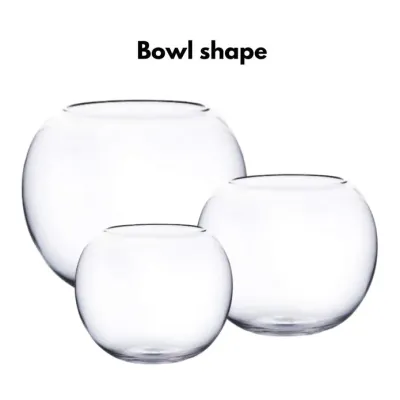
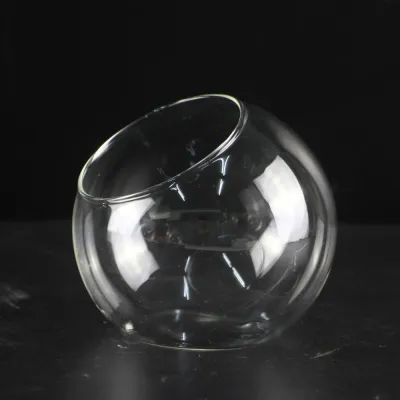
Apothecary terrariums, in contrast, draw inspiration from historical pharmacy jars, scientific vessels, and classic Victorian bell jars. These containers are characterized by seamless, blown-glass bodies with soft, flowing curves, heavy pedestal bases, and elegant glass lids or ground-glass stoppers. Without metal frames to interrupt the view, apothecary jars offer an unobstructed, 360-degree perspective of the miniature landscape inside. The glass itself is often thicker and heavier than the delicate panes used in geometric designs, providing a sense of antique permanence and substantial visual weight.
Products mentioned in this guide
![[PF Sora] Paludarium / Terrarium Crystal Glass Tank](https://img.lazcdn.com/g/p/dfd42f564f397d02fdab353d6acfb405.jpg_400x400q80.jpg_.webp)
![[XnMus.] Micro-Landscape Glass Terrarium with Dew Collection Cover Bonsai Vase Glass Microscopic Landscape Ecological Bottle](https://img.lazcdn.com/g/p/9d4d07719e83a468fb695ac6c5394b0a.jpg_webp_400x400q80.jpg_.webp)
Prices are valid at publication and may change. Please refer to the product page for the latest price.
When placed on a shelf, sideboard, or console table, these two styles occupy space in fundamentally different ways. A geometric terrarium feels light, airy, and dynamic, reflecting light off its multiple angled facets and casting intricate shadows. An apothecary jar presents a more solid, grounded silhouette, drawing the eye inward to the depth of the glass and the moisture-rich environment contained within. Understanding these physical attributes is the first step in determining which style aligns with your interior styling goals.
Aligning the Terrarium Style With Your Interior Decor
Integrating a glass terrarium into your living space requires a thoughtful look at your existing interior design theme. Geometric terrariums are a natural fit for contemporary, minimalist, and industrial aesthetics. The sharp angles and metallic finishes complement the clean lines of modern furniture, matte black fixtures, and exposed architectural elements. In a minimalist setting, a single geometric vessel with a brass or copper frame adds a touch of warmth and structural interest without cluttering the visual field. The metallic lines echo the frames of modern art prints or the legs of mid-century modern tables, creating a cohesive, curated look.

Apothecary terrariums excel in spaces that embrace warmth, history, and organic textures. If your home leans toward rustic, farmhouse, bohemian, or traditional decor, the soft curves of an apothecary jar will harmonize beautifully with natural wood grains, woven textiles, and vintage collectibles. The nostalgic silhouette of a classic storage jar evokes a sense of old-world curiosity and scientific exploration, making it an excellent centerpiece for a study, library, or cozy living room corner. The absence of modern metal framing allows the organic shapes of the plants and soil layers to take center stage, reinforcing a natural, untamed aesthetic.
The choice of frame style also dictates how light interacts with the display. The thick, curved glass of an apothecary jar can gently bend and soften incoming sunlight, creating a warm, glowing effect that enhances a cozy room atmosphere. Geometric frames, with their dark or metallic solder lines, create a high-contrast border around the greenery, framing each plant like a living work of art. Consider whether you want your terrarium to blend seamlessly into a soft, textured environment or stand out as a sharp, modern focal point.
Matching Plant Needs to the Terrarium Microclimate
Beyond aesthetics, the structural design of a glass terrarium directly dictates the internal microclimate, which must match the physiological needs of your plants. Geometric terrariums are predominantly open or semi-open systems. Because the metal-soldered joints are rarely completely airtight, and many designs feature large open panels, air flows freely through the vessel. This high-ventilation, low-humidity environment is ideal for arid plants such as succulents, cacti, and air plants (Tillandsia). These species are highly susceptible to root rot and fungal diseases when moisture is trapped around their roots or foliage; the open structure of a geometric frame ensures that soil dries out efficiently after watering.
Apothecary jars are designed to function as closed or narrow-necked systems. When sealed with a glass lid, cork, or stopper, they trap moisture transpired by the plants and evaporated from the soil, creating a self-sustaining water cycle. This constant high humidity and stable moisture level mimic a tropical forest floor, making apothecary terrariums the perfect home for delicate ferns, mosses, fittonias (nerve plants), and carnivorous species. In a warm climate like Singapore’s, a closed apothecary jar can thrive with minimal intervention, as the trapped moisture recycles itself continuously, shielding sensitive tropical plants from dry indoor air conditioning.
The lid mechanism of your chosen vessel determines how much control you have over this microclimate. A geometric terrarium with a hinged door allows you to temporarily close the vessel to boost humidity slightly, though it will never achieve the airtight seal of a ground-glass apothecary stopper. Conversely, if you wish to grow semi-tropical plants in an apothecary jar, you must be prepared to manually manage the humidity by removing the lid periodically to vent excess moisture. Matching the vessel’s ventilation capabilities to your plants’ natural habitat is crucial for long-term horticultural success.
Comparing Maintenance, Cleaning, and Daily Access
Practical upkeep is an often-overlooked factor when choosing between these two glass styles. Cleaning a geometric terrarium requires careful attention to the metal solder lines. Dust and mineral deposits from watering can accumulate in the sharp interior corners and along the metal joints. Wiping down these faceted panes requires a delicate touch, as excessive pressure can strain the solder. Additionally, if the metal frame is exposed to constant moisture, you must regularly check for signs of oxidation or rust, especially along the bottom seams where water might pool.
Apothecary jars present a different set of cleaning challenges. While they lack metal joints that can rust, their curved interior walls are highly prone to water spots and condensation marks that can obscure the view of your plants. Reaching inside a tall, narrow-necked jar to wipe the glass requires specialized tools, such as long-handled sponges or magnetic glass cleaners. However, because the glass is typically thick and molded as a single piece, it can withstand thorough washing and scrubbing without the risk of structural separation.
Daily access for planting, pruning, and maintenance also varies significantly. Geometric terrariums with wide open faces or large hinged panels offer generous physical access, allowing you to easily use standard gardening tools, prune overgrown leaves, or rearrange decorative stones. Apothecary jars, particularly those with narrow openings, demand patience and precision. You will need long tweezers, scissors, and dowels to plant and maintain the landscape. If you enjoy hands-on gardening and frequent rearranging, the open access of a geometric design is highly advantageous; if you prefer a low-maintenance, “set-it-and-forget-it” ecosystem, a closed apothecary jar is the superior option.
Final Decision: Which Glass Terrarium Fits Your Home?
To make your final selection, evaluate your daily routine, your interior styling preferences, and the types of plants you wish to cultivate. Opt for a geometric glass terrarium if your home features modern, minimalist, or industrial decor, and you prefer the structured look of metallic lines. This style is best if you want to grow low-maintenance arid plants like succulents or air plants, and you appreciate having easy, open access for occasional watering and dusting.
Choose an apothecary glass terrarium if your living space aligns with vintage, rustic, or bohemian aesthetics, and you want to create a lush, self-sustaining tropical landscape. This option is ideal if you are drawn to the magic of a closed ecosystem containing ferns and mosses, and you do not mind using specialized, long-handled tools for occasional maintenance.
Before purchasing any vessel, always verify its physical dimensions and opening size against the mature growth habits of your intended plants. Ensure that a hanging geometric frame is securely mounted to support the combined weight of the glass, damp soil, and stones, or that a heavy apothecary jar sits on a stable, level surface away from direct, scorching sunlight that could overheat a closed system.
Frequently Asked Questions (FAQ)
Can I grow succulents in a closed apothecary terrarium?
Growing succulents in a closed apothecary terrarium is highly discouraged and usually leads to plant failure. Succulents and cacti are adapted to arid environments and require excellent drainage and low humidity. In a sealed glass jar, the lack of airflow and the constant recycling of moisture create a damp, stagnant environment that rapidly causes root rot, stem collapse, and fungal infections. If you must use an apothecary jar for succulents, choose an open-style jar, leave the lid off permanently, use a highly porous soil mix, and water extremely sparingly.
How do I manage heavy condensation on the glass walls?
Heavy condensation is a common occurrence in closed apothecary terrariums, especially during temperature fluctuations. While some condensation is normal and indicates a healthy water cycle, completely obscured glass means there is excess moisture in the system. To resolve this, remove the glass stopper or lid for a few hours to allow the excess water to evaporate, then seal it again. Ensure the terrarium is kept away from direct sunlight, which heats the interior rapidly and causes extreme condensation. For geometric terrariums with hinged panels, simply prop the panel open slightly until the glass clears.
Community discussion
Share your experience or ask a question. Comments are reviewed before publication.