
Choosing between a geometric and a classic glass terrarium is more than a simple aesthetic decision; it directly dictates the survival and growth of your indoor plants. Classic terrariums, characterized by their smooth, curved, and continuous glass walls, excel at trapping moisture to create self-sustaining, high-humidity microclimates. In contrast, geometric terrariums feature sharp angles, flat glass panes, and metal-soldered seams that naturally allow for greater airflow, making them highly suited for arid plants but challenging for moisture-loving species. Understanding how these structural differences affect ventilation, light, and maintenance will help you select the ideal vessel for your green companions and your living space.
Core Differences in Structure and Airflow
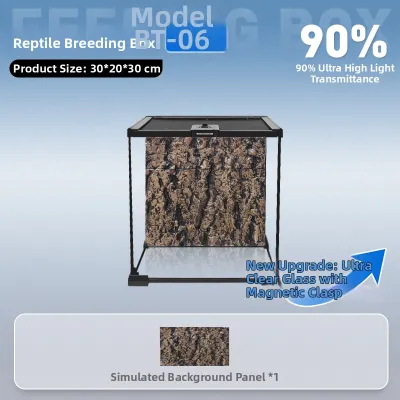
The physical construction of a glass vessel determines how air, water, and heat circulate within its boundaries. Geometric terrariums are assembled from individual flat glass sheets joined together by metal solder, typically using copper foil or lead-free soldering techniques. This multi-paneled construction naturally introduces tiny gaps along the seams unless they are explicitly sealed with a secondary waterproof material. These structural gaps, combined with the common inclusion of hinged doors, removable panels, or entirely open sides, facilitate continuous air exchange. While this excellent ventilation prevents stagnant air, it also makes it nearly impossible to maintain the stable, high-humidity environment that delicate tropical plants require to survive.
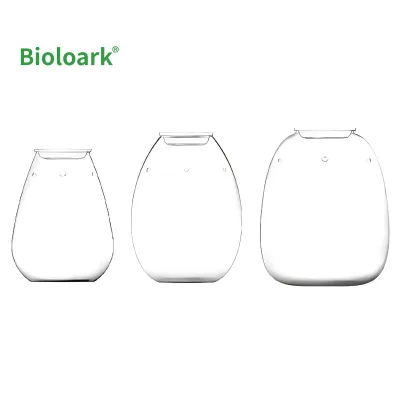
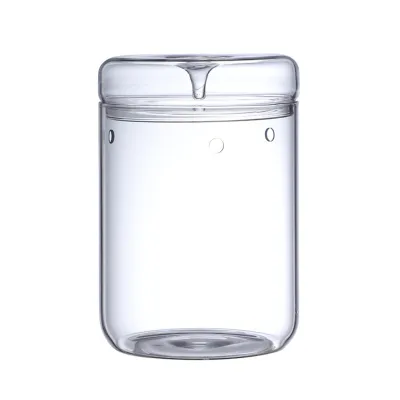
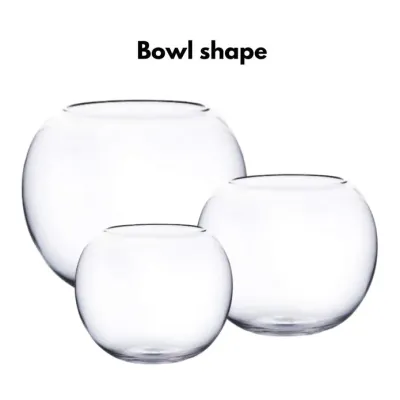
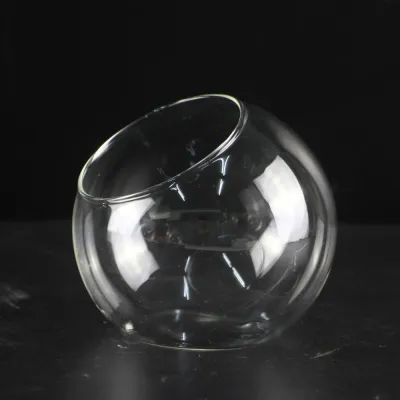
Classic terrariums, on the other hand, are typically crafted from blown or molded glass, resulting in a single, seamless piece without metal joints. These vessels—ranging from traditional bell jars and spheres to apothecary jars and cylinders—usually feature a single, narrow opening at the top. When this opening is closed with a cork, glass lid, or stopper, the vessel maximizes the greenhouse effect. Solar radiation warms the interior, causing moisture from the soil and plant leaves to evaporate. This water vapor condenses on the cool glass walls and trickles back down into the substrate, creating a closed, self-watering cycle that can persist for months with minimal intervention.
Products mentioned in this guide
![[PF Sora] Paludarium / Terrarium Crystal Glass Tank](https://img.lazcdn.com/g/p/dfd42f564f397d02fdab353d6acfb405.jpg_400x400q80.jpg_.webp)
![[ReptiZoo] MINI Glass Reptile Habitat Tank for Fish Crabs Turtle Reptiles Insects and Plants (AK03B AK10B)](https://img.lazcdn.com/g/p/ef755c708d907e67d6a92a2eed9502a8.jpg_400x400q80.jpg_.webp)
Prices are valid at publication and may change. Please refer to the product page for the latest price.
When evaluating these designs for durability and moisture control, it is essential to verify the physical specifications of the glass. Look for a glass thickness of at least two to three millimeters to ensure structural integrity and resistance to thermal cracking. For geometric designs, inspect the base carefully; if you plan to build a moist setup, the bottom panels must be lined with a thick, continuous layer of waterproof silicone to prevent slow leaks that can damage your furniture. For classic glass vessels, check for structural uniformity and avoid pieces with large, visible air bubbles or deep distortions, which can act as weak points under physical stress.
Matching Terrarium Shapes to Plant Needs
To ensure your miniature garden thrives, you must match the biological requirements of your plants to the environmental conditions created by the terrarium’s shape. High-humidity tropical plants are the natural residents of classic closed terrariums. Species such as delicate mosses, nerve plants (Fittonia), baby’s tears (Soleirolia soleirolii), and small ferns (such as button ferns or maidenhair ferns) flourish in the damp, warm, and enclosed atmosphere of a sealed classic jar. The constant humidity keeps their foliage lush and prevents the dry leaf tips that often plague these species in open-air household environments.

Conversely, drought-tolerant plants will quickly perish in a closed classic environment. Succulents, cacti, and air plants (Tillandsia) have evolved to survive in arid climates with low humidity and rapid soil drainage. Placing these species in a closed classic jar traps moisture, leading to rapid root rot, leaf drop, and fatal fungal infections. For these plants, open geometric terrariums are the superior choice. The open panels and structural gaps ensure that humidity levels remain low and that the soil dries out completely between waterings, mimicking their native dry habitats.
Beyond humidity, you must evaluate the physical dimensions of the vessel against the growth habits of your chosen plants. Upright, vertically growing plants like miniature snake plants or small palms require the height offered by cylindrical classic jars or tall, pyramidal geometric structures. Spreading, low-profile ground covers like creeping fig or pilea require horizontal surface area, which is best provided by wide-bottomed classic spheres or low, hexagonal geometric bowls. Always ensure there is ample clearance between the plants and the glass; if leaves press directly against wet glass walls, they will collect excess condensation and rot.
Space, Lighting, and Display Considerations
The visual impact of a terrarium should harmonize with your interior design while ensuring the safety of the plants within. Geometric terrariums, with their sharp lines and metallic frames—often finished in matte black, brass, or copper—bring a modern, architectural edge to a room. They integrate seamlessly into industrial, minimalist, or contemporary spaces, acting as striking sculptural centerpieces on coffee tables or shelves. Classic terrariums offer a softer, organic aesthetic with timeless curves that complement traditional, rustic, Scandinavian, or bohemian decor styles, adding a touch of vintage elegance to your home.
Lighting is a critical factor that can make or break your terrarium, as glass naturally refracts and intensifies light. Curved glass, particularly in spherical or cylindrical classic vessels, can act as a magnifying glass, focusing incoming sunlight into intense hot spots that can scorch delicate leaves within hours. Multi-angled geometric glass can also refract light unpredictably, creating localized heat zones. To protect your plants from sunburn, position both geometric and classic terrariums in areas that receive bright, indirect sunlight. Avoid placing them on windowsills that receive direct, harsh afternoon sun; instead, utilize sheer curtains to filter the light or place the vessel a few feet away from the window.
Physical stability and weight distribution are also vital, especially when dealing with larger setups. A fully planted terrarium containing drainage gravel, soil, decorative rocks, and water is surprisingly heavy. Classic vessels with wide, flat bases distribute this weight evenly and are highly stable on flat surfaces. Geometric designs, particularly those with tapered bases or hanging loops, require extra caution. If you choose a hanging geometric terrarium, ensure the ceiling hook or wall bracket is securely rated for the fully planted weight of the vessel. For any integrated lighting elements or heated bases, always isolate the power source before installation or maintenance, and consult a qualified professional for any fixed electrical wiring.
Maintenance and Cleaning Realities
The practical ease of caring for your terrarium depends heavily on its physical design, particularly the size and placement of its openings. Classic vessels with narrow necks or small top openings present significant maintenance challenges. Pruning overgrown foliage, removing dead leaves, or adjusting decor requires specialized long-reach tools, such as extra-long tweezers, curved scissors, and substrate rakes, along with a steady hand and patience. Geometric terrariums, especially those featuring large hinged doors or open sides, offer direct hand access, making planting, pruning, and soil adjustments straightforward and quick.
Cleaning the glass is another task where design influences effort. Over time, condensation, hard water minerals, and algae can build up on the interior glass, obscuring your view. Wiping down the curved interior of a classic sphere requires flexible cleaning pads, magnetic glass scrubbers, or custom-bent tools. Geometric terrariums feature flat glass panels that are easy to wipe clean with a microfiber cloth, but their sharp corners and metal solder joints can accumulate grime and moisture, requiring detailed cleaning with a soft toothbrush or cotton swab. To protect your plants, avoid chemical glass cleaners; instead, use distilled water or a highly diluted white vinegar solution.
Managing water without drainage holes is a universal challenge in terrarium care. To prevent water from pooling around plant roots and causing rot, you must construct a proper drainage layer—often called a false bottom—consisting of small pebbles, a physical barrier mesh, and a layer of activated charcoal to absorb odors and impurities. Because you cannot flush out excess water, visual monitoring is essential. Classic clear glass allows you to easily inspect the drainage layer for standing water. Geometric vessels with metal bases require even greater watering precision, as standing water can slowly corrode the solder joints or seep through unsealed bottom seams, damaging the surface beneath.
Decision Framework: Which Glass Terrarium Should You Buy?
To finalize your choice, evaluate your plant preferences, maintenance commitment, and design goals against the unique characteristics of each vessel type.
Choose a geometric terrarium if:
- You plan to grow succulents, cacti, or air plants that require low humidity and high airflow.
- You prefer a modern, architectural design with bold metallic lines.
- You want easy, direct hand access for frequent pruning, cleaning, and rearranging.
- You are willing to monitor watering closely to prevent leaks through metal seams.
Choose a classic terrarium if:
- You want to grow tropical plants, ferns, or mosses that thrive in high-humidity environments.
- You want a low-maintenance, self-sustaining closed ecosystem that requires infrequent watering.
- You prefer a soft, organic, or traditional aesthetic with seamless glass curves.
- You want a completely leak-proof base that safely contains moisture.
Before making your purchase, use this quick verification checklist:
- Seam Quality: For geometric designs, verify if the bottom seams are sealed with waterproof silicone to prevent slow leaks.
- Opening Dimensions: Measure the opening to ensure your hand or available maintenance tools can comfortably fit inside.
- Glass Integrity: Check that the glass is at least two millimeters thick and free of structural flaws, sharp edges, or excessive air bubbles.
Frequently Asked Questions (FAQ)
Do geometric terrariums leak more easily than classic ones?
Yes, geometric terrariums are inherently more prone to leaking than classic ones because they are constructed from multiple glass panes joined by metal solder. Solder joints are not naturally waterproof and can slowly weep water if moisture pools at the bottom. Classic terrariums, being molded or blown from a single piece of glass, have a seamless, solid base that is completely leak-proof. If you plan to use a geometric vessel for a high-moisture setup, verify that the interior bottom seams have been sealed with a thick layer of clear, waterproof silicone.
Can I use a classic closed terrarium for succulents?
It is highly discouraged to use a closed classic terrarium for succulents or cacti. These plants require dry air, low humidity, and rapid soil drying to prevent root rot and fungal diseases. A closed classic vessel traps moisture and creates a humid greenhouse effect that will quickly cause succulents to rot and die. If you wish to display succulents in a classic glass vessel, choose an open-topped bowl or wide-mouth cylinder, use a highly porous gritty soil mix, and water extremely sparingly only when the soil is completely dry.
How do I prevent sunburn through curved or angled glass?
To prevent sunburn, never place your glass terrarium in direct, unfiltered sunlight. The curved surfaces of classic jars and the flat angles of geometric panes can act as lenses, concentrating light rays and rapidly raising the internal temperature, which will scorch your plants. Position your terrarium in a location that receives bright, indirect light, such as a few feet away from a north- or east-facing window, or use sheer curtains to filter the light from south- or west-facing windows.
Community discussion
Share your experience or ask a question. Comments are reviewed before publication.