
Quick Answer: Geometric vs Round Glass Terrariums
When selecting a glass terrarium, the choice between a geometric and a round vessel is far more than a simple aesthetic preference. It directly dictates the health of your indoor plants, the amount of effort required for weekly maintenance, and how efficiently the display integrates into your living space. Neither shape is universally superior; the ideal choice depends on your plant varieties, how much time you want to spend on upkeep, and the physical layout of your home.
Geometric terrariums, with their sharp lines and flat glass panes, act as structured, architectural frames. They are ideal for upright, slow-growing plants and fit beautifully into tight, modern spaces, but they require meticulous cleaning along their soldered corners. Conversely, round terrariums offer a classic, organic aesthetic with excellent 360-degree light distribution and effortless wipe-down maintenance. This makes them perfect for lush, trailing species, though they demand a more generous, dedicated footprint to prevent accidental bumps. Understanding how these distinct shapes handle light transmission, tool maneuverability, and spatial boundaries will help you select the perfect vessel for your green space.
Plant Visibility and Light Distribution
Geometric Terrariums (Visibility & Light)
Geometric terrariums are constructed from individual flat panels of glass, typically held together by metal frames or silicone seams. This flat-panel construction has a distinct advantage when it comes to visual clarity. Because the glass is perfectly flat, it does not bend or distort the light passing through it. When you look at your plants through a flat pane, you see them exactly as they are, with realistic proportions and crisp details. This makes geometric vessels feel like living picture frames, offering highly structured, gallery-like viewing angles from specific sides of the container.
Products mentioned in this guide
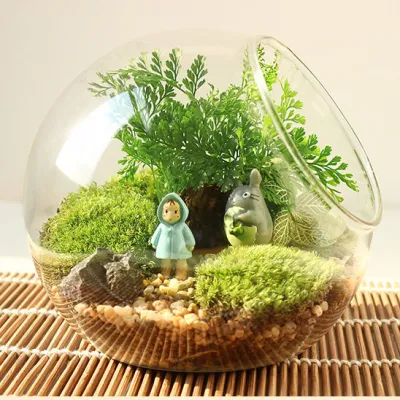
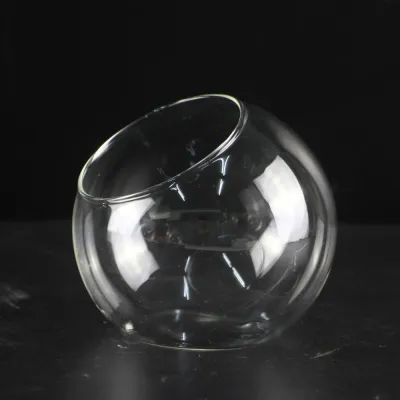
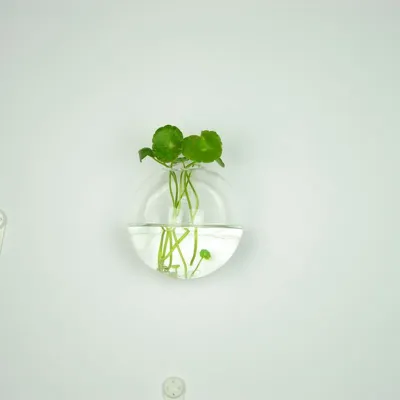
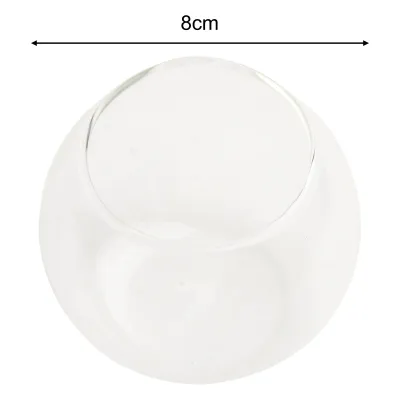
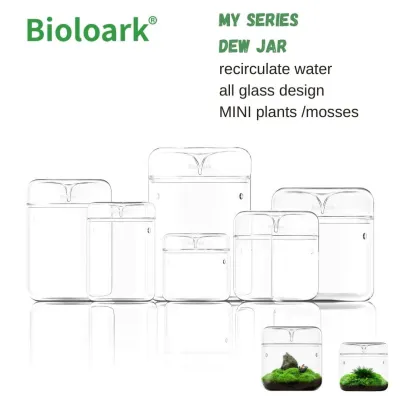
![[PF Sora] Paludarium / Terrarium Crystal Glass Tank](https://img.lazcdn.com/g/p/dfd42f564f397d02fdab353d6acfb405.jpg_400x400q80.jpg_.webp)
Prices are valid at publication and may change. Please refer to the product page for the latest price.

However, this panel-based design introduces physical elements that can disrupt both visibility and light entry. The metal frames—often made of brass, copper, or black-finished solder—create solid lines that can segment your view of the inner landscape. Depending on the angle of your room’s ambient light, these frames and sharp corners can cast thin, localized shadows across the substrate. While these shadows rarely harm hardy plants, they can create minor visual blind spots. This shape is exceptionally well-suited for slow-growing, upright plants such as nerve plants (Fittonia), small succulents (in open setups), or air plants (Tillandsia), where the architectural lines of the frame contrast beautifully with the plants’ deliberate, vertical growth habits.
Round Terrariums (Visibility & Light)
Round terrariums, such as classic globes, fishbowls, or curved apothecary jars, offer a completely different visual experience. The continuous, sweeping curve of the glass provides a panoramic, immersive view of the miniature ecosystem inside. Because there are no metal frames or silicone seams to block your gaze, you can appreciate the landscape from any angle. This makes round vessels highly effective as central display pieces on coffee tables or dining islands, where they can be viewed from all sides.
The trade-off for this panoramic view is optical distortion. Because the glass is curved, it acts as a mild lens. When you look at plants positioned close to the outer edges, or when you view the terrarium from a sharp angle, the images can appear slightly stretched, magnified, or warped. However, this curvature is highly beneficial for light distribution. Smooth, curved glass allows ambient sunlight to enter from almost any direction and disperses it evenly throughout the interior. Without sharp corners to trap shadows, light-sensitive mosses, delicate ferns, and creeping figs (Ficus pumila) receive a highly consistent level of illumination, promoting balanced, symmetrical growth without the plants stretching excessively toward a single light source.
Maintenance Access and Cleaning Ease
Cleaning the Glass
Keeping the glass crystal clear is essential for both the aesthetic appeal of your terrarium and the photosynthetic health of your plants. Round terrariums are the undisputed champions of cleaning efficiency. Because the interior surface is a continuous, smooth curve, you can easily wipe down the glass using a single, fluid circular motion. A microfiber cloth wrapped around a flexible tool, or even a specialized magnetic glass cleaner, can glide across the entire interior without meeting any resistance. This makes it simple to remove dust, condensation spots, or light algae buildup in a matter of seconds.
Geometric terrariums demand a much higher level of patience and precision when it comes to basic cleaning. The flat panels meet at sharp angles, creating numerous corners and seams where dust, organic debris, and moisture tend to accumulate. Over time, mineral deposits from tap water or algae can become trapped in these tight crevices. Wiping down flat panels requires cleaning each individual pane separately, and standard cloths often fail to reach the very bottom of deep, acute corners. To keep a geometric vessel looking pristine, you will need to use cotton swabs, small detailing brushes, or specialized scrapers to carefully clean out the seams without disrupting the surrounding soil or damaging the delicate solder.
Planting and Pruning Access
The physical shape of the vessel also dictates how easily you can plant, prune, and landscape your miniature garden. Round terrariums typically feature relatively wide, circular top openings. This generous access point allows you to use your hands directly for placing drainage stones, pouring substrate, and positioning larger plants. When it comes to ongoing maintenance, a wide round opening accommodates standard pruning shears or your fingers, making it easy to pinch back overgrowing foliage or remove yellowing leaves before they decay.
In contrast, geometric terrariums often feature more restricted access points. Many models rely on small hinged doors, removable single panels, or narrow top openings designed to maintain the clean lines of the geometric form. Compounding this challenge are the tight internal angles; trying to plant a delicate moss or anchor a small fern in a sharp, deep corner can be incredibly frustrating. To manage a geometric setup successfully, you must invest in specialized, long-handled aquascaping tools, such as long pinsettes (tweezers), curved spring scissors, and substrate spatulas. Every pruning session becomes a deliberate exercise in fine motor control, as you must maneuver these long metal tools through a narrow opening and around sharp corners without scratching the glass or dislodging neighboring plants.
Spatial Fit and Aesthetic Integration
Footprint and Space Efficiency
In modern urban homes, such as space-conscious apartments or HDB flats in Singapore, physical footprint and spatial efficiency are critical design considerations. Geometric terrariums—including cubes, rectangles, and hexagonal prisms—are incredibly space-efficient. Because they feature flat, straight outer edges, they can be pushed completely flush against walls, aligned neatly on narrow bookshelves, or placed side-by-side in modular grids. This flat-sided profile maximizes the usable depth of shallow shelves and consoles, allowing you to introduce lush greenery into tight spaces without any wasted gap behind the vessel.
Round terrariums, by their very nature, require a more generous and dedicated footprint. Because they curve outward from a central point, they cannot be placed flush against a wall or nestled tightly into a corner without looking awkward and cramped. A round globe needs a buffer zone of empty space around it to allow its organic shape to be fully appreciated. This buffer space is also a practical safety necessity; because round glass has no flat base edges to anchor it flush against a back wall, it is more susceptible to rolling or tipping if bumped. Placing a round terrarium on a high-traffic hallway console or a narrow ledge increases the risk of accidents, meaning these vessels are best reserved for stable, spacious surfaces like dining tables, deep desks, or dedicated plant pedestals.
Decor Styles and Visual Weight
Beyond physical dimensions, the shape of your terrarium influences the visual weight and design language of your room. Geometric terrariums carry a structured, deliberate visual weight. The combination of clear glass and dark or metallic framing lines coordinates beautifully with modern, minimalist, mid-century modern, or industrial interior design styles. The sharp lines of a brass-framed geometric terrarium can echo the metallic accents of your light fixtures, shelving brackets, or furniture legs, creating a cohesive, curated look. It feels less like a random jar of dirt and more like an intentional piece of architectural decor.
Round terrariums offer a softer, more organic aesthetic that brings fluid movement into a space. The absence of harsh lines allows them to blend seamlessly into bohemian, traditional, organic modern, or eclectic interiors. A round glass vessel acts as a gentle, natural focal point, mimicking the soft forms found in nature, such as water droplets, smooth river stones, or morning dew. If your home decor features soft textiles, curved furniture, and natural wood tones, a round terrarium will complement these elements beautifully, reinforcing a relaxing, biophilic atmosphere.
How to Choose: Decision Framework
To simplify your selection process, use this targeted framework to match your lifestyle, space, and plant preferences to the correct terrarium shape.
Choose Geometric if:
- Your space is highly structured or limited in depth: You plan to display your plants on narrow floating shelves, shallow bookshelves, or a slim console table where every centimeter of depth matters.
- Your home features modern or industrial decor: You want a vessel that complements clean lines, metallic finishes, and architectural design elements.
- You are growing upright, slow-growing plants: You prefer structured layouts featuring slow-growing species like Fittonia, small pileas, or air plants that won't quickly outgrow the tight corners.
- You enjoy detailed, mindful maintenance: You find the process of using fine, long-handled tools and detailing corners to be a relaxing, meditative hobby.
Choose Round if:
- You want a central, 360-degree focal point: You have a dining table, coffee table, or kitchen island where the terrarium can be viewed and appreciated from all angles.
- You prioritize low-effort maintenance: You want a glass vessel that can be wiped clean in seconds with simple, continuous circular motions.
- You plan to cultivate lush, trailing, or moisture-loving plants: You want to grow dense mosses, ferns, or trailing vines that thrive under highly even light distribution and natural condensation cycles.
- You have ample surface space: You can easily provide a safety buffer zone around the vessel to protect it from accidental bumps and allow light to reach all sides.
Verify first if:
- Closed vs. Open Environment: Before finalizing your choice, verify whether your selected plant species require a closed, high-humidity ecosystem or an open, dry environment. While the shape of the glass impacts aesthetics and ease of access, the presence of a proper lid, the quality of the seal, and the resulting humidity retention are what ultimately determine your plants' survival. For example, desert succulents will quickly rot in a closed round jar, while delicate tropical ferns will wither in an open geometric frame.
- Glass Quality and Base Stability: Always check the physical specifications of the vessel. Verify that the glass is of high quality and free of thin spots, especially along the curves of hand-blown round models. For geometric models, inspect the seams to ensure they are sealed with non-toxic, waterproof silicone or high-quality, lead-free solder that will not rust or degrade when exposed to constant moisture.
- Electrical and Lighting Integration: If your terrarium includes an integrated LED grow light, verify the voltage, base/interface compatibility, wattage limit, and electrical certification of the light fixture before plugging it in. Ensure the dimming method matches your plants' specific light requirements, and always keep electrical components completely dry.
- Weight and Installation Safety: Remember that a fully planted terrarium—complete with a drainage layer of gravel, activated charcoal, damp soil, decorative stones, and plants—is significantly heavier than an empty glass vessel. If you plan to place your terrarium on a floating shelf or a glass-topped table, verify the load-bearing capacity of the surface first. For suspended or hanging terrariums, always ensure you are using heavy-duty, properly rated hardware anchored securely into a wall stud or solid ceiling joist to prevent catastrophic falls. If you are installing a heavy suspended load or hardwiring an integrated light fixture in a damp environment, always consult a qualified professional and isolate the power supply before beginning installation.
Frequently Asked Questions (FAQ)
Do geometric terrariums get hotter in direct sunlight than round ones?
Yes, geometric terrariums can occasionally experience localized hot spots compared to round ones. Because geometric vessels are made of flat glass panels, these flat surfaces can act like flat lenses if they are positioned at a direct angle to incoming sunlight. This can concentrate solar energy onto a specific spot inside the terrarium, rapidly raising the temperature of the air and the leaves in that localized zone. Round glass, while still subject to the greenhouse effect, has a curved surface that naturally scatters and disperses incoming light rays more evenly across the interior, reducing the risk of intense hot spots.
However, regardless of whether your terrarium is geometric or round, you should never place a closed glass vessel in harsh, direct midday sunlight. The greenhouse effect inside any sealed glass container can quickly elevate internal temperatures to extreme levels, effectively cooking your delicate plants. To keep your ecosystem safe, always position your terrarium in a location that receives bright, indirect ambient light, or use a dedicated, low-heat LED grow light designed specifically for indoor plants.
Which shape is better for a closed, high-humidity terrarium?
While the overall humidity level is primarily determined by how tightly the lid seals, round terrariums offer distinct functional advantages for closed, high-humidity ecosystems. In a closed terrarium, water evaporates from the soil and plants, condenses on the cool glass walls, and trickles back down into the substrate to sustain the water cycle. The smooth, continuous curves of a round vessel allow this condensation to glide smoothly and evenly down the sides, returning water to the soil without disrupting the plants. This shape also promotes natural, unobstructed internal air circulation, which helps prevent stagnant air pockets.
In contrast, geometric terrariums can present unique challenges in high-humidity setups. The flat panels meet at sharp angles, and condensation can sometimes accumulate heavily along these seams. Instead of sliding smoothly back to the base, water droplets may pool in the corners or drip directly onto the foliage below, which can lead to localized rot or fungal issues if the leaves remain wet. Additionally, if the geometric vessel’s seams are joined by metal solder, constant exposure to high humidity can lead to slow oxidation or leaks if the craftsmanship is poor. If you choose a geometric shape for a closed, humid setup, ensure the seams are thoroughly sealed with high-quality, waterproof silicone and monitor the corners regularly for excess water pooling.
Community discussion
Share your experience or ask a question. Comments are reviewed before publication.