
Deciding between a glass incense holder and an essential oil diffuser is more than just a choice of fragrance; it is a decision about how you interact with your living space, manage indoor air quality, and integrate sensory rituals into your daily routine. Glass incense holders offer a traditional, tactile experience that relies on the combustion of solid materials, producing a rich, smoky aroma that is ideal for short, focused moments of relaxation. In contrast, essential oil diffusers utilize modern ultrasonic or nebulizing technology to disperse a fine, flame-free mist of water and concentrated oils, providing continuous, adjustable scenting that fits seamlessly into active households. By comparing their delivery mechanisms, safety profiles, and maintenance needs, you can select the ideal setup to create a comfortable and beautifully scented home environment.
Core Differences in Aromatherapy Delivery
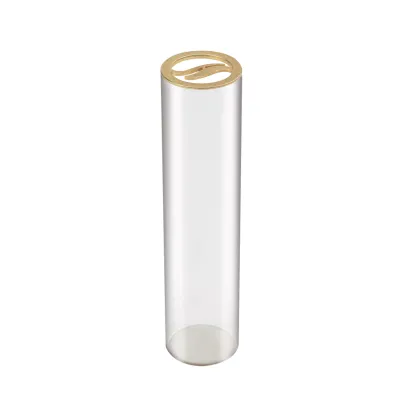
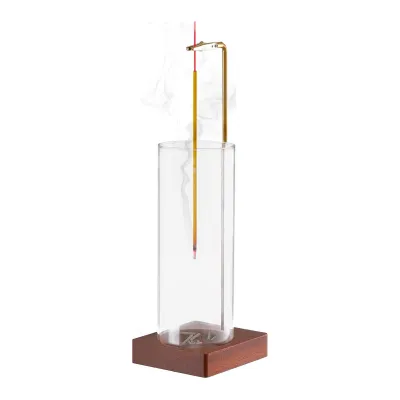
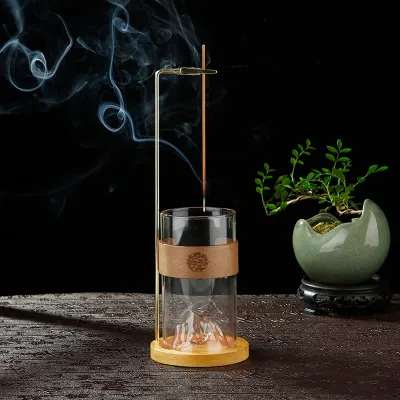
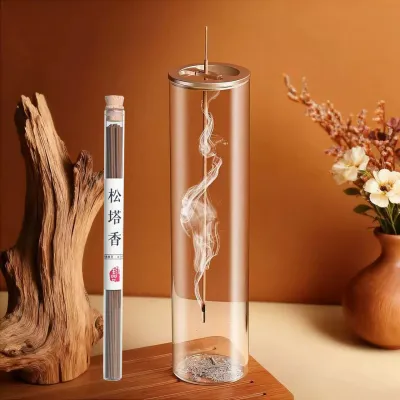
To understand which device suits your home, it is essential to look at how each one releases fragrance into the air. A glass incense holder is a passive vessel designed to support burning incense sticks, cones, or coils. The process relies on combustion: you light the tip of the incense, blow out the flame, and allow the glowing ember to slowly consume the solid material. As it burns, the heat releases aromatic compounds bound within the wood powder, resins, and essential oils of the incense, carrying them upward in a visible stream of smoke. The glass holder itself does not generate heat; rather, it serves as a stable, non-porous, and heat-resistant base that catches falling ash and prevents the hot ember from contacting your furniture.
Essential oil diffusers operate on an entirely different physical principle, relying on electrical power rather than fire. The most common type, the ultrasonic diffuser, features a small ceramic disc at the bottom of a water reservoir. When powered on, this disc vibrates at an ultrasonic frequency, breaking the water and added essential oil drops into a microscopic mist that is quietly fan-forced into the room. Another type, the nebulizing diffuser, bypasses water altogether, using pressurized air to atomize pure essential oil directly from the bottle. Because these devices do not rely on heat, they preserve the original chemical structure of the essential oils, delivering a clean, unburned scent profile.
Products mentioned in this guide
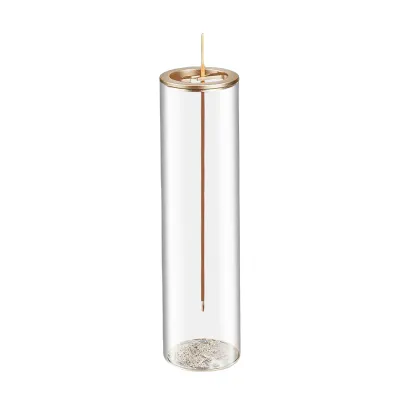
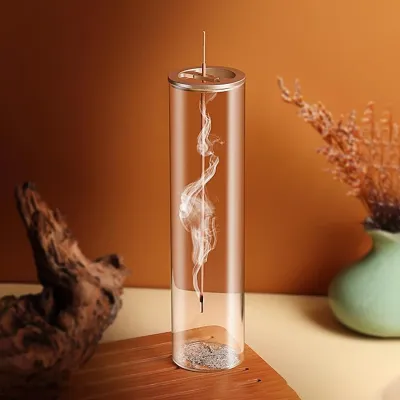
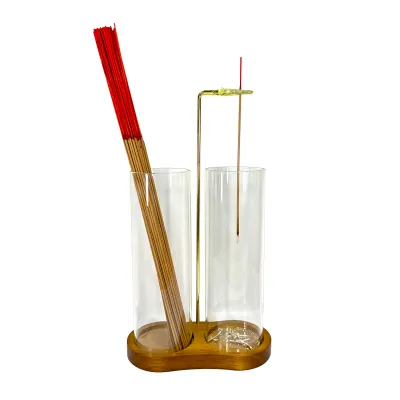
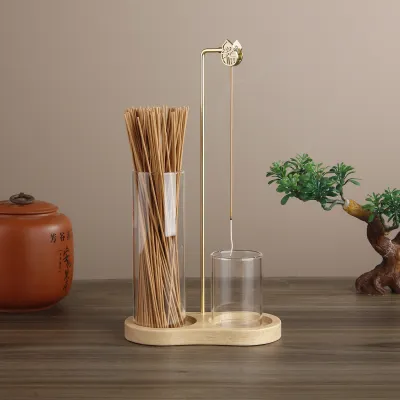
Prices are valid at publication and may change. Please refer to the product page for the latest price.
These differing mechanisms create distinct power and placement requirements. A glass incense holder is completely cordless and highly portable, allowing you to place it on any stable surface without worrying about proximity to a wall outlet. This makes it an excellent choice for minimalist spaces or outdoor-facing areas like balconies. An essential oil diffuser, however, is an active electrical appliance. It requires a reliable power source, typically a USB cable or a standard 230V wall plug. This dependency means its placement is restricted to areas near electrical outlets, and you must manage cords safely to prevent tripping hazards or accidental tugs that could spill water.
The format and storage of the consumables also differ significantly. Incense is dry and highly sensitive to environmental moisture. In humid climates, storing incense in airtight containers is necessary to prevent the sticks from absorbing dampness, which can make them difficult to light or cause them to extinguish prematurely. Essential oils, on the other hand, are highly concentrated liquids sold in small, light-blocking amber glass bottles. While they are immune to humidity, they are sensitive to heat and direct sunlight, which can degrade their aromatic properties over time. Storing them in a cool, dark cupboard is essential to maintaining their shelf life and fragrance quality.
Space, Safety, and Maintenance Requirements
Integrating any aromatherapy device into your home requires a careful evaluation of safety protocols, spatial limitations, and ongoing upkeep. For glass incense holders, fire safety is the primary concern. Because incense involves an active, burning ember, it must never be left unattended. The holder must be placed on a flat, stable, and heat-resistant surface, well away from open windows, ceiling fans, air conditioning drafts, and flammable materials such as curtains, books, or paper. Proper ventilation is also crucial; burning incense in a small, sealed room can quickly lead to an uncomfortable buildup of smoke and particulates, so keeping a window or door slightly ajar is highly recommended to maintain healthy indoor air circulation.

Essential oil diffusers present a different set of safety and maintenance considerations, centered around electricity and water management. Because these devices combine water and electricity, they must be plugged into certified outlets and handled with dry hands. In Singapore, ensuring your diffuser’s power adapter carries the local Safety Mark is an important step to verify it has undergone rigorous electrical safety testing. Unlike the passive glass holder, a diffuser requires regular hands-on maintenance. The water reservoir must be emptied and wiped dry between uses to prevent the growth of mold, bacteria, or pink yeast, which can thrive in standing water and be dispersed into your air during the next session.
Furthermore, ultrasonic diffusers require periodic descaling to remain functional. Over time, minerals from tap water and oily residues from essential oils can build up on the delicate ultrasonic vibrating plate, reducing mist output or causing the motor to overheat. Cleaning the plate gently with a cotton swab dipped in diluted white vinegar or a specialized descaling solution is necessary every few weeks. You must also be mindful of where you place the diffuser; because it emits a fine mist, placing it directly beneath wooden shelving, near sensitive electronics, or on untreated wood surfaces can lead to moisture damage, warping, or electrical shorts. A water-safe, non-porous surface is the ideal spot for a diffuser.
Scent Profile and Atmosphere Control
The sensory experience offered by these two methods varies greatly in terms of fragrance intensity, duration, and visual appeal. Incense is known for its powerful, immediate scent throw. When burned, it releases a dense, complex fragrance that can quickly fill a large room or even carry throughout an entire apartment. This scent is episodic; the intense fragrance peaks during the 20 to 45 minutes the stick is burning and then gradually dissipates, though a warm, woody undertone often lingers in the fabrics and air for several hours. The visual element of rising smoke curling through a beautifully crafted glass holder adds a distinct, meditative ambiance that many find grounding and ritualistic.
Essential oil diffusers offer a much more controlled and gradual scent experience. Instead of a sudden burst, they release a steady, gentle stream of fragrance that you can easily customize. If you prefer a subtle background scent, you can add just two or three drops of oil to the water reservoir; for a stronger presence, you can increase the droplet count. Many modern diffusers also feature interval timers, allowing them to cycle on and off over several hours to prevent olfactory fatigue. Visually, diffusers often double as decorative nightlights, featuring soft, color-changing LED lights that complement the cool, rolling mist to create a soothing, spa-like atmosphere.
Air quality and residue are also key differentiators in how these devices affect your living environment. Burning incense inevitably produces smoke, which carries fine particulates and leaves behind a fine powdery ash. While a high-quality glass holder is designed with a wide tray to catch this ash, some stray dust may still settle nearby, requiring regular wiping of the surrounding surfaces. Diffusers do not produce smoke or ash, making them a cleaner option for those sensitive to airborne particulates. However, because ultrasonic diffusers disperse water vapor, they do add a small amount of moisture to the air. In air-conditioned rooms, this subtle humidifying effect can be highly beneficial for dry skin and sinuses, but in already humid environments, it is important to monitor the room to ensure you are not inadvertently encouraging mold growth.
Decision Framework: Choosing Your Aromatherapy Setup
Selecting the right aromatherapy device comes down to aligning their unique features with your daily routines, household dynamics, and physical space. To make an informed decision, consider how you intend to use the device and what level of active management you are comfortable with.
You should choose a glass incense holder if you appreciate the traditional, hands-on ritual of lighting incense and enjoy deep, complex, or woody fragrances like sandalwood, frankincense, and white sage. It is the ideal choice for short, focused activities such as morning meditation, yoga practice, or a quick wind-down routine before bed. Because it requires no electricity, it is perfect for minimalist spaces, outdoor patios, or rooms where power outlets are scarce. However, you must be willing to manage the routine cleanup of fallen ash and ensure the room has sufficient ventilation to handle the smoke.
Conversely, you should choose an essential oil diffuser if your priority is continuous, low-maintenance fragrance that can run safely in the background while you work, sleep, or entertain. It is the superior option for households with young children, curious pets, or strict rental agreements where open flames and burning materials are prohibited. A diffuser is also highly versatile, allowing you to change the scent profile instantly—from energizing citrus in the morning to calming lavender at night—simply by rinsing the reservoir and adding a different oil. Additionally, if you spend a lot of time in dry, air-conditioned rooms, the gentle moisture output of an ultrasonic diffuser provides welcome physical comfort.
Before making your final purchase, perform a quick check of your intended installation environment. If you lean toward a glass incense holder, verify that you have a stable, draft-free spot that is completely out of reach of children or pets, and ensure your windows can be opened easily to allow fresh air to circulate. If you decide on an essential oil diffuser, locate your nearest wall outlet and verify that the device’s voltage matches your local grid (230V). By matching these practical requirements to your lifestyle, you can enjoy a beautifully scented home safely and effortlessly.
Frequently Asked Questions (FAQ)
Can I use a glass incense holder and an essential oil diffuser in the same room?
Yes, you can use both devices in the same room, but doing so requires careful planning to avoid sensory overload and maintain safety. First, ensure the room has excellent ventilation, as combining the smoke particulates from incense with the moisture mist from a diffuser can make the air feel heavy or humid if there is no fresh air exchange. Second, be mindful of scent clashing; burning a heavy, resinous incense while diffusing a bright, floral essential oil can create a confusing and unpleasant olfactory environment. If you run them together, choose complementary scents, such as a woody cedarwood incense paired with a clean sweet orange essential oil. Finally, always maintain a safe physical distance between the two devices; keep the open ember of the incense holder far away from the diffuser’s water reservoir and electrical cord to prevent water spills from contacting hot glass or electrical components.
How do I clean a glass incense holder without damaging it?
Cleaning a glass incense holder is a straightforward process, but it must be done carefully to preserve the clarity and integrity of the glass. Always allow the holder to cool down completely after the incense has finished burning before you attempt to clean it; exposing hot glass to cold water can cause thermal shock, leading to cracks or shattering. Once cool, gently shake the loose ash into a waste bin. For stubborn resin buildup or yellow staining left behind by the smoke, wash the holder by hand using warm water, a few drops of mild dish soap, and a soft microfiber cloth or sponge. Avoid using abrasive scrubbing pads, steel wool, or harsh chemical cleaners, as these can scratch the glass surface and dull its polished finish over time. Always refer to the manufacturer’s care instructions, especially if your holder is made of delicate hand-blown glass or features painted details.
Community discussion
Share your experience or ask a question. Comments are reviewed before publication.