
Selecting the perfect glass terrarium for your home is more than just finding a container for your plants; it is about choosing a sculptural centerpiece that bridges the gap between nature and interior architecture. The ideal terrarium style is one that mirrors the lines, materials, and textures of your existing decor, turning a small ecosystem into a deliberate design statement. By matching the frame finishes, geometric shapes, and glass styles of your vessels to your interior theme, you can create a harmonious visual flow that elevates both the room and the living landscape within.
Whether you are looking to soften a stark, minimalist study or add organic texture to a cozy, eclectic living room, the structure of your glassware plays a defining role. A mismatch can make the terrarium look like an afterthought, while a well-considered pairing integrates the greenery seamlessly into your lifestyle. Understanding how different glass structures interact with light, space, and surrounding furniture is the key to making an informed design choice.
Quick Guide: Matching Terrarium Styles to Interior Themes
Glass terrariums serve as functional art, offering a self-contained world of greenery that draws the eye and anchors a room’s styling. Unlike standard potted plants, the transparency of glass allows you to play with light, reflection, and layered substrates to create depth. When chosen thoughtfully, these miniature landscapes act as visual anchors on coffee tables, sideboards, or entryway consoles, reinforcing the design narrative of your home.
Products mentioned in this guide
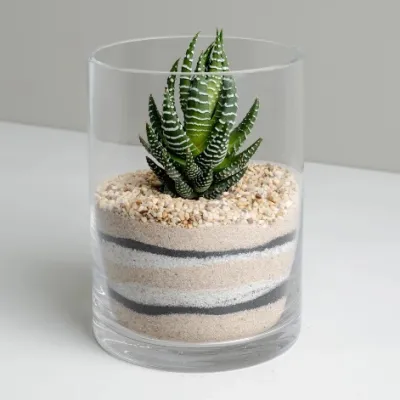
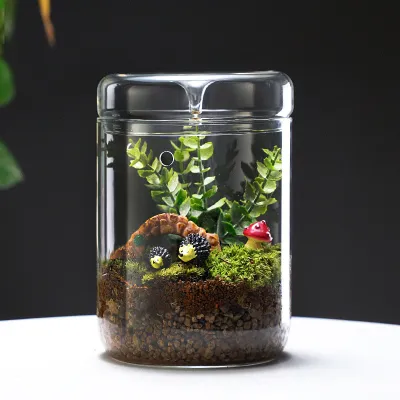
Prices are valid at publication and may change. Please refer to the product page for the latest price.
To help you quickly identify the best direction for your space, the table below maps popular interior design themes to their ideal terrarium characteristics:
| Interior Theme | Terrarium Shape | Frame Material & Finish | Glass Type | Best Suited Plants |
|---|---|---|---|---|
| Modern Minimalist | Cylinder, Cube, Sphere | Frameless or ultra-thin brass | High-clarity seamless glass | Cushion moss, single statement succulents |
| Scandinavian | Clean geometric prisms | Light natural wood or pale copper | Clear, polished-edge glass | Air plants, delicate ferns, moss |
| Bohemian | Teardrop, hanging globes | Brass accents, jute, or macrame | Hand-blown or lightly textured | Trailing ivy, nerve plants, pilea |
| Vintage / Rustic | Apothecary jar, bell jar cloche | Aged brass, dark wood base | Thick, antique-style or ribbed | Cryptanthus, selaginella, miniature ferns |
| Industrial | Angular cases, Wardian designs | Heavy matte black iron or steel | Clear, paneled flat glass | Tillandsia, haworthia, structural cacti |
| Contemporary Urban | Asymmetrical prisms, polygons | Gunmetal, chrome, or black solder | Tinted or highly reflective glass | Fittonia, dwarf palms, syngonium |
When you are browsing online collections or evaluating a specific fanon glass terrarium, your first step should be to analyze its structural elements. Look closely at the metal soldering, the thickness of the glass, and the overall silhouette to determine which category the piece fits into. Matching these physical details to your room’s existing metal finishes and furniture lines ensures that the new addition enhances the room’s visual flow rather than clashing with it.
Modern Minimalist and Scandinavian Interiors
Modern minimalist and Scandinavian (Scandi) design philosophies center on simplicity, functionality, and a deep connection to natural elements. In these light-filled, uncluttered spaces, a terrarium should not introduce visual noise; instead, it should act as a clean, architectural accent that celebrates negative space and organic form.

Geometric and Clean-Line Designs
Multi-faceted geometric shapes, such as dodecahedrons, octahedrons, or clean cubes, work exceptionally well in minimalist environments. Opt for vessels with incredibly thin, unobtrusive metal soldering in soft brass, silver, or frameless bonded glass. These sharp, clean angles mimic modern architectural lines while allowing maximum light to pass through, keeping the overall look airy and light.
The beauty of a geometric terrarium in a minimalist room lies in its clean lines. The sharp metal edges frame the organic, chaotic growth of the plants inside, creating a striking contrast between human-made structure and raw nature. This juxtaposition draws attention without overwhelming the surrounding decor.
Cylindrical and Open-Air Glass
For a true Scandinavian feel, look for simple, seamless cylindrical tubes, wide-mouthed open bowls, or glass canisters with light oak or cork lids. The complete absence of dark metal frames ensures that the focus remains entirely on the natural beauty of the plants and the clean layers of the substrate. This style emphasizes transparency and simplicity, aligning perfectly with the “less is more” ethos.
These frameless glass vessels are incredibly versatile, making them ideal for small Singaporean apartments or HDB flats where maximizing light and visual openness is crucial. They blend into the background while still providing a refreshing pop of living color.
Styling Tips for Minimalist & Scandi Spaces:
- Placement: Position your terrarium on a light oak console table, a floating white shelf, or a low-profile minimalist coffee table.
- Plant Selection: Keep the plant palette highly restrained. Use a single, striking statement succulent like a Haworthia, or create a serene, velvety landscape using only neat cushion moss (Leucobryum glaucum) and white decorative stones.
- Substrate Styling: Use clean, distinct layers of white sand, activated charcoal, and dark soil to create a neat, graphic cross-section that serves as its own minimalist pattern.
Bohemian, Vintage, and Rustic Aesthetics
If your home embraces the warmth of bohemian styling, the nostalgia of vintage decor, or the rugged charm of rustic design, your terrarium should reflect this rich texture. These aesthetics thrive on history, layered patterns, and cozy, organic elements, calling for glassware that feels hand-crafted, storied, and deeply connected to the earth.
Apothecary and Bell Jar Styles
Vintage-inspired glass cloches, bell jars with ornate glass knobs, and classic apothecary-style bottles are perfect matches for these warm interiors. These styles evoke the charm of a 19th-century naturalist’s study or a cabinet of curiosities. The thicker, sometimes slightly bubbled or ribbed glass adds an instant sense of history and character to your shelving.
An apothecary jar or a footed glass cloche acts as a beautiful time capsule. When placed alongside antique books, brass candlesticks, or distressed wood furniture, it enhances the cozy, lived-in story of the room while protecting a delicate, humid micro-ecosystem inside.
Hanging and Macrame Terrariums
To capture the free-spirited energy of a bohemian home, consider teardrop or spherical hanging glass globes. These vessels are designed to be suspended from the ceiling or wall brackets using intricate macrame hangers, rustic jute ropes, or weathered leather cords. Hanging terrariums are excellent for utilizing vertical space and adding layers of height to your indoor jungle.
Suspended glass globes catch the light beautifully at eye level. They break up the straight lines of doors and windows, introducing soft, organic curves and rich textile textures into the room through their hanging cords.
Styling Tips for Boho, Vintage & Rustic Spaces:
- Placement: Nestled among a cluster of potted houseplants on a wooden plant stand, suspended in a sunny corner near sheer curtains, or placed on a rustic mantelpiece.
- Plant Selection: Embrace lush, wild variety. Use trailing plants like English ivy (Hedera helix) or string of turtles (Peperomia prostrata) that can spill out of open globes. Combine them with textured ferns, colorful nerve plants (Fittonia), and patterned prayer plants.
- Hardscaping: Incorporate natural, weathered elements inside the glass, such as pieces of gnarled driftwood, cork bark, and varied river stones, to mimic a wild forest floor.
Industrial and Contemporary Urban Spaces
Industrial and contemporary urban designs are characterized by raw materials, exposed structural elements, high-contrast color palettes, and sleek finishes. To stand its ground in these bold, edgy spaces, a terrarium needs to have a strong structural presence and clean, high-impact lines.
Black Metal Framed and Grid Designs
For an industrial loft aesthetic, look for terrariums constructed with heavy, matte black metal framing, distinct grid patterns, or prominent riveted details. These designs echo the look of classic factory window panes, exposed iron piping, and structural steel beams. The dark, heavy frames provide a stark, graphic border that makes the bright green foliage inside pop with dramatic intensity.
These black-framed cases, often styled after traditional Victorian Wardian cases, bring a sense of weight and architectural significance to a room. They feel substantial and deliberate, making them excellent focal points on large surfaces.
Asymmetrical and Architectural Shapes
Contemporary urban spaces also welcome highly unconventional, asymmetrical, or slanted-roof glass structures. Prism shapes that lean to one side or feature sharp, irregular angles fit perfectly alongside modern art and high-end tech. These architectural designs feel cutting-edge and artistic, serving as conversation starters as much as plant containers.
These sharp, angular lines look exceptionally striking when viewed against bare concrete walls, exposed brickwork, or matte-painted surfaces, bridging the gap between cold industrial elements and warm, living nature.
Styling Tips for Industrial & Contemporary Spaces:
- Placement: Display your terrarium on a raw concrete countertop, a matte black metal shelving unit, or a dark, reclaimed wood dining table.
- Plant Selection: Choose structural, architectural plants that match the edgy vibe. Air plants (Tillandsia) with their spiky, silvery leaves are perfect, as are sharp-leafed succulents like Sansevieria or unique cacti.
- Substrate Styling: Ditch the traditional light river rocks and opt for dark gray slate chips, black volcanic lava rock, or charcoal gravel to maintain a moody, high-contrast aesthetic inside the vessel.
Key Selection Criteria for Your Glass Terrarium
While aesthetic compatibility is incredibly important for your home decor, a terrarium is ultimately a home for living organisms. To ensure your investment remains beautiful, healthy, and safe over the long term, you must evaluate several practical, non-aesthetic criteria before purchasing.
Dimensions and Proportions
Before choosing a vessel, measure the exact surface where you plan to display it. A terrarium should respect the scale of its surroundings; a tiny globe will look lost on a massive, eight-seater dining table, while a large, heavy Wardian case can easily overwhelm a delicate bedside table. Consider both the footprint and the height of the glass to ensure it sits comfortably within the visual field of the room.
Keep weight in mind as well. A large glass terrarium filled with damp soil, drainage gravel, and heavy rocks can become surprisingly heavy. Ensure that floating shelves or glass-topped tables are rated to support the weight of a fully loaded, watered ecosystem.
Opening Size and Maintenance Access
One of the most overlooked aspects of terrarium design is how easy it is to access the inside. Vessels with incredibly narrow necks, like vintage demijohns or narrow apothecary bottles, require specialized long-handled tweezers, scissors, and a great deal of patience to plant and prune. If you are a beginner, look for wide-open bowls, removable glass cloches, or geometric designs with large, hinged doors.
Easy access makes routine maintenance—such as wiping away condensation, pruning yellowing leaves, and cleaning the glass—a quick and enjoyable task rather than a frustrating chore. If you cannot easily reach the bottom of the vessel with your hand, ensure you are prepared to invest in dedicated terrarium aquascaping tools.
Ventilation and Plant Compatibility
The structural design of your terrarium dictates the type of plants that can survive inside it. This is the most critical functional division in terrarium styling:
- Closed Terrariums: These feature a lid, stopper, or door that seals the environment. They trap moisture, creating a self-sustaining, high-humidity greenhouse effect. This setup is perfect for tropical plants, ferns, mosses, and nerve plants. Arid plants like succulents and cacti will quickly rot and die in a closed, humid environment.
- Open Terrariums: These have large, permanent openings that allow constant airflow. They do not trap humidity, making them dry and well-ventilated. This is the mandatory choice for succulents, cacti, and air plants, which require dry soil and excellent air circulation to thrive.
Material Quality and Safety
High-quality construction is essential for both safety and durability. When evaluating options, especially when examining premium listings like a fanon glass terrarium, verify the physical specifications rather than relying solely on styled marketing photos. Look for the following quality indicators:
- Glass Thickness and Clarity: Ensure the glass is thick enough to resist accidental cracks and has high clarity (low iron content) so it does not cast a heavy green tint over your plants.
- Polished Edges: For frameless or open glass designs, check that all exposed edges are smoothly polished and rounded to prevent cuts during planting or cleaning.
- Solder and Joint Quality: For metal-framed designs, look for lead-free solder that is neatly applied. The joints should be sturdy, watertight, and treated with a rust-resistant finish, as they will be constantly exposed to moisture from watering and plant transpiration.
- Stable, Weighted Base: The vessel should have a flat, wide, and weighted base to prevent it from easily tipping over, especially if you have curious pets or young children at home.
Frequently Asked Questions (FAQ)
Can I mix different terrarium styles in one room?
Yes, you can absolutely mix different terrarium styles in a single room, provided you establish a unifying visual element to tie them together. To prevent the display from looking cluttered or chaotic, keep the plant palette consistent across the different vessels, or use the exact same substrate layers (such as matching white gravel or black volcanic sand) in each one. It is also wise to avoid mixing too many conflicting metal finishes in a small area; for instance, try not to place a bright copper geometric prism directly next to a heavy, rustic matte black iron case. Keeping the metals in the same color family maintains a cohesive look.
How do I clean the glass without damaging the plants inside?
To clean the inside of your terrarium glass without harming your delicate plants, use a soft, lint-free microfiber cloth slightly dampened with distilled water. For hard-to-reach spots in narrow-necked vessels, you can wrap the damp microfiber cloth around a pair of long wooden chopsticks or use a specialized magnetic glass cleaner designed for small aquariums. Never spray chemical glass cleaners, ammonia, or harsh detergents directly into the terrarium. The chemical fumes and liquid runoff can easily saturate the soil, poisoning the plants and permanently disrupting the sensitive microenvironment inside the closed system.
Are open or closed terrariums better for Singapore's tropical climate?
In Singapore’s naturally hot and humid equatorial climate, open terrariums are generally much easier to maintain for indoor spaces. Because ambient humidity is already high, closed terrariums can easily overheat, develop harmful mold, or suffer from root rot if they are placed in un-air-conditioned rooms or exposed to any direct afternoon sunlight, which creates a damaging greenhouse effect. If you wish to keep a closed terrarium in Singapore, it is highly recommended to place it in a consistently cool, air-conditioned room, keep it entirely out of direct sunlight, and carefully monitor the condensation levels daily, opening the lid occasionally to let fresh air circulate.
Community discussion
Share your experience or ask a question. Comments are reviewed before publication.