
Gourd pendants, traditionally celebrated for their distinctive double-bulbed silhouette, are crafted from a wide array of materials including jade, gold, silver, and natural wood. Each material infuses the classic shape with its own unique symbolic meaning, transforming the pendant from a simple accessory into a deeply personal emblem. Selecting the right piece requires understanding these cultural associations while balancing practical factors like durability, skin sensitivity, and daily maintenance.
Understanding the Core Symbolism of the Gourd Shape
The gourd, historically known as the hulu, carries a foundational meaning of health, longevity, and protection. Its physical structure—featuring a narrow mouth, a slender neck, and a wider bottom—is traditionally believed to absorb and trap negative energy, preventing it from affecting the wearer. This unique shape acts as a baseline of harmony and balance, which is then enhanced by the specific properties of the material from which it is carved or cast.
When selecting a gourd pendant, the physical execution of this shape is just as important as the material itself. A well-crafted piece should display clear symmetry, smooth curves, and a balanced proportion between the upper and lower bulbs. Inspecting these structural details ensures that the pendant not only looks elegant but also honors the traditional aesthetic balance of the design.
Products mentioned in this guide
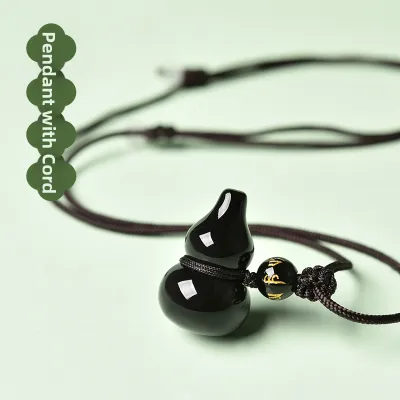
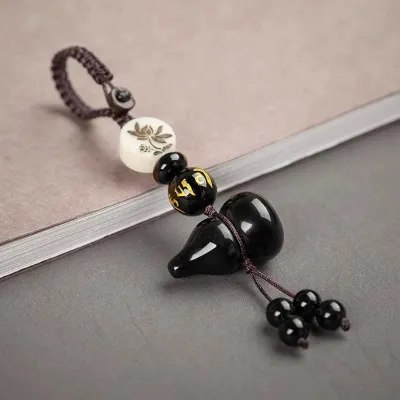
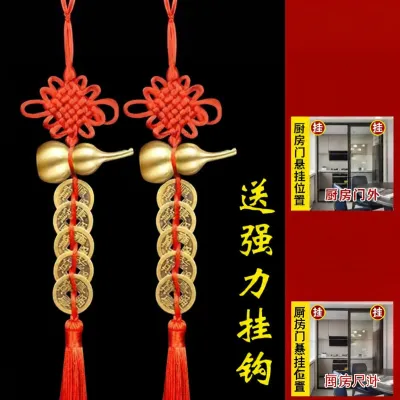
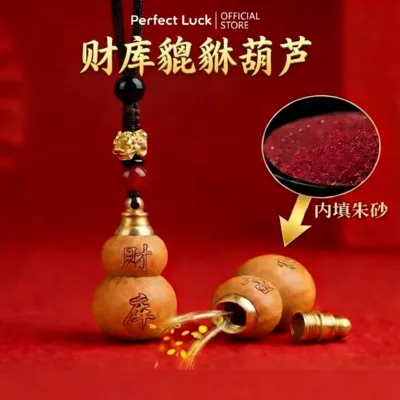
Prices are valid at publication and may change. Please refer to the product page for the latest price.
Common Materials and Their Distinct Cultural Meanings
The material of a gourd pendant acts as a lens, focusing and refining its symbolic energy to match specific personal intentions.

Jade and Gemstones
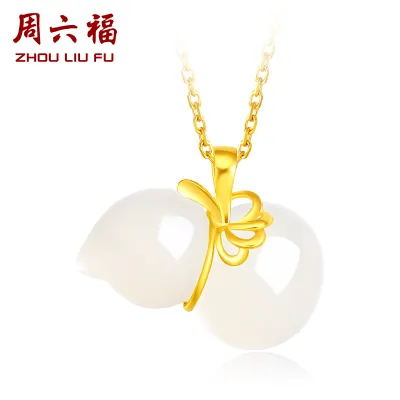
Jade has long been revered for its association with purity, moral integrity, and protective energy. In many cultures, it is considered a living stone that absorbs the wearer’s aura, growing more lustrous and vibrant over time. Green jade is particularly tied to vitality and growth, while white jade symbolizes peace and clarity.
When purchasing a jade gourd pendant, it is essential to verify the authenticity and quality of the stone. Buyers should check for natural color variations, microscopic inclusions, and the presence of any structural fractures that could compromise durability. Requesting an independent laboratory certification is a reliable way to confirm whether the jade is natural and untreated. Additionally, consider the weight of the stone; a solid jade pendant should feel comfortably substantial without straining the neck during daily wear.
Gold and Silver
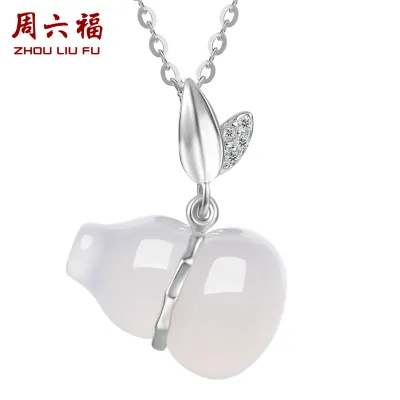
Precious metals bring a different dimension of symbolism, focusing heavily on prosperity, refinement, and purification. Gold, with its brilliant and unyielding luster, is universally linked to wealth accumulation, success, and enduring value. A gold gourd pendant is often chosen to attract abundance and mark significant life milestones. Silver, on the other hand, is traditionally associated with clean energy, purification, and warding off negative influences.
From a practical standpoint, buyers must check the purity hallmarks stamped on the metal, such as 999 or 916 for gold, and 925 for sterling silver. For individuals with sensitive skin, choosing high-purity metals is crucial to avoid allergic reactions often caused by nickel or copper alloys found in lower-grade mixtures. Furthermore, precious metals require regular upkeep; silver is prone to natural tarnishing when exposed to air and moisture, while gold can lose its shine due to skin oils, requiring routine polishing with a soft jewelry cloth.
Wood and Natural Resins
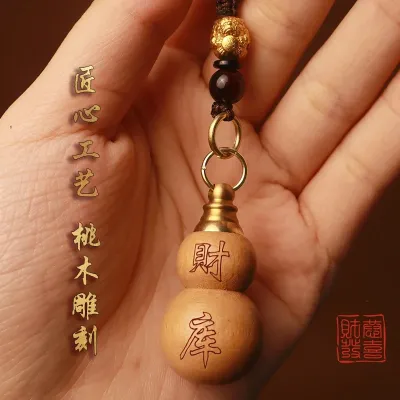
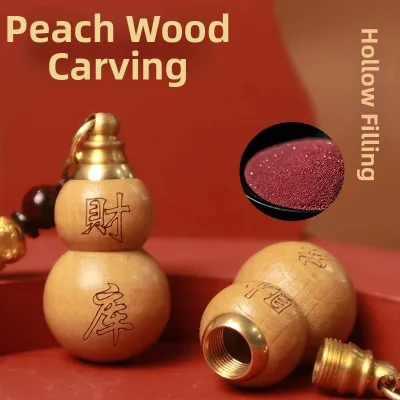
Organic materials like sandalwood, peachwood, or agarwood offer a grounded, natural connection to the earth. Peachwood is traditionally favored for its protective qualities and its association with warding off misfortune. Aromatic woods, such as sandalwood, provide a subtle, calming scent that enhances personal mindfulness and stress relief throughout the day.
However, organic materials are highly sensitive to environmental factors. Wood is porous and susceptible to moisture, sweat, and extreme temperature shifts, which can cause the pendant to swell, crack, or lose its natural finish. To ensure longevity, verify that the wood has been treated with a safe, protective natural wax or oil rather than heavy synthetic lacquers. Checking the natural grain patterns and weight can also help you distinguish authentic wood from plastic or resin imitations.
How to Choose the Right Material for Your Purpose
Selecting the perfect gourd pendant involves aligning the material’s symbolic properties with your personal lifestyle and goals. If your primary focus is attracting prosperity or celebrating a career achievement, a gold or yellow gemstone pendant serves as an ideal symbol. For those seeking personal balance, health, or a protective talisman, jade or natural peachwood offers a more aligned energy.
Your daily routine and environment should also play a major role in your decision. For instance, in warm and humid climates like Singapore, jewelry is frequently exposed to sweat and humidity. Active individuals or those who prefer low-maintenance accessories may find durable materials like high-purity gold or solid jade more practical than wood or sterling silver, which require strict moisture control.
Finally, balance your budget with the quality of craftsmanship. A beautifully carved silver or wooden pendant can offer exceptional detail and deep personal meaning at a more accessible price point than fine jadeite or solid gold. Always inspect the bail—the loop where the chain passes through—to ensure it is sturdy enough to support the weight of the pendant over years of wear.
Care and Maintenance by Material Type
Preserving the beauty and structural integrity of your gourd pendant requires material-specific care. For jade and gemstone pendants, clean them gently using a soft, damp microfiber cloth. Avoid ultrasonic cleaners, steam cleaning, or harsh household detergents, as these can damage the stone’s surface or weaken treated areas.
Precious metal pendants should be polished regularly with a specialized jewelry cloth to remove tarnish and restore shine. Avoid abrasive scrubs or rough fabrics that can leave permanent scratches on polished gold or silver surfaces. For wooden and organic pendants, keep them entirely dry. Wipe them only with a dry, soft cloth, and avoid contact with water, soaps, perfumes, or body lotions, which can seep into the wood grain and cause cracking.
Store your pendants individually in soft fabric pouches or lined jewelry compartments to prevent them from scratching against other pieces. Keep wooden items away from direct sunlight and air conditioning vents to avoid drying out. If your pendant suffers deep scratches, loose settings, or severe discoloration, stop any DIY cleaning attempts and consult a professional jeweler or artisan for safe restoration.
Frequently Asked Questions (FAQ)
Can I wear a gourd pendant every day regardless of the material?
Daily wear suitability depends entirely on the durability of the material. Solid gold and high-quality jade are robust enough for everyday wear, whereas sterling silver tarnishes quickly with daily sweat, and porous wood can easily degrade when exposed to water. Regardless of the material, always remove your pendant during high-impact activities, swimming, bathing, or sleeping to protect it from physical damage and chemical exposure.
Does the size of the gourd pendant change its symbolic meaning?
No, the physical size of a gourd pendant does not alter its core traditional symbolism. Size primarily influences visual proportion, weight, and personal comfort. While small to medium pendants are perfect for daily neckwear, excessively large gourd pieces are better suited as spatial decor. If used for home decor, ensure they are securely mounted or hung away from high-traffic areas to prevent accidental falls.
Community discussion
Share your experience or ask a question. Comments are reviewed before publication.