
Choosing the right material for a Guanyin statue depends on your primary intention, budget, and the environment where it will stand. For a traditional home altar, ceramic and bronze are highly valued for their classic beauty and spiritual resonance. If you prefer natural textures and hand-carved artistry, wood offers unmatched warmth, though it requires careful climate control. For those seeking a lightweight, highly detailed, and budget-friendly option for modern home decor, resin provides excellent versatility. By understanding how these materials behave under different conditions, you can select a statue that serves its purpose beautifully for years to come.
Defining the Purpose: Worship vs. Decorative Display
Before selecting a material, clarify whether the Guanyin statue will serve as a focal point for daily worship or as a decorative art piece. A statue intended for a home altar or prayer room must withstand daily rituals, which may involve incense smoke, heat from oil lamps, and frequent cleaning. For these sacred spaces, durability, ease of maintenance, and traditional significance are paramount. Materials like ceramic and bronze are classic choices because they resist heat well and carry a deep historical connection to spiritual devotion.
Conversely, if the statue is primarily a decorative display in a living room, study, or entryway, your priorities may shift toward visual detail, lightweight handling, and cost-effectiveness. Decorative pieces are often placed on floating shelves, glass display cabinets, or sideboards where heavy weight could pose a structural risk. In these settings, resin or lighter wood carvings offer excellent aesthetic appeal without requiring heavy-duty support.
Products mentioned in this guide
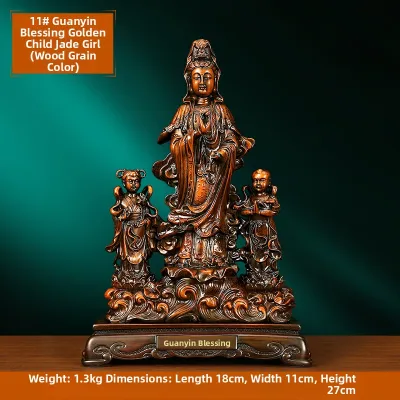
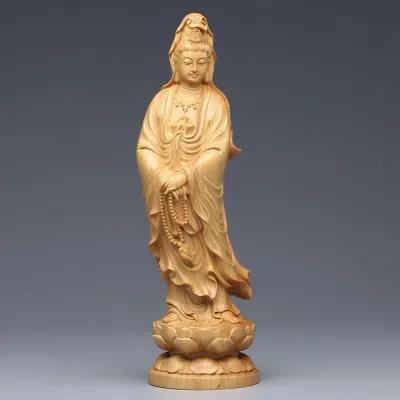
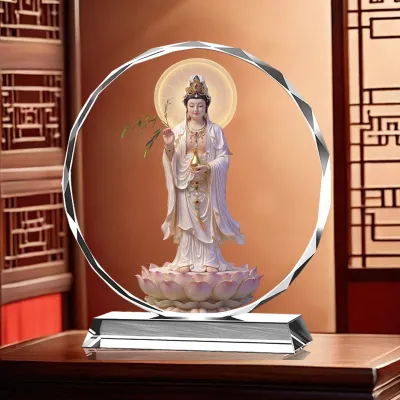
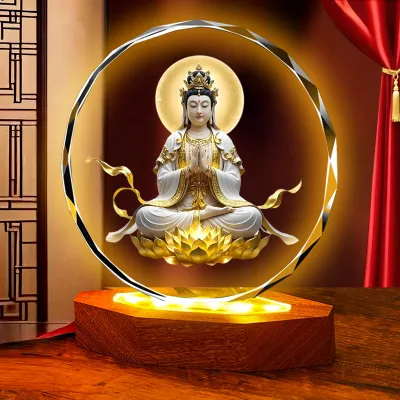
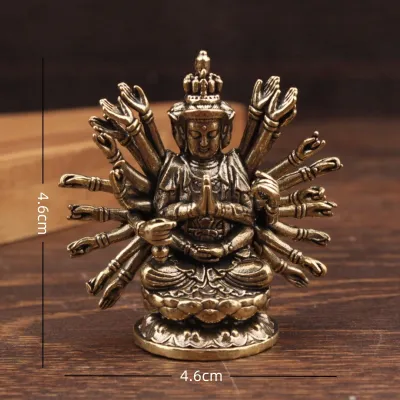
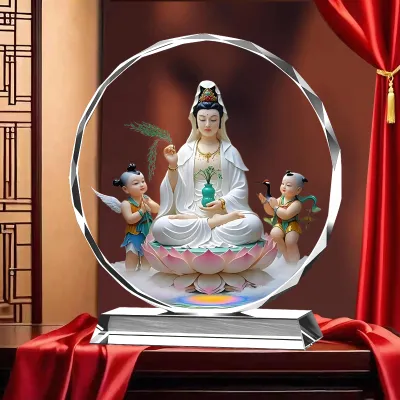
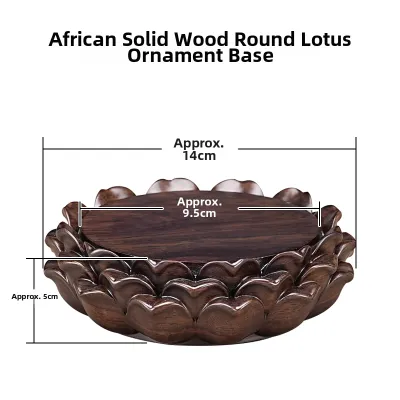
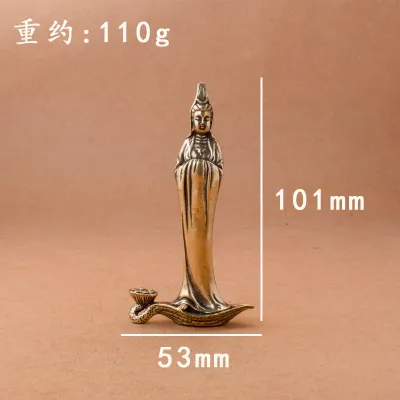
Prices are valid at publication and may change. Please refer to the product page for the latest price.
Environmental factors also play a critical role in your decision. In tropical climates like Singapore, high indoor humidity can affect organic materials like wood, potentially leading to warping or mold if the space is not well-ventilated. Similarly, placing a statue near a window with direct sunlight can fade painted resin finishes or dry out certain woods. If you plan to place the statue in a semi-outdoor area, such as a sheltered balcony or patio, you must choose a material that can withstand ambient moisture and temperature fluctuations without degrading.
Material Breakdown: Ceramic, Bronze, Wood, and Resin
Each of the four primary materials—ceramic, bronze, wood, and resin—brings a unique set of physical properties, aesthetic qualities, and traditional associations to a space. Selecting the right one involves balancing these characteristics against your personal preferences and practical living conditions.

Ceramic Guanyin Statues
Ceramic Guanyin statues, particularly those made from fine white porcelain, are celebrated for their delicate, smooth finishes and elegant presence. The glossy glaze reflects light beautifully, highlighting the soft, serene facial expressions and intricate folds of the deity’s robes. Ceramic allows for incredibly fine detailing, making it a highly popular choice for traditional representations of Guanyin.
However, ceramic is inherently brittle and fragile. It is highly susceptible to chipping or cracking if bumped, requiring a stable, secure location away from high-traffic areas or curious pets. Ceramic statues can also be surprisingly heavy, especially solid or thick-walled pieces, meaning they must be placed on sturdy, level surfaces. They are best suited for indoor altars, enclosed glass display cabinets, or dedicated niches where they are fully protected from accidental impacts.
Bronze Guanyin Statues
Bronze Guanyin statues convey a sense of permanence, weight, and premium craftsmanship. This metal has been used for centuries to cast sacred images, and its substantial physical presence commands immediate respect. Over time, bronze naturally develops a rich patina that adds depth and character to the statue, though it can also be polished to maintain a bright, golden, or metallic luster.
The primary practical limits of bronze are its high relative cost and significant weight. Casting bronze is a labor-intensive process, making these statues a major investment. Additionally, their heavy structure requires robust support; a large bronze statue cannot safely sit on a standard glass shelf or a lightweight wall mount. They are ideal for permanent home shrines, dedicated ancestral altars, or heavy wooden pedestals where they can serve as heirloom pieces passed down through generations.
Wood Guanyin Statues
Wood Guanyin statues are prized for their natural warmth, unique grain patterns, and the distinct touch of hand-carved artistry. Common woods like camphor, sandalwood, or boxwood emit a subtle, natural fragrance that enhances the peaceful atmosphere of a room. Because wood is carved rather than cast or molded, each statue possesses individual variations in texture and form, making it a unique work of art.
The main challenge with wood is its sensitivity to the surrounding environment. Wood is highly vulnerable to humidity fluctuations, which can cause the material to expand, contract, and eventually crack. In humid tropical environments, unsealed wood can also attract mold or wood-boring insects if not kept in a dry, well-ventilated space. Wood statues are best suited for climate-controlled indoor rooms, such as air-conditioned studies or living areas, where temperature and moisture levels remain relatively stable.
Resin Guanyin Statues
Resin Guanyin statues represent a modern, highly versatile, and cost-effective alternative to traditional materials. Using advanced molding techniques, manufacturers can create resin statues that mimic the appearance of wood, bronze, stone, or ivory with remarkable accuracy. This allows buyers to enjoy highly detailed, complex designs at a fraction of the cost of carved wood or cast metal.
Despite their versatility, resin statues have practical limits. They are lightweight, which makes them easy to move but also easier to knock over accidentally. Prolonged exposure to direct sunlight or UV rays can cause the colors to fade or the material to become brittle over time. Resin also lacks the traditional prestige and substantial weight of bronze or ceramic. It is the ideal choice for budget-conscious buyers, temporary altar setups, or large decorative displays where ease of handling and affordability are key.
Practical Trade-Offs: Budget, Maintenance, and Placement
When making your final selection, you must weigh several practical trade-offs that go beyond pure aesthetics. Budget is often the first major consideration. Generally, resin is the most affordable option, followed by ceramic, while high-quality wood carvings and cast bronze statues sit at the premium end of the spectrum. However, these price points are not absolute; a highly detailed, hand-painted ceramic statue from a renowned kiln can easily cost more than a simple bronze casting. Size, level of craftsmanship, and brand reputation will always play a significant role in the final price, whether your budget is under S$100 for a modest resin piece or over S$1,000 for a hand-carved wooden heirloom.
Maintenance routines also vary widely across these materials. Ceramic is perhaps the easiest to maintain, requiring only a gentle wipe with a damp cloth to remove dust and soot from incense. Bronze requires occasional dusting and, depending on your preference, periodic polishing with specialized wax to preserve its shine or manage the natural oxidation process. Wood demands the most care, as it must be kept away from dampness and may require occasional oiling to prevent the wood from drying out and cracking. Resin is relatively low-maintenance but must be kept out of direct sunlight to prevent discoloration.
Placement safety is another critical factor, particularly regarding weight limits. Before purchasing, verify the load-bearing capacity of your display furniture. A large bronze or ceramic statue can weigh several kilograms, which may exceed the limits of floating wall shelves, glass-fronted cabinets, or delicate console tables. Ensure that your chosen surface is perfectly level and sturdy enough to prevent any wobbling, especially in households with children or pets where a falling statue could cause injury or break.
The Final Decision Framework
To help you choose the ideal material for your Guanyin statue, consider the following conditional guidelines based on your specific home environment and goals:
- Choose Ceramic if: You want a traditional, smooth-glazed look for a protected indoor altar, appreciate fine porcelain details, and can guarantee a stable, secure placement where the statue will not be bumped or knocked over.
- Choose Bronze if: You are looking for a permanent, heirloom-quality piece for a dedicated shrine, prefer a substantial and heavy metallic presence, and have both the budget and the sturdy furniture required to support its weight.
- Choose Wood if: You appreciate natural warmth, unique grain patterns, and hand-carved craftsmanship, and you can place the statue in a dry, climate-controlled indoor space with stable humidity levels.
- Choose Resin if: You need a lightweight, budget-friendly, and highly detailed statue for flexible decorative placement, or if you want the look of bronze or stone without the associated weight and cost.
- Neither may fit if: You plan to place the statue in a highly humid, unventilated space or an exposed outdoor area without first confirming specific weatherproofing treatments and material suitability with the manufacturer.
- Verify first if: You are purchasing a large or exceptionally heavy piece. Always check the manufacturer's weight specifications and ensure your display shelves, pedestals, or altars are rated to support that load safely.
Frequently Asked Questions (FAQ)
How should I clean and dust my Guanyin statue without damaging it?
For general maintenance, use a soft, dry microfiber cloth to gently remove dust from the statue’s surface. This method is safe for all materials and prevents scratches on delicate glazes or polished metals. Before using any liquid cleaners, water, or damp cloths, check the manufacturer’s care instructions, as moisture can damage unglazed wood, strip painted details from resin, or alter the patina on bronze. Avoid using abrasive scrubbers, harsh chemical cleaners, or household detergents, as these can permanently damage protective coatings, glazes, or natural wood finishes.
Is it respectful to place a Guanyin statue in a bedroom or bathroom?
According to traditional cultural guidelines, sacred statues like Guanyin should ideally be placed in respectful, public areas of the home, such as the living room or a dedicated prayer room, rather than private or utilitarian spaces like bedrooms and bathrooms. If space constraints in smaller apartments make bedroom placement unavoidable, practical steps can be taken to maintain respect, such as placing the statue on a high shelf, using a small folding screen to partition the space, or keeping it inside a cabinet with doors that can be closed when not in use. Alternatively, you might choose a purely decorative, non-consecrated artistic representation of Guanyin that serves as a peaceful visual element rather than an active object of worship.
Community discussion
Share your experience or ask a question. Comments are reviewed before publication.