
Selecting the most energy-efficient solar street lights for Singapore’s outdoor spaces requires looking beyond brand names and focusing on verified technical specifications. Because Singapore experiences high ambient temperatures, frequent cloud cover, and intense monsoon seasons, a light’s real-world efficiency depends on how well its solar panels, batteries, and LED chips are integrated to handle these specific tropical conditions. To secure long-term energy savings and reliable illumination, you must evaluate the conversion rate of the photovoltaic panels, the luminous efficacy of the LEDs, and the intelligence of the charge controllers.
By understanding how these components interact, you can make an informed decision that balances initial costs with long-term performance. This guide establishes a clear framework for assessing solar street light efficiency, verifying hardware durability, and identifying reliable manufacturers that offer genuine support in the local market.
Key Criteria for Evaluating Solar Street Light Energy Efficiency
To establish a core framework for assessing the true energy efficiency of solar street lights, you must look past basic marketing claims and analyze the individual components that dictate power generation, consumption, and management. The efficiency of a solar lighting system is not determined by a single feature, but rather by the synergy between the photovoltaic panel, the LED light engine, and the internal charge controller.
Products mentioned in this guide
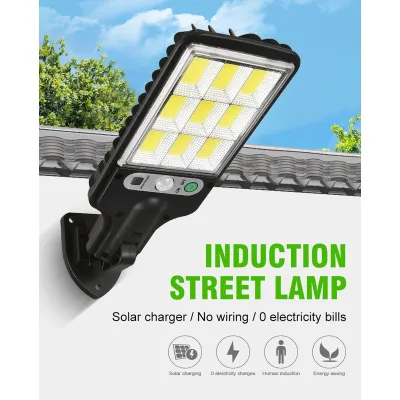
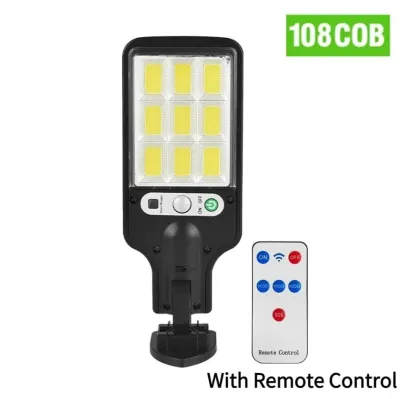
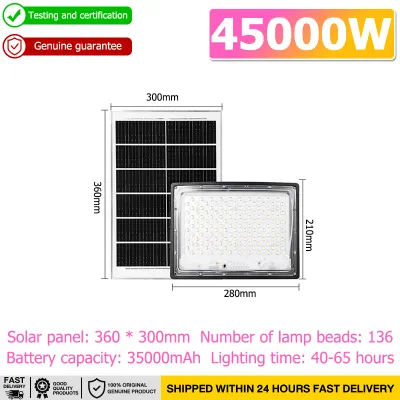
Prices are valid at publication and may change. Please refer to the product page for the latest price.
Solar panel technology is the starting point of the energy cycle. Monocrystalline silicon panels are the industry standard for high-efficiency applications, typically offering conversion rates between 19% and 22%. In contrast, polycrystalline panels are less efficient, usually hovering between 15% and 17%, and require a significantly larger surface area to generate the same amount of power. In Singapore, where urban shading from high-rise buildings and mature trees is common, maximizing the power output per square meter is essential, making monocrystalline panels the preferred choice for space-constrained outdoor installations.
Once energy is captured, the efficiency with which it is converted into visible light depends on the LED chip’s luminous efficacy, measured in lumens per watt (lm/W). High-quality LED chips can deliver upwards of 160 to 200 lm/W, whereas lower-grade alternatives might only produce 100 to 120 lm/W. Choosing a fixture with higher luminous efficacy means you get more brightness for every watt of stored battery power consumed, allowing for smaller battery sizes and lower overall system costs. Additionally, the optical lens design plays a critical role; asymmetrical lenses direct light precisely onto the pathway or driveway rather than scattering it into the sky, reducing wasted energy and minimizing light pollution.
How this energy is managed throughout the night is determined by the charge controller and its dimming capabilities. Maximum Power Point Tracking (MPPT) controllers are significantly more efficient than older Pulse Width Modulation (PWM) controllers, especially in fluctuating weather conditions. MPPT controllers continuously adjust the electrical operating point of the modules to extract the maximum available power from the solar panel. When paired with smart dimming profiles—such as microwave motion sensors that drop the light output to 30% when no activity is detected, or time-based programming that dims the light during the quietest hours of the early morning—you can drastically extend the runtime of the fixture without needing an oversized battery.
Essential Specifications to Verify for Tropical Climates
Singapore’s tropical climate presents unique challenges for outdoor electronic hardware, characterized by high ambient temperatures, persistent humidity, and heavy rainfall. To ensure your solar street lights maintain their energy efficiency and do not suffer premature failure, you must verify that the hardware specifications are engineered to withstand these demanding environmental conditions.

The battery chemistry is the most critical factor in determining the longevity and safety of a solar street light in a hot climate. Lithium Iron Phosphate (LiFePO4) batteries have emerged as the superior choice for tropical environments. They offer excellent thermal stability, a high tolerance for deep discharges, and a long cycle life—often exceeding 2,000 to 3,000 charge-discharge cycles before capacity degrades significantly. Standard Lithium-ion (NMC) batteries are more sensitive to high ambient temperatures, which can accelerate their degradation and pose safety risks if thermal management is inadequate. Lead-acid batteries are outdated, bulky, and highly susceptible to rapid capacity loss in hot weather, making them unsuitable for long-term outdoor use.
High ambient temperatures can also cause LED chips and batteries to overheat, reducing their efficiency and lifespan. Look for fixtures constructed from die-cast aluminum with integrated heat sinks rather than cheap plastic housings. Aluminum conducts heat away from sensitive electronic components much more effectively than plastic or thin sheet metal. The physical design should feature ventilation channels or fins that encourage natural convection, keeping the internal operating temperature within safe limits even during the hottest tropical afternoons.
Singapore’s monsoon seasons bring heavy, driving rain and high humidity levels. To prevent moisture from penetrating the housing and causing short circuits or corrosion, solar street lights must have a robust Ingress Protection (IP) rating. An IP65 rating is the minimum requirement, indicating protection against dust and water jets. However, for long-term durability in exposed outdoor locations, an IP66 or IP67 rating is highly recommended. These ratings ensure the fixture remains completely sealed against torrential downpours and high-humidity air, preserving the integrity of the internal wiring and electronic controllers.
How to Identify Reliable Brands and Avoid Misleading Claims
Navigating the solar lighting market can be challenging due to the abundance of unbranded products and exaggerated performance claims on online marketplaces. To protect your investment, you must employ practical strategies to filter out unreliable products and verify the credibility of manufacturers and sellers.
Always look for brands that provide comprehensive, verifiable datasheets backed by third-party testing certifications. Look for compliance with international standards such as IEC (International Electrotechnical Commission) for solar panels and batteries, and CE or RoHS certifications for electrical safety and environmental compliance. A reputable manufacturer will readily share these test reports and detailed specifications rather than relying on vague marketing buzzwords. If a seller cannot provide official certification documents or detailed technical datasheets, it is best to look elsewhere.
Scrutinize the warranty terms carefully, as they are a strong indicator of a manufacturer’s confidence in their product’s durability. A reliable solar street light should come with a multi-year warranty that clearly outlines the coverage for individual components. For instance, the solar panel might carry a 10-year performance warranty, while the LED light engine and the battery should ideally be covered for at least 3 to 5 years. Be wary of brands that offer a blanket one-year warranty on the entire system, as this often indicates that the battery or controller is of lower quality and may fail shortly after the warranty expires.
Unrealistic lumen claims are a common red flag in the solar lighting industry. If a compact, inexpensive fixture claims to output 10,000 lumens while paired with a tiny solar panel and a small battery, the math simply does not add up. To produce 10,000 lumens for a full 12-hour night, the system would require a substantial solar panel and a high-capacity battery that cannot physically fit into a small, cheap housing. Another red flag is the lack of local after-sales support. Purchasing from a brand with a physical presence or an authorized distributor in Singapore ensures you can easily source replacement parts, such as batteries or sensors, and access technical assistance when needed.
Installation and Maintenance Considerations for Long-Term Savings
Proper installation and routine upkeep directly impact the sustained energy efficiency and overall lifespan of your solar street lights. Even the most advanced, high-efficiency fixture will underperform if it is poorly positioned or neglected after installation.
Solar panel orientation and tilt angle are critical for maximizing energy generation. In Singapore, which lies just north of the equator, solar panels should ideally be installed with a slight tilt of 5 to 15 degrees facing either north or south to maximize year-round sun exposure. This tilt is also crucial for self-cleaning, as it allows rainwater to wash away accumulated dust and debris. Shading is the enemy of solar efficiency; even partial shading from a single tree branch or a nearby building can reduce a solar panel’s power output by 50% or more. Conduct a thorough site assessment before installation to ensure the panel receives unobstructed sunlight during peak daylight hours.
While Singapore’s frequent rain helps wash away some dirt, a layer of fine dust, bird droppings, and atmospheric soot can gradually build up on the glass surface of the solar panel. This buildup blocks sunlight and reduces photoelectric conversion efficiency. Establishing a routine cleaning schedule—such as wiping down the panels with water and a soft cloth every six months—will help maintain optimal energy generation. Avoid using abrasive cleaners or harsh chemicals that could scratch or damage the tempered glass or anti-reflective coatings.
While cleaning the solar panel and checking for physical damage are tasks that property owners can safely perform, certain maintenance activities require qualified professionals. If the solar street light is installed at a significant height, such as on a tall pole, any maintenance or troubleshooting must be performed by professionals equipped with the proper safety gear and climbing equipment. Furthermore, any tasks involving fixed electrical wiring, system integration, or complex battery replacements should be handled by a licensed electrical technician to ensure compliance with local safety regulations and to prevent electrical hazards. Always isolate the power source before attempting any inspection or repair.
Frequently Asked Questions (FAQ)
Do solar street lights work effectively during Singapore's rainy season?
Yes, high-quality solar street lights are designed to function reliably even during Singapore’s prolonged rainy and overcast periods. To achieve this, manufacturers oversize the solar panels to capture ambient, diffused light on cloudy days and utilize MPPT controllers to maximize charging efficiency. Additionally, these systems are engineered with battery autonomy—the ability of a fully charged battery to power the light for three to five consecutive rainy days without receiving a full charge. Smart dimming profiles also help conserve energy during extended periods of low sunlight.
What is the expected lifespan of a solar street light battery in a tropical climate?
In Singapore’s hot tropical climate, the lifespan of a solar street light battery depends heavily on its chemistry and thermal management. A high-quality Lithium Iron Phosphate (LiFePO4) battery typically lasts between 5 to 8 years, representing around 2,000 to 3,000 charge cycles, provided the fixture has adequate heat dissipation. Standard Lithium-ion (NMC) batteries generally have a shorter lifespan of 3 to 5 years under consistent heat, while traditional lead-acid batteries may fail within 1 to 2 years due to accelerated chemical degradation caused by high ambient temperatures.
Can I integrate solar street lights with existing smart home or security systems?
Integration is possible but depends on the communication protocols supported by the solar street light’s controller. Many commercial-grade solar lights utilize wireless protocols such as Zigbee, LoRa, or cellular networks to connect to a centralized management system. For residential or small-scale commercial integration with smart home hubs or security cameras, you must verify that the fixture includes a compatible wireless module or smart controller. Standalone solar lights without built-in communication hardware operate independently and cannot be integrated into external networks without retrofitting specialized smart controllers.
Community discussion
Share your experience or ask a question. Comments are reviewed before publication.