
Tea-scented candles have captured the attention of home fragrance enthusiasts for their ability to transform indoor spaces into serene, comforting sanctuaries. Whether you are looking to recreate the crisp atmosphere of a morning tea house or the cozy warmth of an afternoon brew, these delicate aromas offer a sophisticated alternative to heavy floral or overly sweet fruit scents. However, navigating the diverse market in Singapore requires more than simply picking a pleasing label. To find a high-quality tea candle that delivers a clean, long-lasting burn and a true-to-life fragrance, you must understand how different tea profiles interact with your living space, evaluate the physical components of the candle, and know how to verify authentic products from reputable brands.
Identify Your Preferred Tea Fragrance Profile
The world of tea-scented candles is incredibly diverse, ranging from the bright and grassy notes of unfermented leaves to the deep, spiced undertones of traditional blends. Selecting the right profile depends heavily on the mood you wish to cultivate and the specific room where the candle will be burned.
Green and white tea notes are celebrated for their fresh, clean, and highly subtle characteristics. These fragrances often incorporate complementary botanical elements such as cucumber, bamboo, jasmine, or light citrus. Because they are uplifting without being overpowering, green and white tea candles are exceptionally well-suited for home offices, study areas, or morning routines. In Singapore’s warm and humid climate, these crisp scents provide a refreshing sensory contrast, making indoor spaces feel airy and open.
Products mentioned in this guide
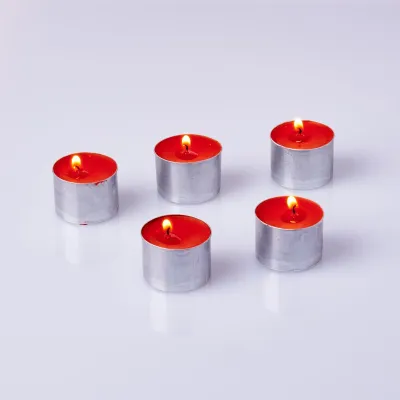
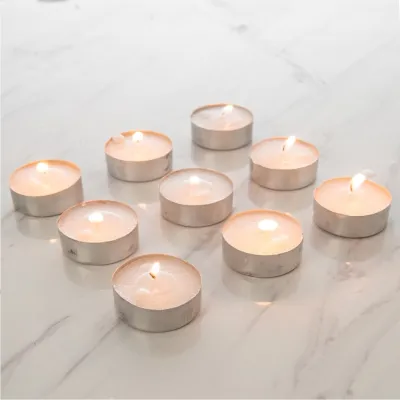
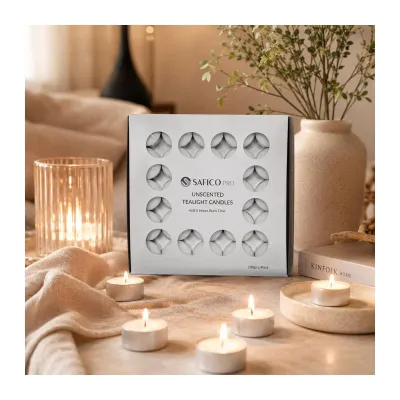
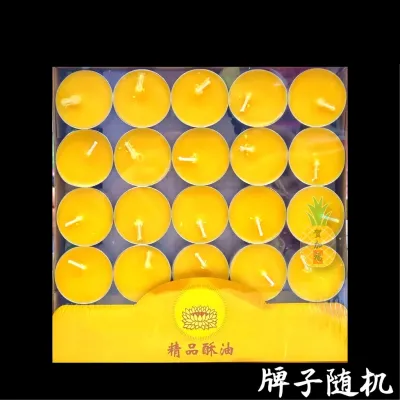
![[SG Stock] Premium Tealight Candle Buddha praying candle 100 pieces 4 hours](https://img.lazcdn.com/g/p/6b9bd993d86fafc4201d726c2f044079.jpg_400x400q80.jpg_.webp)
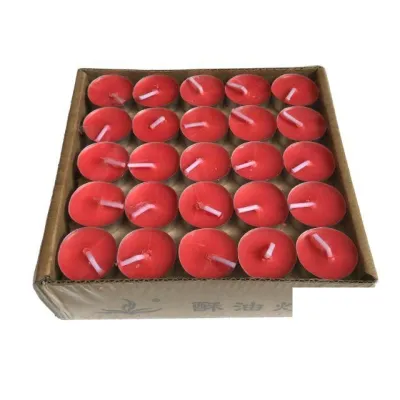
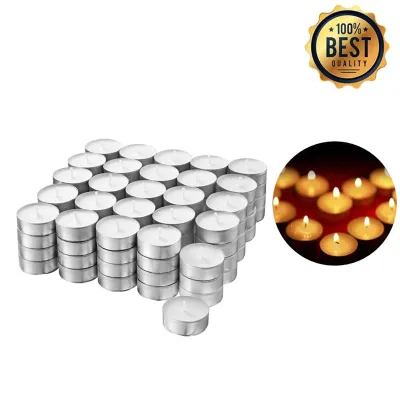
![[Wholesale] 100PCS Ghee Candle 4/8 hours Candle Fragrant Smokeless Ghee Lamp Premium Tealight Candle Buddha Praying Candle](https://img.lazcdn.com/g/p/959f50995aafe84bb80716d18891a71f.jpg_400x400q80.jpg_.webp)
Prices are valid at publication and may change. Please refer to the product page for the latest price.
For a richer and more comforting atmosphere, Earl Grey and black tea notes offer a sophisticated balance of warmth and complexity. Earl Grey is defined by the addition of bergamot, a fragrant citrus fruit that provides a bright, slightly bitter top note that cuts through the robust, malty undertones of black tea. These fragrances are ideal for living rooms, reading corners, or dining areas during the late afternoon. They evoke the classic elegance of a high tea service, creating an inviting environment for guests or quiet relaxation.
Chai and spiced tea notes represent the most intense category, featuring rich blends of cinnamon, cardamom, clove, ginger, and star anise. These candles produce a deeply warming, sweet, and savory aroma that is perfect for evening wind-down routines. While spiced teas might feel heavy in an open, non-air-conditioned space, they perform beautifully in air-conditioned bedrooms or cozy entertainment rooms, wrapping the space in a comforting blanket of scent.
To truly understand what a candle will smell like when lit, you must learn to read the fragrance pyramid on the product label. The top notes are the initial scents you perceive when you first smell the candle cold or immediately after lighting it; for tea candles, this is often citrus, mint, or light herbs. The middle notes, or the heart of the fragrance, emerge as the candle burns and forms a melt pool. This is where the true tea character—such as green tea leaves, black tea accord, or matcha—resides. Finally, the base notes provide the foundation and longevity of the scent, often consisting of amber, musk, cedarwood, or vanilla, which linger in the room long after the flame is extinguished.
Evaluate Candle Quality and Burn Performance
A candle’s fragrance profile is only as good as its physical construction. To ensure you are investing in a product that burns cleanly and distributes its scent effectively, you must evaluate the materials used by the manufacturer.

The wax composition is the most critical factor influencing both the safety and performance of a candle. Soy wax is a highly popular choice among premium brands because it is biodegradable, burns at a lower temperature, and offers a slow, even burn. Coconut wax is another excellent option, known for its superior scent throw—both cold (when unlit) and hot (when burning)—and its smooth, creamy appearance. Beeswax is incredibly clean-burning and naturally purifies the air, though it carries a subtle honeyed aroma that can alter the delicate notes of lighter teas. Paraffin wax, while highly effective at throwing scent, is derived from petroleum and can produce more soot if not formulated correctly. Many high-end brands utilize proprietary wax blends, such as a soy-coconut mix, to capture the clean-burning benefits of soy alongside the exceptional scent throw of coconut.
Fragrance load refers to the concentration of fragrance oil mixed into the wax, typically ranging from 6% to 12% in professional-grade candles. A higher fragrance load does not always guarantee a better experience; if the load is too high, the wax structure can degrade, leading to sweating, uneven burning, or a clogged wick. Reputable brands carefully balance their fragrance oils with the specific wax type to ensure a consistent scent throw that fills a room without causing headaches or respiratory irritation.
When selecting a candle, size and burn time must be matched to your usage habits. For those who enjoy rotating scents or testing new profiles, compact tea candles 100g in size are an ideal starting point. A 100g candle is highly portable, making it perfect for travel or small spaces like bathrooms and study desks. On the other hand, larger jars containing 250g to 500g of wax are designed for spacious living areas and can offer up to a 100-hour burn time. When evaluating these options, always check the manufacturer’s estimated burn hours rather than relying solely on the physical weight, as wax density and wick design heavily influence consumption rates.
The wick is the engine of the candle, and its material dictates how evenly the wax melts. Cotton wicks are the industry standard, offering a reliable, steady flame. Look for lead-free, paper-core, or zinc-free cotton wicks to ensure a clean burn. Wood wicks have gained popularity for their distinct crackling sound, which adds an auditory layer of comfort to the tea-drinking ambiance. However, wood wicks require more diligent maintenance, as they must be trimmed very short before every burn to prevent the flame from sputtering or dying out.
Source and Verify Authentic Brands in Singapore
As the popularity of home fragrances grows, the Singapore market has seen an influx of both local artisanal makers and international luxury brands. Ensuring you purchase an authentic, high-quality product requires careful selection of your shopping channels.
Physical retail remains one of the best ways to shop for tea-scented candles, as fragrance is highly subjective. Visiting lifestyle boutiques, specialty home fragrance stores, and established department stores in major shopping districts allows you to experience the cold throw of a candle firsthand. This in-person evaluation helps you determine if a green tea scent is too grassy for your taste, or if a chai candle carries too much spice. Additionally, retail staff can often provide valuable insights into the brand’s sourcing, wax formulations, and recommended burn practices.
For convenience, digital channels offer access to a wider variety of global and local brands. When shopping online, always prioritize official brand websites or authorized local distributors. Many reputable brands maintain dedicated online storefronts or partner with well-known department stores to fulfill digital orders. Shopping through these verified channels guarantees that you receive a genuine product stored in temperature-controlled environments, preserving the integrity of the fragrance oils.
Before finalizing any purchase, perform a few basic verification checks. Authentic candles should feature clear, professional labeling that lists the wax type, fragrance notes, safety warnings, and manufacturer contact information. In Singapore, look for compliance with local consumer product safety guidelines. High-quality brands are transparent about their ingredients, often stating whether they use phthalate-free fragrance oils, natural essential oils, or lead-free wicks.
Be highly cautious of red flags, particularly on unauthorized third-party e-commerce platforms or peer-to-peer marketplaces. If a premium tea-scented candle is offered at a heavily discounted price that seems too good to be true, it is highly likely to be a counterfeit or an expired product. Counterfeit candles often use low-grade paraffin wax and industrial-grade fragrance oils that can release harmful chemicals when burned, posing a risk to your indoor air quality and health.
Maintain and Burn Your Candles Safely
To get the most out of your investment and ensure a safe home environment, proper candle care is essential. Following a few simple maintenance steps will maximize the lifespan of your tea-scented candles and preserve the purity of their fragrance.
The first burn is the most critical event in a candle’s life. When you light a new candle for the first time, you must allow it to burn until the melted wax pool reaches all the way to the outer edges of the container. This process, known as establishing a memory ring, typically takes between two to four hours depending on the candle’s diameter. If you extinguish the candle before a full melt pool is formed, the wax will begin to tunnel straight down around the wick during subsequent burns. Tunneling wastes a significant portion of the wax and eventually drowns the wick, rendering the candle unusable.
Routine maintenance before every single burn is equally important. Always trim the wick to approximately 5 millimeters (or 1/4 inch) before lighting the candle. Trimming prevents the flame from becoming too large, which causes flickering, soot production, and rapid wax consumption. It also removes the “mushroom” carbon buildup that naturally forms at the tip of cotton wicks. Additionally, ensure the wax pool is completely free of debris, such as matches, wick trimmings, or dust, as these can ignite and create a secondary flame hazard.
Safe placement is paramount when burning candles in Singapore apartments, where living spaces can be compact and air currents from fans or air conditioning units are common. Place your candle on a stable, heat-resistant surface away from open windows, drafts, and air vents. Drafts cause the flame to flicker wildly, leading to uneven burning and excessive soot. Keep the burning candle far away from flammable materials like curtains, books, or bedding, and never leave a lit candle unattended. Ensure it is placed well out of reach of curious children and pets.
When it is time to extinguish your candle, avoid blowing it out directly. Blowing can cause hot wax to splatter, produce unnecessary smoke, and leave a lingering burnt smell that ruins the delicate tea aroma you just cultivated. Instead, use a candle snuffer or a wick dipper to gently extinguish the flame. Finally, know when to say goodbye to your candle. Stop burning it when there is approximately 1 centimeter (or half an inch) of wax remaining at the bottom of the container. Burning a candle past this point can cause the bottom of the glass or ceramic vessel to overheat, risking cracking, shattering, or damaging the surface underneath.
Frequently Asked Questions (FAQ)
How can I make my tea-scented candle last longer?
To maximize the lifespan of your candle, avoid burning it for more than three to four hours at a time. Prolonged burning overheats the wax and causes the fragrance oils to evaporate much faster than intended. Always keep the wax pool clean and free of debris, and trim the wick before every use. When not in use, store your candles in a cool, dry, and dark place, away from direct sunlight and high temperatures, to prevent the wax from softening and the delicate tea fragrance from degrading.
Are tea-scented candles safe to use around pets?
While tea-scented candles can create a relaxing environment for humans, caution must be exercised around pets. Certain essential oils and synthetic fragrance compounds commonly used in candles—such as citrus oils (often found in Earl Grey scents) or cinnamon and clove (found in chai scents)—can be highly sensitive or even toxic to dogs and cats. Always check the ingredient list, ensure the room is well-ventilated, and allow your pet a clear path to leave the room if they find the scent overwhelming. If you have concerns, consult your veterinarian before burning scented products.
What is the practical difference between a 100g candle and larger sizes?
The primary difference lies in the scent throw and the intended space. A compact 100g candle is ideal for sampling a new tea fragrance or scenting small, enclosed spaces like bathrooms, entryways, or small study desks. However, because of its smaller melt pool, it will not effectively fill a large living room. Larger candles, typically ranging from 250g to 500g, create a wider melt pool that projects a stronger scent throw across open-concept spaces. When choosing, check the manufacturer’s stated burn hours rather than relying solely on weight, as formulation differences affect longevity.
Community discussion
Share your experience or ask a question. Comments are reviewed before publication.