
Creating a warm, inviting living room ambiance relies heavily on how you layer your lighting, and a standing lamp is often the centerpiece of this design. Rather than serving as a mere source of illumination, a well-chosen standing lamp acts as a sculptural element that softens harsh shadows, defines functional zones, and establishes a cozy mood for evening relaxation. Selecting the right brand requires looking beyond aesthetics to evaluate structural engineering, material quality, and optical performance. By understanding how different brands approach light diffusion and fixture stability, you can make an informed investment that enhances both the visual comfort and the overall design of your home.
Understanding Warm Ambiance in Living Room Lighting
Color temperature is the foundation of visual warmth. Measured in Kelvin (K), light color ranges from cool blue to warm amber. Warm white light, typically between 2700K and 3000K, mimics the gentle glow of sunset or candlelight, which naturally signals the body to relax and wind down. In contrast, neutral (4000K) and cool (5000K+) light mimic daylight, which stimulates alertness and is better suited for task-oriented workspaces rather than cozy living areas.
Light diffusion and shade materials play a critical role in how warmth is perceived. A bare bulb creates harsh shadows and intense glare, which disrupts a relaxing atmosphere. Shades made of fabric, such as linen or cotton, scatter light gently, creating a soft, textured glow. Opal glass or frosted glass diffusers eliminate hot spots—the visible bright point of the bulb—and distribute light evenly in all directions. Metal shades with brass or gold interior linings reflect light, warming up the color temperature even further while directing the beam to create dramatic pools of light.
Products mentioned in this guide
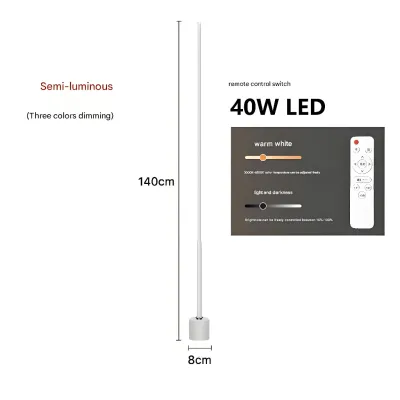
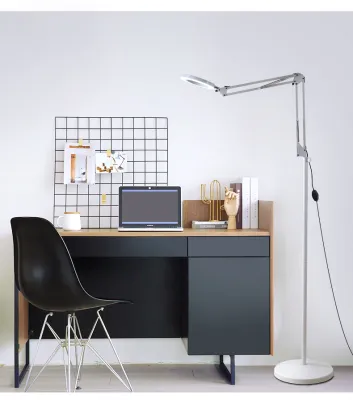
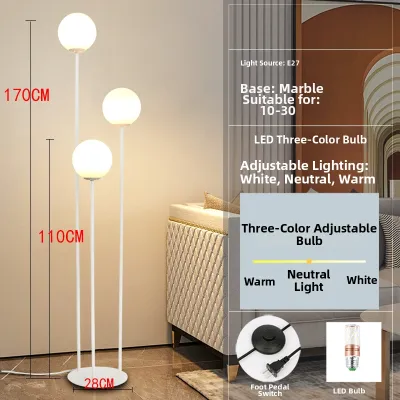
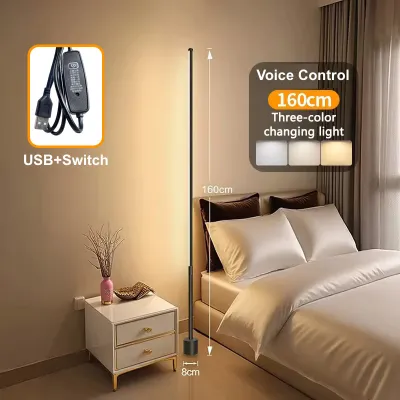
![[SG] 160CM / 180CM Modern Nordic LED Floor Lamp: Minimalist Standing Light for Living Room Bedroom & Study. Sleek Night Lighting](https://img.lazcdn.com/g/p/7f362c72ba3802afff3fdb973346d9d6.jpg_400x400q80.jpg_.webp)
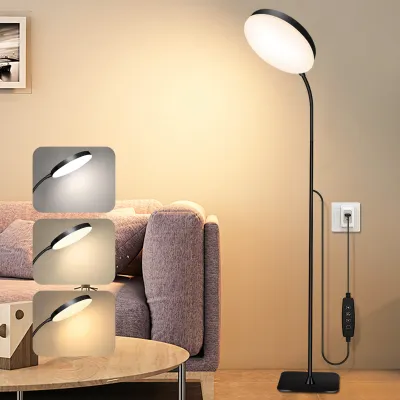
![[FREE GIFT] 152CM Smart RGBIC Corner Floor Lamp - 16M Colors App Control & Music Sync LED Light for Living Room](https://img.lazcdn.com/g/p/fa66ac85b8ca81aa184fc9aaa40c4831.jpg_400x400q80.jpg_.webp)
Prices are valid at publication and may change. Please refer to the product page for the latest price.
Light also interacts dynamically with your interior materials. Matte walls, wooden furniture, and textured fabrics absorb and scatter light softly, enhancing the feeling of warmth. Glossy surfaces, polished stone, or large glass panels can reflect light harshly, causing glare. Choosing a standing lamp with an opaque or semi-translucent shade helps control these reflections by directing light precisely where it is needed.
To achieve a balanced atmosphere, you must layer your lighting. A standing lamp primarily serves as ambient or accent lighting, filling the gaps left by recessed ceiling lights. Relying solely on overhead downlights can create a sterile, clinical atmosphere with deep shadows under eyes and furniture. Positioning a standing lamp in a corner or next to an armchair softens these transitions, creating a balanced, multi-dimensional lighting scheme that feels cozy and complete.
Essential Specifications for Ambient Standing Lamps
For a truly warm ambiance, look for fixtures or bulbs that operate within the 2200K to 2700K range. While 3000K is often labeled as warm white, it can feel slightly crisp in a relaxed living room setting. A range of 2200K to 2400K mimics the soft, amber glow of vintage filament bulbs, which is highly effective for late-night lounging but less practical for reading.

The Color Rendering Index (CRI) measures how accurately a light source reveals the true colors of objects compared to natural light. Always check the manufacturer’s specifications for a CRI rating of Ra 90 or higher. Low-CRI lighting can make vibrant living room decor, rich wood finishes, and human skin tones look dull, grey, or unnaturally yellow. High-CRI lighting ensures that your interior design choices are displayed in their true richness under artificial light.
The ability to adjust light levels is essential for a multi-functional living room. Some standing lamps feature integrated step dimming via a touch sensor, while others utilize continuous rotary dials. If you plan to use dimmable LED bulbs, ensure the lamp’s internal wiring and switch are rated for LED dimming. Standard incandescent dimmers often cause LED bulbs to flicker, buzz, or fail prematurely due to voltage incompatibility.
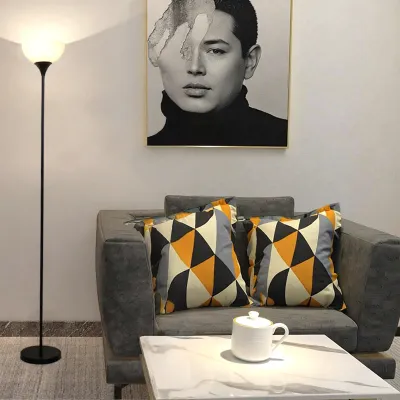
Consider how the lamp projects light. Torchière-style standing lamps direct light upward, bouncing it off the ceiling to create a wide, indirect wash of ambient light that makes a room feel larger and softer. Arc lamps project light downward and inward, making them excellent for positioning over a coffee table or reading chair. Traditional shaded lamps offer a balanced combination, casting a gentle glow outward while projecting direct light upward and downward.
How to Evaluate Lighting Brands for Quality and Warmth
When researching brands, distinguish between those that specialize in architectural or decorative lighting and those that produce mass-market utility fixtures. Architectural brands invest heavily in optical engineering, ensuring that their shades and diffusers prevent glare from any viewing angle. Utility brands often prioritize low production costs, which can result in exposed bulbs, uneven light distribution, or cheap plastic diffusers that degrade and discolor over time.
A standing lamp is a tall, top-heavy object that must remain perfectly stable. High-quality brands use heavy, solid bases made of materials like cast iron, marble, or weighted steel to lower the center of gravity. Inspect the joints and threading of the pole; premium brands feature precision-machined metal threads that screw together seamlessly without wobbling. Flimsy joints or lightweight bases pose a tipping hazard, especially in homes with children, pets, or thick carpeting.
The longevity of a lamp’s aesthetic appeal depends on its materials. Look for brands that use solid brass, anodized aluminum, powder-coated steel, or hand-blown glass. Cheap electroplated finishes can tarnish, peel, or show fingerprints easily. Similarly, high-quality fabric shades feature rolled edges, sturdy wire frames, and heat-resistant inner linings that prevent the material from yellowing or cracking over the heat of the bulb.
A reliable brand stands behind its products with a comprehensive warranty. Look for at least a one-year warranty that explicitly covers the electrical socket, internal wiring, switches, and integrated LED drivers. Because standing lamps are prone to accidental bumps, check if the brand offers replacement parts, such as matching glass globes or fabric shades, so a single broken component does not render the entire fixture useless.
Where to Source and Verify Standing Lamps in Singapore
While online marketplaces offer convenience and a wide selection, purchasing a standing lamp based solely on digital photos can be risky. Visiting a specialized lighting showroom in Singapore allows you to evaluate the physical texture of the shade, the weight of the base, and the actual warmth of the light. Showroom environments also let you observe how the lamp diffuses light against different wall colors and textures, helping you visualize how it will perform in your own home.
In Singapore, all electrical appliances must be compatible with the local mains voltage of 230V at a frequency of 50Hz. When purchasing a standing lamp, verify that it features a standard Type G three-pin plug. Crucially, look for the Enterprise Singapore Safety Mark on the power adapter, plug, or the fixture itself. This certification ensures the lamp has undergone rigorous testing for electrical safety, insulation, and fire resistance, protecting your home from short circuits or electrical fires.
If you choose to purchase online or order a lamp for home delivery, carefully review the retailer’s return and exchange policies. Upon delivery, immediately inspect the package for any signs of damage. Assemble the lamp on a flat surface to check that the pole stands perfectly vertical and does not lean. Turn on the lamp in a darkened room to inspect the shade for pinholes, uneven fabric density, or scratches in the glass that could cause distracting bright spots.
Standing lamps can range from budget-friendly options under S$100 to premium designer fixtures costing upwards of S$1,000. When comparing prices, factor in the cost of delivery and assembly. Heavy marble-based lamps or delicate glass fixtures are challenging to transport and assemble safely. Many reputable retailers in Singapore offer complimentary delivery and professional on-site assembly for purchases above a certain threshold, which minimizes the risk of damaging the fragile components during setup.
Frequently Asked Questions (FAQ)
Can I use a smart bulb in any standing lamp to change the ambiance?
Yes, you can generally install a smart bulb in most standing lamps, provided the bulb’s base matches the lamp’s socket and its wattage does not exceed the maximum limit specified on the manufacturer’s safety label. However, you must avoid using smart bulbs in standing lamps that feature built-in physical dimmer switches, such as rotary dials or touch-sensitive sliders. Smart bulbs contain sensitive internal electronics that require a constant, uninterrupted flow of full voltage; reducing the power supply via a physical dimmer will cause the smart bulb to flicker, buzz, lose its wireless connection, or suffer permanent circuit damage.
How far should a standing lamp be placed from the sofa or wall?
For safety and optimal light distribution, position your standing lamp at least 15 to 30 centimeters away from walls, curtains, and furniture. This clearance ensures adequate heat dissipation, preventing any risk of fabric scorching or heat buildup. To maximize visual comfort, place the lamp slightly behind or to the side of your seating area so the shade blocks direct line-of-sight to the bulb, preventing eye strain. Positioning the lamp close to a light-colored wall allows the light to bounce off the surface, transforming the wall into a large, soft reflector that fills the living room with a gentle, glare-free glow.
Community discussion
Share your experience or ask a question. Comments are reviewed before publication.