
Placing a Govida Buddha statue in your home is a meaningful step toward establishing a serene, mindful sanctuary. In Buddhist practice, a sacred image is not a decorative accessory or a good-luck charm; it is a profound visual representation of the enlightened mind and a daily reminder of the Dharma (the Buddha’s teachings). Setting up your statue with proper care and placement allows you to cultivate a sense of peace, clarity, and spiritual discipline within your daily living space.
To achieve this, traditional guidelines emphasize the core concept of respect (gong jing). By understanding how to select the right location, orient the figure correctly, and maintain the surrounding altar space, you can seamlessly integrate this sacred symbol into a modern household. Whether you reside in a spacious landed property or a compact high-rise apartment, applying these principles thoughtfully ensures your home remains a respectful environment for spiritual reflection.
Core Principles of Placing Your Govida Buddha Statue
Before physically positioning your Govida Buddha statue, it is essential to understand the underlying spiritual intentions that guide Buddhist traditions. A Buddha statue serves primarily as a focal point for meditation, mindfulness, and the cultivation of positive mental qualities such as compassion, wisdom, and patience. When you look upon the statue, it should inspire you to reflect on your own inner potential for awakening rather than serving as a passive object of worship or a tool for material gain.
Products mentioned in this guide
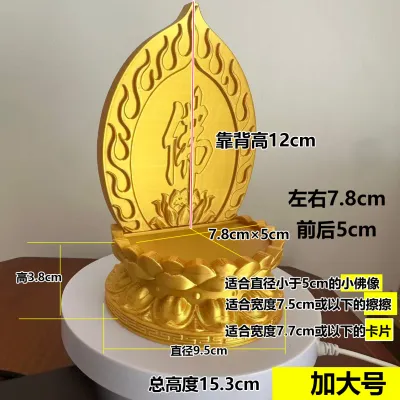
Prices are valid at publication and may change. Please refer to the product page for the latest price.
The foundational rule governing the placement of any sacred image is gong jing, a term representing deep respect and veneration. Every decision regarding where the statue sits, how high it is elevated, and how clean its surroundings are is a direct reflection of your state of mind. A clean, quiet, and elevated space demonstrates a mind that holds the teachings of the Buddha in high esteem, whereas a cluttered or neglected placement suggests a lack of spiritual focus.
It is also helpful to distinguish traditional Buddhist placement guidelines from secular Feng Shui practices. While Feng Shui often emphasizes the flow of energy (qi), compass directions, and the placement of items to attract wealth or ward off misfortune, orthodox Buddhist traditions prioritize mental purity, respect, and practical mindfulness. A sincere, humble, and respectful heart is far more vital than aligning your altar to a complex set of geomantic formulas. If your motivation is pure and your actions are respectful, any clean space can become a sacred sanctuary.
Selecting the Best Location in Your Singapore Home
Finding the right spot for your altar requires balancing traditional rules of purity with the practical realities of modern Singaporean housing. In typical Housing & Development Board (HDB) flats or contemporary condominiums, space is often at a premium, and open-concept layouts are common. Despite these structural limits, you can easily establish a respectful and harmonious area by selecting a zone that naturally encourages quiet reflection.

The most ideal location is a dedicated prayer or meditation room where you can close the door to shut out household noise. If a separate room is not feasible, a quiet corner of the living room or a well-lit, clean study area serves as an excellent alternative. These spaces are generally associated with calm, intellectual, or family-focused activities, making them highly compatible with spiritual practices.
When integrating an altar into an open-concept living room or a multi-functional space, pay close attention to household traffic patterns. You want to place the statue in an area where it will not be frequently bumped, disturbed, or exposed to excessive noise. Avoid placing the altar directly adjacent to high-traffic pathways, main corridors, or directly opposite loud entertainment hubs like television sets or gaming consoles.
Certain areas of the home must be strictly avoided to maintain proper respect. Never place a Buddha statue in a bedroom, as the private nature of the room—such as changing clothes or sleeping—is considered disrespectful to a sacred image. Similarly, avoid the kitchen, where grease, cooking heat, and the preparation of meat create an environment contrary to spiritual purity. Bathrooms are completely unsuitable due to their association with waste and bodily functions, and dark, damp storerooms or spaces directly beneath staircases should also be avoided as they represent low, heavy, or neglected spaces.
If you must place your statue in a multi-use room, you can establish a “sacred boundary” to separate the spiritual space from your secular activities. This can be achieved by placing the statue on a dedicated, freestanding table, laying down a small, clean rug specifically for meditation, or using a simple, elegant room divider or folding screen. This physical separation helps your mind transition from daily household chores to a state of quiet contemplation when you approach the altar.
Step-by-Step Positioning and Orientation Guide
Once you have selected the appropriate room, the physical setup of the statue requires careful attention to detail. Proper positioning involves elevating the figure to a respectful height, securing it against a solid background, and orienting it to face an open, bright area.
Setting the Right Height and Background
The physical elevation of your Govida Buddha statue is one of the most critical aspects of showing respect. The statue must always be placed at or above eye level when you are standing or sitting before it. Looking down on a sacred image is considered disrespectful, while looking up at it naturally fosters a sense of humility and reverence. Under no circumstances should a Buddha statue be placed directly on the floor.
To support the statue, use a sturdy, dedicated table, a specialized altar cabinet, or a securely mounted wall shelf. If you choose a wall-mounted shelf, always verify the structural integrity of the wall and check the weight capacity of the shelf brackets to prevent accidental falls. For heavy stone, ceramic, or metallic statues, a solid wooden console or floor-standing cabinet is highly recommended to ensure long-term stability.
The background behind the statue should always be a solid, clean, and stable wall. This symbolizes support, stillness, and security in your practice. Avoid placing the statue directly in front of a window, as the backlighting can make the details of the statue difficult to see and can expose the material to damaging environmental factors. Furthermore, ensure the wall behind the altar does not share a partition with a bathroom or a kitchen stove, as these areas are associated with impurities and heat. Keep the space directly above and behind the statue entirely clear of household clutter, hanging laundry, or heavy overhead storage.
Choosing the Proper Facing Direction
In mainstream Buddhist traditions, there is no strict, universal mandate requiring lay practitioners to align their home altars with specific compass directions like absolute North or East. Instead, the primary focus is on the practical layout of your home and ensuring the statue faces a bright, open, and respectful area. The physical orientation should facilitate a peaceful state of mind during your daily practice.
A highly recommended approach is to have the statue face the main entrance of the room or the home. This positioning symbolizes welcoming light, wisdom, and positive energy into your living space, while offering a calming presence to anyone who enters. However, ensure that the statue does not directly face a bathroom door, a trash bin, or a bed, as these views are considered inappropriate for a sacred image.
If you decide to place the altar near a window to utilize natural light, you must take precautions to protect the statue’s physical integrity. Ensure the Govida Buddha statue is not subjected to harsh, direct sunlight, which can fade paint, warp wood, or degrade resin finishes over time. Additionally, make sure the statue is securely positioned away from strong drafts or open windows where sudden gusts of wind or heavy tropical rain could cause it to tip over or suffer water damage.
Common Placement Mistakes and Taboos to Avoid
In modern, busy households, it is easy to make unintentional mistakes that compromise the respectful atmosphere of your home altar. Recognizing these common taboos allows you to make simple, practical adjustments to maintain a sacred environment.
One frequent mistake is treating the Buddha statue as a secular collectible or a purely decorative object. This often happens when people place the statue inside a glass display cabinet alongside secular items like travel souvenirs, action figures, books, or decorative glassware. A sacred image should have its own dedicated space; mixing it with worldly possessions dilutes its spiritual significance and diminishes the focus of your mindfulness practice.
Another common issue is neglecting the space directly beneath or around the altar. Avoid storing household cleaning tools, such as brooms, mops, or vacuums, near or directly under the altar table, as these items are associated with dirt and sweeping away waste. Similarly, do not store outdoor shoes, laundry baskets, or trash bins in the immediate vicinity of the statue.
If your altar is located in a multi-purpose room, be mindful of nearby activities that could disrupt the serene atmosphere. Avoid placing the statue close to a television screen, a bar cart, or a dining table where meat is regularly consumed. The sights and sounds of entertainment and dining can distract from the quiet, contemplative state that the statue is meant to inspire.
Finally, never use the altar table as a convenient dumping ground for daily household items such as car keys, loose change, incoming mail, or mobile phones. Draping clothing, hats, or towels over or near the statue is also a serious breach of respect. If you have severe space constraints and must use a multi-purpose table, always place a clean, dedicated cloth over the statue when it is not in use to maintain its sacred boundary and protect it from daily household activities.
Daily Maintenance and Respectful Care
Caring for your Govida Buddha statue and the surrounding altar space is an ongoing practice of mindfulness and devotion. Regular maintenance keeps the environment pure and serves as a physical extension of your internal spiritual discipline.
To clean the statue, use a soft, dry, and dedicated cloth to gently wipe away dust. Avoid using harsh chemical cleaners, abrasive scrubbing pads, or wet cloths that could strip away the delicate finish, paint, or gilding of your specific statue. If the statue requires a deeper clean, consult the manufacturer’s care instructions or use a slightly damp, clean microfiber cloth, ensuring the surface is dried immediately afterward to prevent moisture damage.
Making daily offerings is a traditional way to cultivate generosity, gratitude, and mindfulness. Simple offerings typically include clean, fresh water, fresh flowers, and light. When offering water, use a clean, dedicated cup, and replace the water daily. Fresh flowers should be removed and composted or disposed of respectfully as soon as they begin to wilt, rather than being left to decay on the altar.
When offering light or incense, safety must be your top priority, especially in enclosed HDB flats or condominium units. Open flames from traditional wax candles and smoke from burning incense sticks can pose significant fire hazards and negatively affect indoor air quality. Always check your building management rules regarding open flames and smoke detectors before lighting traditional incense.
To maintain safety without sacrificing symbolic intent, consider modern, flame-free alternatives. Electronic incense burners and LED candles are excellent choices that eliminate the risk of accidental fires, soot buildup, and smoke inhalation. If you use electrical altar accessories, ensure they carry the appropriate local electrical safety certifications, such as the Enterprise Singapore Safety Mark. Always verify the voltage compatibility, base or interface types, and wattage limits of these electronic items, and ensure all wiring is installed safely away from high-traffic areas or potential water sources. When disposing of old liquid offerings like water, pour them into a healthy houseplant or garden soil rather than pouring them down the sink drain, showing respect for nature and the offering itself.
Frequently Asked Questions (FAQ)
What if I live in a small HDB flat and only have space in my bedroom?
Living in a compact HDB flat with limited space is a common challenge for many practitioners in Singapore. Buddhist teachings emphasize that your sincere intention and respectful heart are far more important than having perfect physical conditions. If your bedroom is truly the only available space, you can still place your Govida Buddha statue there by taking specific, respectful precautions.
Place the statue on a high, clean shelf or inside a dedicated cabinet with doors. When you are sleeping, changing clothes, or engaging in other private activities, simply close the cabinet doors or gently cover the statue with a clean, dedicated cloth. This simple practice preserves the sacred boundary of the image, ensuring that your private, secular life does not infringe upon the respect shown to the Buddha, while still allowing you a private space for quiet daily meditation.
Community discussion
Share your experience or ask a question. Comments are reviewed before publication.