
Selecting the correct prayer paper in Singapore is a matter of respect, tradition, and spiritual alignment. To choose the appropriate paper, you must first identify the recipient of your offerings and the specific festival or ritual you are observing. Traditional Chinese customs dictate a strict division: gold prayer paper is reserved exclusively for deities, silver prayer paper is designated for ancestors, and specialized clothing or charity paper is used for wandering spirits during specific times of the year like the Hungry Ghost Festival.
Understanding these distinctions ensures that your offerings are culturally appropriate and spiritually meaningful. Whether you are preparing for the annual pilgrimage of Tomb Sweeping Day (Qingming), observing the seventh lunar month, or maintaining daily devotion at a home altar, matching the right paper to the right occasion is essential. This guide outlines the specific types of prayer paper required for each event, how to coordinate them with your incense setup, and how to practice these traditions safely within Singapore’s residential estates.
The Cultural Significance of Prayer Paper Offerings
In Chinese folk religion and Taoist traditions, burning prayer paper—commonly referred to as joss paper—serves as a symbolic bridge between the earthly realm and the spiritual world. The practice is rooted in filial piety and the belief that ancestral spirits continue to exist in an afterlife where they require the same basic necessities as the living. By burning these paper representations, practitioners symbolically transfer wealth, sustenance, and comfort to their departed loved ones.
Products mentioned in this guide
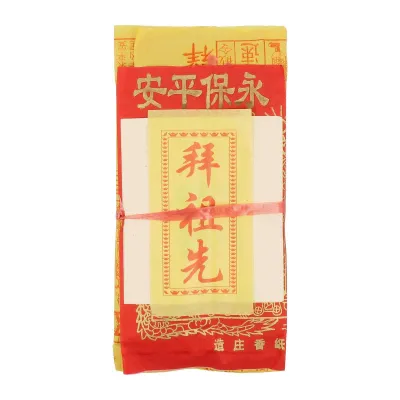
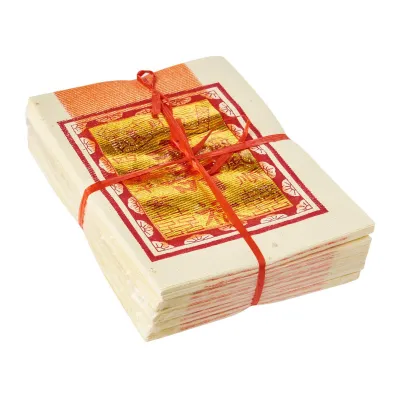
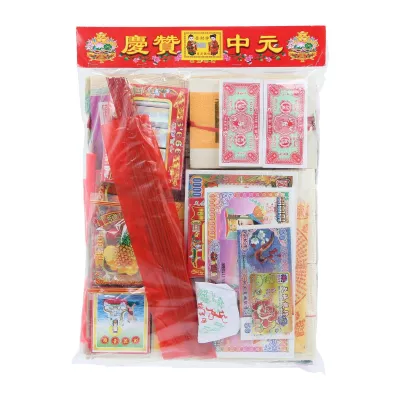
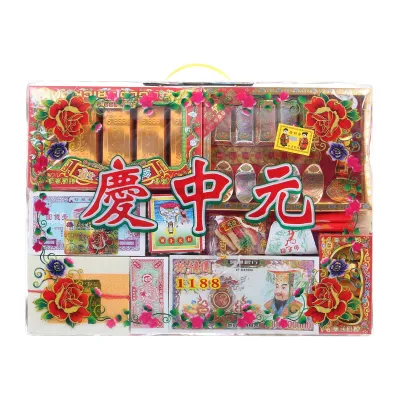
Prices are valid at publication and may change. Please refer to the product page for the latest price.
This ritualistic offering is not a uniform practice; different spiritual entities occupy distinct tiers in the spiritual hierarchy. Deities, who protect the household and govern natural elements, receive gold paper offerings to honor their high status. Ancestors, who are family members who have passed on, receive silver paper as a form of direct support and remembrance. Wandering spirits, who have no direct descendants to care for them, receive charity offerings to appease their hunger and prevent them from causing misfortune.
While modern life has introduced various contemporary paper designs, the underlying intent remains unchanged. Selecting the correct paper is a physical expression of gratitude, duty, and respect. Understanding the specific requirements for each major festival prevents cultural mistakes and ensures that your family’s prayers are properly conveyed.
Selecting Prayer Paper for Key Religious Occasions
Each major festival in the lunar calendar carries a unique spiritual purpose, requiring a specific combination of prayer paper offerings. Choosing the right items requires attention to detail, as mixing up the papers can disrupt the spiritual intent of the ritual.

Qingming Festival (Tomb Sweeping Day)
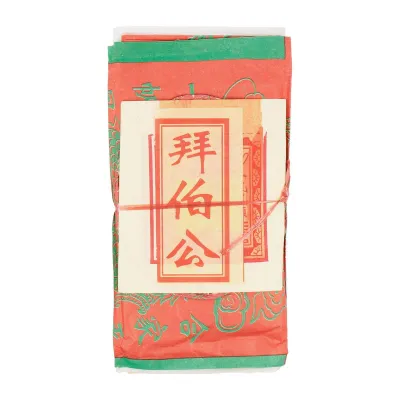
Qingming Festival is a time dedicated entirely to honoring deceased family members and cleaning their final resting places, whether at traditional cemeteries or modern columbaria. The primary prayer paper used during this festival is silver joss paper (yinzhi), which represents currency for the ancestors. It is customary to purchase these in bundles, which can be folded into specific shapes to maximize their symbolic value.
Alongside traditional silver paper, practitioners often include modern paper replicas of daily necessities. These contemporary items range from paper clothing, shoes, and toiletries to elaborate paper models of smartphones, luxury cars, and multi-story houses. While these modern printed goods add a personal touch to the offerings, they should always serve as additions to, rather than replacements for, the foundational silver paper.
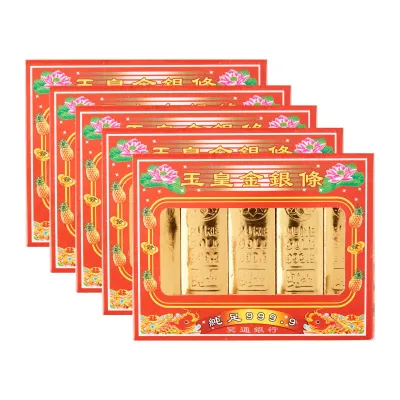
Before burning the paper at the cemetery or columbarium, it is highly recommended to fold the sheets. Folding the flat paper into the shape of traditional Chinese gold or silver ingots (yuanbao) is a common practice. This process is believed to transform the paper into actual currency in the spiritual realm while also creating air pockets that allow the paper to burn more efficiently and completely, reducing smoke and unburnt waste.
Hungry Ghost Festival (Zhongyuan)
During the seventh lunar month, the gates of the spiritual realm are believed to open, allowing wandering spirits to roam the earthly plane. The Hungry Ghost Festival focuses on charity (bu shi) to these unattached spirits, who may not have descendants to offer them sustenance. Consequently, the prayer paper selected for this period differs significantly from that used during Qingming.
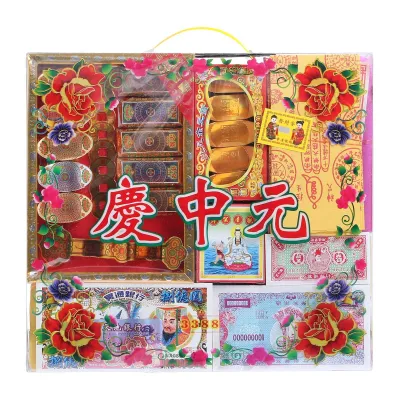
For wandering spirits, practitioners use large silver paper (dayin) and clothing paper (jingyi). Clothing paper is a thin, colorful sheet printed with illustrations of daily items such as clothes, scissors, combs, and shoes, symbolically providing the spirits with basic physical comforts. Because these spirits do not belong to your family lineage, these offerings are strictly kept outside the home.
Handling these offerings requires strict adherence to cultural taboos. Offerings should be burned in designated outdoor areas, such as the metal bins provided along roadside pathways, rather than at family altars. It is important to place the paper respectfully inside the bins and avoid scattering them loosely on the ground. Additionally, practitioners should avoid stepping on or kicking any offerings, ashes, or food items left along the roadside, as doing so is considered highly disrespectful to the spirits.
Daily and Special Ancestor Worship
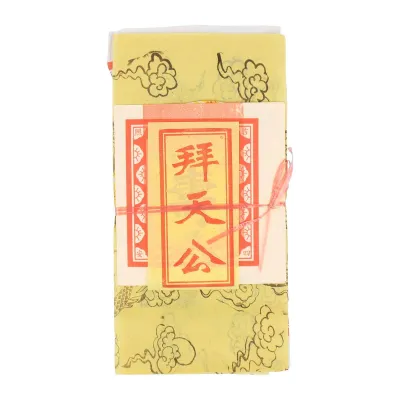
Daily devotion at home altars maintains a continuous connection with ancestors and household deities. For routine daily or weekly worship, the setup is typically simple, involving small quantities of silver paper for ancestors. If your home altar enshrines both a deity (such as Guan Yin or the Earth God) and your family ancestors, you must maintain a clear separation. Gold paper is offered first to the deity, followed by silver paper for the ancestors.
On major milestones—such as death anniversaries, the Lunar New Year, or the Winter Solstice—the scale of the offerings increases. Families often prepare elaborate paper chests filled with silver paper, paper gold ingots, and personal items. These chests are sealed and addressed with the ancestor’s name and dates of birth and death written on a red paper slip, ensuring the offerings reach the intended recipient in the spiritual realm.
It is also essential to consult with family elders regarding specific traditions. Different Chinese dialect groups in Singapore—such as Hokkien, Teochew, Cantonese, and Hakka—have unique customs, preferred paper styles, and folding techniques passed down through generations. Honoring these specific family practices preserves your unique cultural heritage.
Coordinating Incense, Burners, and Paper Offerings
A complete and respectful ritual requires coordinating your prayer paper with appropriate incense and burning equipment. Incense sticks (joss sticks) act as the primary medium of communication, carrying your prayers upward and inviting the deities or ancestors to receive the paper offerings. Without lighting incense first, the ritual is considered incomplete, as the spirits have not been formally invited to receive the gifts.
When selecting incense, prioritize natural, high-quality materials such as sandalwood (tan xiang) or agarwood (chen xiang). High-quality incense produces a clean, fragrant aroma that enhances the spiritual atmosphere of the home altar. Ensure your indoor incense burner (censer) is kept clean, stable, and filled with clean incense ash or fine sand to hold the sticks securely upright. The burner should be positioned centrally on the altar, in front of the deity or ancestral tablet.
It is critical to maintain a strict physical separation between your indoor incense burner and your paper burning equipment. An incense burner is designed solely for holding incense sticks and should never be used to burn prayer paper. Burning paper indoors creates immediate fire hazards, excessive smoke, and ash buildup that can damage the altar and home interior. All prayer paper must be burned outdoors in a dedicated metal bin or incinerator designed specifically to handle high heat and contain flying embers.
Safe Burning Practices and Estate Guidelines in Singapore
Performing these traditional rituals in Singapore requires careful consideration of the local high-density housing environment. Because the majority of residents live in Housing & Development Board (HDB) flats or private condominiums, burning prayer paper must be managed responsibly to prevent fire hazards, minimize smoke nuisance, and maintain clean public spaces.
To ensure community safety, follow these essential guidelines when burning prayer paper:
- Never burn paper in common areas: Burning prayer paper in common corridors, stairwells, lift lobbies, or on dry grass fields is highly dangerous and strictly prohibited. Flying embers can easily ignite nearby items or drift into open windows.
- Use designated burning bins: In HDB estates, always use the red metal burning bins or the newer, eco-friendly green incinerator bins provided by your local Town Council. For private condominiums, consult your Management Corporation Strata Title (MCST) bylaws to locate the designated burning areas and approved receptacles.
- Burn in small batches: Avoid throwing large stacks of prayer paper into the bin all at once. This suffocates the fire, producing excessive black smoke and increasing the risk of unburnt paper blowing out of the bin. Instead, feed the paper in small, folded batches to ensure a clean, efficient burn.
- Ensure complete extinguishment: Never leave a burning bin unattended. Wait until the fire has completely died down and the ashes have stopped glowing before leaving the area. Keeping a small bottle of water nearby can help quickly extinguish any stray embers that escape the bin.
- Avoid burning on windy days: High winds can carry hot ash and embers onto walkways or neighboring properties, posing a severe fire risk. If conditions are windy, wait for the wind to subside or burn your offerings in smaller, more controlled increments inside deep eco-bins.
By practicing these safety measures, you can preserve cherished cultural traditions while remaining a responsible and considerate neighbor in Singapore’s multi-ethnic community.
Frequently Asked Questions (FAQ)
Can I use the same prayer paper for deities and ancestors?
No, you should never use the same prayer paper for both deities and ancestors. Traditional customs dictate a strict division based on spiritual hierarchy. Gold prayer paper (jinzhi) is reserved exclusively for deities to honor their divine status. Silver prayer paper (yinzhi) is meant specifically for ancestors and departed souls. Mixing these papers or offering silver paper to deities is considered highly inappropriate and disrespectful in Chinese tradition.
What should I do with the ashes after burning prayer paper?
After burning prayer paper, you must allow the ashes to cool completely inside the designated burning bin. In Singapore, environmental and estate cleanliness regulations must be prioritized. Once the ashes are cold and safe to handle, they should be left inside the Town Council or MCST-provided bins, which are regularly cleared by estate cleaners. Do not sweep or wash ashes into public drains, and avoid scattering unburnt paper on public pathways, as this constitutes littering and poses environmental hazards.
Community discussion
Share your experience or ask a question. Comments are reviewed before publication.