
In Thai Buddhist and animist traditions, certain sacred objects are highly recognized for their symbolic association with wealth, prosperity, and good fortune. Among the most prominent are the beckoning figure of Nang Kwak, the abundance-themed Phra Sangkajai, the protective Luang Phor Thuat, and the sensory-blocking Phra Pidta. Rather than acting as magical guarantees of financial success, these amulets serve as spiritual reminders, cultural decor, and focal points for mindfulness and ethical conduct.
For many homeowners and business owners, integrating these sacred items into personal wear or interior decor is a meaningful way to foster a positive environment. In modern living spaces, such as apartments and offices, these objects are often displayed alongside traditional Feng Shui items to invite auspicious energy and encourage a mindset of diligence and generosity. Understanding the cultural significance, selection criteria, and proper care of these items is essential for making a respectful and informed choice.
Understanding the Cultural Context of Thai Amulets
Thai amulets, known locally as Phra Khrueang for wearable pieces and Bucha for larger altar statues, are deeply woven into the spiritual fabric of Thailand. Their origins lie in a unique blend of Theravada Buddhism, historical animism, and regional folklore. Rather than serving as mere good luck charms, these items are designed to help the keeper focus the mind, accumulate spiritual merit, and maintain a strong connection to ethical values.
Products mentioned in this guide
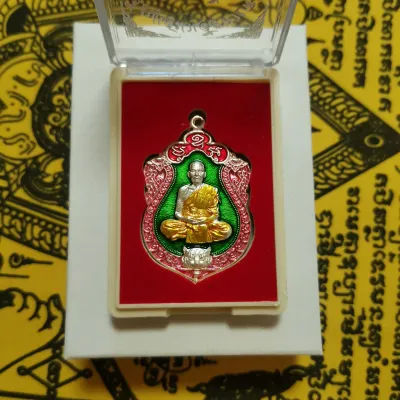
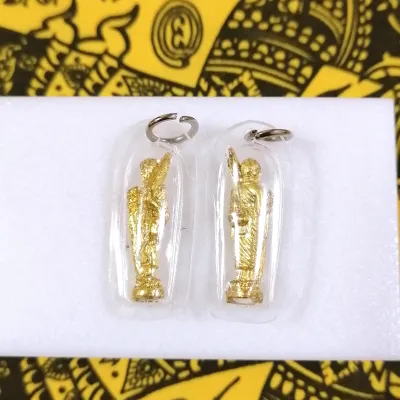
![[Thai Amulet Er Ge Fong Yee Gor Hong Er Ge Feng Wealth Luck Amulet EGF] *MANY DESIGNS* 泰国佛牌二哥丰](https://img.lazcdn.com/g/p/ae7092b8ee0dc3166b9eff3f185fcb7c.jpg_400x400q80.jpg_.webp)
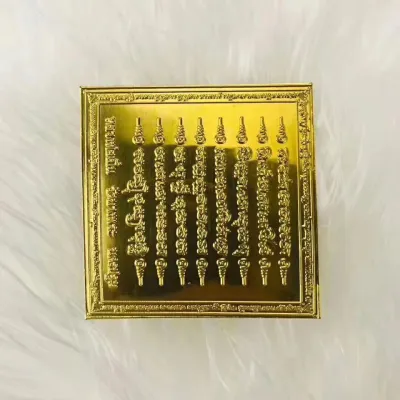
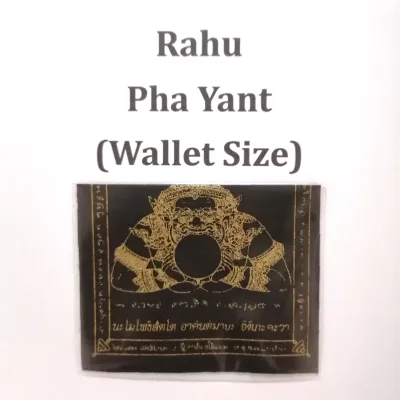
Prices are valid at publication and may change. Please refer to the product page for the latest price.
In this tradition, prosperity and wealth are not viewed as random, magical outcomes guaranteed by owning an object. Instead, financial success is understood to be the natural result of personal effort, honest work, generosity, and positive karma. An amulet acts as a constant visual and physical reminder to practice mindfulness, speak kindly, and conduct business with integrity, which in turn builds trust and attracts opportunities.
It is also important to distinguish between the different forms of amulets available. Wearable amulets are typically small, encased tablets or medallions worn on a necklace above the waist to provide personal inspiration throughout the day. In contrast, larger statues or tablets are intended for stationary display on dedicated altars, business cash registers, or office desks to influence the energy of an entire room.
By keeping these cultural foundations in mind, you can approach the acquisition of a Thai amulet with realistic expectations. The value of these items lies in their ability to inspire positive personal transformation, ethical business practices, and mental clarity. They are tools for spiritual alignment rather than shortcuts to material wealth.
Recognized Thai Amulets Traditionally Linked to Prosperity
Several specific figures and symbols stand out within Thai culture for their traditional association with abundance and smooth trade. Recognizing these figures helps you narrow down your options based on the specific symbolic energy you wish to bring into your home or workplace.

Nang Kwak (The Beckoning Lady)
Nang Kwak is perhaps the most visible symbol of prosperity in Thai commercial spaces. Depicted as a woman dressed in elegant, traditional Thai attire, she kneels with her right hand raised in a beckoning gesture, while her left hand rests on her lap or holds a bag filled with gold and valuables. This posture symbolically beckons customers, wealth, and positive opportunities into a business.
Originating from ancient folklore and later integrated into local Buddhist practices, Nang Kwak is exceptionally popular among retail shop owners, restaurateurs, and entrepreneurs. Placing her figure near a shop entrance or cash register is a traditional way to invite smooth trade and friendly customer interactions. Her presence serves as a reminder to greet every customer with warmth and hospitality.
Phra Sangkajai (Mahakaccana)
Phra Sangkajai represents one of the prominent disciples of the Buddha, revered for his profound wisdom, compassion, and ability to explain complex teachings in an accessible way. In artistic representations, he is depicted as a happy, portly monk with a smiling face and a prominent belly, symbolizing contentment, spiritual abundance, and physical well-being.
Keeping a Phra Sangkajai statue or amulet in the home or workplace is believed to attract happiness, peace, and financial stability. His portly figure reminds observers that true wealth encompasses both material sufficiency and mental peace. He is an excellent choice for family living rooms or communal office spaces where harmony is highly valued.
Luang Phor Thuat
Luang Phor Thuat was a highly revered historical monk from the Ayutthaya period, famous for his spiritual purity and legendary compassionate deeds. While amulets bearing his likeness are primarily sought after for personal safety, travel protection, and overcoming life obstacles, they are also deeply connected to career and financial progress.
In traditional belief, securing your physical safety and removing obstacles from your path is the essential foundation for building wealth. By protecting the wearer from sudden setbacks, accidents, or negative influences, a Luang Phor Thuat amulet indirectly supports long-term financial stability and career advancement. It is a favored choice for those who travel frequently for business.
Phra Pidta (The Closed-Eye Monk)
Phra Pidta is a distinctive figure depicting a monk covering his eyes with his hands. This posture represents the state of Nirodha, or the temporary cessation of sensory distractions, allowing the practitioner to focus entirely on inward contemplation and spiritual cultivation.
Symbolically, Phra Pidta is associated with blocking out external negativity, gossip, and temptations that can drain your energy and resources. By protecting the mind from harmful external influences, this amulet helps the keeper maintain focus, make sound financial decisions, and prevent existing wealth from being lost to poor judgment or deception. It is highly valued by investors and business leaders who require sharp, undisturbed focus.
How to Evaluate and Select an Authentic Amulet
Navigating the market for Thai amulets requires a practical, systematic approach to ensure you receive a genuine piece crafted with respect and proper intent. Because mass-produced replicas are common, using a clear verification checklist protects your investment and respects the tradition.
First, perform a careful material verification. Authentic amulets are crafted from specific materials, such as sacred herb powders, clay, bronze, brass, copper, or precious metals. Examine the physical weight, surface texture, and level of detail; genuine temple-issued pieces usually exhibit crisp, fine details from the stamping or molding process, whereas cheap imitations often feel unusually light, look blurry, or show modern machine-cut edges.
Second, investigate the origin and provenance of the amulet. A reputable dealer should be able to provide clear information regarding the temple where the amulet was created, the specific blessing ceremony, the year of consecration, and the revered monk who led the ceremony. Knowing this history connects you to the lineage of the item and confirms its cultural value.
Third, understand the limits of documentation. While some high-value amulets come with certificates of authenticity issued by recognized amulet associations, these documents require independent verification. A certificate is only as reliable as the organization issuing it, and it does not guarantee financial success; it merely serves as a historical record of the item’s origin and age.
Finally, evaluate the seller with care. Look for established physical shops or online galleries that demonstrate deep historical knowledge, transparent pricing, and clear return policies. Avoid sellers who use high-pressure sales tactics, make absolute promises of instant wealth, or refuse to answer detailed questions about the amulet’s background.
Traditional Rules for Wearing and Displaying Amulets
To honor the spiritual and cultural heritage of Thai amulets, keepers follow specific guidelines for handling, wearing, and displaying these sacred objects. Proper etiquette ensures that the items are treated with the utmost respect in your living or working environment.
Maintain a strict placement hierarchy. Wearable amulets should always be worn or kept above the waist, ideally around the neck on a high-quality chain. When displaying larger statues or tablets at home or in an office, place them on elevated, clean shelves or dedicated altars that sit well above floor level. Never place these sacred items on the floor, inside bathrooms, under staircases, or in low-lying areas where they might be stepped over or exposed to dirt.
Practice respectful handling etiquette at all times. Always wash your hands before touching your amulets or cleaning the altar space. Avoid stepping over an amulet or pointing your feet directly at the altar, as the feet are considered the lowest and least clean part of the body in Southeast Asian cultures. Keeping the surrounding environment clean, quiet, and free of clutter reinforces the positive, mindful energy of the space.
Apply material-specific maintenance to preserve the physical integrity of your amulets. Powder-based amulets are highly sensitive to moisture, humidity, and sweat; they should be kept in sealed, waterproof acrylic or plastic casings and dusted gently with a soft, dry microfiber cloth. Metal amulets can tarnish naturally over time, which is often appreciated by collectors as a sign of age; avoid using harsh chemical cleaners or abrasive polishes that can damage the original patina. Always refer to the temple’s or manufacturer’s specific care guidelines if you are unsure how to clean a delicate piece.
Frequently Asked Questions (FAQ)
Is It Safe to Buy Thai Amulets from Online Stores? (FAQ)
Buying Thai amulets from online stores can be safe if you take proper precautions, though it requires more diligence than purchasing in person. Always verify the seller’s reputation by reading independent customer reviews, checking their history in the amulet community, and requesting clear, unedited, high-resolution photos of the front, back, and sides of the item. Ensure the online store offers a clear return policy so you can inspect the physical weight, texture, and details of the amulet upon arrival. Keep in mind that online listings cannot fully replace a physical inspection, especially for rare, antique, or high-value pieces where examining the item under a magnifying loupe is necessary to confirm its age and craftsmanship.
Should Pre-Owned Amulets Be Re-Blessed? (FAQ)
In Thai tradition, the original blessing of an amulet is considered permanent because it represents the enduring virtues of the Buddha and the spiritual merit of the consecrating monk. However, many practitioners choose to have pre-owned, inherited, or antique amulets symbolically re-blessed or cleansed when they change hands. This practice is a respectful way to mark a fresh start, clear any lingering energy, and align the object with your personal intentions. If you wish to have an amulet re-blessed, you can visit a local Thai temple or consult a knowledgeable practitioner who can guide you through the appropriate, respectful procedures in accordance with traditional customs.
Community discussion
Share your experience or ask a question. Comments are reviewed before publication.