
Choosing the ideal material for a haldi kumkum holder depends on how you balance religious tradition, maintenance willingness, and budget. While silver is traditionally preferred for its purity and spiritual resonance, brass offers a classic, widely accepted balance of durability and auspiciousness. For those seeking zero-maintenance practicality, stainless steel excels in daily durability, whereas copper serves specific ritual needs but demands high upkeep. In a humid tropical climate like Singapore, where moisture can rapidly accelerate tarnish, selecting the right material ensures your prayer altar remains both beautiful and spiritually uplifting.
When selecting these essential ritual items, understanding the physical properties and spiritual associations of each metal helps you make an informed decision. Whether you are setting up a permanent home altar or preparing for festive occasions like Varalakshmi Vratam or Diwali, the material of your holder plays a significant role in both your ritual practice and your daily cleaning routine.
Religious Significance and Traditional Preferences
In Hindu rituals, the materials used to hold sacred substances like haldi (turmeric) and kumkum (vermilion) are chosen for their ability to retain and transmit spiritual energy. Silver is highly revered in Vedic traditions for its association with the moon, cooling energy, and sattvic (pure, harmonious) qualities. Using a silver holder is considered an act of devotion that invites positive vibrations and purity to the home altar, making it a highly favored choice for auspicious ceremonies and daily worship alike.
Products mentioned in this guide
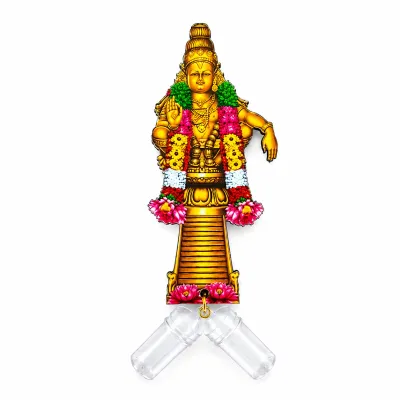
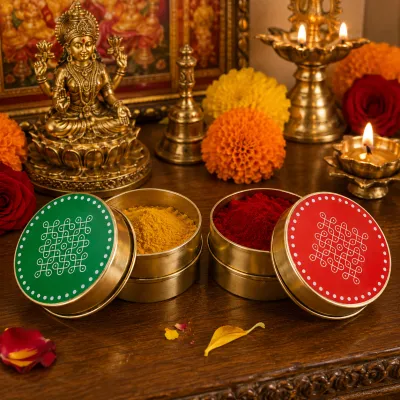
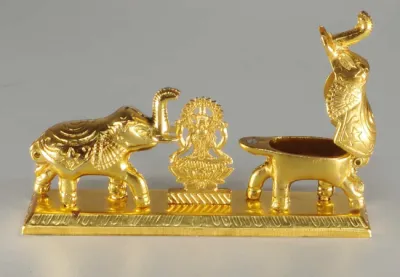
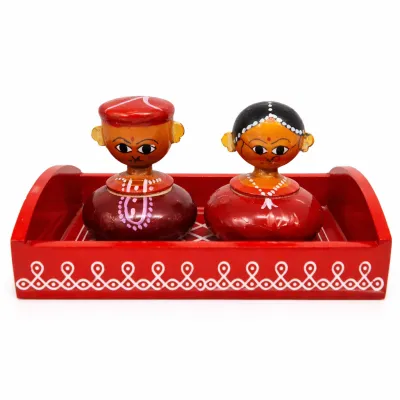
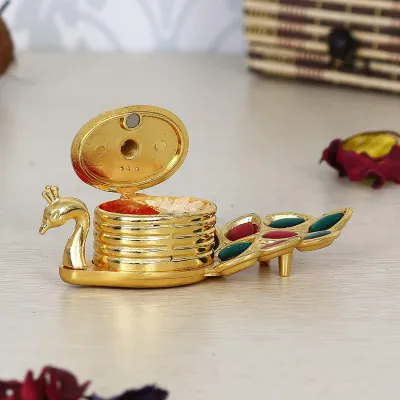
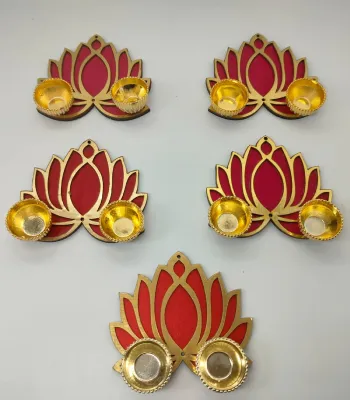
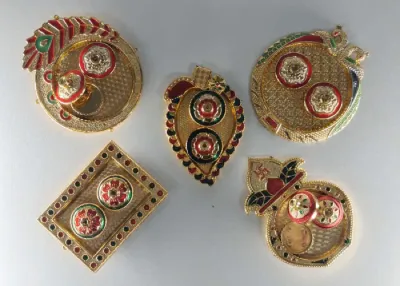
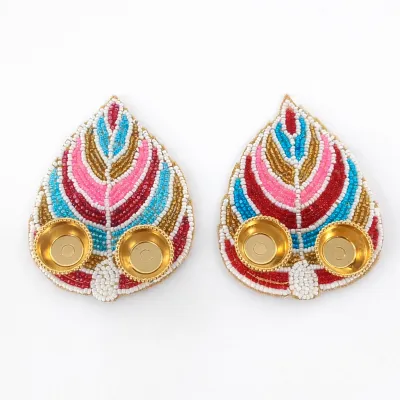
Prices are valid at publication and may change. Please refer to the product page for the latest price.
Brass, an alloy of copper and zinc, is the most common and widely accepted traditional alternative for daily worship. Known as peetal, brass is considered highly auspicious and is believed to attract divine frequencies. Its golden hue closely mimics the warmth of gold, creating a visually radiant and spiritually welcoming atmosphere on the prayer altar without the premium cost of precious metals.
Copper holds immense sacred value, particularly for water vessels and specific deity worship, due to its high conductivity of spiritual energy. However, when used as a holder for daily offerings, copper requires careful attention. While spiritually pure, copper can react chemically with certain substances over time, and some regional traditions restrict its use for specific types of offerings, making it a more specialized choice rather than a universal one.
Stainless steel is a modern addition to contemporary prayer spaces. While it lacks traditional scriptural emphasis or specific spiritual attributes, it is considered functionally neutral. It does not carry negative associations, making it a highly practical, clean, and acceptable choice for busy households that prioritize hygiene and ease of maintenance over strict traditional metal guidelines.
Durability, Tarnish, and Maintenance Effort
Singapore’s high relative humidity poses a unique challenge for preserving metal puja items. Silver and copper are highly reactive to air and moisture. Silver oxidizes to form a dark gray or black tarnish layer, while copper quickly develops a dull brown or greenish patina when exposed to humid air and handling. Keeping these metals bright and reflective requires frequent, dedicated polishing, which may be challenging for those with busy schedules.

Brass also tarnishes, but it does so at a more moderate, manageable rate. Over time, brass develops a deep, warm patina that some practitioners actually prefer for its antique, lived-in look. However, restoring its original golden shine requires regular maintenance using specialized metal polishes or traditional acidic cleaning agents.
Stainless steel stands out as the most resilient material for a haldi kumkum holder. It is completely resistant to rust, moisture, and humidity, making it virtually immune to the tropical climate. It can withstand frequent washing with water and mild soap without losing its reflective finish, scratching easily, or requiring specialized polishing compounds.
Physical handling and structural integrity also vary by metal. Solid brass and stainless steel are highly dent-resistant and heavy enough to sit securely on the altar without tipping over when you dip your fingers into the cups. Silver, being a softer metal, is more prone to scratches, bending, and denting if handled roughly or dropped during cleaning.
Furthermore, many traditional haldi kumkum holders feature intricate engravings, filigree, or multi-cup designs, such as peacock or leaf shapes. These detailed patterns easily trap moisture, dust, and leftover powder. Cleaning these crevices in silver or brass requires meticulous detail work with a soft brush, whereas stainless steel’s smooth surface is much easier to rinse clean under running water.
Budget Tiers and Long-Term Value
When planning your prayer altar setup, understanding the cost-to-value ratio of each material helps you make a sustainable investment. Silver sits at the premium end of the spectrum. The price of a solid silver haldi kumkum holder is determined by its weight and purity, often marked as 925 sterling silver. While the initial cost is high, silver holds intrinsic commodity value and can be passed down through generations as a cherished family heirloom.
Brass and copper occupy the mid-range tier, offering an excellent balance of affordability and traditional aesthetics. Heavy, solid brass pieces have a substantial feel and excellent longevity, making them highly cost-effective over decades of use. They provide the traditional look of gold at a fraction of the price, making them the most popular choice for household altars.
Stainless steel is the most budget-friendly option. It provides exceptional utility, strength, and cleanliness at a very low cost, making it ideal for daily use, temporary festive setups, or as a secondary holder for hosting large gatherings where multiple distribution points are needed.
When shopping, beware of ultra-cheap, lightweight metal alloys that are merely plated with a thin layer of gold, silver, or brass. These plated items often look appealing initially but can peel, flake, or corrode rapidly when exposed to moisture and acidic puja ingredients. To ensure you are purchasing solid, high-quality materials, always check for official hallmarks on silver, verify the physical weight of brass items, and review manufacturer specifications before purchasing.
Decision Framework: Which Material Should You Choose?
To simplify your selection, consider this practical decision framework based on your lifestyle, budget, and spiritual priorities:
- Choose Silver if: Spiritual purity and traditional prestige are your highest priorities, your budget accommodates a premium purchase, and you are willing to commit to regular polishing to maintain its brilliant shine.
- Choose Brass if: You desire a classic, warm, golden aesthetic that aligns with traditional Vedic practices, prefer a mid-range budget, and do not mind moderate, occasional polishing.
- Choose Stainless Steel if: You prioritize absolute convenience, durability, and ease of cleaning for daily, heavy use, or if you live in a highly humid environment and want a zero-maintenance option.
- Choose Copper if: Your specific family traditions or spiritual guides recommend copper for your rituals, and you are prepared for the frequent, rigorous cleaning required to keep copper from tarnishing.
Before finalizing your purchase, verify if the holder has a protective lacquer coating. Lacquered brass or copper does not tarnish as quickly, but it must never be cleaned with abrasive polishes or harsh chemicals, as this will strip the protective layer. If the item is a plated alternative, treat it with extreme gentleness to prolong its lifespan and prevent the base metal from showing through.
Safe Cleaning and Care Guidelines by Material
Proper maintenance preserves both the physical beauty and the sacred energy of your puja items. For silver and copper, avoid harsh scrubbing. Use a soft microfiber cloth and specialized, non-abrasive metal polishes. Alternatively, a gentle paste of baking soda and water can be applied to silver, rinsed off immediately, and buffed dry. For copper, traditional tamarind paste or a mixture of lemon juice and salt works wonders to dissolve tarnish naturally without scratching the metal.
To clean brass, you can use traditional cleaning powders or a homemade paste of flour, salt, and white vinegar. Apply the paste, let it sit for a few minutes, rub gently with a soft cloth, rinse thoroughly with warm water, and dry immediately. This restores the golden luster without stripping the metal.
Stainless steel requires only a simple wash with mild dish soap and a soft sponge. Avoid steel wool or abrasive scrubbing pads, which can scratch the polished surface and dull its reflective quality over time.
Regardless of the material, the most critical step in a humid climate is thorough drying. Never leave your haldi kumkum holder to air-dry, as trapped moisture will inevitably lead to water spots, tarnish, or corrosion. Always use a clean, dry cotton cloth to wipe the holder completely dry immediately after washing before placing it back on your altar.
Frequently Asked Questions (FAQ)
Can I use a silver-plated haldi kumkum holder instead of solid silver?
Yes, silver-plated holders are a popular and budget-friendly alternative to solid silver. However, the thin silver plating can wear off over time with frequent washing and polishing, eventually exposing the base metal underneath. Traditional preferences usually favor solid metals for long-term, uninterrupted ritual use. If you choose a plated option, check the manufacturer’s instructions regarding plating thickness and clean it with extreme gentleness to extend its lifespan.
Is it safe to wash brass and copper holders in the dishwasher?
No, you should never wash brass, copper, or silver holders in a dishwasher. The harsh detergents, high heat, and prolonged moisture exposure in a dishwasher will rapidly tarnish, discolor, or damage these metals, and can strip away any protective lacquer coatings. While stainless steel is technically dishwasher safe, handwashing is still highly recommended for all haldi kumkum holders to preserve intricate decorative details and prevent water spotting.
Community discussion
Share your experience or ask a question. Comments are reviewed before publication.