
Hanging lights bring character, warmth, and focused illumination to a home, but installing them in a standard Housing & Development Board (HDB) flat requires a careful balancing act. With a typical ceiling height of 2.6 meters, choosing the wrong fixture can quickly make a living room feel cramped or create an unexpected headroom hazard. Achieving the perfect balance depends on calculating precise drop lengths and selecting fixture styles that maintain an open, airy feel.
To successfully integrate a hanging light ceiling design into a 2.6m space, you must prioritize clearance in high-traffic zones while reserving longer, more dramatic drops for areas with fixed furniture. By understanding how visual weight, light distribution, and structural constraints interact, you can elevate your flat’s interior design without sacrificing safety or spatial flow.
Determining Safe Drop Lengths and Clearances
Maintaining adequate headroom is the most critical factor when planning any hanging light ceiling installation. In open walkways, corridors, and entryways where family members move freely, the bottom of the light fixture should sit at least 2.0 to 2.1 meters above the finished floor. This clearance ensures that taller individuals can walk underneath without the risk of bumping their heads or feeling visually obstructed.
Products mentioned in this guide
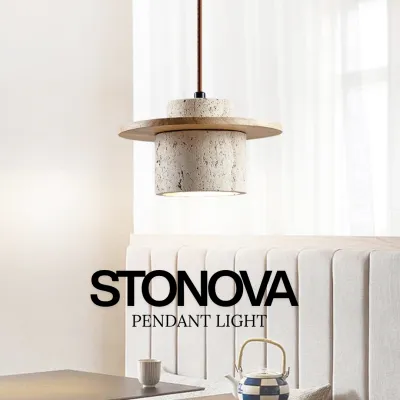
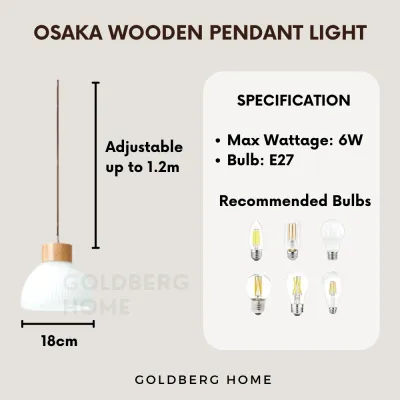
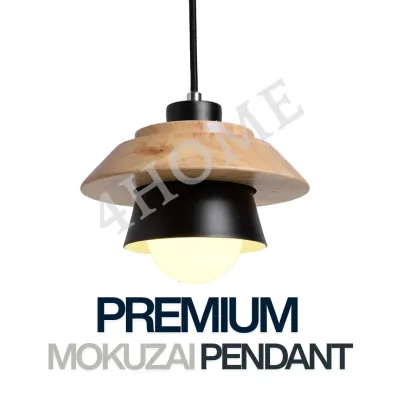
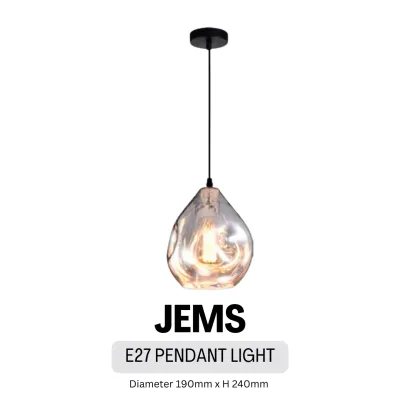
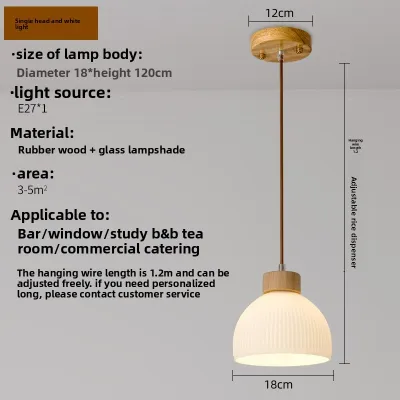
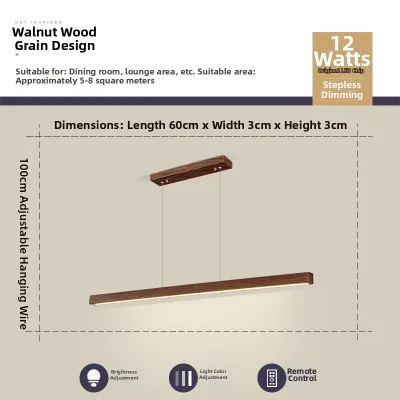
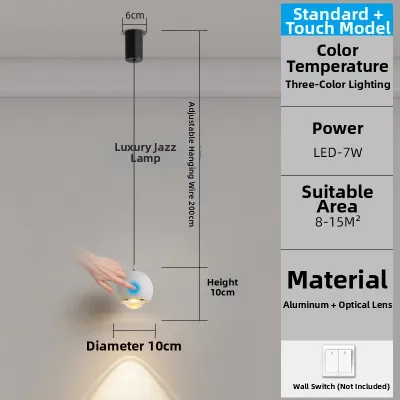
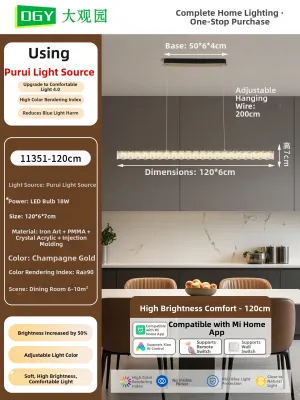
Prices are valid at publication and may change. Please refer to the product page for the latest price.
To calculate your maximum allowable pendant drop for an open walkway, subtract the required clearance from your total ceiling height. For a standard 2.6m HDB ceiling, subtracting a safe clearance of 2.1 meters leaves you with a maximum total drop of 50 centimeters. This total drop must include the ceiling canopy, the suspension cord or chain, and the actual light fixture itself. If you opt for a 2.0-meter clearance, your maximum allowable drop increases to 60 centimeters.
These limits can be relaxed when hanging lights are positioned directly over fixed furniture, where foot traffic is non-existent. Over a dining table or a kitchen island, the primary goal is to illuminate the surface effectively without blocking face-to-face conversations. A standard guideline is to position the bottom of the fixture 75 to 90 centimeters above the tabletop. Assuming a standard dining table height of 75 centimeters, this places the bottom of the light at roughly 1.5 to 1.65 meters above the floor, allowing for a much more generous and dramatic pendant drop of up to 1.1 meters.
Choosing Hanging Light Styles for Low Ceilings
The physical dimensions of a light fixture represent only half of its impact; its visual weight plays an equally significant role in how spacious your room feels. In a 2.6m HDB flat, bulky, opaque, or dark-colored fixtures can make the ceiling feel lower than it actually is. Instead, look for designs that promote a sense of openness and allow light to filter freely throughout the space.

Shallow dome pendants are excellent options for low ceilings because they offer a wide, horizontal profile rather than a tall, vertical one. These fixtures provide excellent downward task lighting while keeping the vertical footprint minimal. Linear pendant lights are another superb choice, particularly over rectangular dining tables or kitchen counters. Their elongated, slim profiles distribute light evenly across a wide area without requiring a deep vertical drop, maintaining a clean and modern aesthetic.
Multi-light cluster designs can also work beautifully if you select fixtures with adjustable individual cords. By staggering the heights of smaller, delicate pendants, you can create a dynamic visual focal point without the overwhelming bulk of a single large chandelier. When choosing clusters, opt for materials with low visual weight, such as clear glass, frosted glass, or open wire cages. These materials allow the eye to travel through the fixture, preserving the illusion of a larger, more open room.
Conversely, avoid heavy, solid metal industrial domes or deeply recessed drum shades that crowd the upper third of the room. These designs cast harsh downward shadows and block natural light, making the living area feel more enclosed.
Evaluating Flush and Semi-Flush Mount Alternatives
While hanging lights add undeniable charm, there are times when a ceiling-hugging fixture is the more practical and visually appealing choice. If your calculated drop length leaves you with very few pendant options, or if a particular room feels too congested, switching to a flush or semi-flush mount can instantly restore spatial flow.
Flush mount fixtures sit directly against the ceiling surface, making them virtually invisible from a distance and maximizing vertical space. Modern flush mounts have evolved far beyond basic utility designs; they now come in sophisticated geometric shapes, metallic finishes, and minimalist profiles that complement contemporary interior themes. Semi-flush mounts, on the other hand, hang just a few centimeters below the ceiling on a short stem. This small gap allows light to reflect off the ceiling surface, creating a soft, ambient glow that mimics the expansive feel of a hanging light without the physical drop.
Certain areas of an HDB flat are naturally unsuited for hanging lights. Narrow corridors, household shelters, utility yards, and small bathrooms require maximum clearance and wide, unobstructed light distribution. In these zones, a hanging light can feel like an obstacle and create safety hazards during daily chores. Installing a sleek flush mount in a corridor ensures the space remains bright and easy to navigate.
When matching alternative fixtures to your interior theme, consider how the profile aligns with your decor. For a Scandinavian or minimalist look, a slim, matte-white flush mount blends seamlessly into the ceiling. For industrial or mid-century modern themes, a semi-flush mount featuring exposed brass arms or clear glass globes offers the stylistic flair of a pendant light while keeping the fixture safely out of your path.
Installation and Electrical Checks for HDB Flats
Before purchasing any hanging light ceiling fixture, you must verify that your home’s electrical infrastructure and ceiling structure can safely support it. Standard HDB ceilings are constructed from solid concrete, which provides excellent structural support but requires specific drilling tools and masonry anchors for installation.
Always check the weight limit of your ceiling junction box and the mounting bracket supplied with your light fixture. Heavy fixtures require secure anchoring directly into the concrete slab rather than relying solely on a standard plastic utility box. Additionally, verify that the fixture is compatible with Singapore’s standard residential voltage of 230V and that it features the appropriate electrical safety marks. Ensure the bulb socket interface and the maximum wattage limits match your intended LED bulbs to prevent overheating or electrical faults.
Working with electrical wiring carries inherent risks, especially when dealing with fixed wiring, work at height, or heavy suspended loads. Before attempting any installation or maintenance, always isolate the power supply at the main distribution board and verify that the circuit is completely dead. Carefully review the manufacturer’s installation instructions regarding wire connections, grounding, and weight distribution. If your installation involves modifying existing wiring, running new conduits, or mounting a complex, heavy fixture, it is highly recommended to hire a licensed electrician registered with the Energy Market Authority.
Frequently Asked Questions (FAQ)
Can I install a chandelier in an HDB with a 2.6m ceiling?
Yes, you can install a chandelier in a 2.6m HDB flat, provided you place it strategically and select the right scale. The most successful placement is directly over a fixed dining table, where the risk of walking into the fixture is eliminated. Look for mini-chandeliers or horizontally oriented designs rather than tall, multi-tiered crystal fixtures. Many modern chandeliers feature adjustable chains or rods; removing excess links to bring the fixture closer to the ceiling can help maintain balanced visual proportions without overwhelming the room.
How do I adjust the cord or chain length of a hanging light?
Most modern hanging lights come with adjustable suspension systems, such as threaded collar loops, cord grips, or removable chain links. To adjust a cord, loosen the strain-relief screw on the ceiling canopy, slide the cord to your desired length, and tighten the screw to secure it. For chain-hung fixtures, use pliers to carefully open and remove excess links. Always perform these adjustments before mounting the fixture to the ceiling. If the cord needs to be cut and rewired, ensure the power is isolated, or consult a licensed electrician to handle the electrical connections safely.
Community discussion
Share your experience or ask a question. Comments are reviewed before publication.