
For a standard HDB dining room with a 2.6-metre ceiling, the ideal hanging light drop length typically ranges from 50cm to 75cm from the ceiling, leaving a comfortable clearance of 75cm to 90cm between the bottom of the light fixture and your dining table surface. This specific configuration ensures that your dining space is beautifully illuminated without the risk of head-bumping when standing up or sitting down. By carefully balancing these measurements, you can create an inviting, intimate dining atmosphere while maintaining a spacious feel in your home.
Understanding the 2.6m Ceiling Constraint in HDB Flats
Many HDB flats in Singapore feature a standard structural ceiling height of approximately 2.6 metres. While this height is comfortable for daily living, it presents unique challenges when planning hanging or pendant light installations. The actual floor-to-ceiling clearance in your dining area can vary significantly based on your renovation choices. For instance, installing thick floor tiles, vinyl overlays, or a self-levelling screed can raise the floor level by several centimetres, reducing your overall vertical space.
If you choose to install a false ceiling to conceal electrical wiring, air conditioning ducts, or to house recessed spotlights, your ceiling height will drop even further. A typical plasterboard false ceiling can reduce your vertical clearance by 10cm to 15cm, leaving you with a true ceiling height of 2.45m to 2.5m. This reduction makes every centimetre of your hanging light’s drop length critical to avoid a cramped environment.
Products mentioned in this guide
![[SG Stock] Nordic Glass & Iron Chandelier Ceiling Light Modern Pendant Light Dining Light LED Dimmable 10-14 Inch](https://img.lazcdn.com/g/p/d8df39f7c886cb188cf8caccec219082.jpg_400x400q80.jpg_.webp)
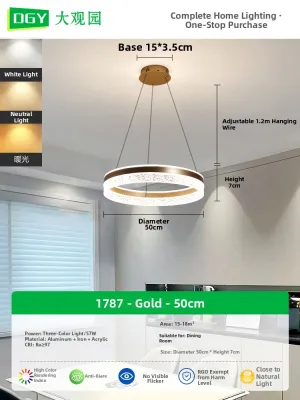
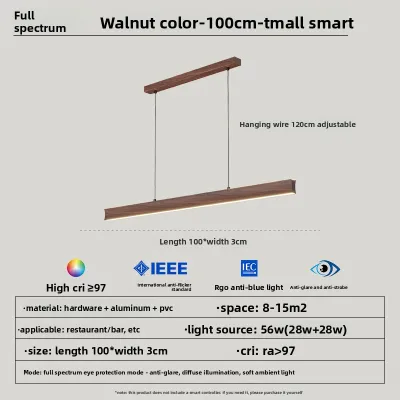
![[SG Seller]For Dining Room Living Room Bedroom Room Tricolor Remote Control Hanging Lamp LED Dimmable Pendant Lights Remote Control Lights](https://img.lazcdn.com/g/p/6f81b893d316f5806bc25c8c47014dfe.jpg_400x400q80.jpg_.webp)
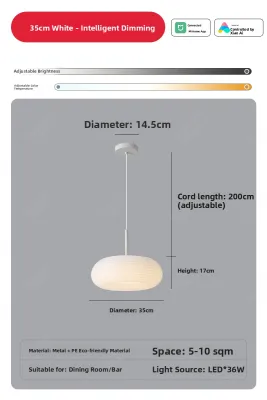
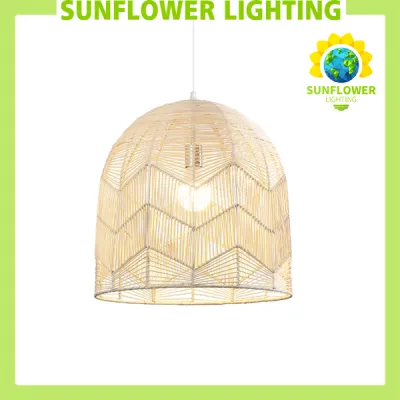
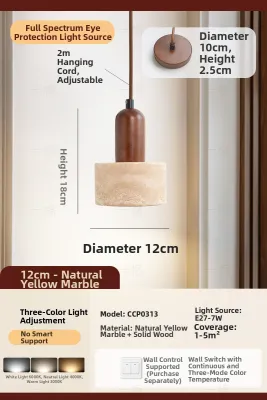
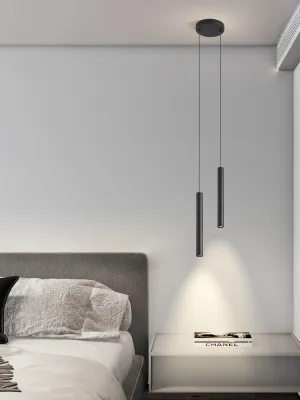
Prices are valid at publication and may change. Please refer to the product page for the latest price.
When selecting a dining light, you must measure the fixture’s total vertical profile rather than just the cord length. This total profile includes the mounting canopy that sits flush against the ceiling, the suspension cord, chain, or rod, and the physical light shade or frame itself. Neglecting to account for the canopy or the height of the shade can result in a light that hangs much lower than anticipated.
In compact HDB dining zones, a hanging light that is too long or bulky can create severe visual crowding. A massive fixture hanging too low not only disrupts the open flow of a combined living-dining area but also makes the entire space feel physically smaller. Choosing a fixture with a streamlined profile and an adjustable drop length is essential to maintaining visual balance in these standard-height spaces.
Calculating the Ideal Drop Length for Your Dining Table
To find the perfect balance for your dining area, start with standard interior design guidelines. The bottom of your pendant light should generally sit between 75cm and 90cm above the surface of your dining table. This range provides focused illumination on your food and tableware while keeping the light source out of your direct line of sight when seated.

For a standard dining table height of 75cm, a 2.6m ceiling leaves 1.85m of space above the table. Applying the 75cm to 90cm rule means the bottom of your light fixture should hang 95cm to 110cm below the ceiling. This translates to a total fixture drop length (canopy plus cord plus shade) of 95cm to 110cm.
However, you must adjust these calculations to suit the height of your tallest household member. If someone in your home stands over 1.8 metres tall, a lower-hanging light might block their view when standing or cause them to bump their head when leaning over the table. In such cases, raising the fixture slightly toward the 90cm clearance limit is highly recommended.
Non-standard dining tables require a complete recalculation of these measurements. For example, counter-height tables (typically 90cm high) or custom-built bar islands reduce the vertical space between the tabletop and the ceiling. For a 90cm counter-height table under a 2.6m ceiling, the remaining space is only 1.7m, meaning your total fixture drop length should be shortened to around 80cm to 95cm to maintain the necessary clearance.
The shape of your dining table also influences how you calculate the drop length. A long rectangular table might benefit from a linear suspension light or multiple smaller pendants hung at a uniform height to ensure even light distribution. A round or square table, on the other hand, is perfectly suited for a single central pendant light, which can be hung slightly lower to create a cozy, focused dining experience.
Adjusting for Light Spread and Visual Proportions
The shape and material of your light shade play a critical role in how light spreads across your dining table. Solid metal or opaque ceramic shades direct light strictly downward, creating a dramatic pool of light but potentially leaving the rest of the room dim. Semi-translucent glass or fabric shades diffuse light outward, softening the overall atmosphere and reducing harsh shadows.
To prevent glare at seated eye level, ensure the bulb is recessed within the shade rather than exposed. If you prefer exposed-bulb designs, such as industrial Edison bulbs, consider using a dimmable fixture or a lower-wattage bulb to avoid eye strain during meals.
The choice between a single large pendant and a cluster of smaller hanging lights also affects your drop length strategy. A single, wide pendant light requires a precise central placement and often looks best when hung slightly higher to maintain visual balance. Conversely, a cluster of smaller pendants can be hung at staggered heights, adding visual interest without overwhelming the compact HDB dining space.
Before finalizing the installation height, conduct a seated sightline test with another person. Sit at your dining table and have someone hold the fixture at the proposed height. Verify that the shade does not block your view of the person sitting opposite you, ensuring comfortable conversation during dinner.
Additionally, consider the color temperature of the bulbs you choose. Warm white light (around 2700K to 3000K) is ideal for dining areas as it enhances the appearance of food and creates a relaxing, welcoming ambiance. When combined with the correct drop length, the right color temperature can transform your dining zone into a comfortable space for both meals and extended conversations.
Installation Checks and Safety Boundaries
Before mounting any hanging light, you must verify the structural integrity of your ceiling’s junction box. Standard HDB concrete ceilings can support substantial weight, but you must ensure the mounting bracket and screws are rated for your specific fixture’s weight. Always check the manufacturer’s installation instructions for weight limits and mounting requirements.
Electrical safety is paramount when dealing with fixed wiring in Singapore. Ensure the fixture is compatible with the local 230V electrical system and carries the appropriate safety certifications, such as the Safety Mark. Verify the bulb base interface (such as E27 or GU10), maximum wattage limits, and the dimming method if you plan to use a dimmer switch.
Always isolate the power supply at the main distribution board (DB box) before attempting any electrical work or installation. If your installation requires drilling into the concrete ceiling, extending electrical wires, or anchoring heavy fixtures to a false ceiling, stop immediately and hire a licensed electrician.
Once the fixture is mounted, test the cord adjustment and locking mechanisms thoroughly. Ensure the strain relief grips and cord locks are tightened securely to prevent the light from gradually slipping downward over time, which could create a safety hazard or disrupt your carefully calculated clearance.
If your dining area is located close to a wet kitchen or a balcony where humidity levels fluctuate, check the fixture’s ingress protection (IP) rating. While standard indoor dining lights do not require high IP ratings, ensuring the materials are resistant to moisture and dust will prolong the lifespan of your fixture and prevent premature electrical failures.
Frequently Asked Questions (FAQ)
Can I install a hanging light if my HDB dining area has a false ceiling?
Yes, you can install a hanging light on a false ceiling, but you must take specific structural precautions. Standard plasterboard false ceilings are not designed to bear the weight of heavy light fixtures directly. For lightweight pendants, specialized toggle bolts or plasterboard anchors may suffice, but you must verify the manufacturer’s weight limits first.
For heavier fixtures, the mounting bracket must be anchored directly into the original concrete ceiling slab above the false ceiling. This requires using threaded rods or extended suspension brackets that pass through the plasterboard. If you are unsure of the false ceiling’s load-bearing capacity or how to locate the concrete slab, consult a qualified professional to handle the installation safely.
What if the pendant light I bought has a fixed, non-adjustable cord?
If your pendant light comes with a fixed, non-adjustable cord or rod, you have a few safe options to manage the height. Some manufacturers offer compatible shortening accessories, such as cord clips or adjustable chain links, which allow you to raise the fixture safely. Always refer to the product manual to see if the cord can be safely shortened at the canopy end.
Never attempt to DIY-cut, splice, or wrap electrical wires tightly around the fixture frame, as this can damage the insulation and create a fire or shock hazard. If the cord cannot be adjusted safely and does not fit your 2.6m ceiling clearance, check the retailer’s return policy to exchange the fixture for an adjustable model.

Community discussion
Share your experience or ask a question. Comments are reviewed before publication.