
Quick Answer: Which Option Provides the Best Pressure Relief?
Finding the right hemorrhoid cushion (痔疮坐垫) is not about finding a single universal winner, but rather matching the cushion’s material and shape to your specific symptoms, sitting habits, and environment. For those seeking immediate, highly localized relief during acute flare-ups, isolating the painful area is crucial, but doing so incorrectly can worsen the condition.
Generally, gel cushions excel in providing firm structural support and superior cooling, making them ideal for long sitting sessions in warm environments. Memory foam offers exceptional contouring and even weight distribution, which helps reduce overall pelvic pressure, though it tends to retain body heat. Meanwhile, the traditional donut shape provides direct isolation for the perineum but carries distinct risks of restricting blood flow if used for extended periods. Ultimately, the most effective pressure relief often comes from combining a highly supportive material, such as high-density memory foam or hyper-elastic gel, with an ergonomic shape like a U-shape or wedge, rather than relying solely on a classic ring-shaped donut.
Materials vs. Shapes: Understanding Your Hemorrhoid Cushion Options
To make an informed decision, it is essential to distinguish between the material a cushion is made of and the physical shape it takes. These two factors operate independently but combine to dictate how much pressure is relieved from your sensitive areas. A mismatch here can lead to a cushion that either collapses too quickly or fails to provide the targeted relief you need.
Products mentioned in this guide
![[SG 🚚] Round Inflatable Seat Ring Donut Cushion Pillows Pad Pain Relief Hemorrhoid Treatment Seat Cushion For Home Office with](https://img.lazcdn.com/g/p/da6feff764a8cffba957be22ce49fa1c.jpg_400x400q80.jpg_.webp)
Prices are valid at publication and may change. Please refer to the product page for the latest price.

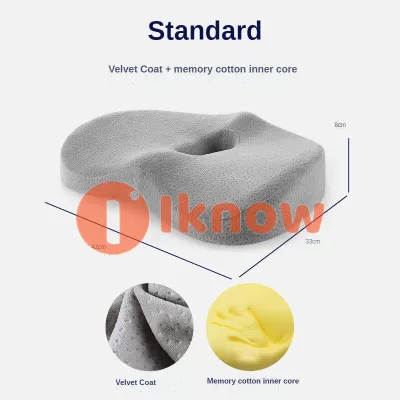
Memory Foam is a viscoelastic polyurethane material originally developed to absorb high impact. It is highly sensitive to both weight and temperature. When you sit on memory foam, your body heat softens the material, allowing it to contour precisely to the unique curves of your pelvic structure. This creates a custom-molded support surface that distributes your body weight across a wider area. The material’s slow-recovery characteristic means it absorbs energy and dampens vibrations, which can be highly beneficial when sitting in moving vehicles.
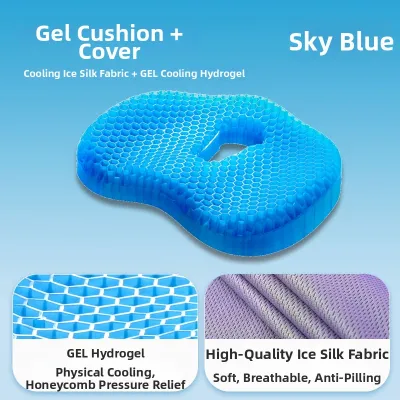
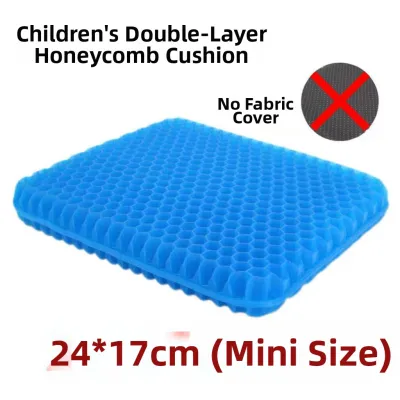
Gel, in the context of seat cushions, is typically used in one of two ways: as a thin, cooling top layer laminated onto a foam base, or as a solid, molded grid structure made of hyper-elastic polymer. Solid gel grids do not rely on heat to soften; instead, they use physical column buckling—where the walls of the grid collapse under pressure to distribute weight laterally while maintaining a highly supportive, springy structure. This material is highly durable and does not degrade or lose its elasticity over years of continuous use.
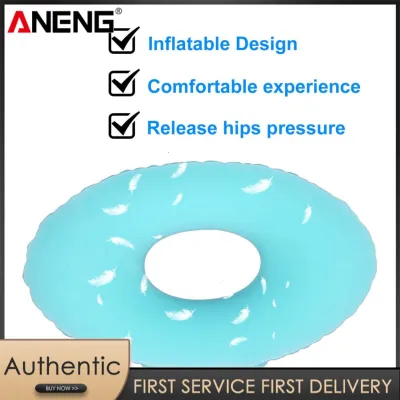
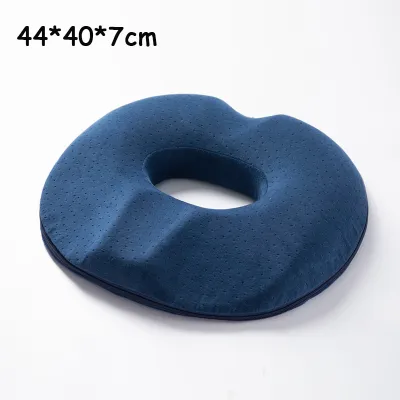
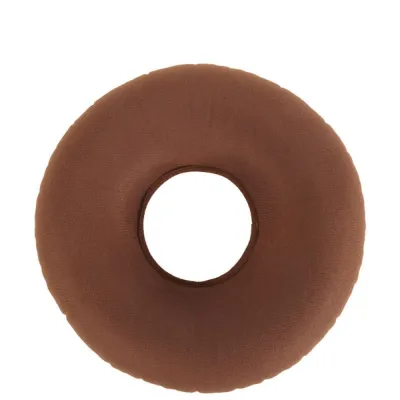
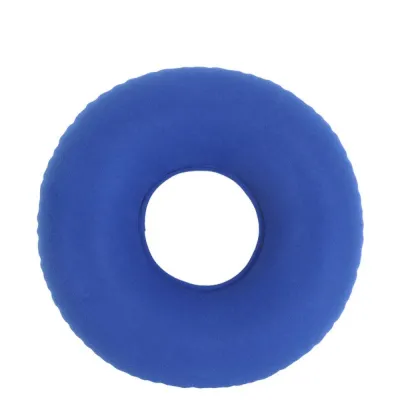
Donut is a physical shape rather than a material. It features a circular or oval design with a hollow cutout in the center, designed to suspend the perineum and coccyx in mid-air. Donut cushions can be constructed from memory foam, solid gel, polyurethane foam, or even inflatable PVC and rubber.
The interaction between material and shape is critical. While the material determines how the cushion absorbs weight, manages heat, and resists flattening over time, the shape dictates which parts of your pelvis, thighs, and perineum actually bear your weight. Understanding this distinction prevents the common mistake of buying a cushion based on shape alone, only to find the material cannot support your weight.
Pressure Distribution: How Each Option Affects Hemorrhoid Pain
The primary objective of using an orthopedic cushion is to reduce pressure on the hemorrhoidal veins and the surrounding pelvic floor muscles. When you sit on a flat, unyielding surface, your body weight is concentrated heavily on the ischial tuberosities (your “sit bones”) and the perineal region. This concentrated pressure restricts blood flow, leading to venous congestion, inflammation, and increased pain. Each cushion option handles this weight distribution differently.
When sitting, about 75% of our upper body weight is supported by an area of only a few square centimeters under the ischial tuberosities. This concentrated force can exceed 100 mmHg of pressure, which is far above the normal capillary blood pressure of around 32 mmHg. In the perineal region, this causes severe capillary occlusion, leading to localized ischemia (lack of blood flow) and worsening hemorrhoidal symptoms.
Memory Foam: Contouring vs. Bottoming Out
Memory foam’s primary strength lies in its ability to conform to your body. As the viscoelastic foam warms up from your body heat, it sinks under your sit bones and rises to support your thighs and outer buttocks. This contouring effect significantly increases the contact surface area between your body and the seat, which mathematically lowers the pressure exerted on any single spot.
However, memory foam has a notable physical limitation known as “bottoming out.” Under prolonged sitting or heavier body weights, the foam can compress completely, losing its air pockets and turning into a hard, dense block. When this happens, the cushioning effect is lost, and your sensitive perineal area is pressed firmly against the hard chair surface underneath.
To prevent this, it is crucial to verify the density and thickness of the foam before purchasing. High-density memory foam (typically 80 kg/m³ or higher) provides the structural integrity needed to prevent complete compression, whereas cheap, low-density foam will collapse within minutes of sitting. You can test this by pressing your hand firmly into the center of the cushion; it should offer progressive resistance and take several seconds to return to its original shape.
Gel: Firm Support and Heat Dissipation
Hyper-elastic gel cushions, particularly those utilizing a honeycomb or open-grid design, offer a completely different pressure-relief mechanism. Instead of sinking continuously like foam, the vertical walls of the gel grid support your weight until they reach a threshold, at which point they buckle smoothly to redistribute the load to neighboring cells. This column-buckling behavior ensures that weight is moved away from high-pressure areas like the tailbone and perineum and spread evenly across the thighs.
This firm, springy support prevents your pelvis from sinking too deeply into the seat. If a cushion allows your pelvis to sink excessively, it can tilt your hips backward, putting added tension on your pelvic floor muscles and aggravating hemorrhoid swelling. The structural resilience of TPE gel ensures that the cushion maintains its height and supportive properties throughout long office hours or commutes, never bottoming out even under significant weight.
Furthermore, many manufacturers now offer gel-infused memory foam hybrids. These products attempt to merge the contouring comfort of foam with the structural resilience and thermal benefits of gel, making them an excellent middle-ground option for users who find pure gel grids too firm or pure memory foam too soft.
Donut Shape: Direct Isolation vs. Blood Flow Risks
The traditional donut cushion is highly popular because it offers an immediate, intuitive solution: by placing a hole directly under the painful area, it completely eliminates contact with the chair. For individuals dealing with acute external hemorrhoids, thrombosed hemorrhoids, or post-surgical recovery, this total suspension provides instant relief from surface friction and direct contact pain.
Despite this immediate comfort, medical professionals frequently caution against the long-term or unmonitored use of traditional ring-shaped donut cushions. The rigid, circular edge of a donut cushion acts like a tourniquet. When you sit on it, your body weight forces the tissues inside the ring to sag downward into the opening. This sagging, combined with the tight circular pressure around the perimeter, restricts venous blood flow out of the perineal area.
Because hemorrhoidal veins lack valves, they are highly susceptible to gravity and external pressure. Instead of relieving pressure, the donut shape can cause blood to pool in these veins, potentially worsening existing swelling, slowing down healing, or even contributing to the development of new hemorrhoids. Consequently, donut cushions should be reserved strictly for short-term, acute flare-ups, and users should limit their sitting time or transition to more ergonomic shapes as soon as possible.
Comfort and Breathability in a Tropical Climate
In a hot and humid tropical climate like Singapore’s, thermal comfort and breathability are just as important as pressure relief. Sitting on a poorly ventilated cushion for hours can lead to heat buildup, excessive sweating, and localized moisture retention. This humid microclimate not only causes physical discomfort but can also irritate sensitive skin, exacerbate itching, and create an environment prone to bacterial growth.
In Singapore’s high humidity, trapped moisture on the skin can lead to skin maceration—where the skin becomes soft, wet, and easily damaged. For hemorrhoid sufferers, this is particularly dangerous as it can lead to painful skin breakdown, increased susceptibility to bacterial infections, and intense pruritus ani (itching). Selecting a highly breathable cushion is therefore a functional necessity rather than a minor preference.
Memory Foam is a notorious heat trap. Because of its dense, closed-cell structure, it absorbs and retains body heat, warming up the longer you sit on it. In a tropical office or during a drive under the sun, this can quickly lead to a sweaty, uncomfortable experience. To mitigate this issue, look for memory foam cushions designed with ventilated air channels, open-cell foam formulations, or those infused with cooling gel beads. Additionally, the outer cover plays a major role; opting for high-performance covers made of breathable 3D spacer mesh, bamboo-derived rayon, or phase-change materials (PCM) can help wick moisture away and promote air exchange.
Gel grid cushions are inherently superior when it comes to temperature regulation. The material itself has high thermal conductivity, meaning it absorbs heat from your body and dissipates it quickly. More importantly, the open honeycomb or grid architecture of these cushions allows air to flow freely through the seat. As you shift your weight, air is pumped through the open columns, preventing the buildup of heat and moisture. This active ventilation makes pure gel grid cushions exceptionally comfortable for prolonged sitting in humid climates, even in non-air-conditioned spaces.
Donut (Inflatable vs. Solid): The material composition of donut cushions varies widely, and this has a direct impact on breathability. Inflatable donut cushions made of cheap PVC, vinyl, or heavy rubber should generally be avoided. These non-porous materials completely block airflow, trap sweat against the skin, and can cause painful friction. If a donut shape is necessary for short-term medical recovery, a solid molded foam or gel-infused donut with a breathable fabric cover is a far more hygienic and comfortable choice.
Regardless of the material you choose, maintaining hygiene in a humid climate is paramount. Ensure that any hemorrhoid cushion you purchase features a fully removable, machine-washable outer cover. Regular washing prevents sweat, oils, and bacteria from accumulating, keeping your seating setup clean and fresh.
Decision Framework: Which Hemorrhoid Cushion Should You Buy?
Choosing the right cushion requires balancing your specific symptoms, sitting duration, and environmental conditions. Use the following targeted framework to determine which option aligns best with your daily needs.
Choose Gel (or Gel-Memory Foam Hybrid) if:
- You sit for long, continuous periods (such as an eight-hour office shift or long driving commutes).
- You live or work in a warm, humid environment without constant air conditioning and are prone to sweating.
- You require firm, resilient pelvic support that will not compress or bottom out over weeks of heavy use.
- You want a low-maintenance cushion that can be easily washed or rinsed directly.
Choose Memory Foam (U-shaped or Wedge) if:
- You prefer a soft, deeply contouring feel that molds specifically to your anatomy.
- You suffer from secondary pain points, such as tailbone (coccyx) soreness or lower back stiffness, alongside hemorrhoid discomfort.
- You want an ergonomic design, such as a wedge or U-cutout, that gently tilts your pelvis forward, promoting a natural spinal curve and reducing pressure on both the tailbone and perineum.
Choose a Donut Shape if:
- You are experiencing an acute, highly localized external hemorrhoid flare-up or are recovering from a surgical procedure, where any direct contact with a surface causes sharp pain.
- Crucial Condition: You plan to use the cushion only for short, intermittent periods (under 2 to 3 hours a day) and have verified its safety with your treating physician to avoid blood flow restriction.
Verify First Before Buying: Before finalizing your purchase of any hemorrhoid cushion (痔疮坐垫), make sure to perform these essential verification checks:
- Weight Capacity: Check the manufacturer's specifications to ensure the cushion's density matches your body weight. If you weigh more than 85 kg, look for extra-firm memory foam or heavy-duty TPE gel grids to prevent bottoming out.
- Dimensions: Measure your office chair, car seat, or dining chair. A cushion that is too wide will warp at the edges, while one that is too small will fail to support your thighs properly, causing hip misalignment. Pay special attention to bucket seats in cars, which have raised side bolsters that can compress the sides of a wide cushion and alter its support profile.
- Non-Slip Base: Ensure the bottom of the cushion cover features a textured, non-slip rubberized grip. This prevents the cushion from sliding backward or shifting when you sit down, which can cause sudden, painful pressure spikes.
- Cover Material: Confirm that the cover is made of a breathable, hypoallergenic fabric and can be easily unzipped for machine washing.
Frequently Asked Questions (FAQ)
How long should I sit on a hemorrhoid cushion each day?
While a high-quality cushion can significantly reduce pressure, sitting for prolonged periods remains a primary contributor to hemorrhoid flare-ups. You should not use a cushion as an excuse to sit uninterrupted. It is highly recommended to stand up, stretch, or walk for at least two to five minutes every 30 to 60 minutes. This movement stimulates lower-body blood circulation, relieves venous congestion in the pelvic area, and prevents pressure from accumulating, regardless of the cushion type you use.
Can a hemorrhoid cushion cure or shrink hemorrhoids?
No, a hemorrhoid cushion is a supportive comfort device, not a medical cure. Its sole function is to manage pain, reduce localized pressure, and prevent further irritation of inflamed tissues while you sit. It does not treat the underlying vascular weakness, shrink swollen veins, or cure the condition. For long-term recovery, you must address the root causes through dietary adjustments, hydration, and medical treatments prescribed by a healthcare professional.
Is a U-shaped cushion better than a donut cushion?
For daily, long-term use, ergonomics experts and medical professionals generally prefer U-shaped or wedge-shaped cushions over traditional donut cushions. A U-shaped cushion features a rear cutout that suspends your tailbone while allowing your thighs and outer buttocks to bear your weight evenly. This design avoids the continuous circular pressure of a donut cushion, thereby eliminating the risk of restricted blood flow and venous pooling while still protecting sensitive areas from direct contact.
Community discussion
Share your experience or ask a question. Comments are reviewed before publication.