
Choosing between Hetras and Muji essential oil diffusers depends on whether you prioritize a highly minimalist, functional aesthetic or a more decorative, feature-rich design. Muji is globally recognized for its signature unbranded, clean-lined aesthetic that blends seamlessly into neutral, Zen-inspired interiors. Hetras, on the other hand, offers a variety of stylistic approaches and functional capacities that cater to diverse home decor themes and specific room requirements.
When selecting a diffuser for your home, the ideal choice hinges on your specific room dimensions, existing interior design, and how much time you want to spend on maintenance. While both brands utilize ultrasonic technology to disperse essential oils, their physical footprints, water capacities, and control options differ.
Before making a purchase, it is essential to verify the latest model specifications, warranty coverage, and stock availability on official brand websites or authorized online marketplaces. This ensures you receive a genuine product compatible with local electrical standards and backed by reliable customer support.
Products mentioned in this guide

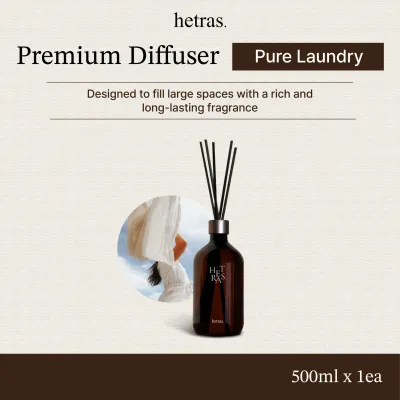
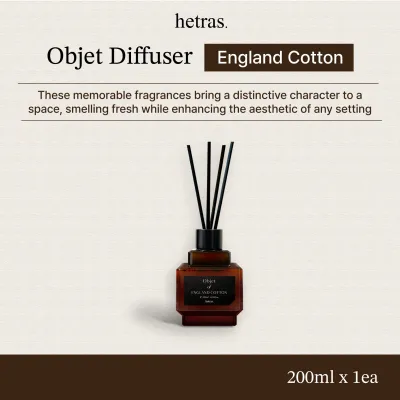
Prices are valid at publication and may change. Please refer to the product page for the latest price.
Build Quality and Design Aesthetics
The physical construction of an essential oil diffuser determines both its longevity and how well it integrates into your living space. Muji diffusers are famous for their sandblasted, matte polypropylene (PP) plastic bodies, which are designed to be unobtrusive and highly durable. This lightweight, BPA-free material is highly resistant to the corrosive nature of essential oils, making it a practical choice for daily use. The matte finish is excellent at resisting fingerprints, though it can show oil stains if not wiped down promptly.
Hetras diffusers often present a wider array of design choices, incorporating different materials such as ceramic outer shells, wood-grain finishes, or tinted plastics. These varied designs allow homeowners to treat the diffuser as a statement decor piece rather than a hidden utility. A ceramic cover adds a premium, tactile weight to the device, though it requires careful handling as it can chip if dropped on hard flooring. When evaluating these options, you should check the product labels to confirm that any plastic parts in direct contact with water and essential oils are made from high-quality, BPA-free materials.
To assess the build durability of any diffuser before buying, start by examining the water tank seams. High-quality diffusers feature seamless inner tanks that minimize the risk of leaks over time. A poorly constructed seam can weaken under the constant stress of water and oil exposure, eventually leading to internal electrical damage.
Another critical factor is the base weight and stability of the device. A diffuser with a wider base or rubberized feet is less likely to be accidentally knocked over, which is a vital consideration if you have pets or young children at home. Additionally, inspect the power cord quality and connection port; a recessed port on the underside of the unit helps protect the electrical connection from accidental spills during refilling.
Mist Output and Aromatherapy Performance
Aromatherapy performance relies heavily on how effectively a diffuser can disperse scent throughout a specific area. To determine if a model is suitable for your space, you must check the mist output rate (usually measured in milliliters per hour) and the water tank capacity. These specifications, found on the manufacturer’s spec sheet, allow you to estimate the continuous runtime of the device.

Both Hetras and Muji primarily utilize ultrasonic technology, where a small ceramic disc vibrates at an ultrasonic frequency to break down water and essential oils into a fine, cool mist. This method adds a very mild amount of moisture to the air, which can be pleasant in dry, air-conditioned Singapore bedrooms, though it is not a substitute for a dedicated humidifier. The primary benefit remains the clean, heat-free dispersion of pure essential oil molecules, preserving their aromatic properties.
In Singapore’s naturally humid climate, the ambient moisture levels can sometimes affect how mist behaves. In highly humid, non-air-conditioned rooms, a heavy mist may settle quickly onto surrounding surfaces rather than dispersing into the air. Choosing a diffuser with adjustable mist heights or a stronger internal fan can help project the mist upward, ensuring better scent distribution throughout the room.
When planning your layout, you must match the diffuser’s stated coverage area with your actual room dimensions. A compact diffuser designed for a small study or bedside table will struggle to scent an open-concept living and dining area. Conversely, a high-capacity diffuser in a small, enclosed room can quickly overwhelm the space with fragrance, potentially causing discomfort.
Noise levels and control settings are equally important for overall comfort. For bedroom or workspace placement, look for models that specify quiet operation, typically below 30 decibels. Adjustable mist settings (such as high, low, or intermittent modes) and built-in timers allow you to customize the scent intensity and duration, preventing sensory fatigue and conserving your essential oils.
Overall Value, Pricing, and Maintenance
Evaluating the overall value of a diffuser involves looking beyond the initial purchase price to consider long-term maintenance and operational costs. You can check current retail prices in S$ and verify warranty terms on official brand stores or authorized e-commerce platforms. A longer warranty period often indicates greater manufacturer confidence in the product’s lifespan and provides peace of mind.
When purchasing electronic appliances in Singapore, it is also wise to check if the power adapter comes with appropriate safety certifications, such as the Safety Mark issued by Enterprise Singapore. This ensures the electrical components have been tested to meet local safety standards, reducing the risk of short circuits or electrical fires in your home.
Routine maintenance is non-negotiable for keeping an ultrasonic diffuser functioning correctly. Over time, mineral deposits from tap water and oily residues from essential oils can build up on the ultrasonic plate, reducing mist output or stopping the device from working entirely. Standard cleaning involves emptying any remaining water, wiping the tank with a soft cloth, and gently descaling the ultrasonic plate using a cotton swab dipped in a mild white vinegar solution.
Before purchasing, you should also consider the availability of replacement parts, such as power adapters or tank lids. Brands with established local distribution networks make it much easier to source these parts if they are lost or damaged. Furthermore, check the manufacturer’s guidelines regarding essential oil viscosity, as some heavy or synthetic oils can clog the delicate ultrasonic mechanism.
Decision Framework: Which Diffuser Should You Buy?
To help you decide which brand best aligns with your home environment and lifestyle, consider the following targeted recommendations:
- Choose Hetras if: You want a diffuser that doubles as a distinct decorative element, offering varied aesthetic finishes like ceramic or wood-grain to match specific interior design themes. This brand is also suitable if you are looking for a particular price-to-capacity ratio or specific functional features that align with a set budget.
- Choose Muji if: You prefer a timeless, ultra-minimalist aesthetic that blends seamlessly into neutral, modern, or Japanese-inspired home decors. Muji is ideal if you prioritize straightforward, reliable ultrasonic performance with a focus on simple, intuitive controls and a clean, unbranded look.
- Verify first if: You require specific safety features, such as an automatic shut-off function when the water level runs low, or waterless protection to prevent overheating. Additionally, always confirm that the power adapter is compatible with Singapore's standard electrical supply of 230V and uses the appropriate plug type before plugging the device into your wall outlet.
Frequently Asked Questions (FAQ)
Can I use any brand of essential oil in Hetras or Muji diffusers?
Most ultrasonic diffusers, including those from Hetras and Muji, are compatible with standard 100% pure essential oils from any reputable brand. However, you must avoid using thick carrier oils (such as jojoba, coconut, or sweet almond oil) or heavy, resinous oils (like vetiver or patchouli) in high concentrations, as these can clog the ultrasonic plate. Additionally, synthetic fragrance oils or highly acidic citrus oils can degrade the plastic water tanks over time. Always consult the user manual for specific oil compatibility guidelines to prevent damaging your device.
How often should I clean my essential oil diffuser?
To maintain optimal mist output and prevent the buildup of mold or bacteria, you should perform a quick rinse and wipe-down of the water tank after every few uses, especially when switching between different essential oil scents. A deeper descaling clean using a mixture of white vinegar and water should be done every two to three weeks. Always remember to unplug the diffuser from the power outlet before cleaning, and take extra care to avoid getting water into the central air vent or electrical ports, as this can cause permanent electrical damage.
Community discussion
Share your experience or ask a question. Comments are reviewed before publication.