
When selecting bedding, understanding the exact composition of your blanket is the first step toward achieving a restful night. Homie sleep blankets are designed using a variety of textile options, ranging from natural fibers like cotton and bamboo-derived viscose to high-performance synthetics like polyester and microfiber blends. Because the brand offers multiple collections tailored to different sleeping preferences, the specific material makeup directly influences how the blanket feels against your skin, how well it manages heat, and how easily it breathes throughout the night. By matching these fabric characteristics to your personal sleep environment, you can select a blanket that provides the ideal balance of coziness and temperature control.
Identifying the Materials in Your Homie Sleep Blanket
To determine the exact composition of a Homie sleep blanket, you must look beyond general marketing terms and examine the specific product documentation. The most reliable source of information is the physical care label stitched into the seam of the blanket, which lists the precise percentages of each fiber used in its construction. If you are shopping online, you can verify these details by reviewing the technical specifications on official product pages or authorized online marketplace listings, where manufacturers typically disclose the full material breakdown.
Blanket manufacturers frequently utilize fabric blends rather than single-source fibers to achieve a more balanced performance. For instance, combining a natural fiber with a synthetic one can enhance the overall durability of the blanket while keeping the surface soft and comfortable. These blends are also engineered to optimize production costs, allowing consumers to access high-quality bedding solutions at a more accessible price point.
Products mentioned in this guide
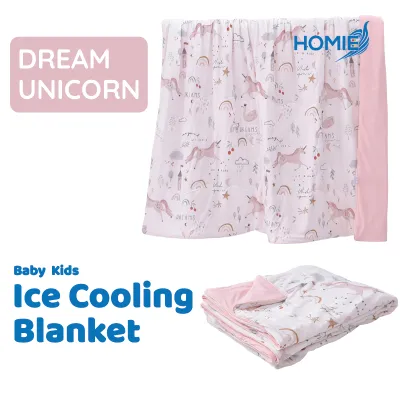
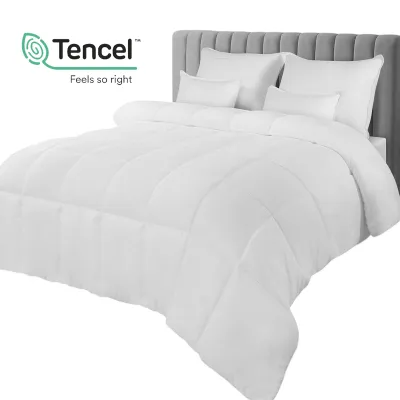
Prices are valid at publication and may change. Please refer to the product page for the latest price.
Because Homie sleep offers several distinct product lines, you should avoid assuming that all blankets from the brand share the same material composition. A lightweight summer throw will feature a vastly different fabric profile than a weighted blanket or a plush winter cover. Always check the specific collection name and its corresponding material label to ensure the blanket aligns with your expectations for warmth, weight, and texture.
Common Fabrics Used in Sleep Blankets
To make an informed decision, it is helpful to understand the characteristics of the primary fabrics commonly utilized in modern sleep blankets. Cotton remains one of the most popular choices for bedding due to its natural, long-staple fibers that allow air to circulate freely. This inherent breathability makes cotton blankets exceptionally comfortable for warmer climates or for individuals who tend to run hot during the night. Additionally, cotton fibers soften naturally with each wash, providing a gentle, non-irritating surface that is highly favored for daily use.

Polyester and microfiber are synthetic alternatives widely appreciated for their exceptional durability and resistance to wear. These materials are composed of extremely fine synthetic threads that can be woven tightly to create an incredibly plush, velvety texture. While synthetic fibers are highly resistant to wrinkling and shrinking, their breathability depends heavily on the specific weave and weight of the fabric. A loosely knit polyester blanket can offer decent airflow, whereas a dense, high-pile microfiber construction is designed primarily to trap warmth.
Bamboo-derived viscose or rayon has emerged as a highly sought-after material in contemporary bedding. This semi-synthetic fabric is produced by processing natural bamboo cellulose into smooth, silk-like fibers that drape elegantly over the body. Bamboo-derived fabrics are naturally smooth to the touch and possess excellent moisture-wicking properties, making them highly effective at pulling sweat away from the skin. However, the final performance and environmental footprint of these blankets depend heavily on the manufacturer’s specific chemical processing and weaving methods.
Blended fabrics represent a strategic middle ground, combining the best attributes of natural and synthetic materials. A cotton-polyester blend, for example, retains much of the breathability and softness of cotton while gaining the wrinkle resistance and structural strength of polyester. These hybrid textiles are designed to withstand frequent laundering without losing their shape or softness, making them an excellent choice for busy households seeking low-maintenance bedding that does not compromise on physical comfort.
How Material Properties Impact Sleep Comfort
The physical properties of your blanket’s fabric play a critical role in regulating your sleep quality throughout the night. Breathability and moisture management are perhaps the most vital factors in preventing the uncomfortable buildup of humidity under the covers. When a fabric features an open weave or highly porous fibers, it allows warm, moist air generated by your body to escape. This continuous air circulation prevents sweat from pooling on your skin, ensuring you remain dry and comfortable even during humid nights.
Thermal regulation is closely linked to breathability but focuses specifically on how a material manages heat. Insulating fabrics, such as dense microfibers or heavy wool blends, are engineered with tiny air pockets that trap your body heat to keep you warm in cold environments. Conversely, cooling fabrics are designed to dissipate heat quickly, utilizing high thermal conductivity to transfer warmth away from your body. Choosing between these two mechanisms depends entirely on whether your primary goal is to retain warmth or to stay cool.
The tactile sensation of a blanket, often referred to as its hand-feel, directly influences your psychological and physical comfort. Manufacturers use various surface treatments, such as brushing, shearing, or specific knitting patterns, to alter the texture of the fabric. A brushed microfiber blanket offers a fuzzy, comforting warmth that mimics natural fleece, while a smooth, sateen-weave cotton or bamboo blanket provides a cool, crisp sensation. The ideal texture is highly subjective and should be chosen based on what feels most soothing against your skin.
Finally, the weight and drape of the blanket contribute significantly to the overall sensory experience of sleep. Drape refers to how closely the fabric conforms to the contours of your body; a fluid drape eliminates gaps where cold air can enter, creating a secure, cocoon-like feeling. The physical density of the material determines whether the blanket feels substantial or virtually weightless. Some sleepers find that a heavier drape provides a comforting sense of security, while others prefer a featherlight layer that allows for unrestricted movement.
Verifying Material Claims and Care Instructions
To ensure your blanket maintains its original comfort and structural integrity, you must know how to verify material claims and care for the fabric properly. The physical care label is your primary guide for maintenance, detailing specific washing temperatures, drying cycles, and ironing restrictions. Ignoring these instructions can lead to irreversible damage, such as fiber shrinkage, melting of synthetic threads, or the breakdown of natural fabric structures. For instance, high heat should generally be avoided when laundering synthetic or semi-synthetic blankets to preserve their soft texture.
When evaluating the safety and quality claims of a sleep blanket, look for recognized independent textile certifications. Certifications such as OEKO-TEX Standard 100 indicate that the fabric has been rigorously tested for harmful substances and chemical residues. These labels provide peace of mind, particularly for bedding that comes into direct, prolonged contact with your skin every night. You can typically find these certification details listed on the product packaging or within the manufacturer’s official online documentation.
Over time, observing the physical condition of your blanket can reveal a lot about its material quality and how well it is being maintained. Signs of pilling—the formation of tiny fiber balls on the fabric surface—often occur when fibers rub together during use or washing, particularly in low-grade synthetic blends. Fading colors or a stiffening texture may indicate that the washing detergent used is too harsh or that the drying temperature is too high. Monitoring these changes allows you to adjust your laundry routine before permanent degradation occurs.
If you have specific health concerns, severe allergies, or questions about the sourcing of the materials, do not hesitate to consult the manufacturer directly. Customer support channels can provide detailed information regarding the chemical treatments used during production, the specific origin of the fibers, and any warranty policies that cover material defects. Engaging with the manufacturer ensures you receive accurate, up-to-date guidance tailored to your specific product model.
Frequently Asked Questions (FAQ)
Are Homie sleep blankets suitable for sensitive skin?
To determine if a Homie sleep blanket is suitable for sensitive skin, you should carefully examine the physical product label for smooth weaves and the absence of harsh chemical finishes. Rough textures or loose fibers can cause mechanical irritation when rubbing against delicate skin during sleep. It is highly recommended to look for independent textile safety certifications, such as OEKO-TEX, which verify that the fabric is free from harmful levels of chemical residues. If you have diagnosed skin conditions or severe allergies, you should consult a dermatologist to identify specific fiber triggers before making a purchase.
How should I wash my Homie sleep blanket to maintain its softness?
Preserving the original softness of your blanket requires strict adherence to the instructions printed on its physical care label. As a general rule for most sleep blankets, you should use a mild, liquid detergent and wash the blanket on a gentle cycle with cold or lukewarm water. Avoid using fabric softeners unless explicitly permitted, as these products can leave a chemical residue that coats the fibers, reducing their breathability and causing synthetics to feel stiff or greasy over time. Air drying or tumble drying on a low-heat, delicate setting is typically recommended to prevent heat damage to the fibers.
Do these blankets trap heat in Singapore's climate?
Whether a Homie sleep blanket traps heat in Singapore’s warm and humid climate depends entirely on its specific fiber blend, weave density, and overall weight. Heavy, tightly woven synthetic blankets, such as those made from dense microfiber, are designed to retain heat and may feel uncomfortably warm in non-air-conditioned rooms. For local tropical conditions, it is advisable to select blankets made from highly breathable, lightweight materials like open-weave cotton or moisture-wicking bamboo-derived viscose. These fabrics facilitate better airflow and heat dissipation, helping you maintain a comfortable sleeping temperature throughout the night.
Community discussion
Share your experience or ask a question. Comments are reviewed before publication.