
Selecting the right home fragrance setup can instantly transform the atmosphere of your living space, turning a routine room into a sensory sanctuary. The Hooga Black Series has gained significant popularity for its striking, minimalist dark aesthetic and diverse range of home scenting options. This collection primarily comprises reed diffusers, room sprays, scented candles, incense sticks, incense cones, and dedicated burning vessels. For a first-time buyer, the most practical and low-maintenance entry point is typically the reed diffuser, which offers continuous, passive scenting without the need for active monitoring. However, if you prefer a more ritualistic, hands-on experience, starting with an incense burner and a small selection of incense sticks allows you to curate your environment on demand.
To make an informed decision, it is essential to understand how these different product types function, how they fit into your daily routines, and how to maintain their distinct dark finishes. By evaluating your spatial layout, ventilation, and willingness to manage open flames or ash, you can select the specific item from this moody collection that best aligns with your lifestyle.
Understanding the Hooga Black Series Aesthetic and Scope
The Hooga Black Series is defined by its bold departure from traditional, pastel-toned home decor. It embraces a dark, monochromatic design language that serves as both a functional fragrance delivery system and a sophisticated design statement. The visual identity of this series relies heavily on matte black ceramics, smoked glass, charcoal-colored reeds, and minimalist, clean-lined labeling. Rather than blending into the background, these items are designed to stand out as deliberate decorative accents that absorb light and add visual weight to a room.
Products mentioned in this guide

![Hooga Black Series Diffuser [Refill 500ml]](https://img.lazcdn.com/g/p/c936e4601a3ff0a78cd151d1b5138b4c.jpg_400x400q80.jpg_.webp)
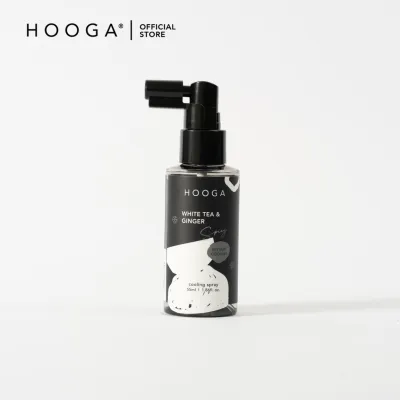

Prices are valid at publication and may change. Please refer to the product page for the latest price.
This dark-themed aesthetic integrates exceptionally well with modern interior design styles. In minimalist or industrial spaces, the stark black profiles complement raw concrete, exposed metal, and natural wood elements. In contemporary or “dark academia” styled rooms, they enhance the moody, cozy atmosphere by adding depth to bookshelves, side tables, or console units. Because the color palette is neutral, these pieces can anchor a decorative arrangement without clashing with existing accent colors, though their visual success depends heavily on your home’s lighting and surrounding textures.
Within the series, there is a clear functional distinction between decorative hardware and consumable fragrance refills. The hardware—such as ceramic incense burners, candle holders, and diffuser vessels—represents a long-term investment in your home’s decor. These pieces are reusable and designed to withstand heat, ash, or liquid exposure. The consumables, including incense sticks, cones, diffuser oils, and wax, are the active agents that deliver the scent. Understanding this division helps you plan your purchases, as your initial investment in a high-quality burner or vessel will continue to provide value long after the initial round of fragrance consumables has been exhausted.
Decision Framework: Choosing Your First Black Series Item
When deciding which product to purchase first, your physical living environment should be the primary deciding factor. In tropical climates where homes often alternate between closed, air-conditioned environments and open, naturally ventilated spaces, fragrance dispersion behaves differently. You must assess the size of the target room and its typical airflow patterns before selecting a product type.

| Product Type | Ideal Room Size | Dispersion Method | Active Monitoring Required? | Maintenance Level |
|---|---|---|---|---|
| Reed Diffuser | Small to Medium (e.g., bathrooms, bedrooms) | Passive evaporation via porous reeds | No | Very Low (occasional reed flipping) |
| Scented Candle | Medium to Large (e.g., living rooms, dining areas) | Active combustion of wax and wick | Yes (never leave unattended) | Moderate (wick trimming, wax pool management) |
| Incense Sticks/Cones | Well-Ventilated Areas (e.g., open living rooms, balconies) | Active combustion of aromatic materials | Yes (requires heat-safe burner) | High (ash cleanup, soot management) |
| Room Spray | Any space (targeted application) | Manual aerosolization | No | Low (store in a cool, dry place) |
| Incense Burner | N/A (Hardware accessory) | Reusable support vessel | Yes (during use) | Moderate (regular ash removal and wiping) |
For smaller, enclosed spaces like a study or a bathroom, a passive reed diffuser is highly suitable. It releases a steady, subtle stream of fragrance without overwhelming the room or producing smoke. In contrast, active combustion options like incense sticks or cones release a high volume of scent and smoke in a short period. These are much better suited for larger, open-plan living areas or spaces with consistent cross-ventilation, where the smoke can dissipate safely without causing discomfort or leaving a heavy residue on nearby surfaces.
Your daily routine and time commitment also play a crucial role in this decision. If you prefer a “set-and-forget” approach to home fragrance, consumables like reed diffusers require almost no daily attention, making them highly efficient for busy lifestyles. On the other hand, lighting an incense stick or a candle is an active ritual that requires your presence. Because of the safety risks associated with open embers and hot wax, these items must never be left unattended. If you only have short windows of time to enjoy home fragrance, a quick-burning incense stick (which typically burns for 20 to 40 minutes) or a quick spritz of room spray is far more practical than a candle, which requires several hours of burning to establish an even wax pool and prevent tunneling.
Finally, you should balance your upfront hardware investment against ongoing consumable costs. Starting with a reed diffuser or a room spray requires very little initial investment, as the product is self-contained and ready to use. Starting with incense, however, requires you to consider how you will safely burn the material. While you can purchase incense sticks cheaply, you must pair them with a suitable, heat-resistant burner to protect your furniture from falling ash and extreme temperatures. Investing in a dedicated, high-quality burner from the start ensures a safer experience and elevates the visual appeal of the ritual, but it does increase the initial cost of entry.
Evaluating Incense Versus Burners for Beginners
For beginners diving into the incense portion of the Hooga Black Series, deciding whether to prioritize the fragrance refills or the burning hardware can be confusing. Starting with the incense sticks or cones themselves offers a very low barrier to entry. It allows you to sample various scent profiles—ranging from earthy and woody notes to lighter, herbal blends—without committing to a single fragrance for months. If you already own a basic, heat-safe ceramic dish or a metal tray at home, you can begin testing different incense varieties immediately to see how your senses and your home’s ventilation respond to the smoke output.
However, purchasing a dedicated burner from the series offers distinct functional and aesthetic advantages. A proper incense burner is engineered specifically to manage the physical hazards of combustion. It features precise slots, clips, or wells to hold sticks or cones securely in place, preventing them from tipping over while lit. Furthermore, these burners are designed with wide bases or enclosed chambers to catch falling ash, keeping your countertops clean and preventing hot embers from coming into contact with flammable surfaces. From a design perspective, a dedicated black ceramic or metal burner acts as a permanent sculptural centerpiece on your table, maintaining its visual appeal even when not actively in use.
Safety must always be your top priority when introducing open-flame or heat-based diffusion into your home. This is especially critical in shared households, or homes with pets and young children. Incense embers burn at incredibly high temperatures, and falling ash can retain heat long enough to damage delicate wood finishes or synthetic fabrics. Always place your burner on a stable, level, and heat-resistant surface, well away from open windows where sudden drafts could blow curtains into the flame or scatter hot ash. If you have pets, ensure the burner is placed entirely out of their reach, as curious paws or wagging tails can easily knock over a burning stick.
Pre-Purchase Checks and Usage Guidelines
Before purchasing any item from the Hooga Black Series, it is important to perform a few quality and compatibility checks. If you are buying in-store, inspect the packaging for any signs of damage or leakage, particularly for liquid-based products like diffusers and sprays. For ceramic burners and glass candle jars, carefully check the surfaces for hairline cracks, chips, or uneven glazing. Structural defects in ceramic or glass can compromise the material’s integrity when exposed to the heat of a burning candle or incense stick, potentially leading to cracking or shattering during use. Always read the manufacturer’s specifications and safety warnings printed on the packaging to ensure the product matches your intended use.
Maintaining the pristine look of dark-themed home fragrance hardware requires specific care. Matte black finishes and dark glass are notorious for showing dust, fingerprint oils, and white ash residue more prominently than lighter materials. To keep your burners and vessels looking their best, establish a gentle cleaning routine. Avoid using abrasive scrubbing pads, steel wool, or harsh chemical cleaners, as these can easily scratch the matte coating or strip away the dark finish. Instead, allow the burner to cool completely, empty the accumulated ash, and wipe the surface down with a soft, damp microfiber cloth. For stubborn wax residue in candle holders, gently warm the area with a hairdryer on a low setting until the wax softens, then wipe it away with a paper towel.
Finally, you must remain vigilant and recognize when it is time to stop using a product. Over time, repeated exposure to high heat can cause micro-fractures in ceramic burners or glass jars. If you notice any deep cracks, structural warping, or excessive, unremovable soot buildup that interferes with the stable placement of incense or candles, retire the item immediately. Additionally, if you experience respiratory discomfort, persistent coughing, or eye irritation while burning incense, stop use immediately and transition to passive, non-smoke alternatives like reed diffusers or room sprays. Always prioritize your household’s safety and comfort over aesthetic preferences.
Frequently Asked Questions (FAQ)
Does the black finish on burners require special cleaning?
Yes, the matte black finish on these burners requires gentle handling to preserve its appearance. Because matte surfaces are more porous and textured than glossy glazes, they tend to hold onto fingerprint oils, dust, and fine incense ash. To clean them safely, always wait for the burner to cool completely after use. Wipe the surface gently with a dry or slightly damp microfiber cloth. Avoid using harsh chemical solvents, acidic cleaners, or abrasive scrubbing sponges, as these can permanently scratch, polish, or discolor the matte finish. For stubborn ash stains, a mild mixture of warm water and a drop of gentle dish soap applied with a soft cloth is usually sufficient.
How can I minimize soot when using dark-themed incense?
To minimize soot and smoke residue on your walls, ceilings, and the burner itself, proper airflow management is essential. Always burn incense in a well-ventilated room, but keep the burner away from direct drafts, such as those from open windows, air conditioning vents, or mechanical fans. Direct drafts cause the incense to burn unevenly and rapidly, which increases soot production and scatters ash. Additionally, ensure you trim any excessively long wooden cores on incense sticks before lighting them, and regularly clear away old ash from the burner’s reservoir, as accumulated debris can smolder and generate unnecessary secondary smoke.

Community discussion
Share your experience or ask a question. Comments are reviewed before publication.