
Quick Answer: Is Hori the Most Energy-Efficient Choice?
Determining whether Hori LED lights are more energy-efficient than major international brands like Philips, Osram, or Panasonic depends on comparing specific model specifications, particularly their Lumens per Watt (lm/W) ratio and local energy ratings. Hori typically offers highly competitive, cost-effective lighting solutions designed for standard residential use, while established global brands frequently provide a broader spectrum of premium, ultra-high-efficiency, and smart-lighting options.
To find the option that offers the best efficiency for your budget, calculate the payback period of your purchase. This is done by dividing the upfront price difference between the bulbs by your estimated annual electricity savings, which are based on the wattage difference and your expected daily usage. While a premium brand may offer slightly higher efficiency, a more budget-friendly Hori light often provides excellent practical value for standard household spaces where lights are not left on continuously.
Understanding LED Energy Efficiency Metrics
To make an objective comparison between different lighting brands, you must look past marketing slogans and focus on standardized technical metrics. Understanding these terms allows you to evaluate any light fixture or bulb accurately.
Products mentioned in this guide
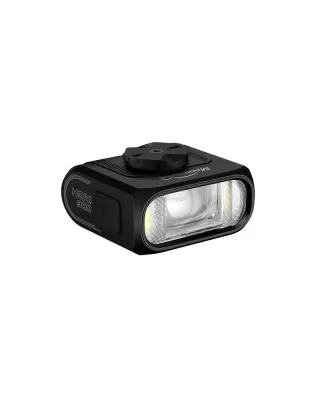
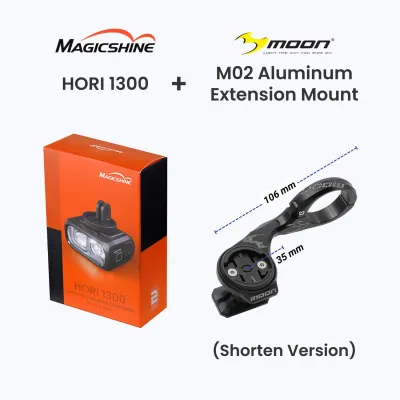
Prices are valid at publication and may change. Please refer to the product page for the latest price.

Lumens per Watt (lm/W)
Luminous efficacy, measured in Lumens per Watt (lm/W), is the ultimate indicator of an LED bulb’s energy efficiency. Lumens represent the total amount of visible light emitted by a source, while watts measure the electrical power consumed to produce that light. A higher lm/W ratio means the bulb delivers more brightness while drawing less electricity from your home’s grid. When comparing products, always check the technical specifications for this ratio rather than relying on wattage alone, as older or lower-quality LED designs require more watts to produce the same level of brightness.
Energy Rating Labels
In Singapore, the National Environment Agency (NEA) regulates the energy labeling of household appliances, including lamps. The NEA Energy Label features a tick rating system that makes it easy to compare efficiency at a glance. Bulbs with a higher number of ticks consume less electricity to deliver the same light output compared to models with fewer ticks. When shopping for lighting, look for these official labels on the packaging to verify the certified efficiency class of the product.
Power Factor (PF)
Power Factor is a dimensionless number between 0 and 1.0 that measures how effectively an electrical appliance converts incoming power into useful work. An LED bulb with a high Power Factor (ideally 0.7 to 0.9 or higher) utilizes electrical current efficiently, minimizing reactive power waste. While a low Power Factor does not directly increase residential electricity bills in Singapore—as household meters typically measure active power—it can cause higher current draw through your home’s wiring, which is an important consideration if you are installing a large number of integrated LED downlights or track lights.
Useful Life and Lumen Maintenance
True energy efficiency also includes how long a bulb maintains its performance over time. All LEDs experience gradual lumen depreciation, meaning they slowly lose brightness as they age. This performance curve is often rated using the L70 standard, which indicates the number of operating hours it takes for the bulb’s light output to drop to 70% of its initial brightness. A bulb that maintains its brightness longer is more resource-efficient, as it delays the need for replacement and reduces long-term household waste.
Evaluating Hori LED Lights: Specifications and Standards
Before purchasing Hori LED products, it is essential to know how to read their specifications and confirm that they meet local safety and performance standards.
Reading the Packaging
When examining a Hori light box or online product listing, look for the technical specifications panel. This section should clearly state the total light output in lumens (lm), the power consumption in watts (W), the color temperature in Kelvin (K)—such as 3000K for warm white, 4000K for cool white, or 6500K for daylight—and the Color Rendering Index (CRI or Ra). Comparing these numbers directly against other brands ensures you are comparing equivalent light sources.
Compliance and Safety
Because lighting products connect directly to your home’s electrical mains, safety compliance is paramount. In Singapore, controlled goods such as LED drivers and certain luminaires must carry the Safety Mark issued by the Consumer Product Safety Office (CPSO). This mark confirms that the product has undergone rigorous testing to ensure it complies with applicable safety standards, reducing the risk of electrical short circuits, shocks, or fires. Never install non-compliant or unbranded lighting fixtures in your home.
Warranty and Support
An LED bulb’s warranty is a strong indicator of its build quality and expected lifespan. While standard budget bulbs may only offer a basic 6-month or 1-year warranty, higher-quality models often come with 2-year or 3-year coverage. Evaluating the warranty terms offered by Hori relative to its purchase price helps determine if the brand provides a reliable long-term investment, as a slightly lower initial efficiency rating can be offset by a longer guaranteed operating life.
Head-to-Head Comparison: Hori vs. Major Lighting Brands
To understand how Hori compares to established global brands like Philips, Osram, or Panasonic, we must evaluate them across three primary performance dimensions.
Energy Consumption and Brightness Output
When comparing equivalent light outputs, such as a standard bulb designed to replace a legacy 60-watt incandescent bulb, different brands employ different chip technologies.
- Premium Brands: Major international manufacturers often invest heavily in advanced semiconductor materials and optimized driver designs. Their premium, ultra-efficient LED lines can achieve high efficacies, sometimes delivering 800 lumens of brightness while drawing only 5W to 6W of power.
- Hori LED Lights: Standard Hori LED bulbs typically operate at a highly respectable but more conventional efficiency level, often requiring 8W to 9W to produce the same 800 lumens.
While the premium option uses slightly less power, the real-world impact depends on usage. For example, if a bulb is used for 4 hours a day, the difference between a 6W bulb and an 8W bulb is only 2.92 kilowatt-hours (kWh) per year. Multiplying this by your local electricity tariff reveals that the annual cost difference per bulb is often less than S$1.00, meaning the ultra-high efficiency of premium brands yields very small incremental savings in low-use areas.
Light Quality, CRI, and Flicker Control
Energy efficiency should not come at the expense of visual comfort and light quality.
- Color Rendering Index (CRI): The CRI measures how accurately a light source reveals the true colors of objects compared to natural light. Standard budget-friendly options, including many base-model Hori bulbs, typically offer a CRI of 80 (Ra 80), which is perfectly suitable for general areas like hallways, storerooms, and balconies. However, premium brands frequently offer specialized bulbs with a CRI of 90 or higher, which are better suited for vanity mirrors, kitchens, and dining areas where accurate color representation is important.
- Flicker and Glare: Low-quality LED drivers can produce high levels of invisible flicker, which can cause eye strain, fatigue, and headaches over extended periods. Premium brands generally use advanced, flicker-free drivers that ensure steady light output. When evaluating Hori lights, check product descriptions and user reviews for mentions of flicker-free performance or audible buzzing noises, which can indicate lower-quality driver components.
Upfront Cost vs. Long-Term Energy Savings
Deciding between Hori and a premium brand often comes down to balancing the upfront retail price against long-term energy savings. Hori lights are generally positioned as budget-friendly options, offering a lower initial purchase price than premium models from major global brands.
To find the financial break-even point, use this simple formula:
Payback Period (Years) = (Price of Premium Brand – Price of Hori) / Annual Energy Cost Savings of Premium Brand
For example, if a premium ultra-efficient bulb costs S$12.00 and saves you S$1.50 per year in electricity compared to a Hori bulb that costs S$5.00, the payback period is:
(S$12.00 – S$5.00) / S$1.50 = 4.67 Years
If you plan to use the light in a high-traffic area where it will operate for many hours daily, the premium bulb’s energy savings will quickly offset its higher upfront cost. However, for guest rooms, closets, or hallways where lights are used infrequently, the payback period may exceed the actual lifespan of the bulb, making the more affordable Hori option the more financially practical choice.
Decision Framework: Which Brand Fits Your Needs?
To choose the right brand for your home, consider your specific budget, installation locations, and lighting requirements.
Choose Hori LED lights if:
- You are working with a tight budget: If you need to outfit an entire apartment or replace multiple standard fixtures at once, Hori's lower upfront cost can save you significant money initially.
- You are lighting utility or low-use areas: Spaces like storerooms, bomb shelters, hallways, and laundry yards do not require specialized high-CRI lighting or continuous operation, making Hori's standard efficiency highly practical.
- The specifications match your needs: If a specific Hori model offers a solid lm/W ratio and carries the necessary safety certifications, it provides excellent baseline value.
Choose Major Brands if:
- You want maximum energy efficiency: If you are aiming to minimize your household carbon footprint or lower high utility bills in a home with many continuously running lights, premium brands with the highest NEA Tick ratings are ideal.
- You require high-performance light quality: For areas where visual comfort, dimming compatibility, or precise color rendering (CRI >90) are essential—such as study rooms, kitchens, and living areas—premium brands are worth the investment.
- You want smart home integration: If you plan to control your lighting via smart assistants, schedules, or color-changing scenes, major brands offer more reliable and mature smart ecosystems.
- The fixtures are hard to reach: For high ceilings or outdoor areas where changing a bulb requires significant effort or professional assistance, investing in a premium bulb with superior lumen maintenance and a longer warranty reduces maintenance hassle.
- You need specialized dimming: Standard budget LEDs often flicker when paired with wall dimmers. Premium brands offer better compatibility with trailing-edge, triac, or smart dimming systems.
Verify first if:
- You are purchasing from online marketplaces: Always verify the seller's reputation and cross-reference the claimed specifications with official product datasheets. Ensure that the specific model numbers are registered with local safety bodies and carry the genuine Safety Mark before completing your purchase.
Safety, Compliance, and Installation in Singapore
When installing any new lighting system, safety and regulatory compliance must be your top priorities.
Voltage and Frequency
Singapore’s electrical grid operates at a nominal voltage of 230V and a frequency of 50Hz. Always verify that any Hori light or major-brand bulb you purchase is rated for this standard. Importing bulbs designed for different regional voltages (such as 110V systems used in other parts of the world) can lead to immediate product failure, electrical shorts, or fire hazards.
Base and Interface Compatibility
Before purchasing replacement bulbs, double-check the socket or base type of your existing fixtures. Common residential base types in Singapore include:
- E27 (Edison Screw): The standard large screw-in base commonly used for pendant lights and table lamps.
- E14 (Small Edison Screw): A smaller screw-in base often found in chandeliers and decorative fixtures.
- GU10 (Bi-pin): A twist-lock base commonly used for spotlights and downlight fixtures.
- B22 (Bayonet): A push-and-twist base found in some older fixtures.
Professional Installation Boundaries
While replacing a standard plug-in or screw-in light bulb is a safe and simple task that you can perform yourself, more complex electrical work requires professional assistance. Installing new fixed luminaires, altering your home’s electrical wiring, mounting heavy suspended fixtures, or installing lights in damp environments like bathrooms and outdoor patios must be handled by a Licensed Electrical Worker (LEW). Always isolate the power supply at your home’s main distribution board (DB box) before attempting any maintenance or replacement work, and strictly follow the manufacturer’s installation instructions.
Frequently Asked Questions (FAQ)
Are Hori LED lights approved for use in Singapore?
Yes, Hori LED lighting products are approved for use in Singapore, provided they comply with local safety and environmental regulations. For controlled goods such as LED drivers, integrated downlights, and certain luminaires, the product must carry the official Safety Mark registered with the Consumer Product Safety Office (CPSO). Additionally, lamps sold in Singapore must meet the registration and labeling guidelines set by the National Environment Agency (NEA). Always check the product packaging or consult with authorized local distributors to verify that the specific model you are buying is fully certified.
How much can I actually save by switching to high-efficiency LEDs?
Your actual savings depend on the type of lighting you are replacing and how often the lights are used. Upgrading from older, inefficient lighting technologies—such as incandescent or halogen bulbs—to any modern LED (including budget-friendly Hori models) will result in immediate electricity savings of up to 80% to 90%. However, if you are upgrading from an older or standard LED bulb to a premium, ultra-high-efficiency LED, the energy savings will be much smaller and incremental. This type of upgrade is most cost-effective for high-use fixtures that remain active for many hours each day, where even a small wattage reduction adds up over time.
Community discussion
Share your experience or ask a question. Comments are reviewed before publication.