
A horse cushion seat serves as both a whimsical decor piece and a functional seating accessory, but its unique shape presents distinct engineering challenges. Unlike standard square or round cushions, a horse-themed cushion often features intricate projections such as ears, a snout, a mane, or even small legs. To keep these features looking recognizable over months of use, the cushion relies on a delicate balance between its outer cover and its inner filling.
The outer fabric cover acts as the first line of defense, managing tactile comfort, breathability, and wear resistance. Beneath this exterior lies the internal filling, which provides the structural volume, weight distribution, and overall support. If these two layers are poorly matched, a cushion can quickly lose its charm, turning into a saggy, unrecognizable lump of fabric.
Evaluating a horse cushion seat requires looking closely at how these two layers interact. A soft, breathable cover paired with a supportive, resilient filling ensures that the cushion remains comfortable to sit on while maintaining its playful equestrian silhouette.
Products mentioned in this guide
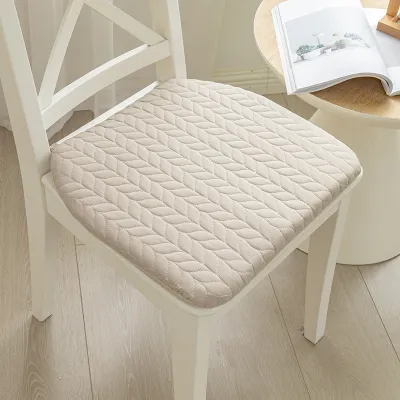
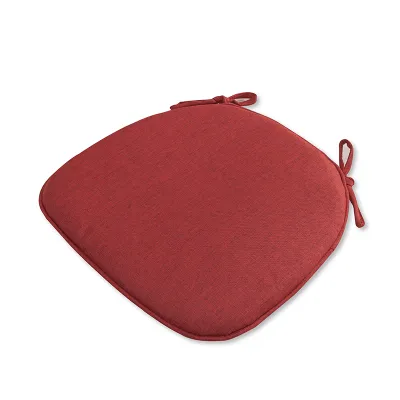
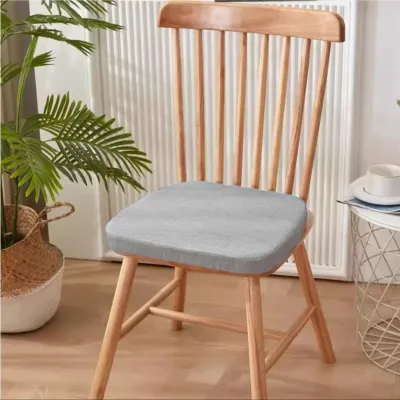
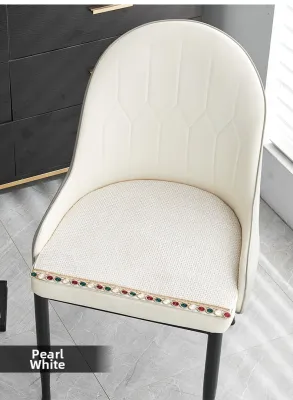
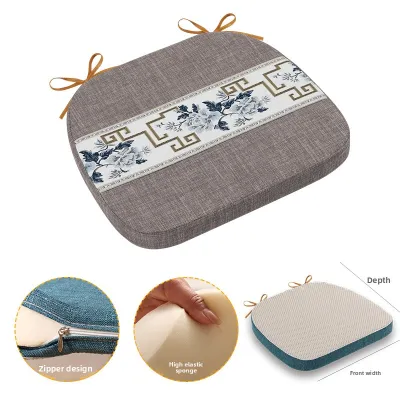
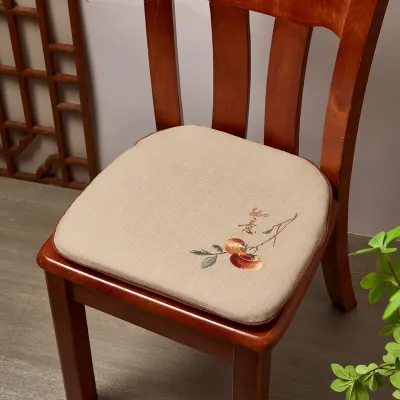
Prices are valid at publication and may change. Please refer to the product page for the latest price.
Filling Materials: How They Shape Your Comfort and Support
The internal filling is the engine of any cushion, determining whether you sink into soft plushness or receive firm, ergonomic support. For shaped novelty cushions like a horse seat, the filling also dictates how well the product retains its three-dimensional design under pressure.
Polyester Fiberfill and PP Cotton
Polyester fiberfill and polypropylene (PP) cotton are the most common fillings found in decorative and budget-friendly horse cushions. These synthetic fibers are lightweight, highly affordable, and offer an immediate, cloud-like softness that makes them incredibly inviting at first touch.
- Tactile Feel: Extremely plush and springy initially, giving the horse cushion a cuddly, toy-like quality.
- Structural Integrity: Over time, loose fibers tend to compress, shift, and clump together under the weight of regular seating. This can leave the horse's head or legs looking deflated while the center becomes hard and dense.
- Best Use Cases: Ideal for primarily decorative cushions, children's playrooms, or light-use backrests where heavy, prolonged body weight is not applied.
Memory Foam and High-Density Polyurethane
For horse cushions designed for floor seating, study chairs, or long-term ergonomic support, memory foam and high-density polyurethane (PU) foam are the gold standards. These materials are engineered to distribute weight evenly and absorb pressure.
- Tactile Feel: Firm and contouring. Memory foam responds to body heat and pressure, molding to your shape to relieve pressure points before slowly returning to its original form.
- Structural Integrity: High-density foams excel at resisting flattening. They maintain their core volume and shape over years of daily use, ensuring the main seating platform of the horse cushion remains supportive.
- Best Use Cases: Perfect for floor cushions, office chair inserts, and any scenario where an adult or child sits on the cushion for extended periods.
EPS Beads and Microbeads
Expanded polystyrene (EPS) beads and smaller microbeads are the classic fillings used in beanbags and slouchy lounge cushions. They offer a fluid, shifting support system that conforms instantly to any posture.
- Tactile Feel: Highly flexible and squishy. The beads roll over one another, allowing the cushion to wrap around your body for a relaxed, casual lounging experience.
- Structural Integrity: While highly comfortable, bead fillings lack the rigid internal structure needed to keep detailed horse features upright. Over time, the beads can compress slightly, requiring a refill to restore the cushion's original plumpness.
- Best Use Cases: Suited for large, casual lounge cushions or novelty beanbags where a loose, relaxed horse silhouette is preferred over a highly defined, upright shape.
Outer Fabrics: Balancing Tactile Comfort and Everyday Durability
The outer fabric dictates how the cushion feels against your skin and how well it stands up to spills, friction, and environmental factors. In warm and humid climates like Singapore, fabric choice is particularly critical to prevent heat retention and moisture buildup.

Cotton and Cotton Blends
Natural cotton is celebrated for its exceptional breathability and soft, hypoallergenic properties. When used for a horse cushion cover, it provides a gentle, skin-friendly surface that remains comfortable even during warm afternoons.
- Climate Performance: Cotton allows air to circulate freely and absorbs moisture, preventing the sticky, sweaty feeling often associated with synthetic fabrics in humid environments.
- Durability and Care: Pure cotton is prone to wrinkling, stretching, and fading over time, especially with frequent washing. To counteract this, manufacturers often blend cotton with polyester to improve stretch recovery, colorfastness, and overall durability.
- Best For: Everyday indoor use, children's bedrooms, and sensitive skin.
Polyester and Synthetic Blends
Polyester and high-performance synthetic blends are the workhorses of the textile world. These fabrics are engineered for maximum durability, making them highly practical for busy households.
- Aesthetic Versatility: Synthetics hold dyes exceptionally well, allowing for highly detailed, vibrant printed horse patterns, realistic mane illustrations, and bright colors that do not fade easily in sunlight.
- Durability and Care: These fabrics resist stretching, shrinking, pilling, and staining. Spills often sit on the surface long enough to be wiped away easily, which is a major advantage for kids' play spaces.
- Climate Performance: Polyester is less breathable than cotton and can trap body heat, making it feel slightly warmer during prolonged seating sessions in non-air-conditioned spaces.
Velvet, Corduroy, and Textured Fabrics
Textured fabrics like velvet, corduroy, and faux fur add a touch of luxury and tactile interest to a horse cushion. They are often chosen to mimic the soft feel of a horse’s coat or to elevate the cushion into a premium decor piece.
- Aesthetic Appeal: The deep pile of velvet and the distinct ridges of corduroy catch the light beautifully, creating a rich, multi-dimensional look that enhances the visual appeal of the horse design.
- Durability and Care: These fabrics require careful handling. Heavy friction can crush the fabric pile, leading to bald spots or a distorted texture. They are also more prone to trapping dust, pet hair, and lint, requiring regular gentle vacuuming or brushing.
- Best For: Accent cushions, formal living rooms, and low-traffic decorative setups.
Material Synergy: Ensuring Longevity and Shape Retention
A high-quality horse cushion seat is more than the sum of its parts; its longevity depends on how well the cover and filling work in tandem. If a highly elastic, stretchy cover is paired with a heavy, shifting filling like loose fiberfill, the cushion will quickly stretch out of shape, causing the horse’s features to droop and sag.
To maintain a recognizable horse silhouette, manufacturers often pair a structured, low-stretch outer cover with a resilient, shape-retaining core. For example, a high-density foam core wrapped in a snug, durable polyester cover ensures that the ears and snout remain upright and defined, even after hours of sitting.
Beyond the primary materials, construction details play a vital role in durability. Reinforced, double-stitched seams are essential to withstand the internal pressure exerted when someone sits on the cushion. High-quality zippers are equally important, allowing you to remove the cover for cleaning without tearing the fabric or damaging the zipper track.
Over time, all cushions experience wear. You can identify material fatigue by checking for severe lumping in fiberfill, fabric pilling on synthetic covers, or permanent indentations in memory foam that no longer bounce back. Recognizing these signs helps you decide whether it is time to re-stuff the cushion or replace it entirely to maintain proper comfort and support.
Care and Maintenance: Protecting Your Cushion Based on Material Type
Proper maintenance is key to extending the life of your horse cushion seat, preserving both its comfort and its charming appearance. Because different materials require vastly different care, always check the manufacturer’s care label before attempting any cleaning.
For spot cleaning, use a mild detergent and a damp cloth to gently dab at stains rather than rubbing them, which can push the stain deeper into the fabric fibers. If the cover is machine washable, wash it inside out on a gentle cycle with cold water to protect the fabric texture and prevent colors from bleeding.
To maintain the cushion’s shape, establish a regular fluffing routine. For fiberfill or shredded foam cushions, vigorously massage and shake the cushion to redistribute the filling and eliminate lumps. For memory foam cores, avoid twisting or wringing the foam, as this can tear the delicate cellular structure.
In warm, humid climates like Singapore, moisture management is critical. Never use or store a cushion that is damp. After washing or spot cleaning, ensure the cushion dries completely in a well-ventilated area away from direct, intense sunlight, which can degrade foam and fade fabrics. Complete drying prevents the growth of mold, mildew, and unpleasant odors, keeping your cushion fresh and hygienic.
Frequently Asked Questions (FAQ)
Are memory foam horse cushion seats better for children's posture?
Memory foam provides firm, contouring support that can help distribute weight evenly, making it a supportive option for floor seating. However, a cushion alone cannot guarantee good posture, which also relies on active sitting habits and limiting prolonged sedentary periods. When choosing a floor cushion for a child, ensure the foam density is high enough to provide a stable, flat base that prevents them from sinking too deeply or tilting uncomfortably.
How can I prevent my horse cushion's fabric from pilling?
Fabric pilling occurs when friction causes loose fibers to tangle into small balls on the surface, a common issue with synthetic blends. To minimize pilling, reduce heavy friction and wash the cover inside out on a gentle cycle if it is machine washable. Air drying instead of tumble drying also reduces fiber friction. If pilling does occur, you can safely restore the fabric’s smooth texture using a gentle, dedicated fabric shaver or a manual lint remover.
Community discussion
Share your experience or ask a question. Comments are reviewed before publication.