
A Pristine reed diffuser refill typically provides continuous fragrance for several weeks to a few months, but the exact duration depends heavily on the bottle volume, the number of reeds used, and the specific environment of your home. In a tropical climate like Singapore, where homes alternate between humid ambient air and dry, air-conditioned spaces, evaporation rates can vary significantly. Understanding these variables helps you plan your repurchases and get the most value out of every bottle.
By monitoring how quickly the liquid level drops and observing changes in scent intensity, you can establish a predictable replacement schedule. Managing your diffuser’s environment and maintaining the reeds properly will ensure that your living spaces remain consistently fragrant without premature depletion of the oil.
Key Factors That Determine Your Refill's Lifespan
The baseline lifespan of any reed diffuser refill is primarily dictated by the volume of liquid in the bottle. A standard smaller refill, such as a 50ml bottle, is designed for compact spaces and naturally evaporates much faster than a larger 180ml option. Additionally, the physical design of the vessel matters; a bottle with a narrow neck limits the surface area of the liquid exposed to the air, which helps slow down the natural evaporation rate compared to wide-mouthed containers.
Products mentioned in this guide

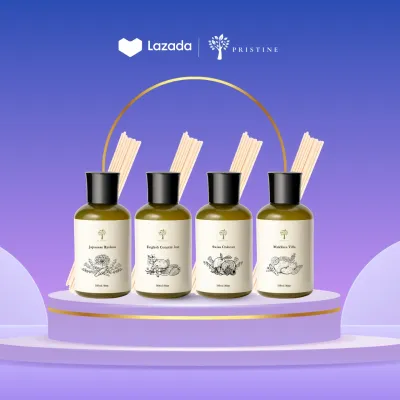
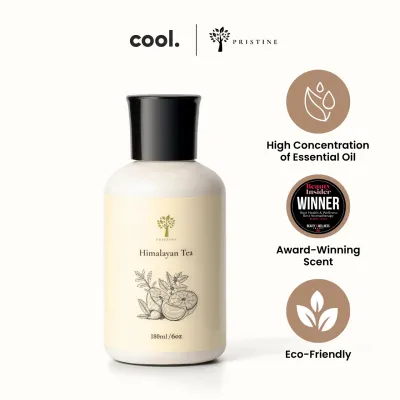
Prices are valid at publication and may change. Please refer to the product page for the latest price.
The number, thickness, and material of the reeds you insert into the bottle play a critical role in how quickly the liquid is consumed. Reeds act as straws, drawing the fragrance oil upward through capillary action to disperse it into the air. Using a greater number of reeds increases the scent throw but also accelerates the rate at which the liquid is drawn out of the bottle. Modern polyester fiber reeds tend to absorb and release liquid more efficiently than traditional rattan reeds, which can lead to a stronger fragrance but a slightly shorter refill lifespan.
Environmental conditions inside your home are equally influential in determining how long your refill lasts. High ambient temperatures, low humidity, and active air circulation all speed up the evaporation process. In Singapore’s climate, placing a diffuser directly in the path of an air conditioning vent, near an open window, or under a ceiling fan will cause the fragrance oil to disappear much faster than if it were placed in a cooler, sheltered corner of the room.
How to Tell When It Is Time to Replace the Refill
The most obvious indicator that your refill has reached the end of its useful life is a noticeable drop in scent throw, even after you flip the reeds. Over time, the fragrance oils lose their potency as the volatile aromatic compounds evaporate. If you find yourself flipping the reeds frequently but still cannot smell the fragrance in the room, the active scent components have likely fully dissipated, leaving behind only the heavier carrier liquids.

Visual changes in the remaining liquid also signal that it is time for a replacement. As the diffuser oil is exposed to light, oxygen, and dust over several weeks, it may begin to discolor, thicken, or appear cloudy. This degradation affects the oil’s viscosity, making it harder for the reeds to draw the liquid upward. When the liquid becomes thick or sticky at the bottom of the bottle, it will no longer diffuse effectively.
Finally, the physical condition of the reeds themselves can indicate that a complete refresh is necessary. Reeds can become saturated with dust, pet hair, and airborne particles, which clogs their microscopic pores. In high-humidity areas, reeds can occasionally develop mold or mildew on the exposed tips. Once the reeds are physically compromised or fully clogged, they can no longer function, meaning both the liquid and the sticks must be replaced.
Practical Tips to Extend the Life of Your Diffuser
To maximize the lifespan of your refill without sacrificing fragrance quality, you should optimize how often you flip the reeds. Flipping the reeds introduces a fresh burst of scent, but doing it too frequently accelerates evaporation. Instead of flipping them daily, aim to do so only when you notice the fragrance starting to fade, which is typically once every one to two weeks. This simple adjustment balances consistent scent delivery with oil conservation.
Strategic placement of the diffuser vessel is another highly effective way to prolong the life of the liquid. Keep the bottle away from direct sunlight, radiators, and drafty areas such as open windows or air conditioning units. Direct heat and constant airflow speed up the dry-out rate of the reeds and the evaporation of the bottle’s contents. Placing the diffuser in a shaded, low-traffic area with gentle, natural air movement ensures a steady and economical release of fragrance.
Keeping the bottle neck and the base of the reeds clean will also prevent premature clogging. Dust accumulation on the surface of the liquid can create a barrier that hinders the capillary action of the reeds. Periodically wiping the rim of the bottle with a clean, dry cloth prevents debris from falling into the oil, ensuring that the liquid evaporates evenly and at a controlled pace.
Assessing Cost-Effectiveness and Planning Repurchases
To evaluate the value of your home fragrance setup, you can calculate the estimated cost per month based on the purchase price in S$ and the actual lifespan of the refill. For example, if a refill bottle costs S$24 and lasts approximately three months, your ongoing investment is S$8 per month. This simple calculation allows you to budget effectively and compare the long-term costs of different fragrance options.
Always check the manufacturer’s label on the packaging for the exact fluid volume and any recommended usage guidelines. Manufacturers often provide an estimated lifespan based on standard testing conditions, which serves as a helpful baseline. Keep in mind that these estimates are typically based on using a moderate number of reeds in a temperature-controlled environment, so your actual results may vary depending on your home setup.
When planning your next purchase, compare the cost-effectiveness of buying standalone refill bottles versus purchasing a completely new full diffuser set. Standalone refills are generally much more economical and environmentally friendly, as they allow you to reuse your existing glass vessels. However, because reeds lose their efficiency over time, you should always factor in the minor additional cost of purchasing fresh replacement reeds to accompany your new refill liquid.
Frequently Asked Questions (FAQ)
Can I reuse the original reeds with a new Pristine refill?
It is highly recommended to use fresh reeds with every new refill rather than reusing the old ones. Over time, the microscopic channels inside the reeds become permanently clogged with dust, environmental debris, and residual heavy oils from the previous batch. Reusing old reeds will significantly reduce the scent throw of your new refill, making it seem weak or ineffective. Checking the manufacturer’s guidelines will confirm that fresh reeds are essential for optimal diffusion.
Does the scent fade before the liquid completely evaporates?
Yes, it is common for the fragrance intensity to decrease before the liquid in the bottle is entirely gone. The lighter, more volatile fragrance notes evaporate first, leaving behind the heavier carrier oils and base notes which have a much subtler scent. If you notice a significant drop in fragrance quality or strength even though some liquid remains at the bottom of the bottle, it is time to discard the residual liquid, clean the vessel, and pour in a fresh refill.

Community discussion
Share your experience or ask a question. Comments are reviewed before publication.