
Fragrance bags, commonly known as scent sachets, offer a simple and flame-free way to keep small spaces smelling fresh. On average, a typical fragrance bag maintains its scent throw for three to eight weeks before needing a replacement. However, this timeline is not set in stone. The actual lifespan of your fragrance bag depends on several key factors, including the type of carrier material used, the ambient temperature and humidity of your living space, and how much airflow the bag experiences daily. By understanding these variables, you can better manage your home scenting routine and make informed purchasing decisions.
Factors That Determine Fragrance Bag Lifespan
The internal formulation of a fragrance bag is the primary driver of its longevity. Manufacturers use different carrier materials to hold and slowly release fragrance oils, and each behaves differently over time.
- Dried Botanicals: Traditional sachets often contain dried flowers, herbs, or wood shavings (such as lavender buds or cedar chips) infused with essential oils. These natural materials release scent gradually as the oils evaporate from their porous surfaces. While they offer a classic aesthetic, natural botanicals are highly sensitive to environmental moisture and tend to fade more quickly than synthetic alternatives.
- Gel Beads: Modern fragrance bags frequently utilize superabsorbent polymer gel beads saturated with water-based fragrance mixtures. As the fragrance evaporates, the water content decreases, causing the beads to shrink. This formulation provides a highly visible indicator of lifespan but can deplete rapidly in dry or warm environments.
- Oil-Infused Minerals: Many high-performance fragrance bags use porous mineral carriers, such as vermiculite or clay, soaked in concentrated fragrance oils. These minerals hold a high payload of scent and release it at a highly stable rate through a protective paper or fabric envelope.
Environmental conditions play an equally significant role in how quickly these formulations deplete. In warm, humid climates, the rate of evaporation for volatile organic compounds increases dramatically. A fragrance bag that easily lasts two months in a cool, climate-controlled room might only deliver three to four weeks of noticeable scent in a warm, naturally ventilated space. High humidity can also saturate the carrier material, potentially causing clumping or reducing the material’s ability to diffuse scent effectively. Conversely, strong air circulation from open windows, ceiling fans, or air conditioning units will carry the scent away rapidly, accelerating the depletion of the fragrance payload.
Products mentioned in this guide
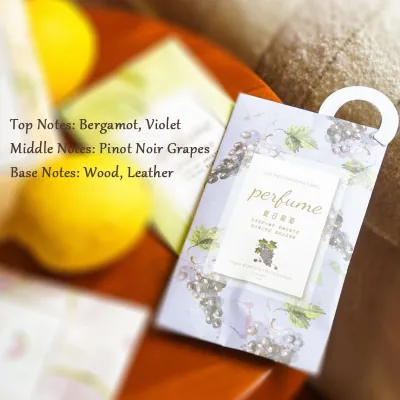
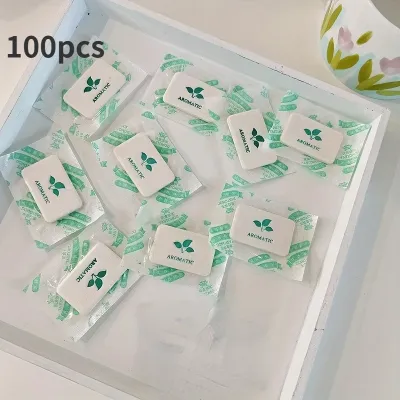

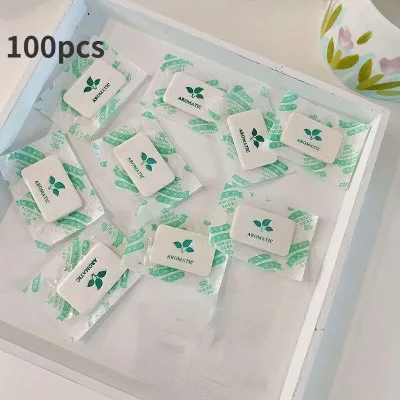
Prices are valid at publication and may change. Please refer to the product page for the latest price.
Finally, the size and enclosure level of the placement area dictate how long the scent remains perceptible. When placed in an open living room, the fragrance molecules disperse into a large volume of air, making the scent fade from perception very quickly. In contrast, placing a fragrance bag inside a closed drawer, wardrobe, or storage box creates a saturated micro-environment. The limited air volume quickly fills with fragrance molecules, which actually slows down the evaporation rate of the remaining oils in the bag, significantly extending its usable lifespan.
Clear Signs It Is Time to Replace Your Fragrance Bag
Relying solely on the calendar to decide when to replace your fragrance bag often leads to premature disposal or, conversely, leaving inactive bags in place for too long. Instead, look for specific sensory and physical cues to determine when a bag has reached the end of its functional life.

The most obvious indicator is a change in the olfactory profile of the space. You will first notice a fading scent throw, where the aroma no longer greets you when you open a drawer or closet door. As a fragrance bag ages, the scent profile itself may alter. Fragrance formulations consist of top, middle, and base notes, which evaporate at different rates. The light, volatile top notes (such as citrus or light florals) disappear first, leaving behind the heavier middle and base notes (such as amber, musk, or wood). When the fragrance loses its complexity and smells flat, weak, or entirely absent, the bag has depleted its active oils.
Physical changes in the carrier material provide clear visual and tactile confirmation. For gel-bead formulations, the beads will shrivel, lose their plump, translucent appearance, and turn into tiny, hard, opaque crystals at the bottom of the packet. For mineral- or botanical-based bags, the envelope may feel noticeably lighter or lose the slight, heavy dampness associated with fresh fragrance oil saturation.
It is also crucial to perform regular visual inspections for degradation, especially in humid environments. Natural botanicals can absorb ambient moisture over time, creating a breeding ground for mold or mildew. If you notice any dark spots, discoloration, or a musty undertone competing with the original scent, discard the bag immediately. Additionally, check the outer envelope for oil saturation or residue transfer. Over time, the protective barriers of lower-quality bags can break down, allowing concentrated oils to seep through and potentially stain wooden shelves or delicate fabrics.
Practical Ways to Extend Fragrance Bag Longevity
Before discarding a fading fragrance bag, you can apply several safe, reversible maintenance techniques to maximize its remaining lifespan and get the most out of your purchase.
Strategic placement is your first line of defense against rapid depletion. Keep your fragrance bags away from direct sunlight, heat sources (such as radiators, electronics, or sunny windowsills), and areas of high humidity like bathrooms. Excessive heat accelerates the evaporation of the fragrance oils, while direct sunlight can degrade the chemical structure of the scent compounds, altering their aroma.
For specific formulations, gentle physical manipulation can reactivate a fading bag. If your sachet contains dried botanicals or mineral carriers like vermiculite, give the bag a gentle shake or a light squeeze. This action frictionally agitates the contents, breaking up any clumped particles and redistributing the remaining fragrance oils from the inner core to the outer surfaces. This simple step can often restore a noticeable scent throw for an additional week or two.
You can also adopt a tiered placement strategy to stretch the utility of each bag. When you first open a highly concentrated fragrance bag, place it in a slightly larger, semi-enclosed space, such as a medium-sized wardrobe or a coat closet, where the initial strong scent throw can be fully appreciated without overpowering. After a few weeks, as the scent begins to soften, transfer the bag to a smaller, fully enclosed space like a dresser drawer or a storage bin. Finally, when the scent is barely perceptible, move the bag to a highly confined, utility-focused area, such as a shoe cabinet or a gym bag, to utilize the very last traces of its deodorizing power before disposal.
Evaluating Long-Term Value: Fragrance Bags vs. Reed Diffusers
When planning your home fragrance budget, it is helpful to compare the long-term cost and utility of fragrance bags against popular alternatives like reed diffusers. Both options have distinct advantages and limitations depending on where and how they are used.
Fragrance bags are highly specialized for small, enclosed zones. Because they are dry or semi-dry and highly portable, they can be safely tucked into drawers, hung among clothing, or packed into travel luggage without any risk of liquid damage. Reed diffusers, on the other hand, rely on a bottle of liquid fragrance oil and porous reeds to draw the scent upward. They require a flat, stable surface and are best suited for open, medium-sized rooms like entryways, bathrooms, or bedrooms where natural air currents can distribute the evaporating oil.
Maintenance and safety profiles also differ significantly. Reed diffusers require periodic maintenance, such as flipping the reeds to refresh the scent throw, and they carry a persistent risk of accidental spills. If a liquid diffuser is knocked over, the concentrated oils can permanently damage wooden furniture, strip paint, or stain carpets. Fragrance bags require virtually no maintenance beyond an occasional shake and present zero spill hazards, making them a much safer choice for households with active pets or young children.
From a cost perspective, fragrance bags offer a very low barrier to entry. They are highly affordable, often sold in multi-packs ranging from S$5 to S$15, making them an economical choice for targeted, localized scenting. Reed diffusers represent a higher initial investment, with quality options typically starting around S$25 and ranging up to S$80 or more. While a reed diffuser generally lasts longer (typically two to four months) and covers a larger square footage, using multiple fragrance bags strategically can often achieve a similar localized effect at a fraction of the cumulative cost.
Frequently Asked Questions (FAQ)
Can you refresh or refill a faded fragrance bag?
While it may be tempting to drip essential oils onto a faded fragrance bag to revive it, this practice is generally not recommended. The original carrier material and the outer envelope are designed to handle a specific volume and type of oil. Adding external oils can oversaturate the envelope, leading to leakage, residue transfer, and permanent staining of surrounding surfaces. Furthermore, if the carrier material has degraded or accumulated moisture, adding new oil will not restore its original diffusion efficiency. For safety and performance, it is best to replace the bag entirely once the scent has faded.
Are fragrance bags safe to use in wardrobes with delicate fabrics?
Fragrance bags are generally safe for wardrobes, but precautions must be taken to protect delicate textiles. Direct contact between an oil-infused sachet and fabrics like silk, wool, or fine synthetics can result in oil transfer, leaving stubborn stains or causing discoloration. Always hang the bag using its integrated loop or ribbon, ensuring it hangs freely without touching your garments. If placing a sachet in a drawer, wrap it in a clean piece of tissue paper or place it in a small ceramic dish to create a protective barrier between the bag and your clothing.
Community discussion
Share your experience or ask a question. Comments are reviewed before publication.