
Determining how long a Hooga reed diffuser lasts requires looking at a combination of bottle volume, environmental factors, and personal usage habits. While a standard reed diffuser generally provides fragrance for several weeks to a few months, the exact lifespan of your specific home fragrance setup depends on how you manage its exposure to airflow, temperature, and reed maintenance. By understanding the mechanics of passive diffusion, you can maximize the value of your purchase and keep your living spaces smelling fresh.
Setting Realistic Expectations for Hooga Reed Diffuser Lifespan
To set realistic expectations, start by identifying the volume of your specific diffuser bottle. Most home fragrance brands, including Hooga, offer diffusers in standard sizes such as 100ml, 150ml, or 200ml. The total volume of liquid is the primary physical limit on how long the scent can possibly last, as a larger reservoir naturally takes longer to evaporate completely.
As a general industry baseline, a 100ml reed diffuser typically lasts between four to eight weeks, while a larger 200ml bottle can extend from twelve to sixteen weeks. These estimates assume average indoor conditions without extreme drafts or high temperatures. To find the manufacturer’s specific estimate for your product, check the back or bottom of the Hooga packaging, where the label often lists the volume alongside a recommended lifespan range.
Products mentioned in this guide
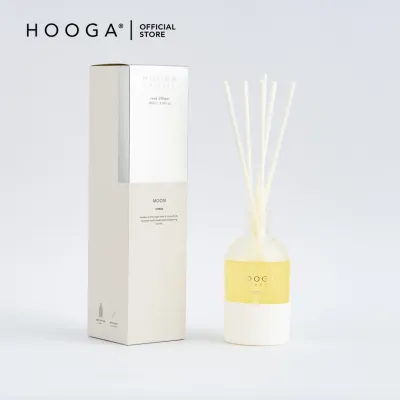
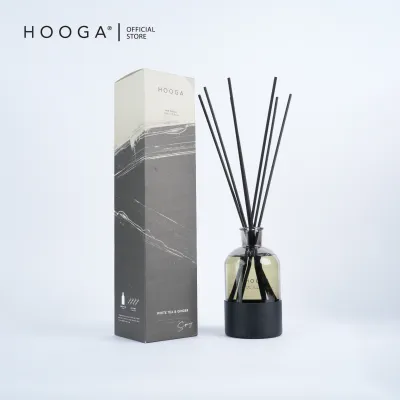
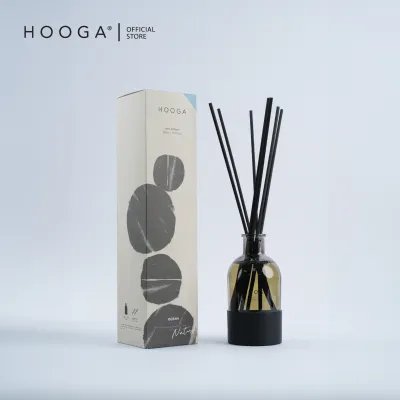
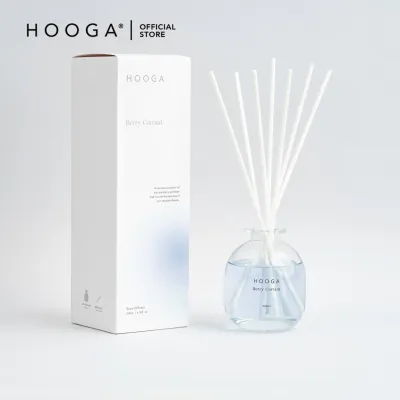

![Hooga Black Series Diffuser [Refill 500ml]](https://img.lazcdn.com/g/p/c936e4601a3ff0a78cd151d1b5138b4c.jpg_400x400q80.jpg_.webp)
Prices are valid at publication and may change. Please refer to the product page for the latest price.
It is also important to consider the ratio of essential oils to carrier solvents in the formulation. Highly concentrated oils tend to evaporate more slowly and carry a stronger scent throw, whereas thinner formulations with high alcohol or synthetic solvent content may evaporate rapidly. Understanding this balance helps you evaluate why certain scents in the same product line might seem to last longer than others.
Key Factors That Influence Scent Duration
The climate of your living space plays a massive role in how quickly the diffuser oil disappears. In a tropical environment like Singapore, high ambient temperatures naturally accelerate the evaporation rate of volatile fragrance compounds. If your home is not air-conditioned throughout the day, the warm air will cause the oil to draw up the reeds and disperse into the room at a much faster rate.

Airflow is another critical variable that dictates oil consumption. Placing your diffuser directly in the path of an air conditioning vent, a ceiling fan, or an open window creates a constant draft that pulls moisture out of the reeds, causing the bottle to empty much faster than it would in a still corner. While this increases the immediate scent throw, it significantly shortens the overall lifespan of the product.
The material of the reeds themselves affects both scent delivery and oil absorption. Natural rattan reeds contain tiny, hollow channels that slowly draw the oil upward via capillary action, while synthetic fiber reeds are engineered to absorb and release oil at a faster, more consistent rate. Fiber reeds often provide a stronger scent throw but can deplete the oil reservoir more quickly than traditional rattan.
The number of reeds you insert into the bottle acts as a throttle for the fragrance. Using all the provided reeds maximizes the scent throw but increases the surface area for evaporation, meaning the oil will deplete rapidly. Reducing the reed count slows down consumption, allowing you to balance fragrance intensity with longevity.
Finally, how often you flip the reeds directly correlates with oil usage. Every time you flip the reeds to refresh the scent, you expose fully saturated ends to the air, which immediately boosts evaporation and draws fresh oil up from the bottle. Frequent flipping keeps the scent strong but accelerates the depletion of the liquid.
Clear Signals That Your Diffuser Needs Replacing
The most obvious sign that your diffuser is reaching the end of its functional life is a noticeable loss of scent throw. If you find yourself walking past the diffuser and no longer noticing the fragrance, even after flipping the reeds, the oil may have lost its volatile top notes. This occurs when the lighter fragrance molecules have fully evaporated, leaving behind only the heavier, less aromatic base carrier.
A visual inspection of the bottle will tell you if it is time for a replacement. When the liquid level drops to the very bottom, or if the remaining liquid appears thick, discolored, and syrupy, the active fragrance oils have likely evaporated. At this stage, the remaining liquid will no longer travel up the reeds effectively.
Over time, airborne dust, pet dander, and oil residue accumulate on the exposed tips of the reeds. This buildup clogs the microscopic channels, preventing the oil from traveling upward and evaporating into the room. If your reeds look dusty or feel sticky to the touch, they are likely clogged and failing to diffuse the scent.
It is crucial to distinguish between a clogged reed and empty oil. If the bottle is still half-full but the scent has vanished, you likely only need to replace the reeds rather than buying a whole new diffuser set. Keeping spare reeds on hand is an easy way to restore the performance of an otherwise healthy diffuser.
Practical Steps to Extend Your Diffuser's Lifespan
To maximize the lifespan of your fragrance oil, strategic placement is key. Position your diffuser in a low-traffic area away from direct sunlight, radiator heat, and active drafts to prevent unnecessary thermal evaporation. A shaded shelf or a side table away from windows is often the most suitable spot.
Establish a moderate reed-flipping routine rather than doing it daily. Flipping the reeds once every one to two weeks is generally sufficient to maintain a steady scent throw without draining the bottle prematurely. This disciplined approach ensures a consistent olfactory experience while preserving the oil.
When flipping the reeds, always perform the action over a sink or a protected surface. This prevents accidental oil drips from damaging polished wood, laminate, or painted surfaces, which can be difficult to clean and may cause permanent staining. If any oil spills, wipe it up immediately with a damp cloth and mild soap.
If you plan to travel or leave your home unoccupied for an extended period, temporarily remove the reeds and seal the bottle with its original travel cap or a silicone stopper. This simple step halts evaporation entirely, ensuring you do not waste precious fragrance while you are away from home.
Assessing Value for Money: Is Hooga the Right Choice?
Evaluating whether a Hooga reed diffuser offers good value for money involves a simple cost-per-month calculation. Take the retail price in S$ and divide it by the number of months the fragrance actually remains active in your home. For example, if a diffuser purchased for S$20 lasts for two months, your ongoing cost is S$10 per month, which serves as a clear metric for comparison.
Consider the subjective quality of the scent throw and the complexity of the fragrance profile. A value-for-money diffuser should deliver a balanced aroma that fills the room comfortably without causing olfactory fatigue or smelling overly chemical. Comparing these sensory aspects against similarly priced alternatives helps you determine if the brand meets your personal standards.
Check the availability of official refill bottles on online marketplaces or at physical retail outlets. Purchasing a larger refill bottle and reusing your existing glass vessel is highly cost-effective and environmentally friendly compared to buying a brand-new decorative set every time. This approach reduces packaging waste while lowering your long-term home fragrance expenses.
By focusing on these practical calculations and maintenance habits, you can make an informed decision about whether these diffusers fit your household budget and aesthetic preferences. Balancing the initial purchase price with the actual observed lifespan ensures you get the most out of your home decor investment.
Frequently Asked Questions (FAQ)
Can I reuse the reeds with a new Hooga oil refill?
It is generally not recommended to reuse old reeds with a fresh batch of diffuser oil. Over weeks of use, the porous channels within the reeds become fully saturated with dust, settled oil, and environmental debris, which severely limits their ability to draw up new fragrance. Using old reeds with new oil often results in a weak scent throw and poor evaporation performance.
For the best scent throw and performance, always use a fresh set of reeds when refilling your bottle. If you are switching to a completely different fragrance scent, using new reeds is mandatory to prevent the old and new aromas from mixing into an unpleasant blend. Replacement reeds are widely available and represent a minor expense that significantly improves the overall experience.
Why does my reed diffuser smell stronger on some days?
Fluctuations in scent intensity are usually driven by changes in your indoor environment. On warmer days or when your home heating or air conditioning system alters the ambient humidity, the rate of oil evaporation naturally shifts, making the scent more pronounced. Increased airflow from open windows or fans can also temporarily boost the fragrance distribution.
Your own physical proximity and olfactory adaptation also play a role. If you have just flipped the reeds or returned home after spending several hours outdoors, your nose will perceive the fragrance much more intensely. Over time, your brain adapts to constant background scents, a phenomenon known as nose blindness, which can make the diffuser seem weaker even when it is functioning normally.

Community discussion
Share your experience or ask a question. Comments are reviewed before publication.