
A high-quality reed diffuser 500ml setup offers a continuous, flame-free way to scent your living space, but determining its exact lifespan requires looking beyond the volume printed on the glass bottle. Under typical daily use, a 500ml reed diffuser will generally last between 6 to 9 months. Some dense, oil-based formulations operating in optimized environments can even stretch up to 12 months before requiring a refill.
Unlike active fragrance delivery systems like electric diffusers or room sprays, a reed diffuser relies on passive capillary action, meaning it is constantly active and continuously evaporating fragrance into your home. Deciding whether this substantial capacity fits your lifestyle involves understanding the science of evaporation, the specific environmental factors of your living space, and practical maintenance techniques.
Expected Lifespan of a 500ml Reed Diffuser
To evaluate if a 500ml capacity is the right investment, it is helpful to define what “daily use” actually means in the context of passive aromatherapy. Unlike scented candles that you light for a few hours or smart plug-in diffusers that operate on a timer, a reed diffuser is a continuous, self-regulating system. Once the reeds are inserted into the fragrance oil, the liquid is constantly drawn upward through microscopic channels in the reeds and evaporated into the surrounding air. This means daily use is synonymous with constant, 24-hour exposure, with the liquid level dropping incrementally every single day.
Products mentioned in this guide
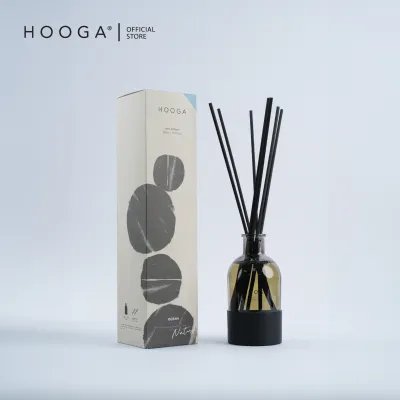

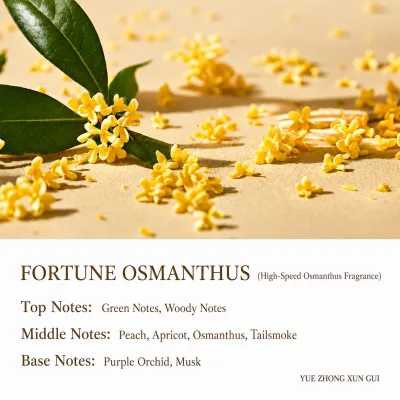

![Hooga Black Series Diffuser [Refill 500ml]](https://img.lazcdn.com/g/p/c936e4601a3ff0a78cd151d1b5138b4c.jpg_400x400q80.jpg_.webp)
Prices are valid at publication and may change. Please refer to the product page for the latest price.
While a standard 100ml or 200ml bottle might require replacement every two to three months, a 500ml bottle provides a much wider baseline window. Under average indoor conditions, you can expect a 500ml volume to provide a steady scent throw for approximately half a year to nine months. However, this is a baseline estimate rather than a guaranteed expiration date. The actual rate of consumption is highly variable and depends on how many reeds you choose to insert, the thickness of those reeds, the specific chemical formulation of the fragrance oil, and the climate of your home.
A common misconception among first-time buyers is that a larger bottle automatically translates to a proportionally longer lifespan without any adjustments to the setup. For instance, some assume a 500ml bottle will last exactly five times longer than a 100ml bottle. In reality, if you scale up the bottle size and simultaneously increase the number of reeds to disperse scent across a larger room, the evaporation rate increases significantly. If you place ten thick reeds in a 500ml bottle to scent an open-concept living area, the liquid will evaporate much faster than if you used only three reeds in a smaller study. The lifespan is always a direct function of the total surface area exposed to the air.
Key Factors That Influence Evaporation Rate
Understanding why one 500ml diffuser empties in five months while another identical bottle lasts nearly a year requires examining the physical variables that govern liquid evaporation. By managing these variables, you can control how quickly the fragrance oil is consumed.

Reed Quantity and Thickness The reeds function as the primary highway for the fragrance oil to travel from the bottle to your room. Each reed contains dozens of tiny cellular sections or pores that wick the liquid upward. Consequently, the number of reeds you place in the bottle directly dictates the total surface area available for evaporation. Using eight to ten thick fiber or rattan reeds will maximize the scent throw, but it also creates a massive surface area that drains the 500ml reservoir rapidly. Conversely, reducing the reed count limits the pathways for the oil to escape, slowing down the evaporation rate and extending the bottle’s lifespan.
Flipping Frequency Inverting the reeds is the standard method used to revive a fading scent, as it brings the highly saturated bottom portion of the reeds to the top, exposing wet oil directly to the air. However, this action comes with a trade-off. Every time you flip the reeds, you accelerate the evaporation process. The fresh oil exposed on the surface evaporates rapidly to deliver an immediate burst of fragrance. If you flip the reeds daily, you will notice a highly intense scent throw, but you will also observe the liquid level in your 500ml bottle dropping at an accelerated rate.
Environmental Conditions The physical climate surrounding your diffuser plays a massive role in how quickly the liquid turns to vapor. In a warm, humid climate like Singapore’s, ambient temperatures are consistently high, which increases the kinetic energy of the fragrance molecules and speeds up evaporation. Furthermore, the way you manage your indoor climate matters. If the diffuser is placed in a non-air-conditioned room with open windows, the high humidity can sometimes slow down the evaporation of water-based elements, but the constant tropical breeze will sweep away the evaporated fragrance molecules, forcing the reeds to draw up more liquid. Conversely, in a continuously air-conditioned room, the air is dry, which can cause the carrier liquids to evaporate much faster, even if the temperature is cooler.
Fragrance Base Composition The carrier liquid mixed with the fragrance oil determines the overall viscosity and evaporation rate of the mixture.
- Alcohol-Based Diffusers: These formulations use alcohol or highly volatile solvents as a carrier. They evaporate rapidly, providing an immediate, powerful scent throw that can easily fill large spaces, but they tend to have a shorter overall lifespan.
- Oil-Based or Glycol-Based Diffusers: These alternatives utilize heavier, low-volatility carrier oils (such as dipropylene glycol or fractionated coconut oil). They evaporate at a much slower, more measured pace. While the scent throw may feel softer and more localized, a 500ml oil-based diffuser is far more likely to last closer to the 12-month mark.
Practical Tips to Extend Your Diffuser's Lifespan
Maximizing the longevity of your investment does not mean you have to sacrifice a beautifully scented home. By implementing a few low-risk, strategic adjustments to your setup, you can ensure your 500ml diffuser lasts as long as possible. Always check the manufacturer’s care instructions for your specific brand before making major alterations.
Optimize Reed Count Do not feel compelled to use all the reeds that come in the packaging immediately. When opening a new 500ml bottle, start by inserting only three to five reeds. Allow 24 to 48 hours for the liquid to fully saturate the reeds and disperse into the room. If you find the scent level is sufficient for your space, leave the setup as is. Only add more reeds one by one if you find the fragrance is too faint. This conservative approach prevents unnecessary evaporation from the very beginning.
Strategic Flipping Schedule Instead of flipping the reeds every day or every other day, establish a disciplined, weekly or bi-weekly flipping schedule. For many high-quality fragrance formulations, flipping the reeds once every ten to fourteen days is more than enough to maintain a consistent scent profile. When flipping, hold the reeds over a paper towel to catch any stray droplets, avoiding contact with polished wooden surfaces or delicate fabrics, as concentrated fragrance oils can cause permanent staining or damage.
Ideal Placement To prevent premature evaporation, place your diffuser in a location with stable air currents. Avoid placing the bottle directly in front of air conditioning vents, standing fans, or open windows, as high-velocity airflow strips the fragrance from the reeds faster than necessary. Similarly, keep the bottle out of direct sunlight, such as on sunny windowsills. Solar heat warms the glass bottle, raising the temperature of the liquid inside and causing it to evaporate rapidly through both the reeds and the open neck of the bottle. Instead, opt for a shaded, low-traffic area where natural room movement gently circulates the scent.
Reed Maintenance Over time, airborne dust, pet dander, and cooking grease can settle on the exposed portions of your reeds. This debris clogs the microscopic pores of the material, blocking the capillary action. When this happens, the scent throw decreases, tempting you to flip the reeds more often or add more liquid. To prevent this, gently wipe the neck of the bottle and the exposed reeds with a dry, lint-free cloth during your weekly cleaning routine to keep the pathways clear.
When to Replace the Reeds or Refill the Liquid
Even a massive 500ml diffuser will eventually reach the end of its functional life cycle. Recognizing the physical and sensory signs that your setup needs attention ensures you maintain a continuous, high-quality home fragrance experience.
Fading Scent The most obvious indicator is a significant drop in fragrance intensity. If you notice that your room no longer smells of the fragrance, even immediately after flipping the reeds, the reeds themselves have likely reached their saturation limit. Over months of continuous wicking, the pores within rattan or fiber reeds become clogged with heavy oil molecules, dust, and microscopic debris. At this point, the reeds can no longer draw liquid upward effectively, and flipping them will yield little to no improvement.
Visual Cues Inspect your diffuser setup periodically for physical changes. If the reeds appear severely discolored, brittle, or coated in a visible layer of dust that cannot be wiped away, they need to be replaced. Additionally, pay attention to the liquid level. Once the fragrance oil drops below the bottom two centimeters of the bottle, the remaining liquid may not have enough volume to properly saturate the base of the reeds. This reduces the capillary pressure, resulting in a weak scent throw even if there is still a small amount of liquid visible at the bottom.
Refilling Best Practices When your 500ml bottle finally runs dry, or when you purchase a liquid refill, always discard your old reeds and start with a fresh set. Reusing old, clogged reeds with fresh fragrance oil is highly inefficient; the new oil will not be able to wick properly, and any dust or degraded oil trapped in the old reeds can ruin the scent profile of the fresh liquid. When refilling, ensure you are using a compatible fragrance base. Mixing different brands or chemical bases (such as pouring an alcohol-based refill into a bottle that previously held an oil-based formula) can cause the liquids to separate, cloud, or fail to diffuse properly. Always consult the manufacturer’s instructions before mixing or refilling.
Is a 500ml Capacity the Right Choice for Your Space?
Choosing between various diffuser sizes requires balancing your spatial needs, budget, and aesthetic preferences. A 500ml reed diffuser is a premium choice that offers distinct advantages over smaller alternatives, provided it is deployed in the right environment.
Space Suitability A 500ml diffuser is specifically designed to handle larger volumes of air. While a standard 100ml bottle is perfect for compact spaces like bathrooms, powder rooms, or small study rooms, it will quickly become overwhelmed in spacious, open-concept living rooms, dining areas, high-ceiling entryways, or commercial offices. The larger volume of a 500ml bottle allows you to use more reeds simultaneously, creating a broad, robust scent throw capable of filling expansive areas without the fragrance fading into the background.
Cost-Effectiveness From a financial perspective, purchasing a larger capacity is almost always more economical in the long run. When analyzing the cost per milliliter, 500ml bottles or refills generally present a significantly lower unit price compared to their 100ml or 200ml counterparts. In Singapore, premium reed diffusers can range anywhere from S$40 to over S$150 depending on the brand and oil quality. Investing in a 500ml bottle upfront reduces the frequency of purchases and shipping costs, offering excellent value for households committed to a continuous home fragrance signature.
Aesthetic and Stability Beyond fragrance delivery, a 500ml reed diffuser serves as a substantial decorative statement piece. The larger, heavier glass base provides an elegant, architectural presence on console tables, sideboards, or shelving units. This physical weight also offers a practical safety benefit: a heavy 500ml glass bottle is significantly more stable and far less prone to being accidentally knocked over by active pets, children, or busy guests compared to a light, top-heavy 100ml bottle. This stability minimizes the risk of messy, hard-to-clean oil spills on your flooring or furniture.

Community discussion
Share your experience or ask a question. Comments are reviewed before publication.