
When evaluating how long a home fragrance product like Kirona scent spray lasts, the answer is rarely a single, universal number. In typical household environments, the noticeable lifespan of a scent spray can range from a couple of hours in the open air to several days when anchored to porous materials. Because individual indoor conditions, air circulation patterns, and application methods vary widely, determining the exact longevity of your spray requires looking at both the product’s formulation and your specific living space. By understanding the science of fragrance evaporation and conducting a simple home test, you can maximize every spray and decide if this home fragrance solution fits your lifestyle and budget.
Interpreting Manufacturer Longevity Claims and Labels
To set realistic expectations for your scent spray, start by examining the product packaging and official brand guidelines. Manufacturers often print estimated duration ranges or recommended spray volumes on the bottle or outer box. These estimates are typically calculated under standardized laboratory conditions with minimal airflow, meaning they serve as a baseline rather than a guaranteed result for a busy household.
Understanding how a fragrance is constructed helps explain why the scent changes over time. Fragrances are composed of top, middle, and base notes, each evaporating at different rates. The initial spray delivers a strong burst of top notes—often light citrus or fresh herbal scents—which are highly volatile and dissipate quickly. The dry-down period reveals the heavier base notes, such as wood, musk, or amber, which cling to surfaces and provide the true, long-term longevity of the product.
Products mentioned in this guide
![[KIRONA SCENT] Fragrance Spray 100ml | Use for Pillow Mist Room Linen & Fabric Spray | Luxurious Hotel Mall & Perfume Scent Gifts](https://img.lazcdn.com/g/p/2af2060d0f131272af21fbb1c3568321.png_400x400q80.png_.webp)
![[KIRONA SCENT] Signature W Hotel Inspired Fragrance Spray 100ml | Pillow Mist Room Spray Air Freshener](https://img.lazcdn.com/g/p/df5a8809c5be2396ba95c51e99d7e178.jpg_400x400q80.jpg_.webp)
![[KIRONA SCENT] Jewel Changi Inspired Fragrance Spray 100ml | Pillow Mist Room Linen & Fabric Spray | Luxurious Hotel & Mall Scents](https://img.lazcdn.com/g/p/bf78fbbf8ed712641dc14e5484519a66.jpg_400x400q80.jpg_.webp)
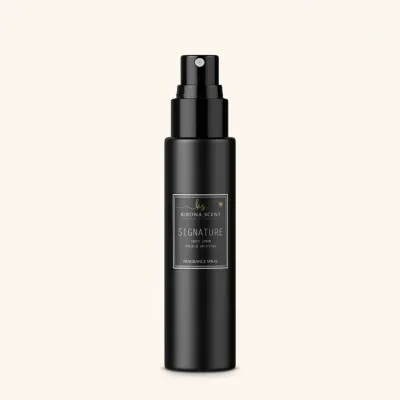
![[KIRONA SCENT] Lemongrass Insect Repellent Spray | Fragrance Spray 100ml | Pillow Mist Linen & Room Spray](https://img.lazcdn.com/g/p/404bfae759e31b751705e61f6ceaeb3e.png_400x400q80.png_.webp)
Prices are valid at publication and may change. Please refer to the product page for the latest price.
The concentration of fragrance oils in the spray also dictates its evaporation rate. Water-based formulas often disperse widely and provide a clean, immediate lift to the air but may evaporate faster than oil-heavy formulations. Checking the ingredient list for the carrier base (such as water, alcohol, or specialized solvents) gives you a clear indication of how quickly the liquid will transition from a wet mist to a lingering ambient aroma.
Environmental Factors That Alter Scent Duration
The physical characteristics of your room play a massive role in how long a fragrance remains detectable. Large rooms with high ceilings naturally dilute scent molecules faster than compact, enclosed spaces. Furthermore, active air circulation from ceiling fans, standing fans, or open windows accelerates the dispersion and dilution of the fragrance, carrying the scent out of the room before it can settle.

The surfaces within your room act as either anchors or deflectors for the sprayed mist. Hard, non-porous materials like tile, glass, polished wood, and metal do not absorb liquid, causing the fragrance to evaporate rapidly into the air and disappear. Conversely, porous fabrics, carpets, curtains, and upholstery trap the microscopic fragrance droplets within their fibers, slowing down the evaporation process and extending the scent’s lifespan significantly.
Ambient temperature and humidity levels also directly influence chemical evaporation. In warm, humid tropical climates, such as a typical afternoon in Singapore, the elevated heat excites the fragrance molecules, causing them to release rapidly and intensely. While this creates a powerful initial scent throw, it also means the overall duration of the fragrance is shortened compared to cooler, air-conditioned environments where evaporation occurs at a slower, more measured pace.
How to Test Scent Longevity in Your Own Home
Because environmental variables differ in every home, conducting a structured, real-world test is the most reliable way to evaluate the spray’s performance before committing to a repurchase.
Selecting the Test Area Choose a medium-sized room that experiences standard daily foot traffic, such as a study or a bedroom. Ensure the room starts with a neutral baseline odor—free from recent cooking smells, dampness, or heavy cleaning agents—and keep the windows and doors in their usual daily positions to simulate realistic ventilation.
Establishing the Testing Schedule To track the scent’s decline objectively, follow a simple time-based observation schedule:
- Immediate Post-Application: Spray the product according to the manufacturer's recommended volume (for example, two to three pumps in the center of the room) and note the strength of the initial throw.
- Two Hours Later: Re-enter the room after spending time in a different environment to check if the mid-notes are still clearly identifiable.
- Four Hours Later: Assess whether the scent has faded to a subtle background aroma or if it has disappeared entirely from the air.
- Eight Hours Later: Check the room one final time to determine if any lingering base notes remain on nearby fabrics or in the ambient air.
Recording Your Observations Walk through different zones of the room during each check-in. Note whether the scent is stronger near soft furnishings compared to the center of the room, as this will help you identify the most effective application spots for future use.
Recognizing When to Reapply the Fragrance
Knowing when to refresh your space requires distinguishing between actual scent dissipation and a common sensory phenomenon known as olfactory fatigue, or nose blindness. When you remain in a scented room for an extended period, your brain naturally filters out the continuous sensory input to prevent overload. If you suspect you can no longer smell the spray, step outside into the fresh air for a few minutes; if the scent is still missing when you return, the fragrance has likely dissipated.
Another clear indicator that it is time to reapply is the gradual return of your home’s natural baseline odors. As the fragrance compounds break down and evaporate, subtle household smells—such as mustiness from humid weather, kitchen odors, or pet scents—will begin to reclaim the space.
You should also adjust your reapplication schedule to match changing household conditions. Rooms with high occupancy, active pets, or open windows during breezy days will require more frequent sprays to maintain a consistent aroma, whereas closed, air-conditioned rooms will preserve the scent for much longer on a single application.
Application Techniques to Extend Fragrance Retention
To get the maximum value and longevity out of every bottle, refine your application techniques rather than simply spraying more liquid into the open air.
Targeting Soft Furnishings Instead of misting the center of an empty room where the droplets quickly fall to the floor, direct the spray toward high-retention materials like curtains, fabric sofas, throw pillows, and area rugs. Always verify fabric safety on the product label first to ensure the formula will not stain or degrade delicate textiles.
Strategic Positioning Avoid spraying directly in front of active air conditioning units, exhaust fans, or wide-open windows. The strong, direct drafts from these fixtures will sweep the fragrance molecules out of your living space almost instantly, wasting the product before it has a chance to settle onto nearby surfaces.
Maintaining a Clean Foundation A scent spray is designed to enhance a room’s atmosphere, not to mask deep-seated odors. For the best results, pair your fragrance application with regular household maintenance, such as dusting surfaces, emptying trash bins, and vacuuming carpets. Removing the sources of bad odors ensures the spray does not have to compete with baseline smells, allowing the clean fragrance to stand out and last longer.
Frequently Asked Questions (FAQ)
Can I spray this fragrance directly on my skin or delicate clothing?
Before applying any home fragrance spray to your skin or clothing, carefully read the product label for cosmetic-grade certifications or skin-safe dermatological testing. Home scent sprays are formulated specifically for ambient air and household textiles, meaning they may contain higher concentrations of fragrance oils or different carrier solvents than personal perfumes. If the manufacturer’s instructions do not explicitly state that the product is safe for fabrics, perform a quick patch test on a hidden, inconspicuous corner of the material to check for staining, discoloration, or oil spots before spraying it widely.
How should I store the bottle to prevent the fragrance from degrading?
To preserve the chemical integrity and scent profile of your spray over time, store the bottle in a cool, dark place away from direct sunlight, radiators, and extreme temperature shifts. Exposure to ultraviolet light and heat can break down the delicate essential oils and synthetic fragrance compounds, altering the smell and reducing its overall longevity. Additionally, avoid storing the bottle in high-humidity environments like bathrooms, as moisture can seep into the spray mechanism, potentially contaminating the liquid or causing the pump to degrade.
Community discussion
Share your experience or ask a question. Comments are reviewed before publication.