
MUJI reed diffuser oil typically lasts between one to three months, depending primarily on the bottle size, the number of reeds inserted, and the local indoor climate. For instance, a standard 60ml bottle generally provides fragrance for approximately four to six weeks, while a larger 180ml bottle can last up to twelve weeks under typical household conditions. In warm, tropical environments or in rooms with constant air conditioning, evaporation rates can accelerate, shortening the lifespan of the fragrance. Understanding the factors that influence this timeline helps you plan your repurchases and get the most value from your home fragrance setup.
Key Factors That Determine Diffuser Oil Lifespan
The baseline lifespan of your reed diffuser is primarily dictated by the initial volume of oil in the vessel. MUJI offers its signature interior fragrance oils in multiple capacities, most commonly 60ml and 180ml bottles. A larger volume naturally takes longer to evaporate completely, but the rate of consumption is not always linear. A newly opened bottle with a high volume of oil exposes a larger surface area to the reeds, which can lead to a rapid initial draw before the evaporation rate stabilizes.
Environmental conditions play a massive role in how quickly the liquid disappears. In regions with high ambient temperatures or consistent airflow, the volatile compounds in the oil evaporate much faster. If you place your diffuser directly in the path of a ceiling fan, a standing fan, or an air conditioning unit, the moving air constantly strips the fragrance from the top of the reeds, drawing more oil upward. Similarly, low humidity levels can cause the carrier liquid to evaporate more rapidly than it would in a highly humid room.
Products mentioned in this guide
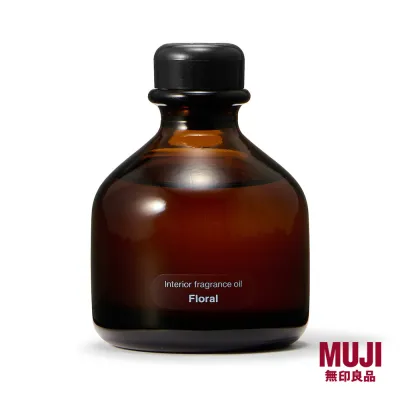
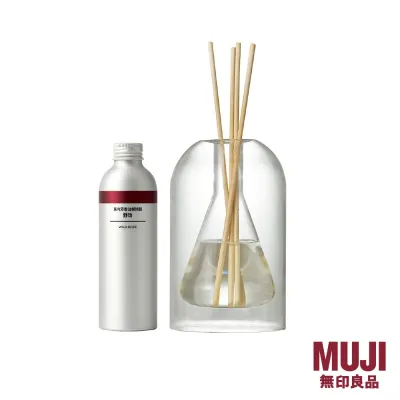
Prices are valid at publication and may change. Please refer to the product page for the latest price.
The physical setup of your reeds acts as the primary control valve for the oil’s lifespan. Each reed contains microscopic channels that draw the liquid upward via capillary action. The more reeds you insert into the bottle, the more channels are opened, and the faster the oil is consumed. Additionally, flipping the reeds introduces dry wood to the liquid while exposing the fully saturated ends directly to the air, causing an immediate spike in fragrance release and oil consumption.
How to Tell When It Is Time to Replace the Oil
Recognizing when your diffuser oil has run its course involves both visual and olfactory checks. The most obvious sign is a noticeable fading of the fragrance throw, even after you have flipped the reeds. Over time, the volatile aromatic compounds evaporate, leaving behind heavier carrier oils that do not carry the scent as effectively. If you find yourself flipping the reeds daily just to catch a faint hint of the aroma, the active fragrance components are likely depleted.

Another clear indicator is the physical level of the liquid in the vessel. Once the oil drops below a certain threshold, usually the bottom quarter of the bottle, the reeds can no longer draw the liquid upward efficiently. The capillary action requires a minimum depth to push the oil all the way to the exposed tips of the sticks. When the oil level is too low, the top portions of the reeds will dry out, and the scent distribution will stop entirely.
You should also monitor the physical appearance of the oil and the reeds themselves. Over weeks of exposure to the air, the oil can undergo oxidation, which often manifests as a distinct darkening of the liquid or a cloudy, murky consistency. Dust, pet dander, and airborne particles also settle into the open bottle, contaminating the mixture. This contamination can clog the porous structure of the reeds, rendering them incapable of absorbing and dispersing the remaining liquid.
Furthermore, reeds have a finite lifespan and eventually become completely saturated. When the wooden channels are clogged with dust, lint, and thickened oil residues, they lose their porous quality. Saturated reeds feel heavy, look permanently wet or greasy, and fail to emit any scent even when flipped. At this stage, simply adding more oil to the bottle without changing the reeds will result in poor performance and wasted product.
Practical Tips to Extend Your MUJI Diffuser Oil
Maximizing the lifespan of your MUJI diffuser oil does not require sacrificing the quality of the scent. One of the most effective strategies is to adjust the number of reeds to match the specific dimensions of your room. For smaller spaces like bathrooms or entryways, three to four reeds are usually sufficient to provide a pleasant aroma without overwhelming the area or draining the bottle too quickly. Save the full set of eight or ten reeds for larger living rooms or open-plan spaces.
Establishing a disciplined reed-flipping schedule is another way to prevent premature evaporation. While flipping the reeds provides an instant burst of fragrance, doing so too frequently—such as every day—accelerates oil consumption. Instead, aim to flip the reeds once every one to two weeks, or only when you notice the scent beginning to fade naturally. This moderate approach keeps the fragrance consistent while preserving the liquid inside the bottle.
Placement is critical when trying to extend the life of your home fragrance. Keep your diffuser away from direct sunlight, radiators, and electronic appliances that generate heat, as elevated temperatures speed up chemical evaporation. Additionally, avoid placing the vessel near open windows, external doors, or directly under air conditioning vents. A draft-free corner with natural air circulation is the ideal spot for a steady, slow diffusion process.
Finally, always replace your reeds whenever you transition to a new bottle of oil or a refill. Reusing old, clogged reeds with fresh oil is a common mistake that leads to poor scent throw and rapid degradation of the new liquid. Fresh reeds ensure that the capillary action remains highly efficient, allowing you to use fewer sticks overall to achieve the same level of fragrance intensity.
Assessing Value: Planning Your Repurchase Cycle
To manage your home decor budget effectively, you can build a simple consumption model based on your household’s unique environment. During the first two weeks of opening a new MUJI diffuser, mark the oil level on the bottle with a small pencil line or take a quick photo. By observing how far the liquid drops over a fortnight, you can project a highly accurate empty date and schedule your next purchase before the scent disappears entirely.
Keep in mind that your repurchase cycle will likely shift with seasonal changes and household habits. In Singapore, where warm temperatures persist year-round, air conditioning usage is a major variable. Rooms that are air-conditioned for twelve hours a day will consume oil differently than rooms relying solely on natural ventilation. Expect to purchase refills more frequently during hotter periods or when your cooling systems are running continuously.
When evaluating the long-term cost-effectiveness of your setup, compare the financial impact of buying complete sets versus individual refills. MUJI offers standalone fragrance oil refills, which are generally much more economical than purchasing a brand-new glass vessel and reed set every time. Opting for the larger refill bottles and purchasing separate replacement reeds allows you to maintain your favorite home aesthetic while reducing packaging waste and lowering your ongoing cost in S$.
Frequently Asked Questions (FAQ)
Can I mix different MUJI diffuser oil scents in the same bottle?
Mixing different fragrance oils directly in the same bottle is generally not recommended. Combining different scents can result in a muddled, unappealing olfactory profile rather than a pleasant custom blend, as the aromatic compounds may clash. Additionally, different oil formulations may have varying densities and carrier bases, which can affect how they rise through the reeds. If you want to switch to a new scent, it is best to wash the glass vessel thoroughly with warm water and dish soap, let it dry completely, and use a fresh set of reeds with the new oil.
Does adding water or alcohol to the oil make it last longer?
Adding water or household alcohol to your diffuser oil is highly counterproductive and can ruin the entire setup. Oil and water do not mix naturally without an emulsifier; adding water will cause the mixture to separate, clogging the reeds and preventing any scent from dispersing. Water also introduces the risk of mold and bacterial growth inside the bottle. While alcohol evaporates quickly, adding improper types can alter the chemical balance of the fragrance, causing it to flash off too rapidly or damage the porous structure of the reeds.
Why does my diffuser oil evaporate faster in certain rooms?
Diffuser oil evaporates at different rates depending on the microclimate of each room. Spaces with high air circulation, such as hallways with frequent foot traffic, rooms with active ceiling fans, or areas near air conditioning vents, experience faster evaporation because the moving air constantly draws moisture out of the reeds. Larger rooms with dry air also pull fragrance molecules away more rapidly than small, enclosed spaces like bathrooms, where higher humidity levels naturally slow down the rate of liquid loss.

Community discussion
Share your experience or ask a question. Comments are reviewed before publication.