
A standard bottle of room diffuser oil typically lasts between four to twelve weeks before requiring a refill. This lifespan is not a fixed metric, as the rate of evaporation depends heavily on the volume of the liquid, the physical characteristics of the reeds, and the specific climate of your living space. Understanding these variables allows you to manage your home fragrance budget effectively while maintaining a consistent scent profile throughout your home.
Passive diffusion relies on capillary action to draw fragrance oil upward through porous materials, where it evaporates into the surrounding air. Because this process is continuous and unregulated by switches or timers, the oil is constantly exposed to environmental factors that influence its depletion rate. By identifying the key drivers of evaporation, you can make informed decisions about where to place your diffusers and when to invest in refills.
Key Factors That Determine Diffuser Oil Lifespan
The physical design of the diffuser vessel plays a primary role in how quickly the oil disappears. A bottle with a wide neck exposes a larger surface area of liquid directly to the air, allowing for rapid, passive evaporation from the bottle itself. Conversely, a narrow-necked bottle restricts this direct exposure, ensuring that the vast majority of the oil is drawn up through the reeds rather than escaping directly from the container.
Products mentioned in this guide
![[KIRONA SCENT] 120ML Diffuser Essential Oil | Water Soluble | 60+ Scents | Luxurious Mall & Hotel Scents | For Diffusers Air Revitalizers Air Purifiers Humidifiers](https://img.lazcdn.com/g/p/816881bc0108d3c1b35161778dcd211a.jpg_400x400q80.jpg_.webp)
![[KIRONA SCENT] 250ML Diffuser Essential Oil | Water Based | 60+ Fragrances | For Aroma Diffusers Humidifiers Water Air Purifiers](https://img.lazcdn.com/g/p/195b84b211e84538c03389199ccb89da.jpg_400x400q80.jpg_.webp)
![[KIRONA SCENT] 250ML Aroma Reed Refill | Premium Quality Essential Oil | For Aroma Reed Diffusers Clay Diffusers | More than 60 Scents Available | Luxurious Hotel & Mall Fragrances](https://img.lazcdn.com/g/p/4685932625987bb431ec03fe164da9f7.jpg_400x400q80.jpg_.webp)
![⭐[Aromania]⭐ High quality Essential Oil for diffusers natural and light 10ml Essential Scented Oil](https://img.lazcdn.com/g/p/36e366906f922e87a248835fdec2fce2.jpg_400x400q80.jpg_.webp)
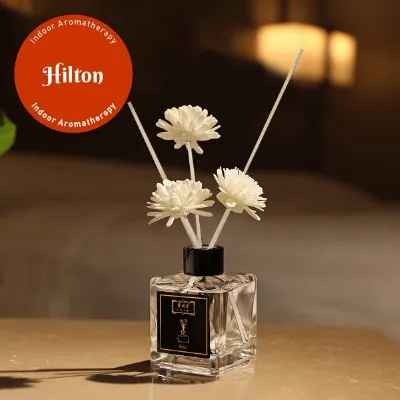

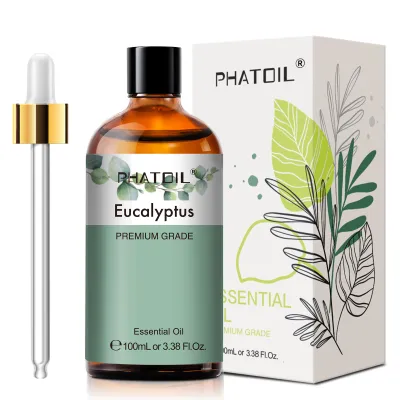
Prices are valid at publication and may change. Please refer to the product page for the latest price.
The number and material of the reeds inserted into the bottle also dictate the consumption rate. Each reed acts as an active conduit; adding more reeds increases the total surface area from which the oil can evaporate, which intensifies the fragrance but accelerates depletion. Rattan reeds contain natural, hollow channels that slowly draw oil upward, resulting in a gradual release. Synthetic fiber reeds are engineered with high porosity to pull liquid quickly, offering a more immediate and intense scent throw at the expense of a shorter lifespan.
Ambient environmental conditions are equally influential, particularly in tropical regions like Singapore. High ambient temperatures naturally accelerate molecular movement, causing the carrier liquids in the oil to evaporate more rapidly. However, the use of indoor climate control introduces a unique dynamic. Running an air conditioner lowers indoor humidity, creating dry air that aggressively pulls moisture and volatile oils out of the diffuser reeds.
Airflow patterns within the room further compound this effect. Placing a diffuser near an open window, a mechanical fan, or an air conditioning vent subjects the reeds to constant air movement. This continuous draft sweeps away the saturated air boundary layer around the reeds, forcing the system to draw up fresh oil at an accelerated rate.
Finally, the chemical formulation of the carrier liquid determines the baseline evaporation rate. Many commercial room diffuser oils use alcohol-based carriers, which evaporate quickly to deliver a strong, immediate scent throw but deplete the bottle rapidly. Formulations utilizing glycol-based or specialized synthetic chemical carriers evaporate at a much slower, more controlled rate, providing a sustained fragrance release over several months.
How to Tell When Your Reed Diffuser Needs a Refill
Monitoring the physical level of the liquid inside the vessel is the most direct way to determine when a refill is necessary. When the oil level drops below the bottom one to two centimeters of the bottle, the reeds can no longer submerge deeply enough to draw the liquid upward effectively. At this low level, the remaining liquid often becomes highly concentrated and viscous, as the lighter carrier fluids have already evaporated, leaving behind a thick residue that cannot climb the reeds.

A noticeable decline in scent throw is another clear indicator that your diffuser requires attention. If you find yourself walking into a room and no longer noticing the fragrance, the active scent compounds may be depleted. Even if there is still liquid visible in the bottle, the volatile fragrance oils may have fully evaporated, leaving behind only the heavier, unscented carrier base.
The physical appearance and texture of the reeds themselves offer valuable clues about the state of your diffuser. Over time, reeds accumulate airborne dust, pet dander, and grease, which clog the microscopic pores essential for capillary action. If the reeds feel dry to the touch even after being flipped, or if they show severe discoloration and brittleness, they can no longer function as effective conductors for the fragrance oil.
Practical Steps to Extend Your Diffuser Oil Lifespan
Managing how often you flip your reeds is one of the simplest ways to control the evaporation rate. While flipping the reeds refreshes the scent throw by exposing wet ends to the air, doing so too frequently accelerates oil consumption. To maximize lifespan, limit flipping to once every one to two weeks, or reserve the action for occasions when you expect guests and require a temporary boost in fragrance intensity.
Strategic placement within your home can dramatically reduce unnecessary evaporation. Keep your diffuser vessels out of direct sunlight, as solar heat warms the glass and the oil inside, leading to rapid evaporation and potential degradation of the fragrance compounds. Position the bottle away from direct drafts, such as those from air conditioning units or open balcony doors, and place it instead in areas with gentle, natural foot traffic to help circulate the scent naturally.
When the oil level runs low, avoid the temptation to simply pour fresh oil over old, dusty reeds. Clogged reeds will not draw the new oil efficiently, resulting in a weak scent throw and premature clogging of the fresh liquid. Instead, replace the reeds entirely whenever you refill the vessel or change the fragrance profile to ensure optimal performance and hygiene.
Evaluating Value: Refills vs. Buying a New Diffuser Set
When your diffuser oil runs dry, comparing the cost of a dedicated refill bottle against a completely new starter kit is essential for long-term value. Starter kits include the cost of decorative glass vessels, specialized packaging, and a small set of reeds, which inflates the price per milliliter. Refill bottles are typically sold in larger volumes, such as 200ml or 500ml, and offer a much lower cost per milliliter in S$, making them a highly economical choice for continuous home fragrancing.
Before purchasing a third-party refill oil, it is crucial to verify compatibility with your existing vessel. Check the neck size and threading of your bottle to ensure you can pour the refill safely without spills. Additionally, ensure the viscosity of the new oil matches the type of reeds you plan to use; thick, natural oil formulations may struggle to climb synthetic fiber reeds designed for lighter, alcohol-based liquids.
To maintain the integrity of your home fragrance, thoroughly clean the glass vessel before introducing a new refill, especially if you are switching to a different scent or brand. Wash the bottle with warm, soapy water to remove oily residue, rinse it with isopropyl alcohol to dissolve lingering fragrance molecules, and allow it to dry completely. This simple maintenance step prevents cross-contamination and ensures that your new room diffuser oil smells exactly as intended.
Frequently Asked Questions (FAQ)
Can I mix different room diffuser oil brands in the same bottle?
Mixing different brands or formulations of room diffuser oil is not recommended due to chemical compatibility risks. Different manufacturers use distinct carrier bases, such as alcohol, glycol, or natural oils, which may not blend cohesively when mixed. Combining them can cause the liquids to separate, muddle the fragrance profile, or create a highly viscous mixture that quickly clogs your reeds, rendering the diffuser ineffective.
Is it safe to leave a reed diffuser running continuously for months?
Yes, reed diffusers are generally safe for continuous, long-term use because they do not rely on heat, electricity, or an open flame to disperse fragrance. However, you should place the vessel on a stable, level surface out of reach of pets and children to prevent accidental spills, which can damage wooden furniture or flooring. Additionally, monitor the oil level periodically to ensure the reeds do not dry out completely and accumulate household dust, which can become a minor allergen trap.
Why does my diffuser oil evaporate faster than the packaging claims?
Manufacturer estimates are typically calculated under controlled laboratory conditions with moderate temperatures and stable humidity. In real-world environments, especially in tropical climates or air-conditioned spaces, evaporation rates are significantly higher. The dry air produced by air conditioning, combined with high ambient temperatures and localized drafts from fans or open windows, accelerates the capillary action of the reeds, causing the oil to deplete much faster than the packaging suggests.
Community discussion
Share your experience or ask a question. Comments are reviewed before publication.