
A premium reed diffuser can bring a continuous, elegant fragrance to your Singapore home, but its actual lifespan depends heavily on your indoor environment. In our tropical climate, factors like high humidity, ambient temperature, and air conditioning play a massive role in how quickly the essential oils evaporate. While a standard bottle is designed to provide several weeks of scent, understanding how these local conditions affect your diffuser will help you maximize its longevity and determine if it fits your home decor budget.
To get the most out of your investment, you need to look beyond the general estimates on the packaging. By observing how the liquid level drops in your specific living spaces—whether it is a breezy HDB living room or a closed, air-conditioned bedroom—you can establish a realistic timeline for refills. This guide breaks down the environmental variables, tracking methods, and maintenance steps required to optimize your home fragrance experience.
Key Factors Influencing Reed Diffuser Longevity in Singapore
Singapore’s year-round tropical climate presents a unique set of challenges for passive home fragrance products. High ambient humidity can sometimes slow down the evaporation of water-based liquids, but premium diffusers typically use alcohol-free, oil-based carriers designed to disperse pure essential oils. In naturally ventilated spaces, the combination of high temperatures and constant airflow from open windows or ceiling fans accelerates the evaporation process, causing the liquid level to drop much faster than expected.
Products mentioned in this guide
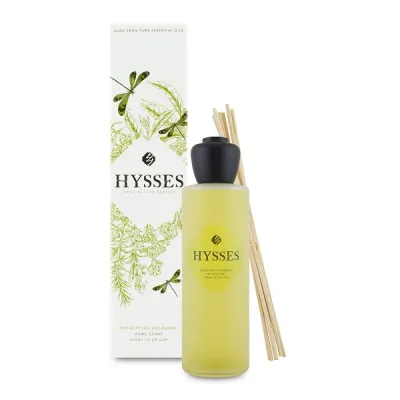
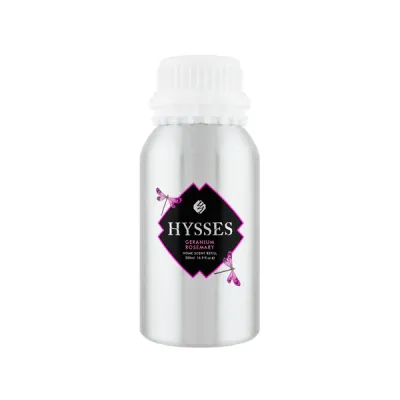
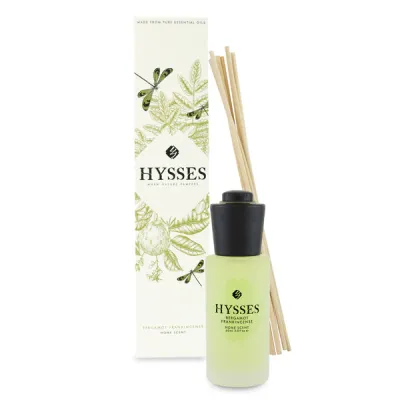
Prices are valid at publication and may change. Please refer to the product page for the latest price.
Conversely, placing a diffuser in an air-conditioned room alters the evaporation dynamics. Air conditioning units dry out the air, reducing the relative humidity while lowering the room temperature. This dry environment can draw moisture and oil through the reeds more rapidly, even though the cooler temperature theoretically slows down molecular movement. If you run your air conditioning continuously, you may notice a more intense scent throw but a shorter overall lifespan for your diffuser liquid.
The physical design of the diffuser setup also dictates how quickly the oil is consumed. The number of reeds you insert acts as the primary control valve for the fragrance; more reeds create more surface area for the oil to evaporate into the air. Additionally, the material of the reeds—such as traditional rattan with natural capillary channels or high-density synthetic fiber—affects the absorption rate. A wider bottle neck also allows more ambient air to contact the liquid surface directly, slightly increasing passive evaporation compared to narrow-necked vessels.
Monitoring Liquid Consumption and Scent Throw
To manage your home fragrance budget effectively, it is helpful to establish a simple monitoring routine during the first few weeks of opening a new bottle. Mark the initial liquid level with a small piece of tape or take a reference photo on your phone. By checking the level again after exactly fourteen days, you can calculate a reliable weekly consumption rate. This simple projection allows you to estimate the total lifespan of your specific scent in that particular room without relying on generic product estimates.

Regular visual inspections of the reeds themselves are equally important. Over time, airborne dust, pet dander, and cooking grease can settle on the exposed portions of the reeds, clogging the microscopic pores that allow the oil to travel upward. If you notice that the liquid level has stopped dropping but the scent has faded, it is highly likely that the reeds are obstructed rather than the oil being depleted.
It is also crucial to distinguish between olfactory fatigue and a failing diffuser. The human brain naturally tunes out constant background smells after prolonged exposure, a phenomenon known as nose blindness. Before assuming your diffuser has lost its strength, step out of the room or leave your home for a few hours. When you return, note whether the fragrance is still perceptible; alternatively, temporarily move the diffuser to a neutral, unused space to test if the scent throw is still active.
Practical Tips to Extend Diffuser Lifespan
Maximizing the lifespan of a premium diffuser requires strategic placement within your home layout. Avoid placing the bottle in direct sunlight, such as on a window sill, as solar heat warms the glass and accelerates evaporation while potentially degrading the delicate essential oils. Similarly, keep the diffuser away from direct drafts caused by air conditioning vents, standing fans, or main entryways, as excessive air movement strips the fragrance from the reeds too quickly.
Managing the reeds themselves is the most effective way to control consumption. While flipping the reeds is a common method to refresh a fading scent, doing it too frequently will deplete the liquid rapidly. For a balanced approach in Singapore homes, limit flipping to once every one to two weeks, or only when you notice a significant drop in fragrance intensity. When flipping, hold the reeds over a paper towel to prevent oil from dripping onto and damaging your wooden furniture or stone countertops.
Eventually, reeds become completely saturated and lose their capillary efficiency, even if there is still plenty of oil left in the bottle. Instead of pouring more oil or buying a completely new set, try replacing only the reeds. Keeping a spare pack of high-quality reeds on hand allows you to restore the original scent throw instantly, ensuring you use every last drop of your premium fragrance oil.
Evaluating the Cost-Effectiveness of Premium Diffusers
Evaluating whether a premium brand like Hysses justifies its price tag in Singapore requires a simple cost-per-month calculation. Take the retail price of the diffuser or refill bottle in S$ and divide it by the number of months it actually lasts based on your tracking. For example, if a refill bottle costing S$60 lasts you three months in a medium-sized bedroom, your monthly investment is S$20. This concrete figure makes it much easier to compare the product’s value against other household expenses.
Next, compare this monthly cost against alternative home fragrance formats. While electric essential oil diffusers or wax melts might have a lower ongoing consumable cost, they require electricity, regular cleaning, and manual intervention to operate. Reed diffusers, by contrast, offer a continuous, passive scent throw that operates safely twenty-four hours a day without supervision—making them highly suitable for busy households or spaces without convenient power outlets.
Ultimately, the decision to repurchase comes down to your personal satisfaction with the scent quality and throw. Premium brands often use natural essential oils rather than synthetic fragrance oils, which provide a more complex, realistic aroma that does not trigger headaches. If a specific scent successfully enhances your home environment and lasts long enough to fit your monthly budget, investing in a high-quality refill becomes a sustainable and satisfying choice for your living space.
Frequently Asked Questions (FAQ)
Can I reuse the reeds for a new bottle of Hysses fragrance?
It is highly recommended to use fresh reeds whenever you open a new bottle of fragrance. Used reeds are already saturated with the previous oil, and their internal capillary pathways are likely clogged with dust and dried oil residue, which severely limits their ability to draw up new liquid. Furthermore, reusing old reeds introduces the risk of cross-contamination, which can distort the delicate scent profile of your new fragrance.
Does adding water or alcohol to the remaining oil extend its life?
You should never add water or rubbing alcohol to your diffuser oil to stretch its lifespan. Premium diffuser oils are carefully formulated with specific carrier solvents to maintain a precise viscosity and evaporation rate. Adding water will cause the oil and water to separate, resulting in a cloudy appearance and creating a breeding ground for mold in Singapore’s humid climate. Adding alcohol can disrupt the fragrance balance, cause the scent to evaporate far too quickly, and potentially create a fire hazard.
Community discussion
Share your experience or ask a question. Comments are reviewed before publication.