
The lifespan of reed diffuser sticks does not follow a single fixed timeline, as it depends heavily on environmental conditions, oil composition, and maintenance habits. Rather than relying on an arbitrary expiration date, this guide helps you identify the physical and olfactory signals that your sticks are saturated, and provides actionable steps to maximize their usable life before replacement is necessary.
In tropical, high-humidity climates like Singapore, managing indoor fragrance requires a bit of strategy. Homes often alternate between warm, humid outdoor air and dry, air-conditioned indoor spaces. This constant shift in temperature and moisture levels directly affects how fragrance oils travel up a diffuser stick. Understanding these dynamics allows you to get the most out of your home fragrances without wasting oil or using ineffective reeds.
Factors That Affect Reed Diffuser Stick Lifespan
Several environmental and physical factors dictate how long your diffuser sticks remain effective. Ambient humidity and temperature play a primary role in the wicking process. In highly humid rooms, the air is already saturated with moisture, which can slow down the evaporation of the fragrance oil from the exposed tips of the reeds. Conversely, in air-conditioned rooms, the dry air accelerates evaporation, drawing the oil up through the sticks at a much faster rate.
Products mentioned in this guide
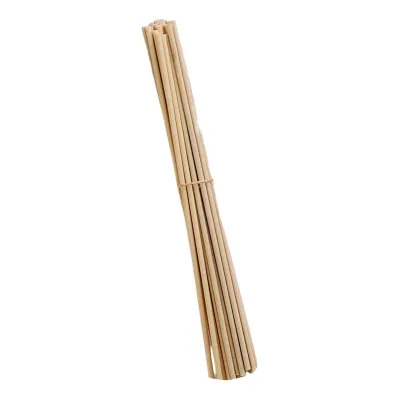
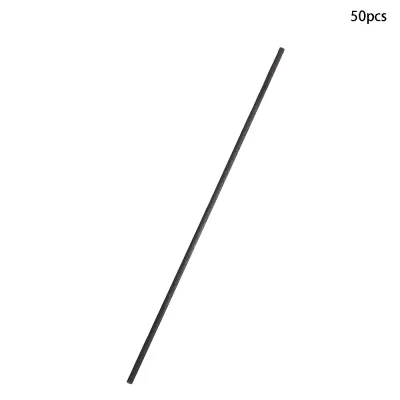
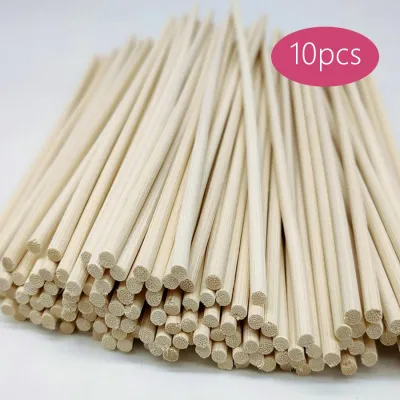
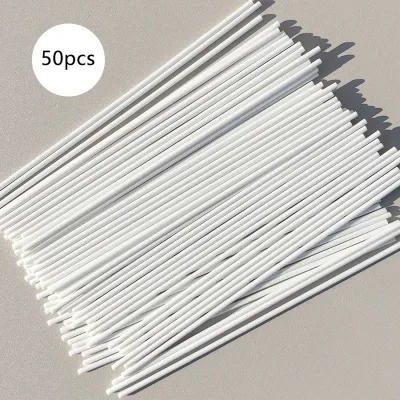
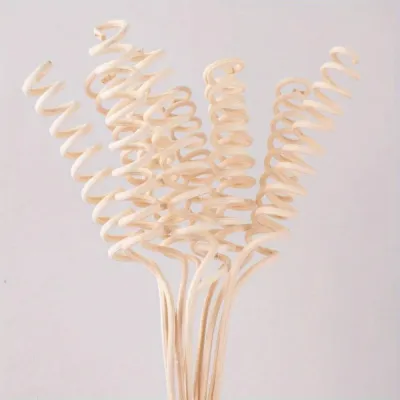
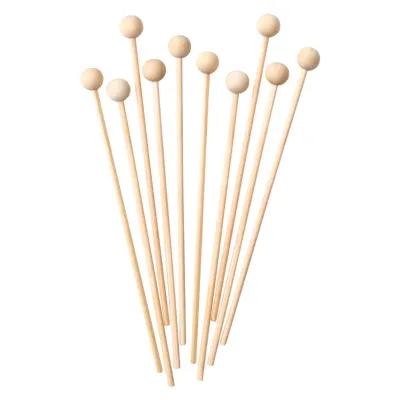
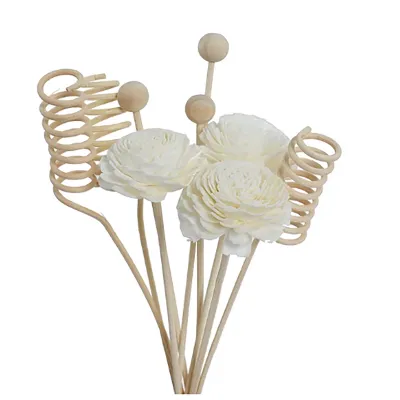
Prices are valid at publication and may change. Please refer to the product page for the latest price.
Airflow patterns within your living space also influence stick durability. Placing a diffuser near a ceiling fan, an open window, or an air-conditioning unit increases air circulation. While this helps disperse the scent across a larger area, the constant draft pulls volatile compounds out of the sticks rapidly. This accelerated wicking can cause the heavier, non-volatile components of the fragrance oil to accumulate inside the reeds, leading to premature clogging.
The chemical composition of the diffuser oil itself is another critical variable. Fragrance oils formulated with thick carrier oils travel slowly through the narrow channels of natural reeds. Over time, these dense molecules lodge deep within the stick’s structure. Lighter carrier oils, such as those utilizing alcohol or specialized low-viscosity esters, flow more freely but may evaporate much faster, requiring a careful balance in stick selection.
The material of the stick determines its internal structure and absorption capacity. Natural rattan reeds contain dozens of microscopic, hollow tubes called vascular bundles, which draw liquid upward via capillary action. Synthetic fiber sticks, on the other hand, are manufactured from polyester threads designed to pull liquid rapidly through uniform pores. Because of these structural differences, fiber sticks generally draw oil faster and saturate more quickly than natural rattan.
Finally, your maintenance habits directly impact how long a set of sticks remains functional. Flipping the reeds introduces fresh, oil-soaked ends to the air, providing an immediate boost in fragrance. However, flipping them too frequently—such as every day—exposes the oil to excessive oxygen. This speeds up the oxidation process, causing the oil to thicken and dry out on the surface of the sticks, which ultimately shortens their active lifespan.
Clear Signs It Is Time to Replace Your Diffuser Sticks
Recognizing when your diffuser sticks have reached the end of their functional life prevents you from wasting expensive fragrance refills. The most obvious indicator is a significant drop in fragrance throw. If you notice that a room no longer carries the scent, even after you have flipped the sticks or verified that the bottle is still full of oil, the reeds have likely lost their ability to wick.

Visual inspection provides clear clues about the condition of your reeds. Over weeks of exposure, the sticky surface of the oil-soaked sticks acts as a magnet for airborne dust, pet dander, and lint. In urban environments, this dust combines with the evaporating oil to form a gray or dark, impermeable crust on the exposed tips. Additionally, in damp, poorly ventilated areas like bathrooms, the constant moisture can encourage mold or mildew growth at the base of the sticks where they meet the liquid line.
Physical saturation is another unmistakable sign that replacement is overdue. When you touch the sticks, they may feel unusually heavy, greasy, or soggy rather than slightly damp. This state of total saturation means the internal capillary pathways are completely blocked with heavy, non-volatile fragrance residues and dust. Once these pathways are clogged, the capillary action stops entirely, and the stick can no longer draw fresh oil from the bottle.
You should also pay attention to changes in the scent profile itself. As diffuser sticks age, the lighter, more volatile top notes of the fragrance evaporate first, leaving behind the heavier base notes trapped within the wood fibers. If the aroma emanating from your diffuser begins to smell stale, sour, flat, or distinctly different from when you first opened the bottle, the trapped oil inside the reeds has oxidized. Replacing the sticks is the only way to restore the true, clean profile of the fragrance.
How to Extend the Life of Your Reed Diffuser Sticks
While diffuser sticks must eventually be replaced, proper maintenance can significantly extend their usable lifespan. Establishing a consistent, moderate flipping schedule is the most effective starting point. For most standard living spaces, flipping the sticks once every one to two weeks is sufficient to maintain a steady scent throw. When flipping, always use a paper towel or gloves to handle the reeds, as the natural oils from your fingertips can transfer to the sticks and block the delicate pores.
Keeping the diffuser setup clean prevents premature clogging from external debris. Periodically wipe down the neck and rim of the glass bottle with a dry cloth to remove any sticky, dried oil residue that accumulates over time. If dust begins to settle visibly on the exposed tops of your sticks, you can gently tap them over a waste bin or use a dry, soft-bristled brush to sweep away loose particles before they bond with the oil.
Strategic placement within your home protects the reeds from environmental stress. Avoid placing your diffuser in direct sunlight, such as on a window sill, as UV rays degrade the fragrance oil and dry out the exposed portions of the sticks too quickly. Keep the bottle away from direct heat sources, including radiators, stovetops, and the tops of large electronic appliances. Position the diffuser in an area with gentle, natural foot traffic—such as a hallway console or a side table—where passing movement naturally disperses the scent without accelerating evaporation.
It is equally important to recognize the physical limits of maintenance. Attempting to wash, scrub, or endlessly flip heavily clogged sticks will not restore their capillary action once the internal channels are blocked. When the reeds no longer throw scent despite being clean and properly positioned, accept that the material has run its course. Transitioning to a fresh set of sticks is a simple, low-cost step that immediately restores the performance of your home fragrance setup.
Choosing the Right Replacement Sticks for Your Setup
Selecting the correct replacement sticks requires matching the material and dimensions to your specific diffuser bottle and oil type. The primary choice is between natural rattan reeds and synthetic fiber sticks. Rattan reeds offer a classic, rustic appearance and a slower, more controlled wicking rate, making them highly suitable for light, alcohol-based, or low-viscosity fragrance oils. They provide a subtle, background scent throw that lasts longer before the bottle empties.
Synthetic fiber sticks are engineered for high performance and rapid absorption. Because they are highly porous and have uniform channels, they draw up oil quickly and release a much stronger, more immediate fragrance throw. This makes fiber sticks excellent for larger rooms or for use with thicker, glycol-based, or alcohol-free carrier oils that natural rattan struggles to wick. However, keep in mind that this high absorption rate means your diffuser oil will evaporate more quickly.
You must also match the physical dimensions of the replacement sticks to your diffuser bottle. As a general guideline, the length of the sticks should be approximately twice the height of the bottle. If the sticks are too short, they will not have enough exposed surface area to disperse the scent effectively into the room. Conversely, if the sticks are excessively long or thick, they can absorb too much oil at once, dry out the bottle prematurely, or make a lightweight glass bottle top-heavy and unstable.
Before purchasing replacement sticks, check the manufacturer’s recommendations or product labels on your original diffuser set. Some premium fragrance brands formulate their oils to work specifically with either rattan or fiber, and using the wrong type can result in poor scent throw or rapid evaporation. Ensuring compatibility between the oil’s viscosity and the stick’s material guarantees a balanced, long-lasting aromatic experience in your home.
Frequently Asked Questions (FAQ)
Can I wash and reuse old reed diffuser sticks?
Washing old reed diffuser sticks is generally ineffective and not recommended. Attempting to clean natural rattan reeds with water causes the wood fibers to swell, permanently damaging the delicate internal capillary channels and often leading to mold or mildew growth. While rinsing them in rubbing alcohol might dissolve some surface oils, it cannot clear the deeply compacted dust, lint, and heavy carrier oil residues lodged deep inside the microscopic pores. For a clean, safe, and effective scent throw, it is always best to discard old sticks and replace them with fresh ones.
Should I replace the sticks every time I refill the diffuser oil?
Yes, you should replace the diffuser sticks every time you refill the bottle or change the fragrance. If you are switching to a new scent, using old sticks will cause cross-contamination, mixing the old and new fragrances to create an unpleasant or muddy aroma. Even if you are refilling the bottle with the exact same scent, the existing sticks are already saturated with old, oxidized oil and clogged with household dust. Reusing them prevents the fresh oil from wicking properly, resulting in a very weak fragrance throw and wasting your new refill.

Community discussion
Share your experience or ask a question. Comments are reviewed before publication.