
Using a reed diffuser as a closet freshener is an excellent way to maintain a welcoming aroma in your wardrobe, but its lifespan in a confined space differs significantly from one placed in an open living area. While a standard bottle might last several weeks to a few months in a typical room, the stagnant air and limited volume of a closet alter how the fragrance oil evaporates and disperses. Understanding these physical dynamics helps you select the right product and maximize its longevity.
Setting Realistic Lifespan Expectations for Closet Diffusers
The actual lifespan of a closet freshener depends on several physical variables, primarily the total volume of the fragrance oil, the chemical formulation of the carrier base, and the ambient climate of the home. A larger bottle naturally contains more material to evaporate, but a high-volume diffuser with a fast-evaporating base can disappear quicker than a smaller, more stable formulation.
In an enclosed wardrobe, the air quickly becomes saturated with fragrance molecules. Because there is little to no active ventilation, the rate of evaporation often slows down compared to an open hallway or living area. This means the physical liquid inside the bottle may actually last longer in a closet than it would in a high-traffic room.
Products mentioned in this guide
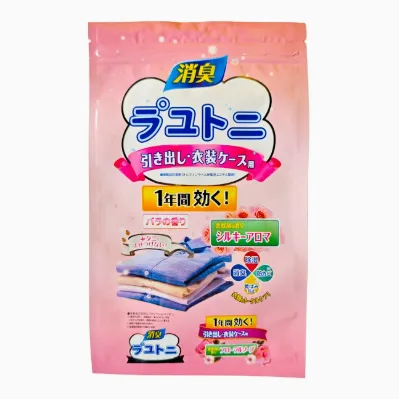
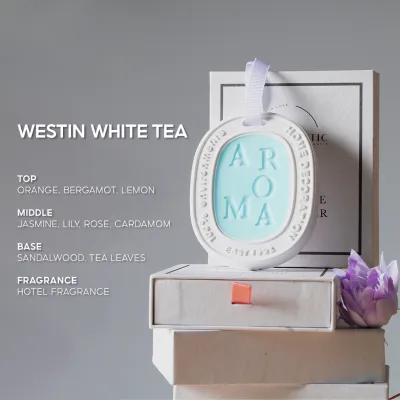

Prices are valid at publication and may change. Please refer to the product page for the latest price.
However, there is a distinct difference between liquid depletion and active scent throw. You might observe a bottle that remains half-full of liquid after several months, yet the closet no longer smells like the fragrance. This occurs because the lighter, highly volatile top notes evaporate first, leaving behind heavier carrier oils that do not travel well through the air without assistance.
How Enclosed Spaces Change Evaporation and Scent Throw
The lack of continuous airflow in a closet creates a microclimate where scent molecules pool. Without a draft or movement to carry the scent outward, the air inside the wardrobe reaches a state of fragrance saturation. While this preserves the liquid by slowing down evaporation, it also rapidly induces olfactory fatigue, commonly known as nose blindness, making it seem as though the diffuser has stopped working when it is actually still dispersing scent.

Temperature fluctuations also play a significant role in how quickly your closet freshener is consumed. In many homes, wardrobes are built against external walls that absorb heat from the sun, or they are situated near bathroom doors and laundry areas. When the temperature inside the closet rises, the viscosity of the fragrance oil decreases, causing it to travel up the reeds faster and evaporate at an accelerated rate.
Humidity levels inside the wardrobe further complicate this process, particularly in tropical climates like Singapore where ambient moisture is consistently high. High humidity can saturate natural reeds with water vapor from the air, blocking the microscopic channels that allow the fragrance oil to climb. When the reeds become waterlogged, scent diffusion drops dramatically, even if the bottle is full of high-quality oil.
What to Look for in Long-Lasting Closet Freshener Brands
When shopping for a long-lasting closet freshener, the carrier oil formulation is the most critical factor to evaluate on the product label. Alcohol-based diffusers offer an immediate, intense scent throw because alcohol evaporates rapidly, but they deplete quickly in confined spaces. For a closet, look for brands that utilize glycol-based or specialty synthetic carrier oils, which evaporate at a much slower, more controlled rate.
The material of the reeds themselves determines how efficiently the oil is drawn into the air. Natural rattan reeds contain open capillary channels that work well with low-viscosity oils, but they can clog easily in dusty or humid environments. Synthetic fiber reeds are engineered with uniform porosity, allowing them to draw up heavier, slow-evaporating oils consistently without clogging as quickly, making them highly suitable for wardrobe use.
Bottle design is another physical attribute that directly influences longevity. A diffuser bottle with a wide, open mouth exposes a large surface area of oil directly to the air, leading to rapid passive evaporation. Brands that design their bottles with narrow necks or restricted openings limit this direct exposure, ensuring that the oil can only escape through the reeds themselves.
When evaluating brand longevity claims, such as “lasts up to 90 days,” it is important to interpret these figures as maximum estimates under ideal laboratory conditions. In a real-world closet, factors like the number of reeds used, the ambient humidity, and how often you open the wardrobe doors will adjust this timeline. Rather than relying solely on marketing claims, look for specifications regarding oil volume and carrier type to gauge true longevity.
Optimizing Placement and Care for Wardrobe Environments
To maximize the lifespan and effectiveness of your closet freshener, strategic placement is essential. Position the diffuser on a stable, level shelf where there is a slight amount of air movement, such as near the wardrobe door rather than tucked deep behind heavy winter coats. Avoid placing the bottle directly beneath hanging clothes, as the rising scent molecules can saturate fabrics unevenly and the reeds must not touch any garments.
Managing how often you flip the reeds is a powerful way to control oil consumption. While flipping the reeds refreshes the scent, doing so too frequently draws fresh oil up to evaporate rapidly, shortening the product’s lifespan. In a small closet, flipping the reeds once every two to three weeks is generally sufficient to maintain a subtle, pleasant aroma without wasting the liquid.
Routine maintenance also includes keeping the diffuser clean. Dust and lint from clothing can settle on the exposed portions of the reeds, clogging their pores and blocking the fragrance from escaping. Gently wiping the reeds with a dry cloth or replacing them entirely when they become dusty will restore the scent throw without requiring you to buy a whole new diffuser set.
When to Replace or Refill Your Closet Diffuser
Recognizing when your closet freshener has reached the end of its functional life prevents you from keeping an ineffective bottle in your wardrobe. Visual cues are the most reliable indicators; if the remaining oil has turned dark, thick, or cloudy, the carrier base has likely degraded, and the remaining liquid will no longer diffuse properly. Similarly, reeds that appear heavily discolored or feel greasy to the touch have become saturated and can no longer draw oil.
A noticeable reduction in scent throw, even after you have flipped the reeds or dusted them, suggests that the volatile fragrance compounds have fully evaporated. At this stage, even if there is still liquid left in the bottle, it is primarily the heavy carrier oil remaining, and the diffuser should be refilled or replaced.
To distinguish between product depletion and nose blindness, step away from the closet for several hours or ask a family member to check the scent level. If they can easily smell the fragrance but you cannot, your olfactory senses have simply adapted to the environment, and there is no need to replace the diffuser or add more reeds just yet.
Frequently Asked Questions (FAQ)
Can reed diffuser oil stain clothes in a closet?
Yes, fragrance oils and carrier bases can leave permanent, greasy stains on fabrics if they come into direct contact. Because closets are active spaces where clothes are frequently moved, there is a risk of accidentally tipping over a bottle or brushing garments against wet reeds. To prevent damage, always place the diffuser on a stable, non-porous protective tray or ceramic coaster, and ensure it is positioned far enough from hanging clothes to avoid any physical contact.
Should I use fewer reeds in a small closet?
Yes, using fewer reeds is highly recommended for small, enclosed spaces like wardrobes. Because the volume of air is limited, using the full set of reeds supplied by a brand can result in an overwhelming, cloying scent and cause the oil to evaporate much faster than necessary. Start by inserting only two or three reeds; you can easily add more later if you find the scent throw is too faint, allowing you to balance fragrance intensity with long-term oil conservation.

Community discussion
Share your experience or ask a question. Comments are reviewed before publication.