
A standard reed diffuser typically lasts anywhere from one to six months before needing a refill or replacement. This wide timeframe depends heavily on the volume of fragrance oil, the number of reeds inserted, and the specific climate of your living space. By understanding how these variables interact, you can manage your home fragrance effectively and ensure your living areas remain consistently welcoming.
What Determines How Long a Reed Diffuser Lasts?
The rate at which a reed diffuser depletes is governed by several physical and environmental factors. The most obvious factor is the volume of the fragrance oil and the physical design of the vessel. A bottle with a narrow neck limits the surface area of the oil exposed directly to the air, which naturally slows down the evaporation rate compared to a wide-mouthed jar.
The reeds themselves act as the primary engine of diffusion. The number of reeds you place in the bottle directly dictates how much oil is drawn up and dispersed. More reeds mean a stronger scent throw, but they also accelerate oil consumption. Additionally, the material of the reeds plays a significant role. Natural rattan reeds contain tiny open channels that slowly draw up oil, whereas synthetic fiber reeds are engineered to wick and release fragrance more rapidly, often leading to faster oil depletion. Reed thickness also affects this rate, as thicker reeds hold and evaporate more liquid at any given time.
Products mentioned in this guide
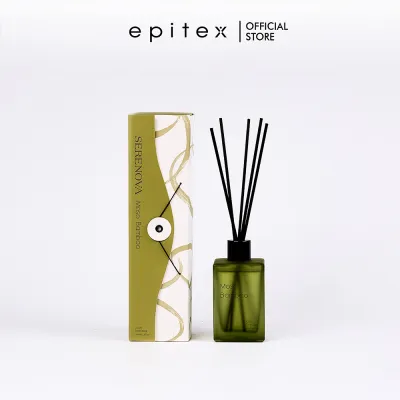
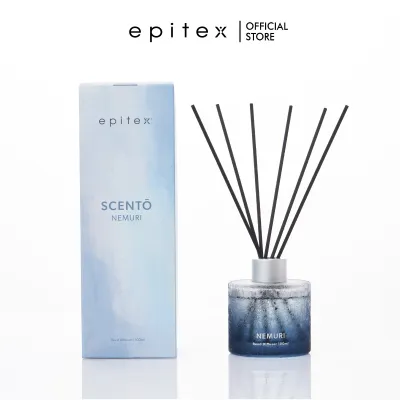
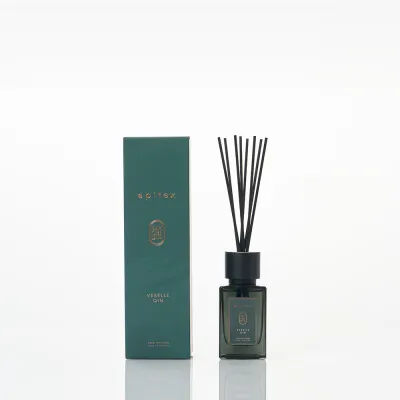
Prices are valid at publication and may change. Please refer to the product page for the latest price.
Your indoor environment is another critical variable. High room temperatures, low humidity, and active air circulation all speed up evaporation. In a tropical climate, the natural warmth can cause the oil to dissipate much faster than it would in a cooler, temperate region.
Finally, the chemical formulation of the diffuser liquid determines its volatility. Diffusers formulated with a high concentration of alcohol or highly volatile solvents evaporate quickly, offering an intense but short-lived scent. Conversely, formulations utilizing glycol ethers or specialized natural oil bases tend to evaporate at a more controlled, gradual pace, extending the overall lifespan of the fragrance.
Expected Lifespan by Bottle Size and Brand Tier
To set realistic expectations, it helps to categorize reed diffusers by their physical volume. A small bottle containing roughly 50ml of oil typically lasts between three and six weeks. This size is well-suited for compact spaces like powder rooms or small study nooks. A medium-sized bottle of 100ml is the standard for most households, generally providing a steady scent for two to three months. Large vessels holding 200ml or more can easily last between four and six months, making them ideal for spacious living rooms or open-plan areas.

The market tier of the product also influences these timelines. Mass-market diffusers often rely on lighter, highly volatile synthetic solvents to deliver an immediate, powerful scent throw at a lower price point. While effective initially, these formulations can evaporate rapidly, sometimes exhausting a 100ml bottle in just over a month. Premium brand formulations, on the other hand, typically invest in denser carrier oils and complex fragrance compounds designed for sustained, slow-release evaporation, ensuring the scent remains stable over several months.
In tropical regions like Singapore, local indoor conditions introduce unique challenges. Homes that rely heavily on air-conditioning experience dry, cool air currents that can accelerate the wicking process, drawing oil through the reeds faster than in non-air-conditioned spaces. Conversely, high ambient humidity in non-air-conditioned rooms can sometimes slow down evaporation but may also cause natural rattan reeds to absorb atmospheric moisture, reducing their ability to wick the fragrance oil efficiently.
How to Make Your Reed Diffuser Last Longer
Maximizing the lifespan of your reed diffuser does not mean sacrificing the strength of your home fragrance. Simple maintenance habits can significantly extend the life of your oil. One of the most common practices is flipping the reeds. To prevent clogging without wasting oil, flip the reeds only once every one to two weeks, or when you notice the scent starting to fade. When flipping, do so over a sink or a protective cloth to avoid dripping oil onto delicate wooden furniture or countertops.
Strategic placement is equally vital. Keep your diffuser away from direct sunlight, radiators, and active draft zones such as air-conditioning vents or open windows. Direct heat and constant air currents speed up evaporation dramatically, causing the oil to disappear long before its time. Instead, position the vessel in a high-traffic area with gentle air movement, such as a hallway or near an entryway, where natural foot traffic will help disperse the scent.
Keeping the bottle neck clean is another easy way to preserve your diffuser. Wipe away any dust or sticky residue that accumulates around the opening, as this buildup can interfere with the wicking process.
Over time, reeds can become completely saturated with dust and heavy oil molecules, losing their ability to diffuse fragrance. Instead of discarding the remaining liquid when the scent fades, simply replace the old reeds with a fresh set. This restores the wicking action and allows you to enjoy the rest of the oil without needing to buy a completely new set.
Signs It Is Time to Refill or Replace Your Diffuser
Recognizing when your reed diffuser has run its course helps you avoid keeping an ineffective decorative bottle on display. The most obvious sign is a noticeable fading or complete loss of the fragrance throw. If you find yourself flipping the reeds frequently but still cannot smell the scent, the active fragrance compounds have likely fully evaporated, leaving behind only the heavier, less aromatic carrier base.
Visual changes in the oil also signal that it is time for a change. As the oil is exposed to air and light over several months, it may darken, become cloudy, or show signs of ingredient separation. This degradation indicates that the chemical structure of the fragrance has broken down, and the remaining liquid will no longer diffuse cleanly.
The physical state of the reeds is another clear indicator. Reeds that feel permanently greasy, heavily coated in household dust, or brittle to the touch have reached the end of their functional life. Dust clogs the microscopic channels in rattan and coats the fibers of synthetic reeds, blocking the capillary action required to draw the oil upward.
Lastly, look for a crusty, sticky residue forming around the bottle opening. This residue restricts proper oil flow and prevents the reeds from sitting correctly, signaling that the vessel needs a thorough cleaning and a fresh batch of oil.
Refill Liquids vs. New Sets: Which Should You Choose?
When your diffuser finally runs dry, you face the choice of purchasing a refill liquid or buying a completely new set. From a financial perspective, refill pouches or bottles are highly cost-effective. In Singapore, a quality refill liquid often costs between S$15 and S$40, which is typically 30% to 50% cheaper than purchasing a brand-new decorative glass vessel and reed set from the same brand tier.
However, compatibility is a crucial factor to consider. When purchasing a refill, ensure the new liquid matches the wicking properties of your reeds. For instance, thick, heavy natural oils may struggle to climb thin synthetic reeds, while highly volatile alcohol-based refills might evaporate too quickly through porous rattan.
For hygiene and performance reasons, you should never simply pour new oil into an old vessel with old reeds. Old reeds are already saturated and clogged with dust and degraded oil; reusing them with fresh liquid will result in a weak, disappointing scent throw. Always retire the old reeds and thoroughly clean the glass vessel with warm, soapy water and a bit of rubbing alcohol to remove all oily residue before refilling.
If the glass bottle has become permanently stained, chipped, or no longer matches your home decor, it makes more sense to repurpose the old bottle as a small bud vase and invest in a fresh, high-quality diffuser setup.
Frequently Asked Questions (FAQ)
Can I reuse the same reeds for a new fragrance?
No, reusing the same reeds for a different fragrance is not recommended. Previously saturated reeds are already filled with the old fragrance oil, which prevents them from wicking the new oil efficiently. Furthermore, mixing residual scents can create unpleasant, distorted odor combinations that ruin the profile of your new fragrance. Always use a fresh set of reeds when changing scents.
Does flipping the reeds more often make the scent stronger?
Yes, flipping the reeds does provide an immediate boost to the fragrance throw because it exposes the fully saturated ends of the reeds directly to the air. However, doing this too frequently comes with a direct trade-off. Every time you flip the reeds, you accelerate the evaporation process, causing the oil to deplete much faster. To balance scent intensity with longevity, limit flipping to once every one or two weeks.
Community discussion
Share your experience or ask a question. Comments are reviewed before publication.