
Switching to solar outdoor lights in Singapore can reduce your outdoor lighting electricity bill to zero, but the actual savings depend on your current wired setup’s wattage, usage hours, and the upfront cost of the solar fixtures. While solar power eliminates daily running costs, determining if it is a financially sound investment requires comparing the initial purchase and battery replacement costs against your baseline utility savings. By evaluating your current energy consumption and understanding local environmental factors, you can make an informed decision about whether going solar is right for your home.
Calculating the Baseline: Running Costs of Traditional Wired Lights
To find out how much you can save, you must first establish what you currently spend. Start by locating the wattage (W) printed on your existing or planned wired outdoor light fixtures, such as halogen floodlights, standard LED wall lamps, or landscape spotlights. This rating indicates the rate of energy consumption for each individual light source.
Next, estimate your daily usage hours. Outdoor security lights or pathway illumination typically run from dusk until dawn, which averages about 10 to 12 hours per night in Singapore’s relatively stable year-round daylight cycle. If you use timers or motion sensors on your current wired lights, your active hours might be significantly lower, which will reduce your baseline costs.
Products mentioned in this guide
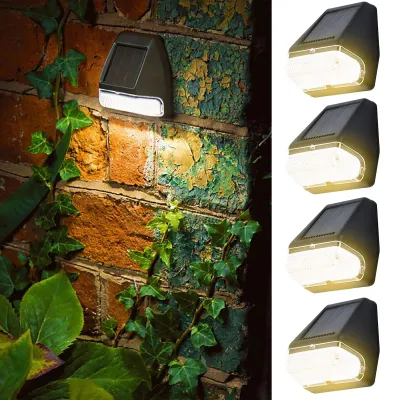
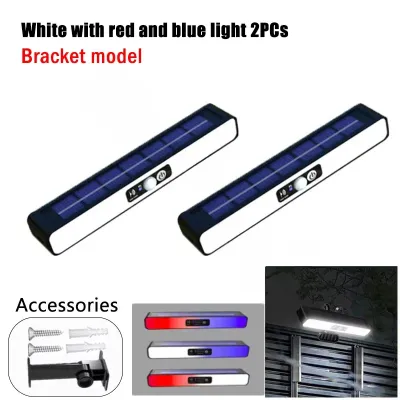
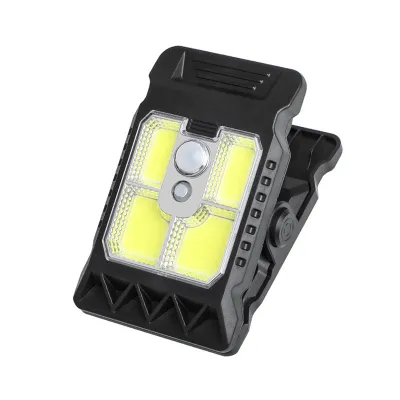

Prices are valid at publication and may change. Please refer to the product page for the latest price.
You will also need to check your current residential electricity tariff. You can find this rate, expressed in cents per kilowatt-hour (kWh), on your latest SP Group utility bill or through your chosen open electricity market retailer. Because tariffs can fluctuate quarterly, using the most recent rate ensures your calculations reflect current market conditions.
To calculate your baseline cost, use the standard formula: multiply the total fixture wattage by the daily operating hours, multiply by the number of days in the period (such as 365 days for an annual estimate), and multiply by your current tariff rate, then divide the entire sum by 1,000 to convert watt-hours to kilowatt-hours. This calculation gives you the exact running cost of your traditional wired setup, providing a clear benchmark for comparison.
Assessing the True Cost of Solar Outdoor Lights
While solar outdoor lights cost nothing to run daily, they require an upfront capital investment. You will need to review the purchase price of quality solar-powered fixtures, ensuring they are specifically rated for outdoor use and built to withstand tropical weather. Cheaper, low-quality models may fail quickly, leading to frequent replacement costs that erase any potential energy savings.

Long-term maintenance is another critical factor to consider. Unlike wired lights, solar fixtures rely on rechargeable batteries that degrade over time due to continuous charge and discharge cycles; you should check the manufacturer’s specifications for the expected battery lifespan and the availability or cost of replacement cells. If the battery is integrated and cannot be replaced, you will have to replace the entire fixture when the battery dies.
Installation constraints can also impact your overall budget. While solar lights eliminate the need for complex electrical wiring, you must ensure the chosen mounting location receives sufficient direct sunlight throughout the day to charge the battery fully. If a prime location is heavily shaded, you might need to purchase models with detached solar panels, which can increase the initial purchase price.
Ultimately, because daily operating costs are zero, the true financial benefit of switching to solar is determined by how quickly you can offset these initial purchase and battery replacement expenses. If the upfront cost of a high-quality solar system is too high, it may take several years of zero-emission operation to make the switch financially advantageous.
Determining Your Break-Even Point and Return on Investment
To find your break-even point, start by calculating your annual savings. Since solar lights have a running cost of zero, your yearly savings in S$ will simply be the total annual running cost of the wired lights you are replacing. If you are planning a new installation rather than replacing existing lights, this represents the avoided cost on your future utility bills.
Next, divide the total upfront cost of your new solar fixtures—including any replacement batteries you expect to buy over their operational life—by your calculated yearly savings. This calculation provides the exact number of years required to recover your initial investment. For example, if a solar setup costs S$150 and saves you S$50 a year in electricity, your break-even point is three years.
You should adjust this calculation based on how you use your lights. For instance, a security light that runs every single night will offer a much faster return on investment than decorative garden lights that you only switch on occasionally during weekend gatherings. Occasional-use lights consume very little electricity, meaning it will take much longer to recoup the cost of a solar alternative.
Finally, compare this calculated break-even timeframe with the physical lifespan of the solar fixtures. If the lights are expected to degrade or require complete replacement before you break even, the switch may not be financially viable, even if it reduces your monthly utility bill. Always weigh the physical durability of the product against the projected payback period.
Environmental and Installation Factors in Singapore
Singapore’s urban landscape presents unique challenges for solar collection. You must assess your wall or garden orientations for optimal sun exposure, taking into account potential shading from neighboring HDB blocks, high-rise condominiums, or mature trees in private estates. A solar panel placed in permanent shade will fail to charge, rendering the light ineffective.
Our tropical climate also plays a significant role in performance. Frequent cloud cover and heavy rainfall, particularly during the monsoon seasons, can drastically limit the amount of daily sunlight your solar panels receive, resulting in shorter nightly runtimes. You must accept that solar light performance will naturally fluctuate throughout the year based on weather patterns.
When selecting fixtures, compare the lumen output and light distribution of solar models against your existing wired LEDs. Solar lights often prioritize energy conservation, so you must verify that a solar model can deliver the brightness required for safety and visibility. Decorative style, perceived color temperature, and spatial effects are highly subjective, so choose a model that aligns with your aesthetic preferences while meeting your functional lighting needs.
Durability is essential in a hot, humid environment. Always verify the manufacturer’s IP (Ingress Protection) rating on the product label to ensure the fixture has adequate water and dust resistance to survive heavy tropical downpours without short-circuiting. Additionally, check the product’s voltage, base interface, wattage limits, and electrical certifications to ensure safe operation.
For any installation involving work at height, mounting on high walls, or integration with existing electrical systems, ensure you isolate the mains power before starting. If you are unsure about structural mounting, wind loads, or electrical safety, consult a qualified professional to prevent accidents or damage to your property.
Frequently Asked Questions (FAQ)
Do solar outdoor lights perform reliably during Singapore's monsoon seasons?
Solar lights rely entirely on stored battery energy, meaning consecutive overcast or rainy days during monsoon seasons will reduce their nightly illumination duration. When sunlight is limited, the battery cannot reach a full charge, which may cause the lights to dim early or fail to turn on.
To mitigate this, check product specifications for battery capacity and low-light charging efficiency before purchasing. Positioning the solar panels in the most open, unshaded areas of your property will help maximize whatever ambient light is available during cloudy periods.
Can solar lights provide sufficient brightness for security compared to wired options?
Many solar security lights can match the brightness of traditional wired options, but they do so conditionally. While hardwired floodlights can emit high lumens continuously, solar security lights typically rely on built-in motion sensors to conserve battery power.
These motion-activated models remain in a low-power dim mode or stay completely off until they detect movement, at which point they trigger a high-brightness beam. When choosing a security light, check the manufacturer’s specified detection angle, range, and lumen output to ensure it covers your driveway, gate, or pathway effectively.

Community discussion
Share your experience or ask a question. Comments are reviewed before publication.