
Quick Answer: Navigating Decorative Table Lamp Brands
Finding the ideal decorative table lamp depends on balancing visual character with structural integrity. There is no single brand profile that suits every household. Instead, the correct choice hinges on whether you prioritize heirloom-quality craftsmanship, avant-garde artistic forms, or standardized durability at an accessible price.
Heritage brands excel in traditional materials like hand-blown glass and solid brass, offering timeless aesthetic longevity. Contemporary design studios treat the lamp as a sculptural art piece, utilizing striking geometries and novel materials to create bold focal points. Meanwhile, established commercial brands provide reliable, mass-produced fixtures that deliver consistent performance, standard safety certifications, and versatile styling to suit diverse interior decors.
Categorizing Decorative Lamp Brands by Design Philosophy
To evaluate the vast market of decorative table lamps, it is highly practical to group manufacturers into three distinct categories based on their design philosophies and production methods.
Products mentioned in this guide
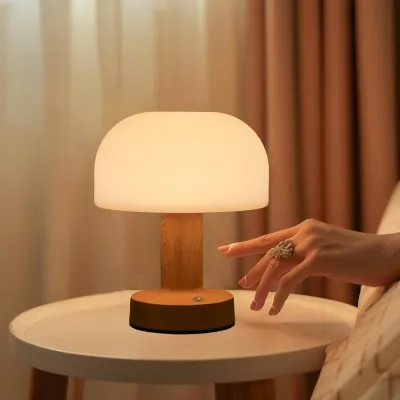
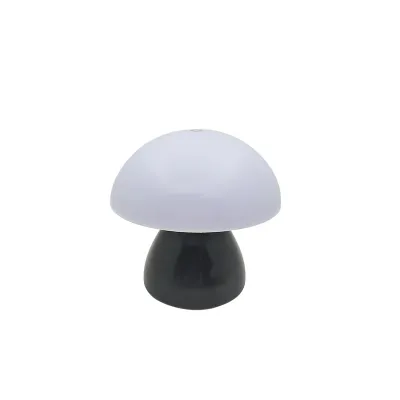
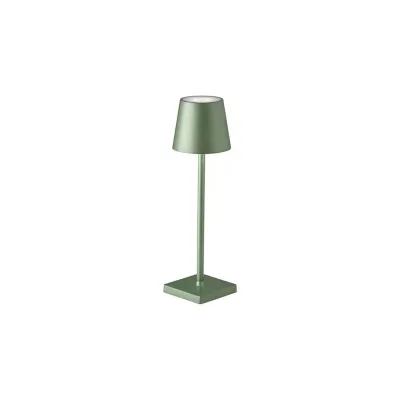
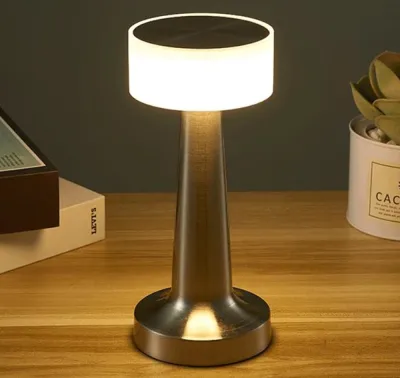
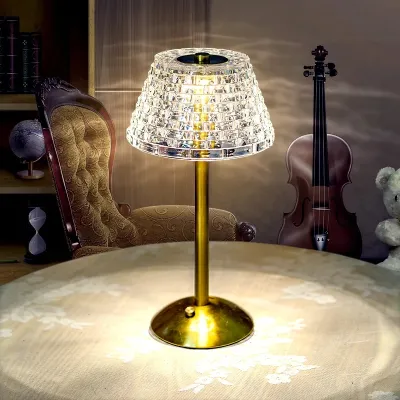
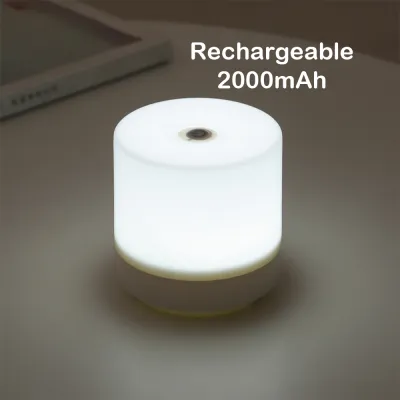
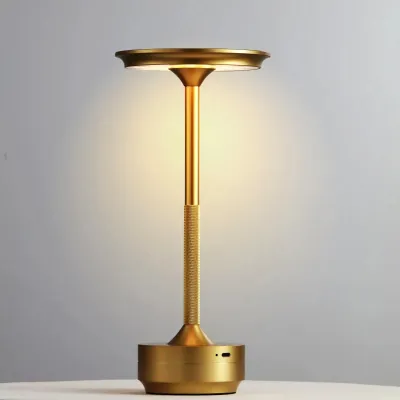
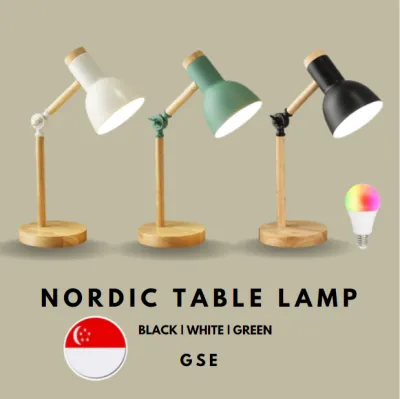
Prices are valid at publication and may change. Please refer to the product page for the latest price.

Heritage and Craftsmanship-Focused Brands These manufacturers anchor their identity in traditional craftsmanship, historical design archives, and premium natural materials. Production often involves artisanal techniques, such as hand-carving solid marble bases, mouth-blowing delicate glass shades, and manually polishing unlacquered brass stems. The resulting fixtures are characterized by their substantial physical weight, intricate detailing, and classic silhouettes that resist changing trends. These lamps are typically positioned as investment pieces or modern heirlooms designed to last for generations.
Contemporary and Sculptural Design Studios Design-led studios and independent design houses treat the decorative table lamp as a medium for artistic expression. Rather than adhering to conventional shapes, these brands experiment with bold geometries, asymmetrical balances, and unexpected material combinations—such as pairing raw concrete with polished chrome or using translucent polymers. Their philosophy prioritizes the lamp’s role as a standalone sculptural object that enhances a room’s visual narrative even when switched off.
Established Commercial and Accessible Brands Large-scale lighting manufacturers focus on high-volume production, trend adaptation, and reliable quality control. These brands closely monitor premium design trends and translate them into highly functional, mass-market alternatives. By utilizing standardized manufacturing processes, molded plastics, plated metals, and engineered wood, they offer consistent quality, reliable electrical components, and accessible pricing. These lamps are highly practical for homeowners seeking immediate, trend-aligned styling without the premium cost of artisanal craftsmanship.
Comparing Design Aesthetics and Visual Impact
The visual impact of a decorative table lamp is determined by its silhouette, material translucency, and how it directs light. Different brand philosophies create vastly different spatial atmospheres.
Heritage brands typically utilize classic proportions that bring a sense of balance and grounding to a space. They often feature traditional fabric shades (such as pleated linen or silk) or opal glass globes that diffuse light evenly, casting a soft, warm ambient glow across a room. This makes them highly effective for creating a cozy, formal, or transitional atmosphere in living rooms and bedrooms.
In contrast, contemporary design studios often prioritize form over wide-area illumination. Their fixtures may utilize opaque metal shades, directional apertures, or integrated LED strips hidden within geometric channels. This design approach creates dramatic, localized pools of light or accentuates the lamp’s own sculptural contours, making them excellent conversational focal points on consoles or sideboards, though less suited as primary ambient light sources.
Commercial brands offer the highest versatility, providing designs that easily integrate into popular interior styles, such as Scandinavian, industrial, or modern farmhouse. Their aesthetic impact is pleasant and balanced, designed to complement existing furniture rather than dominate the room’s visual hierarchy.
| Brand Category | Visual Weight | Style Versatility | Statement Factor | Primary Lighting Effect |
|---|---|---|---|---|
| Heritage & Craft | High (grounded, substantial) | Moderate (best in classic/transitional spaces) | High (due to material richness) | Soft, diffused ambient glow |
| Contemporary Studio | Variable (often light and sculptural) | Low to Moderate (requires modern pairing) | Very High (serves as an art piece) | Directional, dramatic, or localized accent |
| Established Commercial | Low to Moderate (streamlined) | High (fits diverse, evolving decors) | Moderate (blends with surroundings) | Functional ambient or task-focused light |
Evaluating Build Quality and Material Durability
A decorative table lamp’s longevity and tactile feel are directly tied to its material selection, structural engineering, and hardware components.
Material Selection and Aging The choice of primary materials determines how a lamp responds to time and environmental conditions. Heritage brands frequently use unlacquered brass, copper, or solid stone. Over time, unlacquered metals develop a rich, natural patina that reflects the home’s unique environment—a highly prized aesthetic trait among collectors. Conversely, commercial brands often rely on brass-plated steel or painted plastics to mimic these finishes. While pristine out of the box, plated finishes are susceptible to pitting, flaking, or wear in humid climates like Singapore’s, while low-grade plastics may yellow or become brittle under UV exposure or heat from the bulb.
Structural Integrity and Weight A lamp’s stability is a vital safety consideration, particularly in high-traffic areas or households with children and pets. Premium heritage and contemporary lamps feature heavy, solid-cast bases made of iron, marble, or thick glass that lower the center of gravity, preventing accidental tipping. The structural joints and stems of high-end fixtures are typically threaded and reinforced with metal collars. In contrast, budget-friendly commercial lamps may use lightweight, hollow metal tubes or glued plastic joints that can loosen, wobble, or strip their threads over time under daily handling.
Switchgear and Electrical Components The quality of the electrical hardware is often the clearest indicator of a lamp’s overall build standard. High-quality fixtures utilize robust inline rocker switches, smooth-turning rotary dimmers, or responsive touch-sensitive bases with solid tactile feedback. Their power cords are frequently wrapped in woven fabric, which offers both aesthetic appeal and resistance to kinking. Lower-tier commercial fixtures often employ lightweight plastic inline switches and thin PVC cords that can degrade, crack, or suffer from loose internal contacts after repeated use.
Crucial Specifications to Verify for Singapore Homes
Before integrating any decorative table lamp into your home, several technical and safety specifications must be verified to ensure seamless compatibility with Singapore’s infrastructure.
Voltage and Frequency Singapore’s electrical grid operates on a standard voltage of 230V at a frequency of 50Hz. When purchasing lamps from international brands or importing them directly from regions like North America (110V/60Hz) or Japan (100V), it is critical to verify that the lamp’s internal wiring, socket, and driver (for integrated LEDs) are rated for 230V. Connecting a 110V-only lamp directly to a Singaporean outlet will cause immediate component failure, posing a severe risk of short circuits, smoking, or electrical fire.
Plug Type and Safety Certification Lamps intended for use in Singapore must ideally be fitted with a three-pin Type G plug compliant with local safety standards. If a lamp arrives with a foreign plug, avoid using cheap, ungrounded multi-way adapters, which can overheat. Instead, use a high-quality, fused adapter or have a qualified electrician rewire the cord with a compliant Type G plug. Furthermore, when purchasing locally, look for the Enterprise Singapore SAFETY Mark on the appliance or its power adapter, indicating it has been tested and approved for safe domestic use.
Bulb Compatibility and Heat Management Always check the lamp holder type—most commonly E27 (screw), E14 (small screw), or GU10—and adhere strictly to the manufacturer’s maximum wattage rating. For decorative lamps featuring delicate shades made of paper, silk, parchment, or thin acrylic, the use of LED bulbs is strongly recommended. Traditional incandescent bulbs generate significant heat that can scorch, warp, or discolor delicate shade materials over time, whereas LEDs operate at much lower temperatures while consuming a fraction of the energy.
Decision Framework: Choosing the Right Brand Profile
To select the optimal decorative table lamp for your space, align your practical needs and aesthetic values with the following conditional framework:
Choose Heritage/Craft brands if:
- You view lighting as a long-term investment or a future family heirloom.
- You appreciate the tactile feel of heavy, authentic materials like solid stone, thick mouth-blown glass, and unlacquered metals.
- You prefer classic, symmetrical silhouettes that provide warm, highly diffused ambient light to soften a room.
Choose Contemporary/Sculptural brands if:
- The lamp is intended to be a primary visual focal point, conversation starter, or artistic statement on a console, mantle, or side table.
- Your home features minimalist, modern, or avant-garde interior architecture.
- You are comfortable with localized, dramatic lighting effects rather than wide-area illumination.
Choose Established Commercial brands if:
- You are decorating high-traffic areas, rental properties, or children's rooms where expensive materials present a damage risk.
- You want to easily match current, fast-evolving interior design trends without a major financial commitment.
- You require standard, certified electrical safety out of the box with easily replaceable, off-the-shelf bulb sizes.
Verify first if: Before making any purchase, measure the physical clearance of your target surface. Ensure the cord length comfortably reaches your wall outlet without creating a tripping hazard, and confirm that the physical switch type (such as an inline cord switch vs. a base switch) is easily accessible from your sitting or standing position.
Frequently Asked Questions (FAQ)
How can I tell if a decorative table lamp is made of solid brass or plated metal?
To determine if a lamp base or stem is solid brass, you can perform a simple magnet test. Pure brass is non-magnetic, so a magnet will not stick to it. If the magnet clings firmly to the surface, the lamp is constructed of a ferrous metal (like steel or iron) that has been brass-plated. Additionally, you can inspect the weight and wear points. Solid brass is exceptionally heavy and, if scratched lightly in an inconspicuous area, will reveal a consistent golden-yellow color throughout. Plated metals may show silver or grey steel underneath where the thin plating has worn away over time, particularly around threaded joints or screw threads.
Do heavier decorative lamps always indicate better build quality?
While physical weight often correlates with premium, durable materials like solid marble, cast iron, or thick hand-blown glass, it is not a universal indicator of superior build quality. Many high-end contemporary design studios utilize lightweight, high-performance materials such as anodized aerospace-grade aluminum, carbon fiber, or precision-molded PMMA (acrylic) to achieve complex, gravity-defying shapes. These materials offer exceptional structural integrity, impact resistance, and longevity despite their low physical weight. When evaluating quality, weight should be considered alongside material specifications, joint construction, and the refinement of the electrical components.
Can I use smart bulbs in any decorative table lamp?
Smart bulbs can be used in most decorative table lamps, provided the bulb’s base interface (such as E27 or E14) matches the lamp socket. However, there are three key physical constraints to verify. First, smart bulbs are often larger and heavier than standard bulbs due to their internal wireless receivers and drivers, which may prevent them from fitting inside narrow glass globes or under compact shades. Second, the white plastic collar at the base of many smart bulbs can block light or look unsightly if the bulb is fully exposed. Finally, smart bulbs should never be paired with lamps that have built-in rotary, slider, or touch-sensitive dimmers, as the conflicting dimming circuits can cause flickering, buzzing, or permanent damage to the bulb’s internal electronics.
Community discussion
Share your experience or ask a question. Comments are reviewed before publication.