
When choosing scented tealight candles, no single brand or wax type universally leads in both scent throw and burn quality. The market presents a clear trade-off: mass-market options typically deliver a strong, immediate fragrance throw at a lower cost, while premium and artisan alternatives prioritize cleaner combustion, complex fragrance profiles, and natural waxes. Your ideal choice depends on your specific environment, budget, and sensitivity to synthetic ingredients. Finding the perfect balance requires understanding how different waxes interact with fragrance oils and how your home’s layout affects scent dispersion.
Core Metrics for Comparing Scented Tealight Candles
To evaluate tealight performance objectively, you must look beyond brand marketing and examine the physical and chemical components that govern how a candle burns and disperses its fragrance.
Wax Composition: The base wax is the primary vehicle for holding and releasing fragrance. Paraffin wax, a petroleum byproduct, is highly popular because its molecular structure allows for a high fragrance load and rapid scent release when melted. In contrast, natural waxes such as soy, coconut, and beeswax possess denser molecular structures. While they burn cleaner and typically last longer due to their lower melting points, they require longer curing times and generally produce a more subtle, gradual scent throw.
Products mentioned in this guide
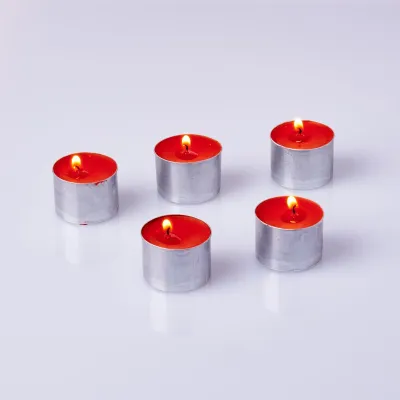
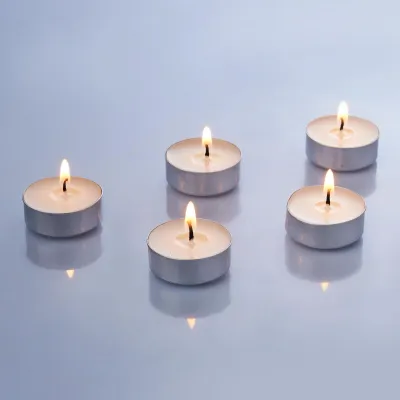
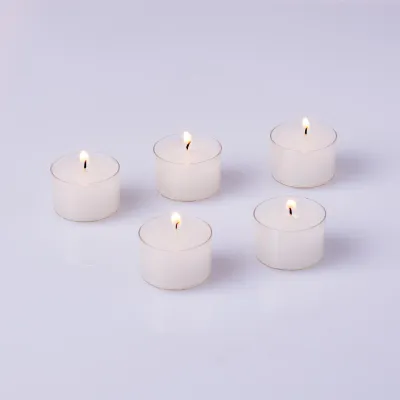
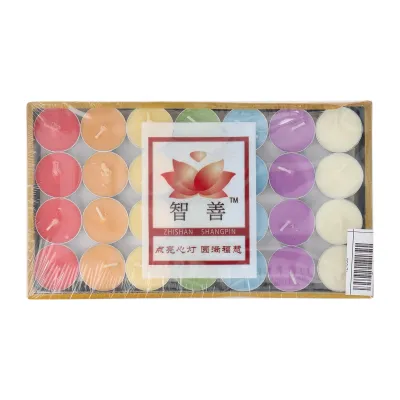
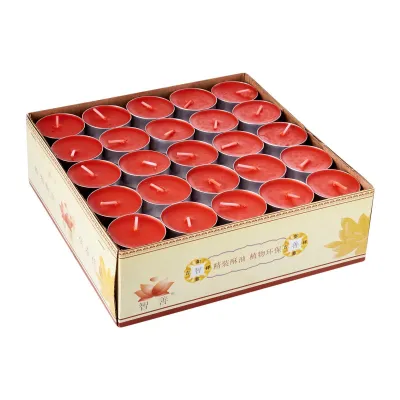
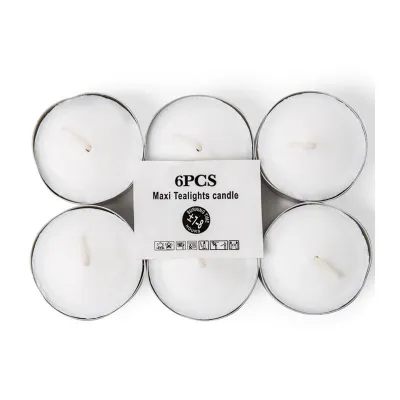
Prices are valid at publication and may change. Please refer to the product page for the latest price.
Fragrance Load and Type: Scent throw is heavily influenced by whether a manufacturer uses synthetic fragrance oils or natural essential oils, as well as the total fragrance oil concentration (usually between 6% and 12% of the wax weight). Synthetic fragrance oils are engineered for stability and high heat tolerance, yielding a robust hot throw (the scent emitted when the candle is lit). Essential oils, while offering natural aromatherapy benefits, are highly volatile and can degrade when exposed to direct flame, resulting in a much lighter, sometimes altered scent profile.
Wick Quality and Sizing: The wick acts as the engine of the tealight. Wicks made of high-quality flat-braided cotton, paper-cored cotton, or thin wood are designed to draw liquefied wax upward at a controlled rate. If a wick is too small, it cannot melt the wax to the edge of the cup, causing a phenomenon known as tunneling. If the wick is too large, it draws too much fuel, leading to a flickering flame, excessive soot, and rapid wax consumption.
Melt Pool Dynamics: A tealight’s scent throw is directly proportional to the surface area of its liquid melt pool. Because tealights are small—typically 38mm in diameter—they must achieve a full, edge-to-edge liquid pool quickly (usually within 30 to 45 minutes of lighting) to maximize scent dispersion. The physical design of the tealight cup, whether aluminum, polycarbonate plastic, or glass, also affects heat retention and how evenly the melt pool develops.
How Different Brand Tiers Typically Perform
Understanding how different brand tiers formulate their products allows you to set realistic expectations for their performance in your home.

Mass-Market and Big-Box Brands: Readily available at supermarkets and home furnishing stores across Singapore, mass-market tealights are highly budget-friendly, often costing between S$0.15 and S$0.40 per piece. These candles almost exclusively use refined paraffin wax paired with synthetic fragrance oils. The primary advantage is an immediate, intense hot throw that can quickly fill a room. However, the trade-off is a higher propensity for soot production, simpler and sometimes harsh chemical scent profiles, and inconsistent wick placement that can lead to leftover unburned wax.
Premium and Lifestyle Brands: Positioned in the mid-to-high price tier (ranging from S$1.00 to S$2.50 per tealight), premium brands often employ proprietary wax blends, such as a soy-paraffin mix. This hybrid approach seeks to capture the clean-burning benefits of natural wax while maintaining the superior scent-carrying capabilities of paraffin. These candles feature complex, multi-layered fragrance profiles developed by professional perfumers. While their hot throw is highly consistent, it may feel slightly less aggressive than pure paraffin options, focusing instead on a balanced, elegant ambiance.
Artisan and Small-Batch Brands: Hand-poured by local or specialized makers, artisan tealights represent the premium end of the market, often priced above S$2.50 per unit. These products prioritize 100% natural waxes—such as pure soy, coconut, or beeswax—and are frequently scented with high-grade, phthalate-free fragrance oils or pure essential oils. The clean burn is their outstanding feature, producing virtually no soot when trimmed correctly. However, users must accept a much softer, more intimate hot throw, a shorter shelf life (as natural oils can degrade over six to twelve months), and a higher cost per burn hour.
Matching Scent Throw to Your Space and Routine
A tealight that performs beautifully in one environment may fail or become overwhelming in another, making spatial and climatic context crucial.
Small, Enclosed Spaces: In confined areas such as bathrooms, small study rooms, or compact HDB bedrooms, a highly concentrated paraffin candle can quickly become overpowering, leading to sensory fatigue or mild headaches. For these spaces, the gentle, close-range throw of artisan natural-soy or beeswax tealights is highly recommended. They provide a subtle background aroma without saturating the air.
Open-Concept Living Areas: Larger, open-concept living and dining areas require a candle with a robust hot throw to overcome the volume of air. In these settings, premium blended candles or high-quality paraffin options are necessary. The fragrance must be strong enough to disperse across several meters, especially when competing with everyday household odors.
Climate Considerations: Singapore’s tropical climate plays a significant role in candle storage and performance. High ambient humidity and the frequent transition between warm outdoor air and air-conditioned indoor spaces can cause natural vegetable waxes to “sweat”—a process where natural oils separate and pool on the surface of the wax. To maintain wax stability and prevent fragrance degradation, store your tealights in a cool, dry, dark drawer rather than a humid bathroom or near a sunlit window. Additionally, active air circulation from ceiling fans or air-conditioning units will rapidly disperse the scent pool, meaning you may need to place multiple tealights strategically to achieve the desired fragrance level.
Decision Framework: Which Tealight Profile Should You Choose?
To simplify your purchasing decision, evaluate your primary goals against these specific user profiles.
Choose Mass-Market Paraffin Tealights if: Your primary goal is high-intensity scent projection on a modest budget. These are ideal for short-term use, outdoor gatherings, or quickly masking strong cooking odors in well-ventilated spaces where soot accumulation is less of a concern.
Choose Premium Blended Tealights if: You seek a sophisticated, multi-layered fragrance experience for daily relaxation or hosting guests. This category offers the most reliable balance of a clean, even burn and a highly noticeable but refined hot throw that complements your home decor.
Choose Artisan Natural-Wax Tealights if: You prioritize indoor air quality, have sensitive airways, or are prone to headaches from synthetic perfumes. These candles are perfect for mindfulness practices, yoga, or creating a subtle, clean-burning evening sanctuary.
Verify First if: You plan to use the tealights inside a decorative holder, lantern, or ceramic warmer. Always check the holder’s manufacturer instructions and the candle’s safety label first. Enclosed spaces trap heat, which can cause the wax to melt too quickly, potentially leading to a flash fire if the wax temperature exceeds its flash point. Ensure the vessel is heat-resistant and has adequate ventilation.
Observing Burn Quality and Safety Boundaries
Monitoring your tealights during use ensures both optimal fragrance performance and home safety.
Visual Checks: Observe the flame and wax pool during the first hour of burning. A healthy tealight should have a steady, teardrop-shaped flame and a completely liquid surface pool. If you notice black soot accumulating on the edges of the cup, a dancing or flickering flame, or a mushroom (a carbon buildup on the tip of the wick), extinguish the candle immediately. These are signs of draft interference, poor wick quality, or a wick that needs trimming to approximately 5mm before relighting.
Safe Usage: Always isolate burning candles from flammable materials and place them on a stable, heat-resistant surface. Never leave a burning tealight unattended, and keep them out of reach of children and pets. Ensure the aluminum or plastic cup remains structurally intact; a cracked plastic cup can leak liquid wax, posing a severe fire hazard. If you are using tealights in damp areas or elevated shelves, ensure there is no risk of accidental falls or water contact.
Proper Extinguishing: Avoid blowing directly onto a fully melted tealight, as this can splash hot wax and release a thick plume of soot and acrid smoke that ruins the lingering room fragrance. Instead, use a dedicated metal candle snuffer, or use a non-flammable tool to gently dip the lit wick into the liquid wax pool and pull it back up straight. This instantly smothers the flame without smoke and primes the wick with wax for its next use.
Frequently Asked Questions (FAQ)
Do unscented tealights burn longer than scented ones?
Yes, unscented tealights generally exhibit a slightly longer burn time than their scented counterparts. Fragrance oils, whether synthetic or natural, act as additional fuel and lower the overall melting point of the wax. When a candle is heavily loaded with fragrance, the wax melts more rapidly and burns at a slightly higher temperature, which accelerates the consumption rate of the wax pool.
Why does my scented tealight lose its smell after a few hours?
This phenomenon is typically caused by a combination of physical fragrance depletion and olfactory fatigue. As a tealight burns, the highly volatile top notes of the fragrance oil evaporate first, leaving behind the subtler middle and base notes. Simultaneously, your brain naturally adapts to constant sensory inputs; after 30 to 45 minutes in a scented room, your olfactory receptors temporarily tune out the fragrance—a state often called nose blindness.
Can I use scented tealights in a wax warmer?
No, you should never place a standard, wick-containing scented tealight directly onto or inside a wax warmer designed for melting wax melts. Heating a wick-containing candle from the bottom can cause the entire wax pool to overheat rapidly, potentially reaching its flash point and igniting the entire surface. For wax warmers, always use dedicated, wickless wax melts or tarts, and only use unscented, metal-cup tealights as the heat source in the bottom chamber of ceramic tea-light warmers, strictly following the warmer’s safety instructions.
Community discussion
Share your experience or ask a question. Comments are reviewed before publication.