
Selecting the ideal table lamp for study and desk work is not about finding a single, universally perfect model. Instead, it is about matching a brand’s design philosophy and optical engineering to your specific working habits, desk layout, and visual needs. The market is saturated with options, ranging from basic utility fixtures to highly sophisticated smart lamps and heavy-duty architectural models. To make an informed decision, you must understand how different brand categories approach the fundamental task of illuminating a work surface.
Generally, table lamp manufacturers fall into three distinct categories: premium ergonomic and architectural brands, tech-integrated and smart lighting brands, and value or everyday utility brands. Each category serves a specific user profile. For instance, a student cramming for exams over physical textbooks requires different optical coverage and physical adjustability than a software engineer working late at night with multiple high-definition screens. By identifying your primary desk activities and physical space constraints, you can narrow down which brand category will offer the most comfortable and productive lighting environment.
Evaluating Table Lamp Performance: Core Comparison Dimensions
Optical Performance and Light Quality
Color Rendering Index (CRI or Ra) measures how accurately a light source reveals the true colors of objects compared to natural daylight. For desk work, a high CRI is critical. Look for brands that specify a CRI of 90 or higher, especially if your work involves design, art, or color-matching. For standard reading and writing, a CRI of 80 or above is generally sufficient to prevent visual fatigue.
Products mentioned in this guide
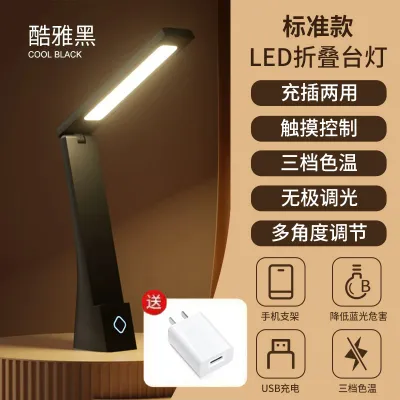
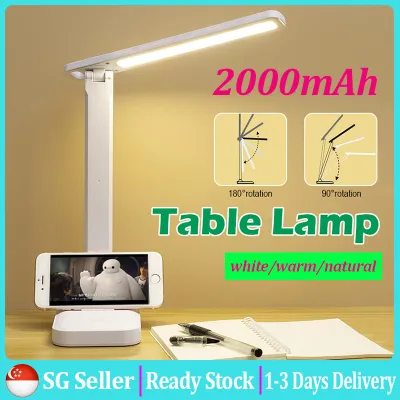
![[SG Local Stock] 2000mAh LED Table Lamp Study Foldable Desk Light Bedroom Bedside Touch Control Dimmable USB Rechargeable 台灯 CNY Gift Present](https://img.lazcdn.com/g/p/254b9aa79170e7ac80d5ab37505c1212.jpg_400x400q80.jpg_.webp)
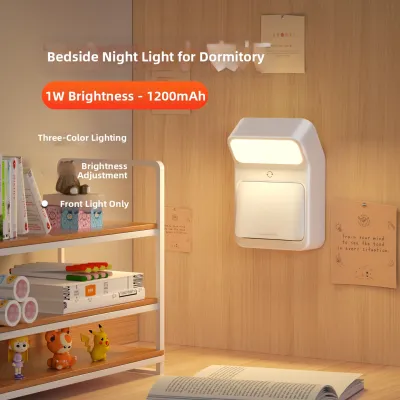
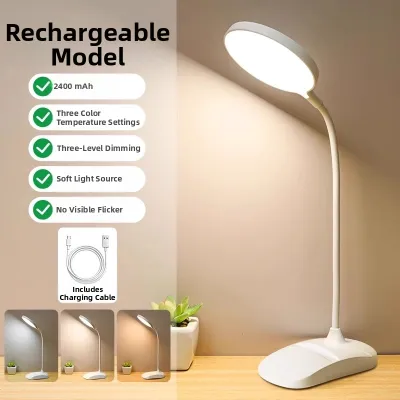
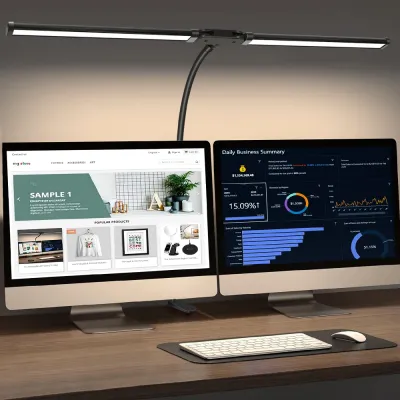
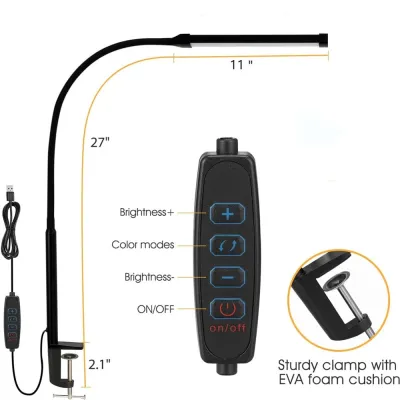
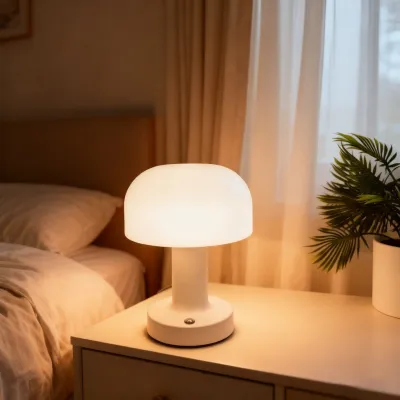
Prices are valid at publication and may change. Please refer to the product page for the latest price.
Color temperature is measured in Kelvin (K). A versatile table lamp should offer adjustable color temperatures. Warm light (around 2700K to 3000K) is relaxing and ideal for late-night reading as it minimizes blue light exposure, which can disrupt sleep cycles. Neutral or cool white light (4000K to 5000K) mimics daylight and promotes alertness, making it the optimal setting for intense study sessions or detail-oriented tasks. Cool daylight (6000K and above) provides high contrast but can feel harsh over extended periods.
Illuminance, measured in lux, refers to the amount of light that falls on a specific surface area. A good study setup requires at least 500 lux on the primary work zone. However, raw brightness is not enough; light uniformity is equally important. Brands that focus on optical engineering design their lamps to distribute light evenly across the desk, avoiding harsh hotspots of intense light surrounded by deep shadows, which forces the pupils to constantly dilate and constrict, leading to rapid eye strain.
Invisible flicker from low-quality LED drivers can cause headaches, eye strain, and general fatigue even if you cannot consciously perceive it. High-quality brands utilize advanced direct current (DC) drivers to deliver flicker-free illumination. Additionally, glare control is vital. Look for lamps with physical louvers, polarizing filters, or frosted diffusers that prevent direct light from reflecting off glossy book pages or computer screens into your eyes.
Physical Ergonomics and Adjustability
The physical geometry of a table lamp dictates how effectively it can position light exactly where you need it. Premium architectural brands often feature multi-jointed, counterbalanced arms with spring-tensioned mechanisms that allow you to glide the light source smoothly into position with one hand. Cheaper models may rely on simple friction joints that require manual tightening and can wear out or sag over time.
Consider how the lamp interfaces with your desk. A heavy, weighted base provides excellent stability and allows you to place the lamp anywhere on the flat surface, but it occupies valuable desk real estate. Conversely, a clamp or grommet mount attaches directly to the edge of the desk, freeing up almost all your workspace. However, clamp mounts require a sturdy desk edge and are not compatible with desks that have closed back panels or delicate glass tops.
The ability to tilt, rotate, and swivel the light head independently of the arm is crucial for directing light away from your eyes while fully illuminating your work. A light head that only moves up and down limits your ability to block glare, especially when switching between reading a physical book on your desk and typing on a vertical computer monitor.
Smart Integration and Convenience Features
Some modern table lamp brands integrate ambient light sensors that continuously monitor the brightness of the surrounding room. These sensors automatically adjust the lamp’s output to maintain a constant, pre-set level of illumination on your desk, compensating for fading daylight or turning on overhead lights.
To save energy and add convenience, certain high-tech brands include infrared occupancy sensors. The lamp automatically turns on when you sit down at your desk and shuts off after a set period of inactivity, ensuring you never accidentally leave the light burning overnight.
Smart lamps often connect to your home Wi-Fi or Bluetooth network, allowing you to customize schedules, set timers, and adjust brightness or color temperature via a smartphone app or voice commands. While convenient, verify if the brand’s software is regularly updated and whether the lamp can still be operated fully using physical controls on the device itself if network connectivity fails.
Many contemporary desk lamps feature integrated USB-A or USB-C charging ports, or even wireless Qi charging pads built directly into the base. This helps reduce cable clutter on your desk, though you should verify the output wattage of these ports to ensure they can charge your specific devices at reasonable speeds.
Material Build Quality and Longevity
The materials used in construction directly impact both the aesthetic appeal and the operational lifespan of the lamp. Premium brands heavily feature anodized aluminum, zinc alloys, and high-grade steel, which resist wear, dissipate heat efficiently, and maintain structural integrity over years of daily adjustment. Value-oriented brands rely more on plastics, which can become brittle over time, especially when exposed to the heat generated by the light source.
Since most modern study lamps feature integrated LEDs that cannot be easily replaced by the user, the longevity of the light source is paramount. LEDs are highly sensitive to heat; poor heat dissipation will rapidly degrade the light output and shorten the lifespan of the diodes. Look for brands that incorporate metal heat sinks or hollow arm designs that facilitate passive cooling. A well-engineered LED desk lamp should offer an expected lifespan of 25,000 to 50,000 hours of operation.
Before purchasing, check the manufacturer’s track record for after-sales support. If a proprietary power adapter fails or a joint tension screw is lost, premium brands are far more likely to offer individual replacement parts and dedicated customer service, whereas value brands often treat the entire unit as disposable once a single component fails.
How Different Brand Categories Approach Desk Lighting
Premium Ergonomic and Architectural Brands
Premium ergonomic and architectural brands prioritize physical adjustability, optical precision, and structural durability above all else. These manufacturers design lamps that serve as heavy-duty tools for professionals and serious students who spend long hours at a desk. Their product lines are characterized by extensive mechanical arms, counterbalanced springs, and highly sophisticated optical diffusers that spread light uniformly across a large surface area.

These brands excel at delivering high-quality, flicker-free light with exceptional color rendering (often CRI 95+), making them the preferred choice for architects, artists, and anyone reading dense, physical textbooks. The optical design is engineered to cast wide, soft light that minimizes harsh shadows and eliminates direct glare.
The primary trade-offs associated with premium architectural brands are their physical footprint and their cost. These lamps often require substantial desk space to accommodate their heavy bases or complex clamp systems. Furthermore, their high-end materials and mechanical complexity command a significant price premium, making them a long-term investment rather than a casual purchase.
Tech-Integrated and Smart Lighting Brands
Tech-integrated and smart lighting brands focus on automation, digital connectivity, and seamless integration into modern smart home ecosystems. These manufacturers design lamps that appeal to tech-savvy users, remote workers, and students who utilize multiple digital screens alongside traditional paper documents.
The standout feature of these brands is their ability to dynamically adapt to your environment. Many models feature built-in ambient light sensors that automatically adjust brightness throughout the day, ensuring your eyes do not have to strain as natural light fades. They also offer robust app integration, allowing you to program custom schedules, sync the lighting color temperature with your computer screen, or control the device via smart assistants.
However, readers should carefully consider the long-term viability of tech-dependent lamps. These products rely heavily on proprietary software and mobile applications; if the manufacturer stops updating the app or discontinues cloud support, the smart features may become obsolete. Additionally, the physical adjustability of smart lamps is occasionally sacrificed in favor of a sleek, minimalist aesthetic, meaning they may not offer the same precise mechanical positioning as dedicated architectural models.
Value and Everyday Utility Brands
Value and everyday utility brands focus on delivering essential task lighting at an accessible price point. These manufacturers cater to students on a budget, temporary setups, or secondary desks where complex features and premium materials are not strictly necessary.
Lamps in this category are typically compact, lightweight, and straightforward to operate. They often feature simple touch controls, a few basic brightness steps, and a flexible gooseneck or single-jointed arm. Despite their low cost, many modern value brands still offer decent LED light quality, including basic color temperature adjustments and acceptable CRI levels (usually around 80).
The limitations of value brands lie primarily in their material construction and optical refinement. To keep costs low, these lamps rely heavily on plastic components, which can feel flimsy and may sag or break under frequent adjustment. The optical diffusers are often basic, which can result in more localized, intense light pools (hotspots) and higher levels of glare compared to premium models. They are best suited for smaller desks and shorter study sessions where advanced ergonomics are less critical.
Decision Framework: Matching Brand Strengths to Your Setup
- Choose a premium ergonomic brand if: Your daily routine involves hours of reading physical textbooks, drafting, sketching, or performing detailed manual work. These brands are also ideal if you have a large desk surface (e.g., wider than 120 cm) that requires wide, uniform light coverage to prevent dark spots, or if you suffer from neck or eye strain and need a highly adjustable arm that can position the light head precisely to block direct glare.
- Choose a tech-integrated brand if: Your desk setup is highly digital, featuring multiple monitors, laptops, or tablets, and you want a lamp that can balance its output to reduce screen glare. They are also perfect if you prefer automated convenience, such as a lamp that turns on when you sit down and automatically adjusts its brightness as daylight changes, or if you already have an established smart home ecosystem and want to control your desk lighting via voice commands, schedules, or smartphone apps.
- Choose a value brand if: You have limited desk space or are furnishing a small, secondary study nook. These models are suitable if you only require straightforward, focused task lighting for short periods and do not need complex mechanical adjustments or smart features, or if you are working within a strict budget but still want safe, reliable LED light that avoids the extreme flicker of unbranded, low-quality fixtures.
- Verify first if: Your specific desk setup will accommodate the lamp's mounting style. Check if your desk has a thick edge or a back lip that might block a clamp-on model. Furthermore, if you already have a light bar mounted on top of your screen, a traditional arm lamp might be redundant or cause overlapping shadows. Ensure the two light sources complement each other rather than competing for space and creating visual clutter.
Pre-Purchase Checks: Safety, Compatibility, and Warranties in Singapore
Electrical Compatibility
Before purchasing any table lamp, especially when ordering online from international retailers, you must verify its electrical specifications. In Singapore, the standard domestic electricity supply is 230 volts AC at a frequency of 50 Hz. Ensure that the lamp’s power adapter or built-in driver is rated for this voltage range (typically labeled as 100V–240V or 220V–240V).
Avoid importing models designed exclusively for 110V markets (such as North America) without using a dedicated step-down transformer, as plugging a 110V appliance directly into a Singaporean wall socket can destroy the electronics and pose a severe fire hazard. Additionally, verify that the power adapter comes with a compatible Type G plug (the standard three-pin plug used in Singapore) or a safe, certified adapter.
Safety Marks
For peace of mind and home safety, look for recognized electrical safety certifications. In Singapore, controlled electrical goods—including the AC power adapters supplied with many LED desk lamps—must carry the SAFETY Mark issued by Enterprise Singapore. This mark indicates that the product has been tested to meet stringent safety standards, reducing the risk of short circuits, electrical fires, or shocks. If purchasing from international platforms, look for equivalent international certifications such as CE, UL, or CB, and verify their authenticity on the manufacturer’s official documentation.
Desk Mounting and Weight
Physical compatibility with your furniture is another critical check. If you decide on a heavy architectural lamp with a weighted base, ensure your desk is sturdy enough to support the concentrated load without bowing. For clamp-on models, measure the thickness of your desk edge and compare it against the clamp’s maximum opening specification.
Be particularly cautious if you have a desk made of tempered glass, thin particle board (MDF) with a hollow core, or delicate wood veneers. Clamping a heavy, high-tension arm lamp onto these materials can crack the glass or crush the hollow core if tightened too much. Always consult the lamp’s installation manual and your desk manufacturer’s guidelines before mounting.
Warranty and Support
A high-quality study lamp is a long-term investment. Always review the local warranty terms before finalizing your purchase. A reputable brand should offer at least a one-year local warranty, with some premium manufacturers providing up to five years of coverage.
Verify whether the warranty is supported locally in Singapore or if you would need to ship the unit overseas for repairs, which can be costly and time-consuming. Additionally, check the availability of replacement parts, such as proprietary power bricks or mounting clamps, to ensure your lamp remains functional even if a single component fails after the warranty period.
Frequently Asked Questions (FAQ)
Are monitor light bars better than traditional desk lamps for studying?
Monitor light bars and traditional desk lamps serve different primary functions. A monitor light bar mounts directly to the top of your screen, casting an asymmetrical beam of light downward to illuminate the keyboard area without reflecting off the screen or taking up valuable desk space. This makes them ideal for purely digital work. However, for studying that involves reading physical textbooks, writing on paper, or drawing, a traditional desk lamp is generally superior. Traditional lamps offer a wider, adjustable range of motion, allowing you to position the light source to eliminate hand shadows and cover a much larger physical workspace.
Do I need a high CRI table lamp for reading and studying?
While a high Color Rendering Index (CRI) of 90 or above is not strictly mandatory for basic reading and writing, it is highly beneficial. High CRI light renders colors accurately, making text on paper appear sharper and reducing the subtle visual fatigue that occurs during long study sessions. If your studies or work involve design, architecture, medical diagrams, or any color-critical tasks, a high CRI table lamp is essential. For general text-based studying, a standard CRI of 80 is acceptable, but choosing a higher CRI model will provide a more comfortable and natural visual experience over extended periods.
How do I clean and maintain the joints on an adjustable desk lamp?
To keep your adjustable desk lamp operating smoothly and safely, regular maintenance is recommended. Always unplug the lamp from the electrical outlet before cleaning to prevent any risk of shock. Wipe down the metal or plastic arms and joints using a dry or slightly damp microfiber cloth; never use harsh chemical solvents, abrasive cleaners, or excessive water, which can damage the finish or seep into the electrical wiring. If the joints become stiff or loose, consult the manufacturer’s manual for specific instructions on adjusting the tension screws. Avoid forcing a joint beyond its natural range of motion, as this can snap internal wiring or damage the mechanical tension springs.
Community discussion
Share your experience or ask a question. Comments are reviewed before publication.