
Applying kumkum to a Buddha statue is a sacred act of devotion, symbolizing mindfulness, respect, and the awakening of inner wisdom. While this ritual is deeply rooted in daily worship, executing it correctly requires a careful balance between spiritual reverence and material preservation. In Singapore’s warm, highly humid climate, moisture and fine powders can interact unpredictably with various statue finishes. Applying kumkum incorrectly can lead to permanent staining, paint degradation, or structural damage. Understanding the physical properties of your statue and using the right application techniques ensures your sacred icon remains beautiful and structurally sound for generations of daily practice.
Checking Your Statue's Material Compatibility
Before incorporating kumkum into your daily worship routine, you must evaluate the material of your Buddha statue. Different materials react uniquely to the chemical composition of kumkum, which traditionally consists of turmeric and an alkaline substance like slaked lime or alum.
Brass and bronze statues are highly durable but chemically reactive. The alkaline nature of traditional kumkum, when combined with ambient humidity, can react with the copper alloys in these metals. This reaction often leads to localized tarnishing, dark spots, or the formation of green copper carbonate, commonly known as verdigris.
Products mentioned in this guide
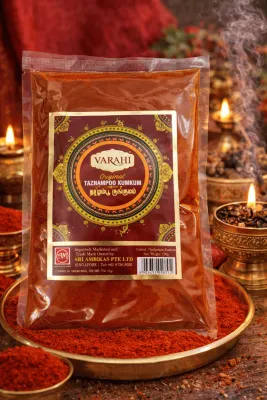
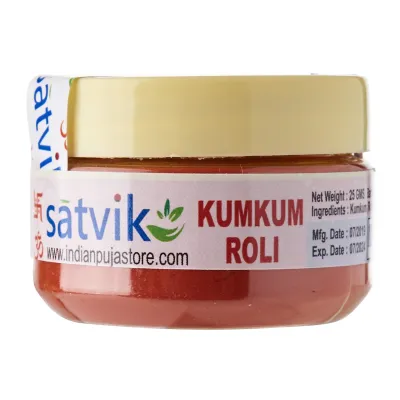
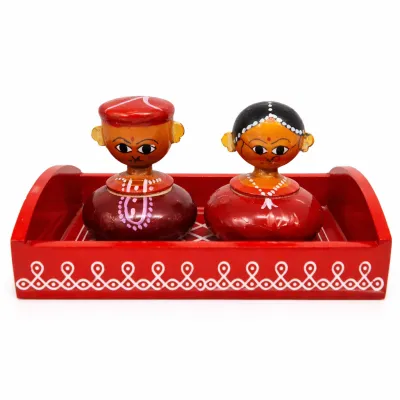
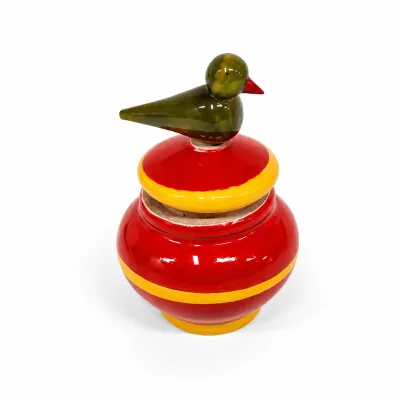
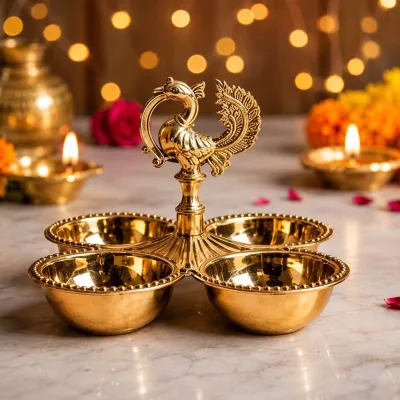
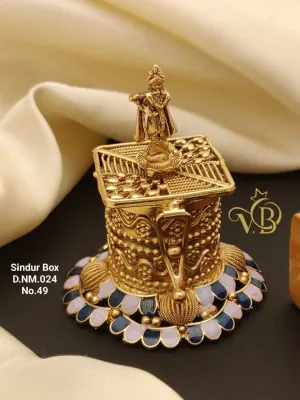

Prices are valid at publication and may change. Please refer to the product page for the latest price.
Resin and polymer composite statues are incredibly popular for modern home altars. While the resin itself is non-porous, these statues are almost always finished with layers of acrylic paint, lacquer, or gold leaf. The pigments in kumkum can chemically bind with these paint layers, leading to deep, permanent staining that cannot be removed without stripping the paint.
Wooden statues, whether carved from sandalwood, teak, or other timber, are highly porous. Unsealed wood acts like a sponge, drawing the fine red powder deep into its grain. Even if the wood is sealed with a varnish, micro-cracks can develop over time, allowing moisture and pigment to seep in, which can cause localized wood rot, swelling, or warping.
Ceramic and stone statues present varying levels of risk. Glazed ceramic is highly resistant and easy to clean, making it one of the safest materials for daily powder application. However, unglazed ceramic, terracotta, and porous stones such as marble, sandstone, or soapstone possess high capillary action. These materials will absorb the red pigment deep into their microscopic pores, leaving a permanent shadow.
To protect your statue, always check the manufacturer’s care instructions, product labels, or material tags for specific warnings against powders, oils, or moisture. If the material or finish is unknown, plan a discreet spot test. Select an inconspicuous area, such as the back of the base or behind a fold of the robe. Apply a tiny speck of kumkum, leave it for twenty-four hours, and then gently wipe it away with a dry cloth. If you observe any discoloration, stickiness, paint lifting, or texture changes, stop immediately. This indicates the material is incompatible with direct powder application, and you should explore alternative, non-contact offering methods.
Preparing Your Space and Application Tools
Creating a clean, respectful environment and gathering the correct tools are essential steps to ensure your daily worship is both spiritually fulfilling and physically safe for your statue.

First, select appropriate, non-abrasive application tools. Avoid using rough cloths, metal applicators, or stiff brushes, as these can micro-scratch the statue’s surface over time. Instead, opt for clean cotton swabs, soft dedicated makeup brushes, or thoroughly washed and dried fingertips. A soft brush is particularly useful because it allows for a feather-light touch, minimizing physical pressure on delicate finishes.
Before applying any powder, ensure the statue’s surface is completely dust-free and dry. In Singapore’s humid climate, dust quickly combines with ambient moisture to form a sticky, microscopic film on household objects. If you apply kumkum directly over this film, the powder will mix with the dust and moisture, creating a muddy smudge. This smudge is not only difficult to clean but can also act as a mild abrasive when wiped, scratching painted or gilded surfaces. Gently dust the statue with a dry, clean microfiber cloth before beginning your ritual.
Finally, prepare a small, dedicated container for the kumkum. Do not dip your application tools directly into your main storage jar. Instead, transfer a tiny amount of the powder into a small brass, ceramic, or stone offering dish. This practice prevents cross-contamination from sweat, skin oils, or dust, keeping your main supply of kumkum pure, dry, and free from moisture-induced spoilage.
Step-by-Step Guide to Applying Kumkum
Applying kumkum during daily worship should be a mindful, gentle process. By focusing on precise placement and soft techniques, you can honor your spiritual practice while protecting the physical integrity of the statue.
The most traditional and respectful placement area is the center of the forehead, often referred to as the urna or the mark of spiritual awakening. In Buddhist iconography, this spot represents the third eye, symbolizing vision, wisdom, and spiritual insight. Depending on your specific lineage, sectarian tradition, or personal guidance, you might also choose to place a small mark at the base of the statue or on the feet as a sign of deep humility and devotion. Always align your placement with the customs of your specific practice.
When applying the powder, use a gentle dabbing or rolling technique. If you are using a cotton swab or your ring finger, press the powder lightly onto the designated spot and lift directly upward. Avoid rubbing, sliding, or grinding the powder into the surface. Rubbing acts as a mechanical abrasive, which will gradually wear down delicate gold leaf, lacquer, or hand-painted details, eventually exposing the raw material underneath.
Special precautions must be taken if you prefer to mix the kumkum with water, oil, or sandalwood paste to help it adhere. While a wet paste creates a more defined mark, introducing moisture carries significant risks. In Singapore’s tropical climate, trapped moisture under an oily or wet paste can easily lead to mold growth, wood rot, or accelerated metal corrosion. If your tradition requires a wet application, use the absolute minimum amount of liquid—just enough to make the powder slightly damp, not wet. Ensure the paste is applied in an extremely thin layer so it dries rapidly. For highly delicate, painted, or antique statues, it is safest to stick strictly to dry powder application.
Safe Removal and Long-Term Maintenance
Over time, daily applications of kumkum will inevitably build up, creating a thick, crusty residue. This buildup can trap moisture and dust against the statue’s surface, leading to long-term material degradation. Establishing a regular, safe cleaning routine is vital to preserve your sacred icon.
For routine maintenance, use a dry, soft microfiber cloth or a clean, dry, soft-bristled brush to gently sweep away loose powder. Microfiber is highly effective because its split fibers trap fine particles without requiring heavy physical pressure. If you encounter stubborn residue on a sealed surface, such as glazed ceramic or polished brass, you may use a slightly damp microfiber cloth. Wipe gently in a single direction, and immediately follow with a dry cloth to remove any trace of moisture. Strictly avoid using harsh household detergents, chemical solvents, or abrasive scrubbing pads, as these will instantly strip protective lacquers, acrylic paints, and gold leaf.
During your cleaning routine, closely monitor the statue for signs of material distress. Watch for sticky residue (which indicates the paint or resin is breaking down), paint lifting or flaking, wood warping or cracking, or green and dark spots on metal surfaces. If you observe any of these signs, stop your current application and cleaning methods immediately. Continuing to apply powder or moisture to a compromised surface will accelerate the damage.
For antique, heavily painted, or highly delicate statues—especially those adorned with genuine gold leaf or intricate lacquerware—do not attempt deep cleaning or stain removal yourself. The risk of stripping away historical or sacred finishes is extremely high. Instead, consult a professional restorer or conservator who specializes in religious artifacts. They possess the specialized tools and knowledge required to safely clean the buildup without compromising the statue’s structural or spiritual integrity.
Frequently Asked Questions (FAQ)
Can I use regular cosmetic kumkum for my Buddha statue?
Cosmetic kumkum and traditional ritual kumkum have very different ingredient profiles. Cosmetic versions are formulated for human skin and often contain synthetic dyes, binding agents, parabens, or skin-softening oils to help the powder adhere to the skin. While safe for personal use, these chemical additives can react aggressively with statue finishes, causing permanent chemical staining or softening protective lacquers. Traditional ritual kumkum, on the other hand, is typically made from natural ingredients like turmeric and lime juice, or pure mineral pigments. Always check product labels for synthetic additives. For sacred statues, it is highly recommended to use pure, traditional ritual-grade powders free from synthetic oils and dyes to minimize the risk of chemical damage.
What should I do if the kumkum stains the statue's forehead?
If a stain occurs on a sealed, non-porous surface like glazed ceramic or highly polished brass, try wiping it gently with a barely damp microfiber cloth dipped in warm water, followed immediately by a dry cloth. Do not scrub. If the statue is made of painted wood, resin, or unsealed stone, the pigment has likely penetrated the material’s pores. In this case, attempting to scrub or use household cleaners will only spread the stain or strip the paint. Establish a clear stop-condition: if a gentle wipe does not remove the stain, leave it alone. Seek professional conservation advice rather than risking irreversible damage to the face of the deity.
Is it necessary to apply kumkum every day?
Daily application is a matter of personal devotion and specific sectarian traditions rather than a universal mandate. If you find that daily application is causing wear, paint thinning, or staining on a delicate, antique, or highly valued statue, it is entirely respectful to adjust your practice. You can choose to apply kumkum only on special auspicious days or festival occasions. Alternatively, you can offer devotion through non-contact practices, such as placing flowers at the base, lighting a candle or oil lamp nearby, or offering incense, thereby preserving the physical integrity of the statue while maintaining a dedicated daily worship routine.

Community discussion
Share your experience or ask a question. Comments are reviewed before publication.