
To properly arrange and use a Buddha offering plate on your home altar, place the plate directly in front of and slightly below the level of the Buddha statue’s hands or lap. The plate should hold clean, plant-based offerings like fresh fruits, flowers, or vegetarian sweets, arranged neatly to maintain visual balance. Maintaining this space involves daily cleaning, replacing perishable items before they spoil, and keeping the altar elevated, stable, and separate from everyday household activities.
Establishing a home altar creates a dedicated space for mindfulness, reflection, and gratitude. The offering plate, or tribute dish, serves as a physical focal point for these intentions, representing the cultivation of generosity and the temporary nature of material things. By understanding the traditional placement and care of this sacred vessel, you can maintain a harmonious environment that supports your daily spiritual practice.
Preparing Your Altar Space and Offering Plate
Before placing any items on your altar, the physical environment must be thoroughly cleaned and prepared. A clean space reflects a clear mind and shows respect for the practice. Begin by wiping down the altar surface using a dedicated cloth that is kept exclusively for this purpose. Avoid using household rags that have been used to clean floors, kitchens, or bathrooms, as keeping altar tools separate preserves the sanctity of the space.
Products mentioned in this guide
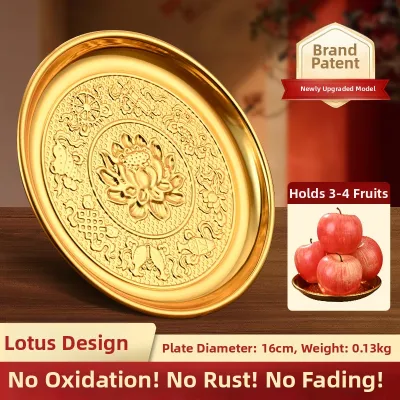
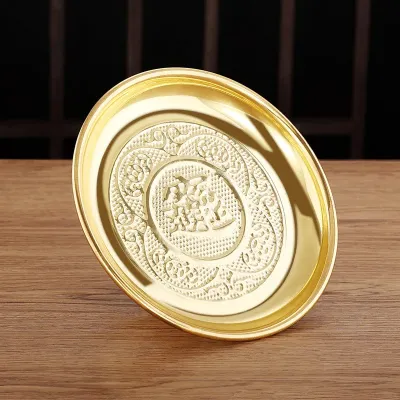
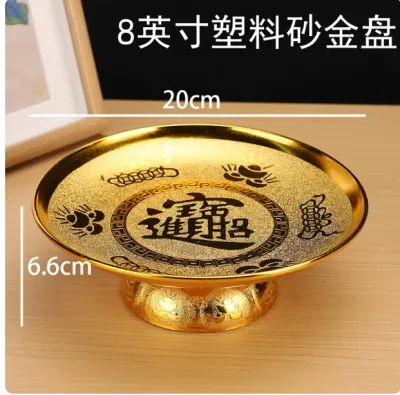
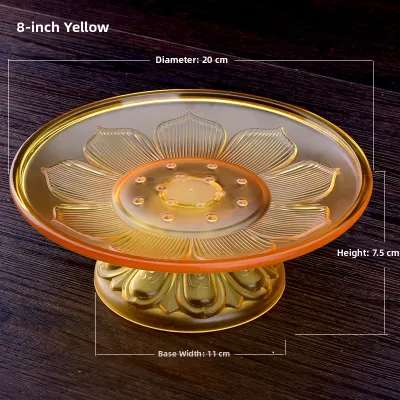
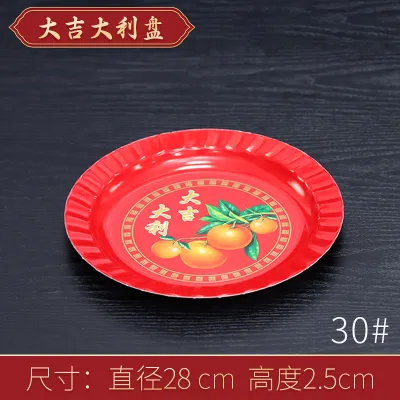
Prices are valid at publication and may change. Please refer to the product page for the latest price.
The location of your altar plays a significant role in maintaining a peaceful atmosphere. Choose an elevated, stable surface in a quiet area of your home, away from heavy foot traffic, noisy appliances, and household distractions. In typical residential layouts, such as apartments in Singapore, placing the altar in the living room facing the main entrance or a window is common, provided it is kept away from adjacent toilets, shoe racks, or trash bins. The altar should ideally be positioned above waist height so that you look slightly upward when standing or sitting before it.
When selecting your offering plate, consider the material and its maintenance needs. Ceramic and porcelain plates are highly popular due to their smooth, easy-to-clean surfaces, while brass or bronze plates offer a traditional, reflective quality that complements warm altar lighting. If you choose metal plates, be prepared to polish them periodically with dedicated cleaners to prevent tarnish. Inspect your offering plate carefully before each use, looking for any visible cracks, deep scratches, chips, or discoloration that might compromise its structural integrity or aesthetic appeal.
To enhance the serene atmosphere of your altar, consider the surrounding lighting and decor. Soft, warm ambient lighting, such as low-wattage LED altar lamps or warm-toned spotlights, can highlight the offering plate and statue without creating harsh shadows. If you use electric lamps, ensure that all wiring is safely routed behind the altar stand, keeping cords completely clear of the offering plate and water cups to prevent electrical hazards or accidental spills.
Positioning the Offering Plate on Your Altar
The arrangement of items on a Buddhist altar follows a clear hierarchical structure designed to draw your focus toward the teachings of the Buddha. The Buddha statue or image must always occupy the highest and most central position on the altar. If you use a multi-tiered altar stand, the statue sits on the topmost tier, symbolizing the elevated state of enlightenment.

The offering plate should be positioned directly in front of the Buddha statue, situated on a lower level than the statue’s hands or lap. This placement ensures that the offerings do not obstruct the view of the Buddha’s face or mudra (hand gesture). If your altar is flat rather than tiered, place the statue toward the back and the offering plate centered in front of it, leaving enough space to prevent the setup from looking crowded.
When arranging the plate alongside other traditional altar items, maintain a balanced and orderly layout. Typically, water cups are placed closest to the statue, followed by the offering plate for food or flowers, and then the incense burner and candles closest to the front edge of the altar. If space is limited, you can align these items in a single neat row or use smaller vessels to ensure the altar remains uncluttered and easy to clean.
For those using a symmetrical layout, you may place two identical offering plates on either side of a central incense burner. This balanced arrangement is visually pleasing and works well on wider altar tables. Regardless of the specific layout you choose, ensure there is a clear pathway to reach each item safely, allowing you to light incense or change water cups without knocking over the offering plate.
Choosing and Arranging Offerings on the Plate
Selecting the right items for your offering plate is an exercise in mindfulness and respect. Traditional offerings consist of clean, plant-based items that appeal to the senses without causing harm to living beings. Fresh fruits such as oranges, apples, pears, and grapes are excellent choices because of their natural beauty, pleasant aroma, and long-lasting freshness. Fresh flowers, particularly lotuses, chrysanthemums, and jasmines, are also highly valued for their symbolic representation of impermanence.
In many cultures, the specific fruits chosen carry positive symbolic meanings. Oranges and tangerines are often associated with gold and good fortune, while apples represent peace and harmony. Before placing any fruit on the offering plate, wash it thoroughly under clean water and dry it completely with a clean towel. Placing wet fruit on the plate can lead to water spots on metal surfaces or accelerate the spoilage of the fruit itself.
Certain items must be strictly avoided when preparing your offering plate. Meat, seafood, and any food products containing animal derivatives are inappropriate for a traditional Buddhist altar, which emphasizes compassion and non-harming. Additionally, alcohol and pungent vegetables—such as garlic, onions, chives, and leeks—are traditionally excluded due to their strong odors and stimulating properties. Never place spoiled, bruised, or leftover food on the plate, as offerings should always be fresh and of high quality.
When placing items on the plate, arrange them neatly to create a sense of visual balance and stability. If you are offering fruit, stack the pieces gently in a stable pyramid shape, placing the largest or most stable fruit at the base. Ensure the items do not overflow the edges of the plate or lean precariously, as a cluttered or unstable arrangement can distract from the serenity of the altar.
Maintaining and Replacing Your Daily Offerings
A respectful altar practice relies on consistency and daily care. Perishable offerings should be monitored closely and replaced regularly to prevent decay. Fresh fruits can typically remain on the altar for a day or two, depending on the room temperature and humidity, but they should be removed immediately if they show signs of softening or attracting insects. Flowers should be replaced as soon as the petals begin to wilt or the water in their vase becomes cloudy.
When removing offerings from the altar, handle them with care and respect rather than treating them as ordinary waste. In most Buddhist traditions, food offerings that are still fresh are considered blessed. It is customary for family members to consume these fruits or sweets after they are removed, sharing the blessings and avoiding food waste. If the items have spoiled, dispose of them quietly and cleanly, returning organic matter to nature if possible.
Before placing a new round of offerings, take the time to wash and dry the offering plate thoroughly. Use mild dish soap and warm water, and dry the plate completely with your dedicated altar cloth to prevent water spots or moisture buildup. Keeping the plate clean prevents the growth of mold and ensures that each new offering is presented on a pristine surface.
Common Offering Plate Mistakes to Avoid
One of the most common mistakes in altar maintenance is neglecting the space, which allows dust to accumulate and fruits to spoil. Leaving wilted flowers or rotting fruit on the offering plate for extended periods disrupts the peaceful energy of the room and attracts pests. Make it a habit to inspect the altar daily, preferably in the morning or evening, to ensure everything remains clean and fresh.
Another critical error is using the same offering plate for everyday household dining. An offering plate should be a dedicated ritual object, never mixed with regular kitchenware or used to serve non-vegetarian meals. Mixing household dishes with altar items dilutes the symbolic purity of the offering space. Keep your altar plates stored separately from your daily tableware if they are not permanently kept on the altar.
Finally, pay close attention to the height and stability of the offering plate. Placing the plate directly on the floor is considered highly disrespectful, as the floor is associated with dirt and foot traffic. Conversely, placing the plate higher than the Buddha statue’s head disrupts the traditional hierarchy of respect. Always ensure the plate rests securely on the altar surface, safe from accidental bumps by pets or family members.
Frequently Asked Questions (FAQ)
Can I use the same offering plate for different types of offerings?
Yes, you can use a single offering plate to hold different types of plant-based offerings, such as a combination of fresh fruits and vegetarian sweets, provided they are arranged neatly and do not crowd the plate. Mixing compatible items on one dish is a practical solution for smaller home altars where space is limited. However, if you prefer a highly structured or traditional aesthetic, using separate, smaller plates for each type of offering can create a more organized and visually distinct presentation.
What should I do if my offering plate breaks?
If your offering plate chips, cracks, or breaks, it should be retired from altar use immediately out of respect. Carefully wrap the broken pieces in clean paper or a cloth to prevent injury to yourself or waste handlers. You can then dispose of the wrapped pieces respectfully in your household waste, keeping them separate from general food scraps or wet garbage if possible. Some practitioners prefer to bury biodegradable materials like unglazed ceramic or wood in a quiet garden spot as a way of returning the item to the earth.
Community discussion
Share your experience or ask a question. Comments are reviewed before publication.