
During the Hungry Ghost Festival (Zhong Yuan Jie), setting up a respectful and safe altar is a central practice for many families in Singapore. The arrangement of diya lamps—traditional oil lamps that symbolize light, guidance, and spiritual warmth—requires a careful balance of cultural custom and practical safety. Placing these lamps correctly ensures that your offerings are presented with utmost respect while keeping your home safe from fire hazards.
Whether you are setting up a temporary altar in a high-rise apartment or maintaining a permanent family altar, understanding the spatial logic and safety protocols of diya placement is essential. By taking a systematic approach to preparing, positioning, and maintaining your lamps, you can create a serene and secure environment for your festival prayers.
Preparing the Altar Space and Diya Lamps
Before placing any lamps, you must verify that your altar surface is stable, level, and heat-resistant. Many household altars are made of polished wood, glass, or lacquer, which can warp, scorch, or crack under sustained heat. To protect these surfaces, always use a heat-resistant barrier, such as a ceramic tile, a stone slab, or a dedicated metal tray, to support your lamps.
Products mentioned in this guide
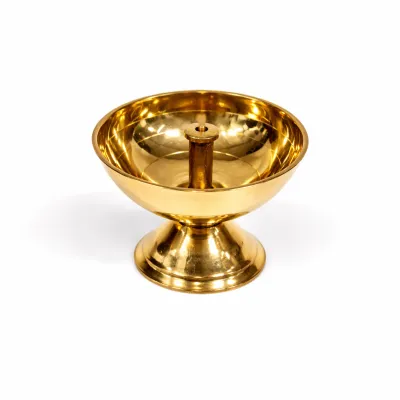
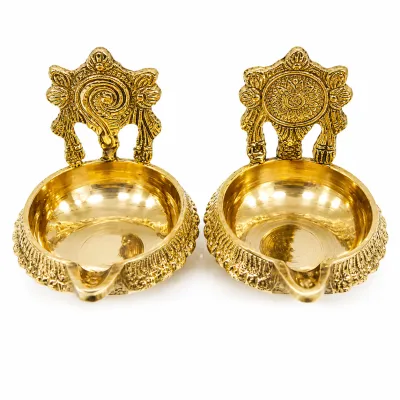
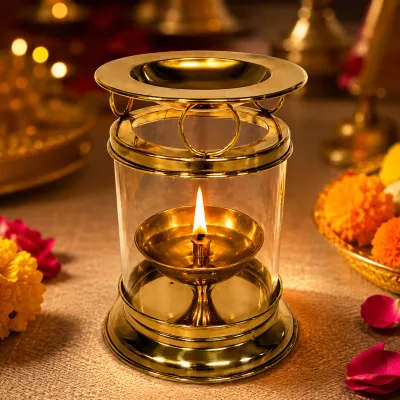
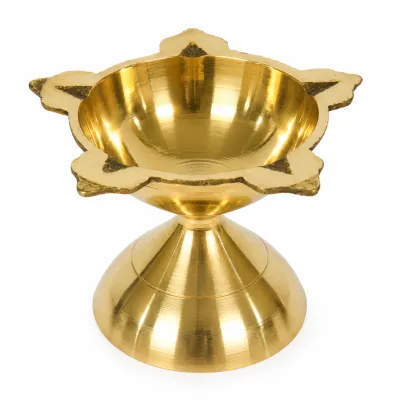
Prices are valid at publication and may change. Please refer to the product page for the latest price.
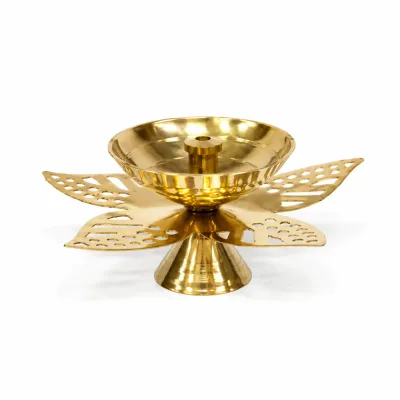
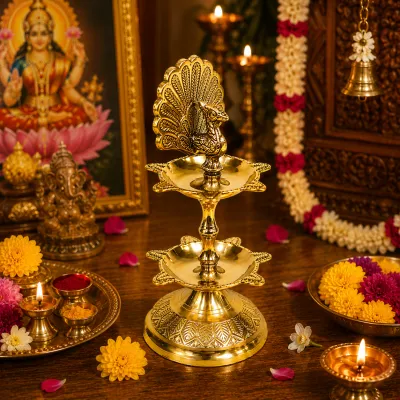
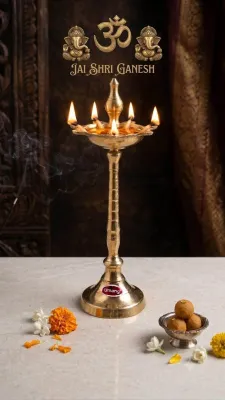
Selecting the right diya lamps involves considering both material and size. Traditional clay diyas and brass oil lamps are the most common choices. Brass is highly durable and easy to clean, making it ideal for permanent indoor altars, while clay diyas are often preferred for temporary setups. Ensure the size of the lamps matches your altar’s dimensions; oversized lamps can crowd the space and increase the risk of accidental tipping.
Preparing the wicks and fuel is the next step. Cotton wicks should be rolled tightly to ensure an even, steady burn. For fuel, vegetable oil, sesame oil, or ghee are traditionally used. Each has different burning characteristics; for instance, sesame oil burns steadily in Singapore’s humid climate, while ghee produces a distinct aroma but can solidify in cooler drafty areas. Clean the lamps thoroughly to remove old soot or sticky residue before refilling.
Lastly, gather all necessary tools before you begin. Keep a dedicated tray for matches, a long-reach utility lighter, and a small container of water or a damp cloth nearby for emergencies. Having these tools organized beforehand prevents frantic searching while handling open flames.
Positioning and Arranging the Diya Lamps
The spatial arrangement of the altar dictates both visual balance and physical safety. Start by identifying the central focal point, which is typically the incense burner, ancestral tablets, or deity statues. Diya lamps are traditionally placed symmetrically on either side of this central point. This balanced layout represents harmony and ensures that the light evenly illuminates the sacred representations.

Spacing is the most critical safety factor on a festival altar. In a typical Hungry Ghost Festival setup, there are many combustible materials present, including paper offerings, food offerings, and incense sticks. Keep a minimum clearance of at least 15 to 20 centimeters between the diya lamps and any flammable items. Incense sticks can drop hot ash, which must not land near the oil reservoir of the lamps.
If you are using multiple lamps, arrange them in a clear hierarchy. Smaller lamps can be placed toward the front of the altar, while larger, elevated brass lamps should stand toward the back or sides. Ensure that no lamp blocks the direct line of sight to the ancestral tablets or deity figures. This layout allows you to tend to each lamp without reaching over another active flame.
Consider the physical environment around the altar. In Singapore’s residential layouts, altars are often located near main entryways or corridors. Ensure the lamps are positioned well within the altar boundary so they cannot be easily brushed against by passing family members. The path in front of the altar must remain completely clear of obstructions.
Lighting the Lamps and Managing Fire Safety
When it is time to light the wicks, safety must be your primary concern. Use an extended utility lighter or a long fireplace match rather than a standard short match. This keeps your fingers safe from sudden flare-ups, especially if the wick has absorbed a large amount of oil. Light the lamps starting from the one furthest from you and move outward to avoid reaching over an already lit flame.
Draft management is a unique challenge in tropical climates. Many homes rely on open windows or ceiling fans to stay cool. However, a sudden gust of wind can cause the flame to flicker wildly, potentially carrying sparks to nearby curtains or paper decorations. Position your altar away from direct air currents, or temporarily turn off nearby fans while the lamps are lit. If draft protection is necessary, consider using glass chimneys or wind guards designed for oil lamps.
Establish a strict safety zone around the altar. Children and pets are naturally curious and may be drawn to the bright flames. Ensure the altar is elevated out of reach, or use physical barriers to prevent access. Never leave lit lamps unattended; if you must leave the room or go out, ensure the flames are safely extinguished.
Extinguishing the lamps should be done with respect and care. In many traditions, blowing directly on a sacred flame is discouraged. Instead, use a small metal snuffer or gently submerge the burning tip of the wick into the oil pool using a pair of metal tweezers. This immediately cuts off the oxygen supply and extinguishes the flame without producing excess smoke or scattering hot ash.
Daily Maintenance and Refilling During the Festival
The Hungry Ghost Festival spans an entire month, requiring consistent daily maintenance of your altar space. Regularly monitor the oil or ghee levels in your diyas. Never attempt to refill a lamp while it is still lit, as spilling oil near an active flame can cause a dangerous flare-up. Always extinguish the lamp and allow it to cool completely before adding more fuel.
Wick maintenance is essential for a clean burn. Over time, the tip of the cotton wick will become charred and carbonized, leading to a sputtering, smoky flame. Before lighting the lamp each day, trim the charred tip with a pair of scissors or replace the wick entirely if it has burned down. This simple step ensures a bright, steady light and minimizes indoor air pollution.
Keep the altar surface pristine. Oil spills and soot accumulation are common when using traditional lamps. Wipe down the altar surface daily with a damp cloth and a mild detergent to remove any greasy residue. This not only maintains a respectful and clean environment for worship but also eliminates a potential slip or fire hazard on the altar surface.
Store your supplies safely. Extra bottles of oil, spare wicks, and matches should be kept in a cool, dry cabinet away from the altar itself. Storing flammable liquids directly next to active flames is a major safety hazard. Ensure all fuel containers are tightly sealed and clearly labeled, keeping them completely out of reach of children.
Frequently Asked Questions (FAQ)
Can I use electric diya lamps instead of traditional oil lamps?
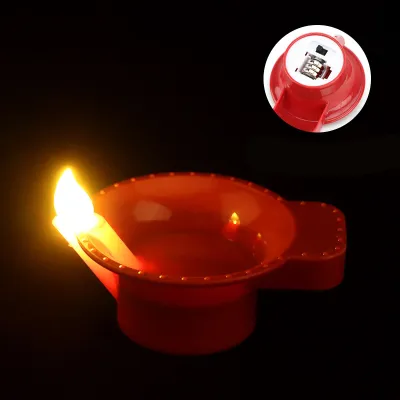
Yes, electric or LED diya lamps are an excellent alternative, especially for modern apartments where open flames pose a significant safety risk. They eliminate the hazards of hot oil, open flames, and smoke, making them ideal for households with young children, pets, or strict building fire codes. While traditionalists may prefer the symbolic purity of a real flame, many families successfully transition to electric options. If you are unsure, consult with your family elders or a religious advisor to find a solution that respects both tradition and household safety. When choosing electric lamps, ensure they carry recognized safety certifications and that the wiring is intact.
What should I do if a diya lamp goes out during the prayer?
If a lamp goes out unexpectedly, do not panic or immediately assume it is a negative omen. In most cases, the cause is entirely physical, such as a sudden draft from a window, a low fuel level, or a wick that has become submerged in the oil. First, check these practical factors. If the fuel is low, let the lamp cool, refill it, adjust the wick, and relight it calmly. Approach the situation with a peaceful mind, focusing on restoring the light respectfully rather than letting superstition cause unnecessary anxiety.
Community discussion
Share your experience or ask a question. Comments are reviewed before publication.