
To arrange prayer cups on your altar for the Hungry Ghost Festival, place either three or five clean cups in a neat, straight line closest to the front edge of the altar, directly in front of the incense burner. Fill each cup to about 70% to 80% capacity with tea or wine, pouring steadily from left to right or from the center outward. This precise configuration ensures you show proper respect to ancestors and wandering spirits while maintaining practical safety on your home altar.
Setting up a ritual space requires a balance of cultural mindfulness and physical safety, especially when managing open flames and liquid offerings. By understanding the traditional placement rules and safety boundaries, you can conduct your Seventh Month prayers with complete peace of mind.
Understanding the Role of Prayer Cups in Hungry Ghost Worship
During the Hungry Ghost Festival, also known as the Zhong Yuan Jie, the gates of the underworld open, allowing spirits to visit the living realm. Offering food and drink is a fundamental act of hospitality and charity in Chinese culture, serving to appease wandering spirits and honor deceased ancestors. The humble prayer cup is the primary vessel used to present these liquid offerings, representing a direct gesture of welcome and respect.
Products mentioned in this guide
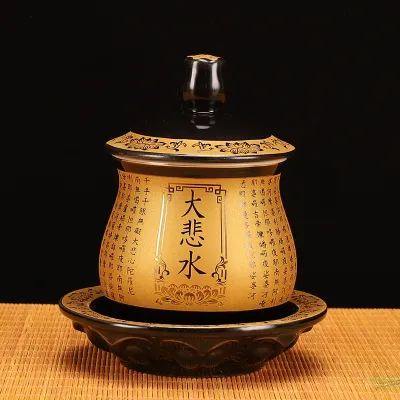
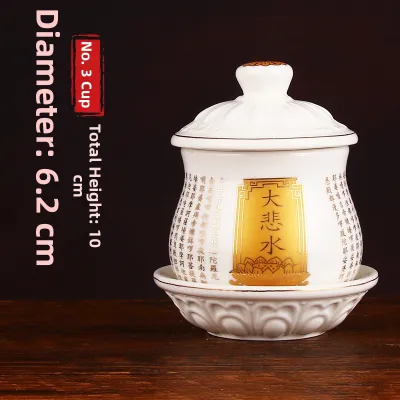
Prices are valid at publication and may change. Please refer to the product page for the latest price.
While specific customs can vary across different dialect groups—such as Hokkien, Teochew, Cantonese, or Hakka families—and across Buddhist, Taoist, or folk religious traditions, the core values remain identical. Sincerity, cleanliness, and respect are universal priorities for households across Singapore during this sacred month. Setting up your altar correctly demonstrates your mindfulness and ensures the ritual is conducted in harmony with long-standing traditions.
This guide provides a widely accepted, traditional framework that aligns with common household practices. Whether you are setting up a temporary altar in a common area or maintaining a permanent family altar indoors, these steps will help you navigate the process with confidence and cultural accuracy.
Preparing Your Altar and Materials Safely
Before beginning the arrangement, gather all the necessary ritual items to ensure a smooth and uninterrupted ceremony. You will need a set of prayer cups (typically three or five), a dedicated teapot or wine decanter, high-quality incense sticks, red candles or oil lamps, joss paper, and your food offerings. Having these items organized beforehand prevents unnecessary disruptions once the ritual starts.

Cleanliness is a prerequisite for any religious offering. Wash your prayer cups thoroughly with clean water, ensuring they are entirely free of dust, old incense ash, or sticky residue from previous uses. Using dirty or stained vessels is considered highly disrespectful to the receiving spirits and ancestors.
Altar stability is critical, particularly when setting up temporary tables along HDB common corridors, void decks, or compact indoor apartment spaces. Ensure your altar table stands on flat, even ground and is sturdy enough to support all offerings without wobbling. A shaky table increases the risk of spilling hot wax, tipping over burning incense, or knocking over liquid offerings.
Position your prayer cups at a safe distance from open flames, such as burning candles, oil lamps, or lit joss sticks. Because wine contains flammable alcohol, keeping it away from heat sources is an essential fire safety measure. Additionally, ensure that drafts from open windows or corridor corridors cannot blow loose joss paper or decorative plastic wraps into contact with lit candles or hot incense embers.
Step-by-Step Guide to Arranging the Prayer Cups
Properly positioning and filling your prayer cups requires a steady hand and an understanding of traditional spatial layouts. Following a structured sequence ensures your altar looks neat, balanced, and respectful.
Positioning the Cups on the Altar
On a traditional altar layout, items are arranged in layers based on their accessibility to the spirits. The incense burner serves as the central anchor of the setup. Place your prayer cups in a straight line directly in front of the incense burner, positioned on the side closest to where you stand as the worshipper.
This forward positioning symbolizes presenting the drinks first to your spiritual guests as they approach the altar. The cups should sit closer to the edge of the table than the larger food offerings, making them easily accessible and visually prominent.
When deciding on the quantity, households typically choose between three or five cups. Three cups are the standard choice for ancestral worship, representing the harmony of Heaven, Earth, and Humanity, or the Triple Gem in Buddhist homes. Five cups are commonly used for larger communal prayers, specific deities, or when offering to a broader gathering of wandering spirits.
Align the cups with meticulous care, ensuring they form a perfectly straight line with even spacing of about one to two fingers apart. A crooked or cluttered arrangement suggests a hasty setup and a lack of genuine sincerity, whereas a neat line reflects a disciplined and respectful mind.
Pouring the Tea or Wine
Once the cups are perfectly aligned, prepare to pour the liquid. Stand squarely in front of the altar and hold the teapot or wine decanter with both hands as a sign of respect. This physical posture demonstrates your full attention and dedication to the ritual.
Begin pouring the liquid in a steady, controlled stream. The traditional pouring sequence typically moves from your left to your right, or starts with the center cup before moving to the left and then the right cup. Defer to your specific family or dialect traditions if they dictate a particular direction.
Fill each prayer cup to approximately 70% to 80% of its total capacity. In Chinese custom, filling a cup to the very brim is considered impolite, as it leaves no room for blessings and implies a desire to rush the guest. Practically, keeping the liquid level slightly below the rim prevents accidental spills when moving around the altar or when wind drafts sweep across HDB corridors.
Understand the distinction between the liquids you offer. Hot tea is traditionally offered during morning prayers or specifically to ancestors, symbolizing purity, clarity, and familial warmth. Wine is typically reserved for evening rituals, deities, or wandering spirits, serving as a symbol of rich hospitality, celebration, and deep respect.
Common Etiquette and Mistakes to Avoid
To maintain the spiritual integrity of your worship, be mindful of common cultural taboos and practical mistakes. Avoiding these errors ensures your ritual remains respectful and safe from start to finish.
If you decide to offer both tea and wine during the same prayer session, never mix the liquids in the same cups. Use separate, distinct sets of prayer cups for each liquid, or arrange them in two clearly defined parallel rows. Keeping them separate preserves the purity of each individual offering.
Once you light the incense and the ritual officially begins, do not move, adjust, or realign the prayer cups. Moving the offerings mid-ritual is believed to disturb the spirits while they are consuming the essence of the food and drink. Ensure your layout is completely finalized before striking the first match.
Never use chipped, cracked, or mismatched prayer cups for your altar. In local custom, damaged items are associated with broken fortunes and are viewed as highly disrespectful to ancestors and spirits. If you need to purchase a new set, basic ceramic prayer cup sets are widely available in Singapore and generally cost within a modest S$10 to S$30 price range at local religious goods shops.
Perform a final safety check before leaving the altar unattended. Ensure no dry goods, joss paper, or plastic packaging materials are placed too close to the hot incense burner or open candle flames. If your altar is located outdoors or in a high-traffic corridor, secure lightweight items so they cannot be displaced by sudden gusts of wind.
Concluding the Ritual and Clearing the Altar
Knowing how to conclude the worship session is just as important as the initial setup. A respectful ending ensures that the transition from sacred ritual back to daily household life is handled with care.
Only begin clearing the altar after the incense sticks have burned down completely. The fully consumed incense indicates that the spirits have finished receiving your offerings and have departed. Clearing the table prematurely is considered rude and disruptive.
When disposing of the offered tea or wine, do not pour it directly down the household toilet, as this is viewed as highly disrespectful to the spiritual nature of the offering. Instead, carry the cups outdoors and pour the liquid onto clean grass, soil, or into a designated outdoor drainage area. This act symbolically returns the offering to the earth.
Immediately after disposing of the liquids, wash the prayer cups thoroughly with clean water and mild dish soap. Dry them completely with a clean cloth to prevent water spots or mold. Store these cups in a dedicated cabinet or box, completely separate from your daily household mugs and dining ware, to preserve their sacred utility for future festival use.
Frequently Asked Questions (FAQ)
Can I use the same prayer cups for both tea and wine?
Traditional etiquette prefers that you use dedicated, separate sets of prayer cups for tea and wine to maintain ritual purity. If you only have one set of cups available, you should offer the tea first during the initial phase of prayers. Once that segment of the ritual is complete, remove the cups, rinse them thoroughly with clean water, dry them, and then refill them with wine for the subsequent offerings.
What should I do if a prayer cup breaks during the setup?
If a prayer cup chips or breaks during the setup process, do not attempt to glue it back together or use a mismatched cup as a temporary replacement. Instead, replace the broken cup immediately with a matching one from the same set, or transition to an entirely new, uniform set. Wrap the broken pieces carefully in thick paper or newspaper to prevent injury, and dispose of them safely in a waste bin.
Community discussion
Share your experience or ask a question. Comments are reviewed before publication.