
Setting up a home altar for the Hungry Ghost Festival (Zhong Yuan Jie) requires a thoughtful balance of spiritual devotion, traditional etiquette, and modern home safety. Central to this practice is the offering of 烟供食子 (Yan Gong Shi Zi), or smoke offering food cones, which are burned to provide spiritual sustenance to wandering spirits. When practicing this ritual indoors, especially within Singapore’s high-rise apartments, arranging your space correctly ensures a respectful ceremony while safeguarding your living environment from heat, soot, and fire hazards.
Essential Materials and Altar Decor Checklist
To begin, you must gather the core ritual items alongside suitable decorative elements that honor the tradition without introducing unnecessary safety risks.
Core Offering Items:
Products mentioned in this guide






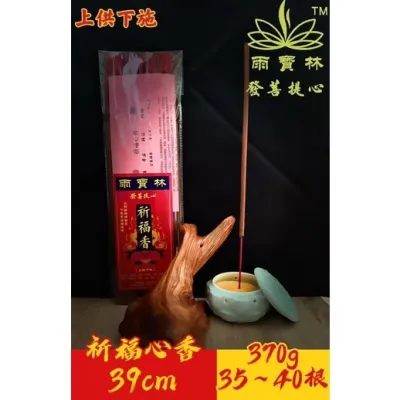
Prices are valid at publication and may change. Please refer to the product page for the latest price.
- Yan Gong Shi Zi (烟供食子): These specialized cone incenses are crafted from natural ingredients, including roasted barley flour, milk, butter, sugar, and medicinal herbs. They are formulated to produce a dense, fragrant smoke that carries the essence of food to the spiritual realm.
- Fire-Safe Burner or Censer: A sturdy censer made of high-quality ceramic, cast iron, or natural stone is essential. It must be deep enough to contain the burning cone and any falling ash securely. Basic ceramic burners typically range from S$15 to S$45, while premium stone censers can cost upwards of S$80.
- Standard Incense Sticks: Often used to initiate the ritual, inviting the spirits to the altar before the main smoke offering begins.
Altar Decor and Lighting:
- LED Altar Lights: Modern home altars frequently incorporate electronic candles or LED lights to replace open-flame candles. When selecting these, verify that they carry local safety certifications, such as the Singapore Safety Mark, and operate on the standard local voltage of 220–240V. Warm white or soft yellow LED lights (typically 2700K to 3000K) are often preferred to create a serene, solemn atmosphere, though this remains a personal aesthetic choice.
- Floral Arrangements: Fresh flowers like yellow chrysanthemums or lotus blossoms add natural beauty and respect to the setup. Ensure these are placed in heavy, stable vases that cannot easily tip over.
- Altar Cloths: A clean, dedicated cloth provides a respectful foundation for your offerings.
Before finalizing your arrangement, check the product labels of all altar cloths and decorative fabrics to confirm if they have fire-retardant properties. Never place lightweight fabrics, synthetic ribbons, or dry floral elements directly adjacent to the censer, as stray sparks or intense radiant heat could ignite them.
Spatial Setup: Arranging the Altar in Your Home
Selecting the right location for your smoke offering altar is critical for maintaining household safety and respecting spiritual boundaries. In Singapore’s residential layouts, space can be limited, making a deliberate arrangement essential.

Optimal Altar Locations:
- Dedicated Prayer Room: If your home has a spare room or a dedicated prayer alcove, this is the ideal spot as it allows for a controlled, quiet environment.
- Living Room Corner: A quiet, low-traffic corner of the living room can serve as an excellent altar space. Ensure it is away from television sets, air conditioning units blowing direct drafts, and busy household pathways.
- Well-Ventilated Balcony: For smoke offerings, a balcony is highly practical because it allows the dense smoke to disperse directly outdoors. However, this setup requires extra precautions against wind and weather.
- Areas to Avoid: Never place the altar inside bedrooms, bathrooms, or narrow corridors where people frequently walk.
Arranging Tiers and Managing Heat: If you use a multi-tiered altar table, place the smoke offering burner on the highest or most central tier, ensuring it sits on a completely flat, level surface. Keep a safe clearance zone around the burner: maintain at least 1 meter of vertical clearance from ceilings or overhanging shelves, and at least 30 centimeters of horizontal clearance from walls and other decorative items. This prevents the heat from warping wooden panels or discoloring wall paint.
Ensuring Safe Spatial Flow: Your altar setup must never obstruct household movement or block emergency exit routes. Ensure that family members can move freely through the living space without risking bumping into the altar table. Keep power cords for LED altar lights neatly organized and tucked away using cable clips to prevent tripping hazards.
Step-by-Step Guide to the Smoke Offering Ritual
Performing the smoke offering ritual involves a series of mindful, sequential steps designed to show respect to the spirits while keeping your home safe.
1. The Preparation Phase: Begin by thoroughly cleaning the altar space. Dust the surfaces and wipe down the burner to remove any residual ash from previous sessions. Arrange your food offerings, fresh flowers, and water cups neatly around the central censer. Once the physical space is prepared, light a single standard incense stick. This initial step serves to purify the air, invite the spirits to the altar, and establish a peaceful, meditative atmosphere in your home.
2. Igniting the Smoke Offering Food: Take a single Yan Gong Shi Zi cone and place it upright in the center of your fire-safe censer. Using a long-reach lighter or a match, carefully ignite the pointed tip of the cone. Allow the flame to burn for a few seconds until the tip glows red, then gently fan out the flame with your hand—never blow on it with your breath, as this is considered disrespectful in traditional practice. The cone should now smolder steadily, releasing a thick, aromatic column of smoke.
3. Posture, Gestures, and Recitation: Stand or kneel before the altar with your back straight and your hands pressed together in a prayer posture (Anjali Mudra) at chest level. Close your eyes and focus your mind on thoughts of compassion and generosity. If your lineage or personal practice includes specific mantras, such as the Rebirth Mantra, the Food Bestowal Mantra, or the Om Mani Padme Hum mantra, recite them softly at this time. Visualise the smoke transforming into an abundance of food, clothing, and medicine that brings relief to all wandering spirits.
4. Concluding the Ritual: Allow the smoke offering cone to burn down completely on its own. This process typically takes between 15 to 30 minutes depending on the size of the cone. If you must leave the altar unattended or if safety concerns arise, do not leave the cone burning. Extinguish it safely by placing a non-flammable metal lid over the censer to starve the flame of oxygen, or use a pair of metal tongs to submerge the glowing tip in a small bowl of water. Never pour water directly into a hot ceramic or stone censer, as the sudden thermal shock can cause the vessel to crack or shatter. Once the offering is complete, perform three deep, respectful bows toward the altar to close the ritual.
Fire Safety, Ventilation, and Post-Ritual Clean-Up
Operating a smoke offering inside a Singapore home requires strict adherence to safety protocols and proactive maintenance to protect your property and health.
Implementing Fire Safety Protocols: Always place a dedicated fireproof mat, such as a heavy silicone sheet or a ceramic tile, directly underneath your censer. This protects your wooden altar table or console from intense heat transfer. Keep a small bowl of clean water or a compact home fire extinguisher within arm’s reach of the altar. Additionally, be mindful of local Town Council or condominium management guidelines regarding open flames and smoke generation within residential estates to ensure your practice remains compliant and respectful of your community.
Managing Smoke and Ventilation: Because Yan Gong Shi Zi is formulated to produce a significant volume of smoke, managing indoor air quality is vital. Switch on kitchen exhaust fans or use a standalone air purifier equipped with a carbon filter near the altar area. Open specific windows to create a cross-draft that coaxes the smoke out of your living space, preventing it from settling on your furniture, curtains, and walls. If you notice smoke building up near your home smoke detectors, adjust your window openings or temporarily relocate the censer closer to a window or balcony door.
Post-Ritual Clean-Up and Maintenance: Never attempt to clean the censer immediately after the ritual. Wait at least two to three hours to ensure the ashes and the burner have cooled down completely. Once cool, carefully dispose of the ash residue into a waste bin. Use a damp microfiber cloth to wipe down the altar surfaces, LED lights, and nearby decorative items. This regular maintenance prevents soot and oily residue from bonding to your home decor. If you are cleaning delicate wooden furniture or specialized brass ornaments, always check the manufacturer’s care instructions first to ensure your cleaning products will not strip the finish or damage the material.
Frequently Asked Questions (FAQ)
Can I perform the smoke offering on my HDB balcony?
While HDB balconies provide excellent ventilation for smoke offerings, you must remain mindful of your neighbors and estate guidelines. Singapore’s high-density living means smoke can easily drift into upper or adjacent units, potentially causing discomfort or triggering sensitive smoke alarms. To practice respectfully, always use an enclosed censer with a fine mesh lid to prevent light ash and embers from being carried away by drafts. Check your specific Town Council by-laws regarding open burning, and consider performing the ritual during off-peak hours when neighbors are less likely to have laundry hanging out to dry.
How do I protect my altar decor and furniture from smoke and heat damage?
Protecting your home furnishings requires a combination of physical barriers and regular maintenance. Always maintain a strict clearance radius of at least 30 centimeters around your burner, keeping it far away from delicate wooden panels, paper lanterns, and fabric altar cloths. Place a thick, heat-resistant coaster, stone slab, or ceramic tile under the censer to absorb thermal energy and protect the underlying wood finish. After each ritual, allow the area to cool, then dust and wipe down your decorative items with a mild, surface-safe cleaner. Always refer to your furniture manufacturer’s care instructions before applying polishes or heavy cleaning agents to prevent accidental discoloration.
Community discussion
Share your experience or ask a question. Comments are reviewed before publication.