
During the seventh lunar month, known locally as the 7th month (七月) or the Hungry Ghost Festival, many households in Singapore set up dedicated altar spaces to pay respects to ancestors and wandering spirits. Properly arranging these spaces requires a thoughtful blend of traditional layout principles and modern household safety. By understanding the correct placement of core worship items, decorative elements, and safety protocols, you can create a respectful, harmonious tribute within your home.
Preparing Your Space and Altar Foundation
Finding the right spot in a modern HDB flat or condominium is the first step. The altar should be placed in a quiet, clean, and dignified area of the home. Avoid positioning the table near high-traffic zones, directly facing toilet doors, or inside private spaces like bedrooms. The altar should ideally face outwards towards a window or the main door, symbolizing an open invitation to the spirits. Ensure the surface is highly stable and free from structural vibrations.
Before placing any items, perform a thorough physical and symbolic cleaning of the altar table. Wipe down the surface with a clean, dedicated cloth dipped in water (traditionally infused with pomelo leaves for purification). This step removes dust and prepares a pure foundation for the sacred items.
Products mentioned in this guide
![[Hungry Ghost Festival] Lunar Seventh Month Bundle (Big) 2088大七月份 (2088叔伯份)](https://img.lazcdn.com/g/p/87fabfeb4f449e453f82d0e7d133f207.jpg_400x400q80.jpg_.webp)
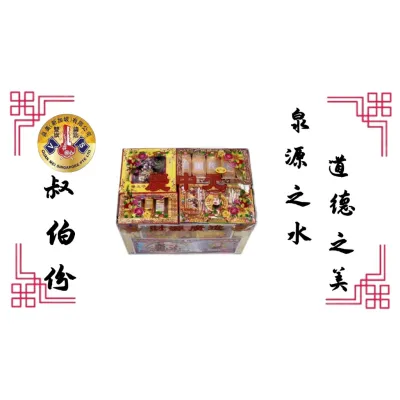
![[Hungry Ghost Festival] Seventh Month Extra Large Premium Package 6688 精装特大盒七月配套 (6688 叔伯份)](https://img.lazcdn.com/g/p/9c67a301b8b9540f55aa5aa3990ec4c3.jpg_400x400q80.jpg_.webp)
![[Hungry Ghost Festival] Seventh 7th Month Large Premium Package YX 1188 精装大盒七月配套 (1188 叔伯份)](https://img.lazcdn.com/g/p/f2343204692f2a5843538cb48c87f4db.jpg_400x400q80.jpg_.webp)
![[Hungry Ghost Festival] Seventh 7th Month Economy Premium Package YX 2288 精装中盒七月配套 (2288 叔伯份)](https://img.lazcdn.com/g/p/f8de23a2496a4fa08115e767d8922c26.jpg_400x400q80.jpg_.webp)
Prices are valid at publication and may change. Please refer to the product page for the latest price.
Next, lay down a suitable altar cloth or mat. While traditional practices favor vibrant red or gold fabrics to signify respect and auspiciousness, safety must remain a priority in modern apartments. If you plan to burn real incense or candles, opt for a fire-resistant silicone mat, tempered glass protector, or flame-retardant fabric. This layer protects your wooden furniture from heat damage and stray embers while providing a neat, cohesive base for your layout.
Core Altar Layout: Positioning Incense, Tablets, and Offerings
A traditional altar layout relies on a clear central axis and a distinct height hierarchy. The most sacred items sit at the back and highest level, while daily offerings and incense burners occupy the front and lower tiers. This arrangement ensures that every item is visible and that the flow of energy and smoke remains unobstructed.

Positioning the Incense Burner and Lighting
The incense burner serves as the spiritual focal point of the altar and must be positioned precisely along the central axis, typically in the front or middle tier. It should be easily accessible for daily prayers. Once the burner is set, place your candle holders or oil lamps flanking it on the left and right sides.
When setting up lighting, pay close attention to electrical specifications. If you are using electric oil lamps or plug-in candles, verify that they are compatible with Singapore’s standard 230V voltage and carry the Enterprise Singapore Safety Mark. Check that the wattage limits of the bulbs do not exceed the fixture’s rating, and ensure all wiring is routed away from hot surfaces or open flames. Always isolate the power supply before cleaning or adjusting any electrical fixtures.
Arranging the Offerings and Tablets
Deity statues or ancestral tablets must occupy the highest, rearmost central position of the altar, standing proudly behind the incense burner. This positioning reflects their elevated spiritual status. Ensure these figures are securely placed and do not wobble.
In front of the tablets, arrange your daily offerings in a neat, balanced manner. Place tea or wine cups directly in front of the burner, followed by rice bowls and fruit plates. Ensure these offerings are spaced out properly so they do not block the path of the incense smoke or crowd the burner, which could present a tipping hazard when reaching to light incense.
Integrating 7th-Month Decorations and Lighting Safely
The 7th month (七月) brings unique decorative elements designed to guide and honor visiting spirits. Integrating these items requires careful spatial planning to maintain visual harmony and ensure household safety.
Choosing and Placing 7th-Month Lanterns
Traditional paper or fabric lanterns in red or yellow are commonly used during the Hungry Ghost Festival to light the way for spirits. When hanging these lanterns, choose positions that do not obstruct the main altar space or block the movement of family members. Secure them firmly to walls or ceiling hooks using reliable mounts, keeping them far away from any open flames or heat sources.
To maintain a respectful atmosphere, balance the visual weight of your decorations. Avoid overcrowding the altar with massive lanterns or excessive ornaments; instead, choose sizes that complement your existing deities or ancestral tablets, keeping the overall look symmetrical and dignified. Keep in mind that decorative styles and perceived color temperatures are conditional preferences, not universal performance standards.
Using Electronic Alternatives for Enclosed Spaces
For modern apartments with limited ventilation or strict fire safety rules, electronic alternatives offer a practical and respectful solution. LED candles, electronic incense burners, and battery-operated lanterns mimic the warm glow of traditional items without the associated fire or smoke risks.
When arranging these electronic items, route all visible wires neatly behind the altar using cable clips or ties to prevent tripping hazards. Ensure that battery compartments are easily accessible for replacement and that the electronic items are styled to blend seamlessly with your traditional ceramic burners and brass holders, preserving the sacred aesthetic of the space.
Essential Safety Precautions and Etiquette to Avoid Mistakes
Operating a home altar requires constant vigilance, especially when dealing with open flames and smoke in enclosed residential spaces.
To mitigate fire hazards, always place real incense burners and candles on certified fireproof mats. Keep all burning items at least one meter away from flammable materials such as curtains, paper decorations, or low-hanging ceilings. Never leave lit candles or incense unattended; if you must leave the house, extinguish them completely.
Adequate ventilation is crucial for managing smoke and ash buildup inside HDB flats or condos. Keep nearby windows slightly open to allow fresh air circulation, or position an air purifier nearby to help filter out airborne particulates without creating a direct draft that could blow ashes around.
Avoid common arrangement mistakes that can compromise both safety and etiquette:
- Unstable Surfaces: Never place heavy ceramic burners or glass oil lamps near the edge of the table where they can easily be knocked over.
- Wilted Offerings: Replace flowers and fruits as soon as they show signs of wilting or decay, as leaving spoiled offerings on the altar is considered disrespectful.
- Beams and Vents: Do not position the altar directly under a structural ceiling beam, which is believed to create oppressive energy, or directly beneath an air conditioning vent, as the draft can cause uneven burning and scatter ash across the room.
Frequently Asked Questions (FAQ)
Can I use artificial flowers and fruits on the altar?
While fresh flowers and fruits are traditionally preferred because they symbolize sincerity and the impermanence of life, high-quality artificial decor has become widely accepted for long-term setups during the 7th month. If you choose to use artificial items, ensure they are kept clean and free of dust. It is still highly recommended to offer fresh items on key prayer days, such as the first, fifteenth, and last days of the seventh lunar month, to show proper respect.
How do I safely dismantle and store the decorations after the 7th month?
Once the seventh lunar month concludes, decorations should be dismantled respectfully. Begin by turning off and unplugging all electronic candles and lanterns to ensure complete power isolation. Gently wipe down reusable items with a clean, dry microfiber cloth to remove any accumulated dust or soot. Store them in labeled, airtight plastic containers in a cool, dry place to protect them from moisture and pests until the following year. Dispose of any temporary paper decorations or expired offerings mindfully, and perform a final wipe-down of the altar surface to restore its regular layout.
Community discussion
Share your experience or ask a question. Comments are reviewed before publication.