
Authenticating genuine Old Mountain Sandalwood incense sticks requires a systematic, multi-sensory approach. Rather than relying on a single visual cue or a bold packaging claim, buyers must evaluate the scent profile, physical texture, smoke behavior, and burn characteristics of the incense. In a market flooded with synthetic alternatives, understanding these practical verification steps ensures you invest in high-quality, natural products that enhance your living space safely.
Why Authenticating Old Mountain Sandalwood Matters
Burning incense is a deeply sensory practice, but using counterfeit products can introduce unwanted hazards into your home. Many low-grade counterfeits rely on synthetic fragrance oils, chemical combustion agents, and artificial dyes to mimic the appearance and smell of genuine wood. When burned, these synthetic additives can release harsh compounds into the air, which can easily cause eye irritation, headaches, or respiratory discomfort. This is particularly concerning in modern, enclosed living spaces where ventilation may be limited during air-conditioned hours.
Beyond health considerations, synthetic incense completely lacks the aromatic depth of genuine Old Mountain Sandalwood. Natural sandalwood contains a complex matrix of organic compounds that release a layered, evolving fragrance when heated. Synthetic alternatives offer only a flat, one-dimensional scent that quickly becomes cloying and harsh. Furthermore, relying solely on visual packaging or cheap price points often leads to disappointment, as counterfeiters have become highly skilled at replicating traditional box designs and artificial wood colors.
Products mentioned in this guide
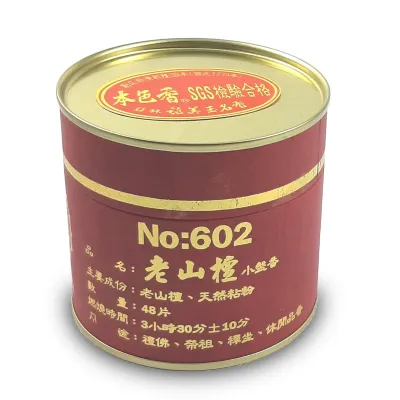
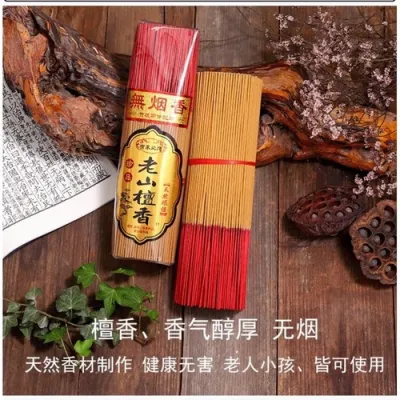
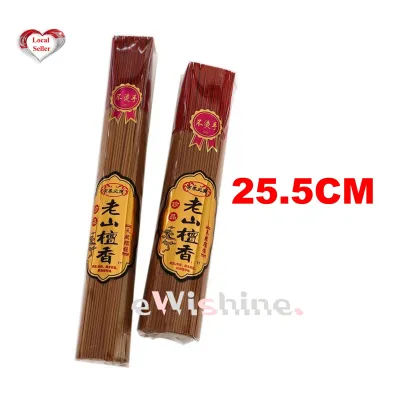
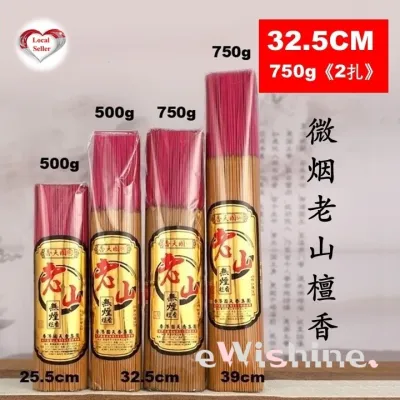
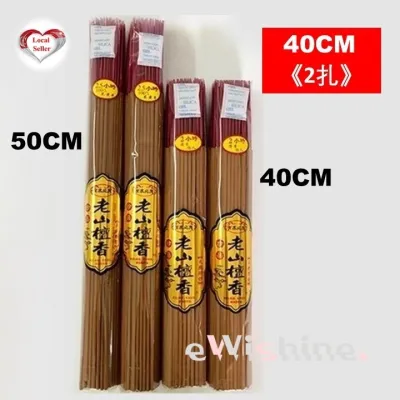
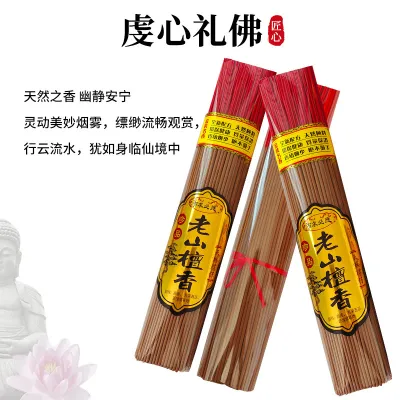
Prices are valid at publication and may change. Please refer to the product page for the latest price.
Visual and Tactile Checks: Examining the Sticks and Packaging
Before lighting an incense stick, a close physical inspection can reveal critical clues about its quality and composition. Natural sandalwood incense is crafted from finely ground wood powder mixed with a natural plant-based binder, typically derived from the bark of the Machilus tree. This natural composition gives the sticks a distinct, earthy appearance. The color of genuine sticks should range from a muted, warm tan to a soft, dusty brown. If the sticks exhibit an unnaturally bright yellow, orange, or uniform reddish-hue, they have likely been treated with artificial dyes to simulate high oil content.

Tactile feedback is equally telling when handling the sticks. Gently run your fingers along the surface of an unlit stick. Genuine natural incense has a slightly textured, matte finish and feels dry to the touch. It should possess a balanced structural integrity—firm enough to hold its shape, yet slightly brittle if bent. If a stick feels greasy, exceptionally smooth, or rock-hard, it may contain synthetic glues or heavy chemical binders. Conversely, if the stick crumbles into fine dust under the slightest pressure, the manufacturer may have used an inferior binder ratio, which will negatively affect how the incense burns.
Packaging inspection should go beyond decorative elements and traditional branding. Authentic manufacturers prioritize transparency and will often list the specific ingredients, such as the percentage of natural sandalwood powder and the type of natural binder used. Look for clear batch numbers, manufacturing dates, and detailed origin information. Be skeptical of packaging that relies on vague terms like “perfume,” “aromatic compounds,” or “essential oil blend” without explicitly naming the natural wood source.
The Burn Test: Observing Smoke and Ash Behavior
A controlled burn test is one of the most reliable ways to observe how the materials react to heat. To conduct this test safely, place the incense stick in a stable, heat-resistant ceramic or metal burner. Ensure the room is well-ventilated but free from strong, direct drafts that could cause the stick to burn unevenly. Light the tip of the stick, let the flame burn for a few seconds, and then gently blow it out to leave a glowing red ember.
As the stick begins to smolder, observe the smoke behavior closely. Genuine Old Mountain Sandalwood produces a thin, translucent smoke that rises in delicate, pale blue or off-white wisps. The smoke should disperse gently into the air without forming thick, heavy clouds. If you notice dense, dark grey, or black smoke rising from the ember, this is a strong indication of synthetic fragrance oils, chemical accelerants, or non-wood fillers burning off.
Next, examine the ash left behind by the burning stick. Natural wood powder combined with a minimal amount of natural binder typically produces a light grey or soft white ash. This ash should feel soft and crumble easily into a fine powder when cooled. If the ash is dark black, exceptionally hard, or curls into tight, unbroken coils that refuse to fall, it suggests the presence of chemical binders or artificial additives. Always prioritize your physical comfort during this test; if you experience any throat irritation or watery eyes, extinguish the stick immediately.
Scent Profile: Evaluating the Aroma Before and During Burning
The olfactory journey of genuine Old Mountain Sandalwood is highly distinct and cannot be easily replicated by synthetic chemistry. To evaluate the scent profile accurately, start with a cold sniff of the unlit stick. Hold the incense a few centimeters away from your nose and inhale gently. Genuine sandalwood has an incredibly subtle, understated aroma at room temperature. You should detect a mild, woody baseline with a faint hint of natural sweetness or creaminess. If the unlit stick emits an intense, sharp, or perfume-like fragrance that immediately fills the room, it has likely been heavily sprayed with artificial fragrance oils.
Once the incense is lit, the true character of the wood begins to unfold. Genuine Old Mountain Sandalwood releases a warm, rich, and multi-layered aroma that expands gently throughout the space. The scent profile is famous for its smooth, buttery, and milky undertones, balanced by a deep, grounding woodiness. It should feel round and soothing to the senses, never sharp or aggressive. The fragrance should evolve naturally as the stick burns, revealing different subtle notes rather than remaining completely static.
The final phase of olfactory evaluation is the lingering after-scent. After the incense stick has completely burned out, the natural oils in genuine sandalwood will leave a clean, sweet, and comforting aroma that remains in the room for hours. This is particularly noticeable in humid climates, where natural wood scents can help cut through mustiness. In contrast, synthetic fragrances tend to dissipate rapidly, often leaving behind a stale, sour, or burnt-paper smell that clings unpleasantly to curtains and upholstery.
Where to Buy and How to Verify Seller Claims
Navigating the market requires choosing reliable purchasing channels and maintaining a realistic expectation of cost. To minimize the risk of purchasing counterfeits, avoid buying high-value incense from unverified third-party sellers on general online marketplaces or temporary street stalls. Instead, focus on established specialty aromatherapy shops, official brand boutiques, or reputable traditional Chinese medicine halls that have a physical presence and a history of sourcing authentic botanical products.
When interacting with sellers, do not hesitate to ask detailed questions about their products. Reputable retailers should be knowledgeable about the origin of their wood powder, the age of the sandalwood trees used, and the manufacturing process. While formal certificates of analysis are typically reserved for wholesale transactions, a trustworthy seller should be able to explain their supply chain clearly. If a seller provides vague answers, uses overly aggressive sales tactics, or cannot explain the difference between their various grades of incense, it is best to look elsewhere.
Price is another critical indicator of authenticity. Genuine Old Mountain Sandalwood is a highly regulated, scarce natural resource that commands a premium price globally. Be realistic about what you are paying; if you encounter a large bundle of incense labeled as “pure Lao Shan” priced at just a few S$, it is almost certainly a synthetic counterfeit. Unrealistic marketing claims, such as promising “100% pure oil content” in a solid stick, are also major red flags, as solid incense requires a structural wood and binder base to burn properly.
Frequently Asked Questions (FAQ)
Can I authenticate sandalwood incense just by looking at the ash?
No, ash inspection alone is not a definitive way to verify authenticity. While the color and texture of the ash can provide helpful clues about the presence of heavy chemical binders or non-wood fillers, they cannot confirm the botanical origin of the wood powder. Modern manufacturing techniques allow synthetic producers to adjust their formulas to create soft, light grey ash that closely mimics natural wood. For an accurate assessment, you must combine ash observation with scent evaluation, smoke density checks, and tactile inspections.
Does genuine Old Mountain Sandalwood always smell strong?
No, genuine Old Mountain Sandalwood is characterized by its mellow, deep, and subtle nature rather than an aggressive strength. When unlit, the scent of a natural stick is remarkably quiet and understated. Even during burning, the aroma expands gently and smoothly, offering a rich but non-intrusing presence that fills a room without overwhelming the senses. An intensely strong, sharp, or pungent scent—especially one that causes immediate nasal irritation or a headache—is a classic sign of synthetic fragrance enhancement.

Community discussion
Share your experience or ask a question. Comments are reviewed before publication.